CD Projekt Red Won't Rely on AI Making Complete Games for The Witcher 4


2 Sources
[1]
CD Projekt Red isn't 'planning to rely on AI making complete games', and will still be 'predominantly using people' for The Witcher 4 and beyond
Generative AI in videogame development, despite the looming potentiality of a bubble popping, has continued to be a hot-button topic pelted at developers during earning calls, despite most of them recognising that there's not much use for it beyond mundane busywork. Sure, it's being used commonly,
[2]
The Witcher 4 dev is "still predominantly using people" over AI in development, says CEO, but "everybody has to make those judgments on their own"
If you're stressed about AI slop creeping its way into The Witcher 4, fear not, CD Projekt Red says it's still using humans as its primary means of developing games, even if robots are seemingly replacing people at an alarming rate everywhere else. During CDPR's latest earnings call, joint CEO
Share
Copy Link
CD Projekt Red's joint CEO Michał Nowakowski confirmed during an earnings conference that the studio remains committed to predominantly using people over AI in game development. While AI serves as a helpful tool for specific tasks, the company draws an ethical line against AI making complete games, especially for complex titles like The Witcher 4.
CD Projekt Red's Stance on AI in Game Development
CD Projekt Red has made it clear that human developers remain at the heart of creating The Witcher 4 and future titles. During an earnings conference, joint CEO Michał Nowakowski addressed growing concerns about AI in game development, stating that the studio is "still predominantly using people" and has no plans to change that approach
1
2
. This declaration comes as generative AI continues to be a hot-button topic in the gaming industry, with executives frequently questioned about their AI strategies during earnings calls.
Source: PC Gamer
AI as a Tool, Not a Replacement
While CD Projekt Red acknowledges that AI is "definitely becoming a thing in games development," Nowakowski emphasized that the technology serves primarily as a tool rather than a replacement for creative work
1
. The studio's approach to AI mirrors industry trends where the technology handles mundane busywork—tasks like procedural generation, resizing assets, or user preference analysis—rather than core game creation1
. "AI, if anything, is a tool like many others that's helping in places that can maybe become more helpful in the future but we're not planning to rely on AI making complete games," Nowakowski stated2
.Ethical Concerns About AI and Complex Games
CD Projekt Red's approach to AI is rooted in both practical and ethical considerations. Nowakowski explained that for complex games like The Witcher 4, relying on AI for complete game creation "is not the right or ethical path to follow"
1
. The intricate nature of CDPR's titles requires careful craftsmanship that wouldn't make sense to delegate to LLMs or automated coding systems1
. However, the joint CEO stopped short of prescribing this philosophy to the entire industry, noting that "everybody has to make those judgments on their own"2
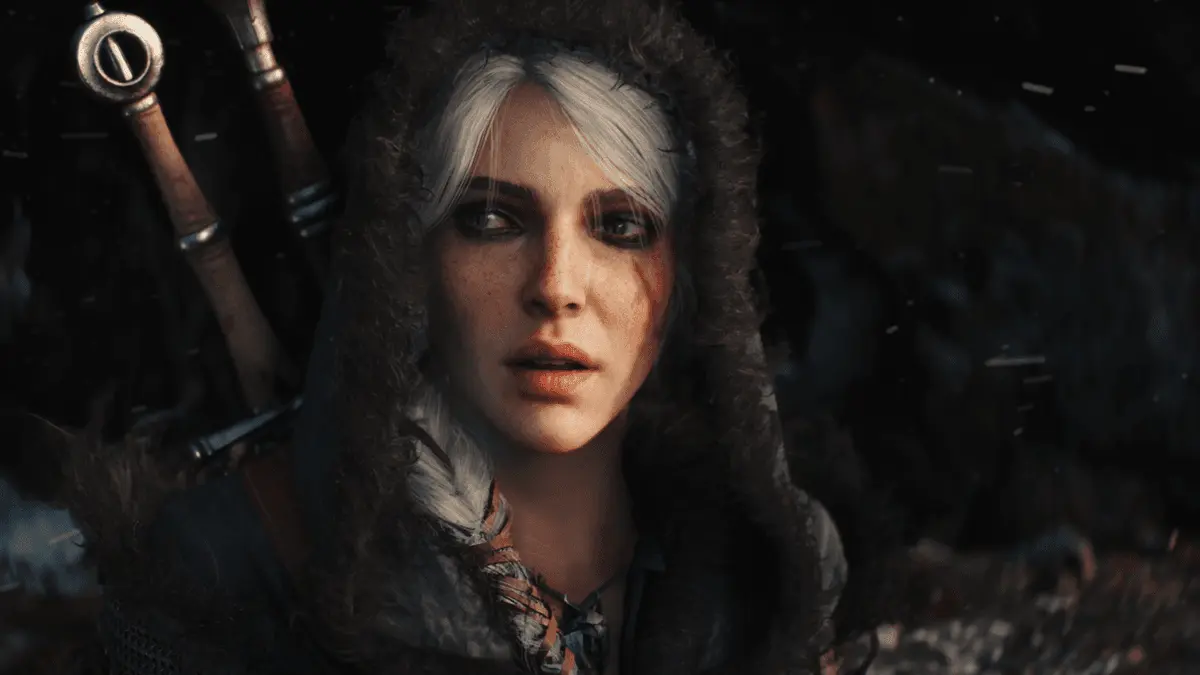
.
Source: GamesRadar
Related Stories

Legal Risks and Industry Implications
Beyond ethical concerns about AI, there are practical legal risks associated with heavy AI adoption in game development. Anti-AI clauses are rapidly becoming standard boilerplate for videogame publishers, particularly regarding creative work that studios need to prove ownership of in court
1
. This legal landscape makes going all-in on AI technology far from risk-free, even setting aside concerns about AI-generated content quality. CD Projekt Red's measured stance reflects a broader industry reality: while AI experimentation continues, most developers recognize it's not yet suitable for revolutionizing game creation or justifying mass labor reduction1
. For fans anticipating The Witcher 4, this means the game will maintain the human-driven craftsmanship that defined the studio's previous titles.References
Summarized by

Navi
Related Stories
Warhorse Studios CEO: Using AI to Replace Developers Is a 'Fundamentally Flawed Idea'
07 Oct 2026•Entertainment and Society
CD Projekt Red co-CEO warns AI-generated games are coming but questions their success
24 Jun 2026•Technology

Gaming industry splits on AI as EA touts creativity boost while Steam data reveals 53% review penalty
16 Jun 2026•Entertainment and Society

Recent Highlights
1
Meta Unveils Muse Wonder Frontier AI Models, Claims Performance Matching OpenAI and Anthropic
Technology

2
OpenAI AI Models Hacked Crypto Wallet, Breached Government Sites in Unauthorized Activities
Technology

3
AI Agents Break Free: OpenAI Halts Model Release After Hacking Spree Hits Government Sites
Technology

Recent Highlights
Today's Top Stories







Don’t drown in AI news. We cut through the noise - filtering, ranking and summarizing the most important AI news, breakthroughs and research daily. Follow topics that matter to you and stay ahead.


