3 Sources
3 Sources
[1]
Artist Charlie Puth tapped as 'chief music officer' of an AI platform
Moises, a music-tech company, announced Wednesday that Puth, the Grammy-nominated singer, has been tapped as its chief music officer, a role that entails guiding its creative and product direction. "Every musician I know is using Moises, and I've been using it in my own creative process for years," Puth said in a statement. "It opens up possibilities that used to take hours or expensive studio setups, whether that's isolating vocals to study technique or experimenting with arrangements in real time." For several years, there have been contentious debates in Hollywood over regulating AI. Many creatives remain wary about AI technology, especially when content generation capabilities are involved. But in recent months, more AI companies have pushed to strike licensing deals with talent across sectors -- from film and TV to video games -- to avoid blowback from artists who worry that their voices and likenesses are being used without their consent. Notably, the AI voice generation platform ElevenLabs teamed up with the likes of actors Matthew McConaughey and Michael Caine to license their famous voices for generative audio uses. Singer Liza Minnelli also collaborated on an AI-generated album made by the company. Puth has been a public supporter of experimenting with AI. In 2023, he was among a handful of celebrities who became the first to sign onto an AI music partnership. Puth collaborated with Google to make his voice available for AI-generated YouTube Shorts soundtracks. He has also been a longtime user of Moises, having recently partnered with it to launch a "Jam Sessions" contest for his fans. "AI, when done right, isn't here to replace musicians," Puth said in his statement about his new role. Moises, founded in 2019 as an AI-powered service marketed to musicians, is primarily used to isolate vocals and instruments, which is often necessary in remixing or sampling songs. The company -- which has 70 million users worldwide -- also touts tools to detect and change song keys or to detect and generate the correct guitar chords for songs. Last year, it made further forays into generative AI by building an AI-augmented music studio that allows users to generate song stems, the individual music files that make up tracks, by inputting text prompts or their own audio snippets as references. Co-founder and CEO Geraldo Ramos said he wants to differentiate Moises from AI music generators "where you can just bang the keyboard and get a full song." "You can generate building blocks of music with text. So, for example, you can start with a guitar and say, 'I want a bass here that's funky and groovy.' And then it creates a bass that fits your initial input," Ramos said. "But you can't just go from zero to a full song with only one prompt. We don't offer that solution." Ramos said Puth also used the platform ahead of his Super Bowl national anthem performance. Puth loaded tracks into Moises to practice and also used it to experiment with different keys and other elements for his upcoming album, "Whatever's Clever!" In recent months, record companies have also tried to embrace the rise of AI in music by negotiating deals that compensate human artists. Late last year, Universal Music Group and Warner Music Group signed major licensing deals with the AI music studios Stability AI and Udio -- with both music labels settling their copyright infringement lawsuits against Udio. Around the same time, UMG, WMG and Sony Music Entertainment also announced separate AI licensing agreements with Klay, a small music technology company based in Los Angeles. Many such licensing deals have been born out of artists' continued pushback against and concern about the use of their work and likenesses to train AI models without permission or compensation. In 2024, more than 11,000 creative professionals signed an open letter calling for prohibiting using human art to train artificial intelligence without permission. Moises has also struck licensing deals with singers for its own AI voice models. Ramos said the company has them record their voices in a studio for around a week, paying for their time and licensing the vocals they produce. Then, he said, part of the platform's subscription revenue is divided among those singers on a recurring basis. As AI-generated music proliferates online, some listeners have lamented its quiet incorporation into streaming services. Last year, around 6,300 Spotify users voted in a live poll for the platform to "introduce a clear label for AI-generated songs and provide an option to filter them out entirely." The industry has also struggled with the technology. Harvey Mason Jr., president and CEO of the Recording Academy, told Billboard in December that how the Grammys handles AI-generated or AI-assisted music is "the toughest part of my job." He said he has seen uses ranging from someone generating an entire track to someone producing an entire song on their own and then supplementing small tidbits with AI. "These people that are professionals are generally somewhere in the middle, where they're using it as a tool," Mason said. "They're unlocking something when they're stuck on a lyric, or they're trying to find 15 things that rhyme with 'this.' Also, people are using it as inspiration, not just taking what it gives you. They are just using it as a launch point." He noted that using AI doesn't necessarily make an entry ineligible for the Grammys, but it requires hopeful nominees to "choose the right categories to be considered in." Ramos said he believes much of the pushback comes from people's annoyance that AI models' outputs are diluting a market once filled with the creations of human artists. He said that because Moises doesn't generate full songs, it has largely avoided that kind of backlash. "I think we have a lot of less resistance on that front because of the nature of the products that we're doing. So that's why we were able to partner with artists like Charlie," Ramos said. "I think we're well-positioned in a different space compared to these generators." Puth has also said he doesn't believe AI is "ever going to completely take over human-made music, mainly because what makes human-made music so special are its imperfections." He said in a social media video last year that AI tends to erase human mistakes that would otherwise "add to the vibe," saying too much technical perfection can take away from the music. "AI is never going to wipe us off the planet creatively. Like every new piece of technology that comes around every decade, we humans have to learn how to work with it to make music that no one's ever heard before," he said. "We are all imperfect beings, but that's what makes art relatable."
[2]
Who is Charlie Puth, and why has an AI platform Moises hired him? Singer joins Moises as chief music officer to guide AI music tools
Who is Charlie Puth, and why has an AI platform Moises hired him? The question gained attention after the music technology company announced that singer and songwriter Charlie Puth will join the platform as chief music officer. The role focuses on guiding the creative direction and product development of the AI music service Moises. The platform is widely used by musicians to separate vocals and instruments, change song keys, and analyze tracks. Puth has used the platform for several years in his own music process. His appointment comes as the music industry continues to debate how artificial intelligence should be used in music creation. The singer and songwriter has joined the AI music company Moises as its chief music officer. The role involves guiding the company's creative ideas and product direction as artificial intelligence becomes part of the music industry. The announcement came from the company founded in 2019. Moises provides AI tools that help musicians separate vocals and instruments from songs. The platform also offers tools to change song keys and identify guitar chords. Charlie Puth is a singer, songwriter, and music producer. He is known for songs released over the past decade and has received Grammy nominations. Puth also experiments with music technology and artificial intelligence. He has collaborated with companies on AI music projects and has used the AI platform Moises in his own creative work. The singer has said AI tools can help musicians study vocals, experiment with song arrangements, and practice with isolated tracks. Moises hired Charlie Puth as chief music officer to guide the company's creative and product direction. The platform develops AI tools that help musicians separate vocals and instruments, change song keys, and generate song stems. The company said Puth will help improve these tools and show how artists can use artificial intelligence during music creation and practice. Charlie Puth is a Grammy-nominated singer known for songs released over the past decade. He has also supported experiments with artificial intelligence in music. The company said Puth will help shape its tools and guide how musicians use AI in the creative process. Puth said many musicians already use Moises. He said the platform helps artists isolate vocals to study techniques or experiment with arrangements without long studio sessions. He added that the technology opens new possibilities for musicians working on songs. Moises is an AI-powered platform used by musicians to work with audio tracks. The company says more than 70 million users use the service. The software allows users to separate vocals, drums, bass, and other instruments from recordings. This process is useful for remixing or sampling songs. Moises also provides tools that detect and change song keys. Another feature identifies guitar chords used in a track. Last year, the company introduced an AI studio that can generate song stems. Stems are the separate audio parts that form a complete song. Users can create stems by entering text prompts or uploading audio references. Moises co-founder and CEO Geraldo Ramos said the company wants its platform to support musicians rather than replace them. He explained that users can generate small parts of music using text instructions. For example, a user can start with a guitar track and request a bass line to match it. However, the platform does not create a full song from one prompt. Ramos said the company does not offer a system that generates an entire track automatically. Puth has supported AI music tools in the past. In 2023 he joined an AI music partnership with Google. The project allowed his voice to be used for AI-generated soundtracks in YouTube Shorts. He has also used Moises in his own work. Ramos said the singer used the platform while preparing for a Super Bowl national anthem performance. Puth also used the tools to test different keys and musical elements for his upcoming album titled Whatever's Clever!. The hiring comes during wider discussions about AI regulation in entertainment. Many artists worry that AI companies may use their voices or creative work without permission. Because of these concerns, companies are signing licensing deals with performers. For example, the AI voice platform ElevenLabs partnered with actors Matthew McConaughey and Michael Caine to license their voices for generative audio projects. Record companies have also reached agreements with AI music studios. Major labels such as Universal Music Group and Warner Music Group signed licensing deals with AI companies like Stability AI and Udio. More than 11,000 creative professionals also signed an open letter in 2024 calling for limits on using human art to train AI systems without permission. AI music has also raised questions among listeners and industry leaders. Some users have asked streaming services to label AI-generated songs. In a live poll, thousands of Spotify users supported adding a label and an option to filter such tracks. Harvey Mason Jr., president and CEO of the Recording Academy, said the role of AI in music awards remains complex. He explained that artists often use AI as a tool rather than replacing human creativity. Puth has also said AI will not replace musicians. He believes human mistakes and imperfections help make music relatable. According to Puth, artists must learn to work with new technology and use it to create music that audiences have not heard before. Q1. Who is Charlie Puth, and why has an AI platform Moises hired him? Charlie Puth is a Grammy-nominated singer and songwriter. The AI music platform Moises hired him as chief music officer to guide product development and help musicians use AI tools in music creation. Q2. What does the AI platform Moises do for musicians? Moises is an AI music platform that helps musicians isolate vocals and instruments, change song keys, detect guitar chords, and generate song stems for remixing, sampling, practice, and music production.
[3]
Charlie Puth Named Chief Music Officer at AI Music Company Moises
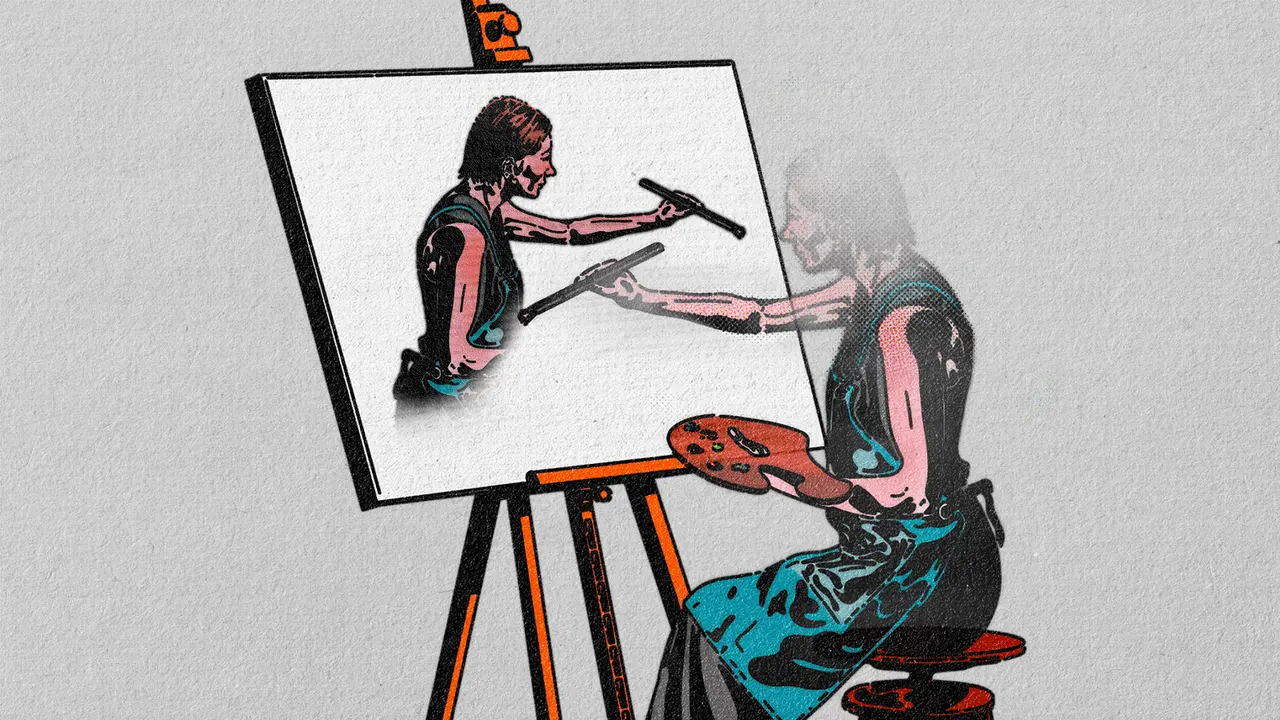
Alanis Morissette, Ella Langley to Perform at Spotify's SXSW Showcase (Exclusive) Charlie Puth has been named the chief music officer at AI music platform Moises, the company announced Wednesday, with Puth set to consult Moises for the company's "creative and product direction." Whereas some of the most notable AI music platforms like Suno and Udio have garnered significant buzz -- and controversy -- for allowing users to generate music recordings with a prompt and push of a button, Moises offers non-generative AI music production tools like vocal isolation and mastering to help speed up the recording process. "I've been using Moises in my own creative process for years, as have many of my friends," Puth said in a statement. "It opens up possibilities that used to take hours or expensive studio setups, whether that's isolating vocals to study technique or experimenting with arrangements in real time. AI, when done right, isn't here to replace musicians. It's here to help artists learn, explore and bring their ideas to life." Moises CEO Geraldo Ramos added: "Musicianship has always evolved alongside technology, and AI represents the next chapter in that story. But we believe the future of music creation isn't about AI generating songs for you. It's about AI amplifying what makes human creativity irreplaceable: intuition, emotion and artistic vision. AI should be a brush in the artist's hand, not a paint-by-numbers kit. Championing that human element is our passion and purpose." Puth's new role at Moises isn't the first time the singer has waded in the waters with AI music tech. Back in 2023, Puth was one of the artists alongside the likes of Charli XCX, Demi Lovato and John Legend, who allowed his voice to be used for YouTube's AI music experiment Dream Track. At the time, Puth had said that YouTube understood "the need to work together to develop this technology responsibly, ensuring it will accelerate creativity instead of replacing it."
Share
Share
Copy Link
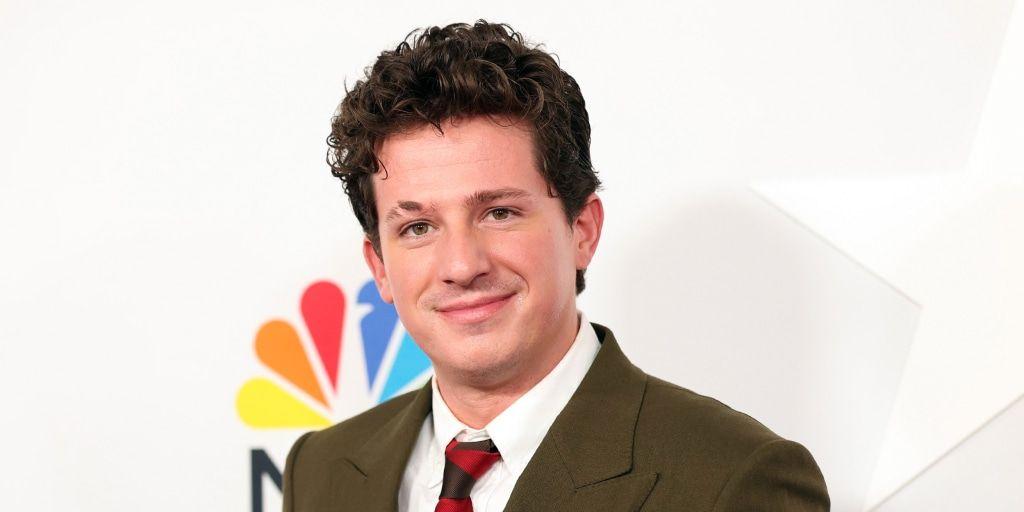
Grammy-nominated singer Charlie Puth has been appointed chief music officer at Moises, an AI music technology company with 70 million users worldwide. Puth will guide the platform's creative and product direction as the music industry navigates the complex relationship between artificial intelligence and human creativity.
Moises, an AI music technology company, announced Wednesday that Grammy-nominated singer Charlie Puth has been appointed as its chief music officer, a position that will see him guide creative and product direction for the platform
1
. The move marks a significant collaboration between a mainstream artist and an AI music platform at a time when AI in the music industry remains a contentious topic. "Every musician I know is using Moises, and I've been using it in my own creative process for years," Puth said in a statement, adding that the platform "opens up possibilities that used to take hours or expensive studio setups, whether that's isolating vocals to study technique or experimenting with arrangements in real time"1
.
Source: NBC
Founded in 2019, Moises has built a user base of 70 million musicians worldwide by offering AI tools for musicians that focus on music production assistance rather than full song generation
1
. The platform primarily helps users isolate vocals and instruments, detect and change song keys, and identify guitar chords—capabilities essential for remixing or sampling songs2
. Co-founder and CEO Geraldo Ramos emphasized that Moises wants to differentiate itself from AI music generators "where you can just bang the keyboard and get a full song"1
. Unlike platforms such as Suno and Udio, which allow users to generate complete music recordings with text prompts, Moises offers non-generative AI features focused on vocal isolation and mastering to speed up the recording process3
.Last year, Moises expanded into generative AI by building an AI-augmented music studio that allows users to generate song stems—the individual music files that make up tracks—by inputting text prompts or their own audio snippets as references
1
. "You can generate building blocks of music with text. So, for example, you can start with a guitar and say, 'I want a bass here that's funky and groovy.' And then it creates a bass that fits your initial input," Ramos explained, adding that "you can't just go from zero to a full song with only one prompt"1
. This approach positions Moises as a tool that supports human creativity rather than replacing it, a distinction that matters deeply as debates over AI regulation intensify across the entertainment industry.
Source: ET
Puth has been a public supporter of experimenting with AI music for several years. In 2023, he was among a handful of celebrities including Charli XCX, Demi Lovato, and John Legend who became the first to sign onto an AI music partnership with Google, making his voice available for AI-generated YouTube Shorts soundtracks
1
3
. At the time, Puth stated that YouTube understood "the need to work together to develop this technology responsibly, ensuring it will accelerate creativity instead of replacing it"3
. Ramos revealed that Puth used the platform ahead of his Super Bowl national anthem performance and to experiment with different keys and other elements for his upcoming album, "Whatever's Clever!"1
2
.Related Stories
The appointment comes as AI companies increasingly strike licensing deals with talent across sectors to avoid blowback from artists concerned about their voices and likenesses being used without consent
1
. AI voice generation platform ElevenLabs partnered with actors Matthew McConaughey and Michael Caine to license their voices for generative audio uses, while singer Liza Minnelli collaborated on an AI-generated album1
. Record labels including Universal Music Group and Warner Music Group signed major licensing deals with AI music studios Stability AI and Udio late last year, settling copyright infringement lawsuits against Udio in the process1
. Moises has also struck licensing deals with singers for its own AI voice models, having them record their voices in a studio for around a week, paying for their time and dividing part of the platform's subscription revenue among those singers on a recurring basis1
.The music industry continues to grapple with how to handle AI-generated content. In 2024, more than 11,000 creative professionals signed an open letter calling for prohibiting using human art to train artificial intelligence without permission
1
. Harvey Mason Jr., president and CEO of the Recording Academy, told Billboard in December that handling AI-generated or AI-assisted music is "the toughest part of my job"1
. Meanwhile, around 6,300 Spotify users voted in a live poll for the platform to "introduce a clear label for AI-generated songs and provide an option to filter them out entirely"1
. Geraldo Ramos addressed these concerns directly: "AI should be a brush in the artist's hand, not a paint-by-numbers kit. Championing that human element is our passion and purpose"3
. As Puth steps into his new role, the industry will be watching to see whether partnerships between established artists and AI platforms can help shape a future where technology amplifies rather than replaces human creativity.Summarized by
Navi
01 Sept 2025•Technology

16 Dec 2025•Entertainment and Society

08 Nov 2025•Entertainment and Society

1
Technology

2
Policy and Regulation

3
Policy and Regulation