China halts helium exports as Middle East conflict threatens AI chip manufacturing supply chains


3 Sources
[1]
China Temporarily Bans Helium Exports as US-Iran Tensions Flare Again
BEIJING, July 10 (Reuters) - China announced on Friday a temporary export ban on helium, effective immediately, as resumption of military conflict in the Middle East threatens to trigger new shortages of the gas critical for chip manufacturing. Earlier this year, the U.S.-Israeli war on Iran
[2]
Intel CEO Lip-Bu Tan Warned Helium Could Choke AI Chips in June, and China's Export Ban Might Prove Him Right
In a surprising move, China has decided to restrict global helium supplies. The export ban appears to be blanket, but given China's limited market share of the global helium industry, it is unlikely to cause significant disruption in the semiconductor fabrication industry. Estimates from the US
[3]
China temporarily bans helium exports as US-Iran tensions could trigger shortages
BEIJING, July 10 - China announced on Friday a temporary export ban on helium, effective immediately, as resumption of military conflict in the Middle East threatens to trigger new shortages of the gas critical for chip manufacturing. Earlier this year, the U.S.-Israeli war on Iran led to helium
Share
Copy Link
China announced an immediate temporary ban on helium exports as renewed US-Iran military conflict threatens global supplies of the gas critical for semiconductor production. The country imports around 85% of its helium needs but has become a key intermediary for Russian helium re-exports to Europe, raising concerns about tightening global availability.
China Temporarily Bans Helium Exports to Prevent Domestic Shortages
China announced on Friday an immediate temporary export ban on helium, marking the latest effort by Beijing to prevent domestic shortages of critical materials as renewed military conflict in the Middle East threatens global supply chains
1
. The decision comes as US-Iran tensions have flared again, with earlier hostilities this year already causing helium shortages that disrupted companies globally, including those in China where the AI industry increasingly relies on domestic chips for training and running AI models .
Source: New York Post
The helium ban follows similar measures Beijing has imposed on fuel, fertilizers, and sulphuric acid as the country seeks to secure critical resources for its expanding AI chip manufacturing sector
1
. China is also working to boost domestic chip manufacturing capacity and reduce dependence on cutting-edge Nvidia semiconductors that fall under US export controls.Global Helium Supplies Face Additional Pressure Despite China's Limited Production
While China ranked sixth in global helium production as of March 2026 with three million cubic meters for a 1.6% market share, the export ban could still squeeze global helium supplies further
2
. Chinese companies have increasingly acted as intermediaries, importing Russian helium and re-exporting volumes to overseas markets, including Europe1
.Analysts estimate China imports around 85% or more of its helium requirements, with Qatar accounting for a major share of global helium output and supplying more than half of China's imports in recent years . Data from the US Geological Survey shows the US leads global production with 81 million cubic meters, followed by Qatar and Russia
2
.Critical Role of Helium in Semiconductor Manufacturing and AI Hardware
Helium plays an essential role in semiconductor fabrication, used for wafer cooling, plasma etching, chemical vapor deposition, atomic layer deposition, lithography support, and leak detection
1
. The gas also performs the critical function of cooling advanced extreme ultraviolet lithography (EUV) machines in the first stage of the manufacturing process2
.Helium is extracted from natural gas fields with unusually high helium concentrations and cannot be quickly manufactured from other industrial processes, making supply chain bottlenecks particularly concerning . A disruption in the helium market could have serious implications for chip production at a time when demand is already high due to the multi-billion-dollar artificial intelligence buildout.
Related Stories
Intel CEO Warned About Helium Supply Chain Risks
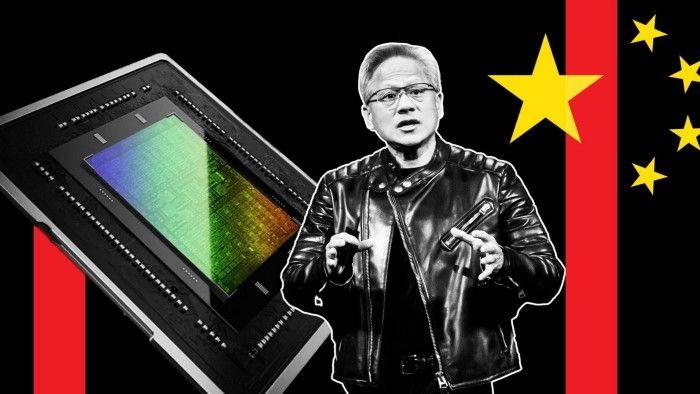
Intel CEO Lip-Bu Tan had already flagged potential helium disruptions earlier this year. Speaking in a podcast in June, Tan discussed supply chain bottlenecks affecting the semiconductor industry: "And I think couple of bottlenecks for the AI demand and growth. One of course is everybody knows power constraint. Some country the power they just don't have that...and then secondly, a lot of people didn't realize, the helium impact can be also quite significant for the semiconductor"
2
.
Source: Wccftech
US sanctions on China have meant the country has had to rely more on domestic chip production capabilities rather than importing the latest products from countries suchs as Taiwan. With its domestic chip sector unable to meet global peers in scale, the criticality of uninterrupted supplies is even higher for China, particularly as Middle East tensions continue to create geopolitics-driven uncertainty around resource availability
2
.References
Summarized by

Navi
Related Stories
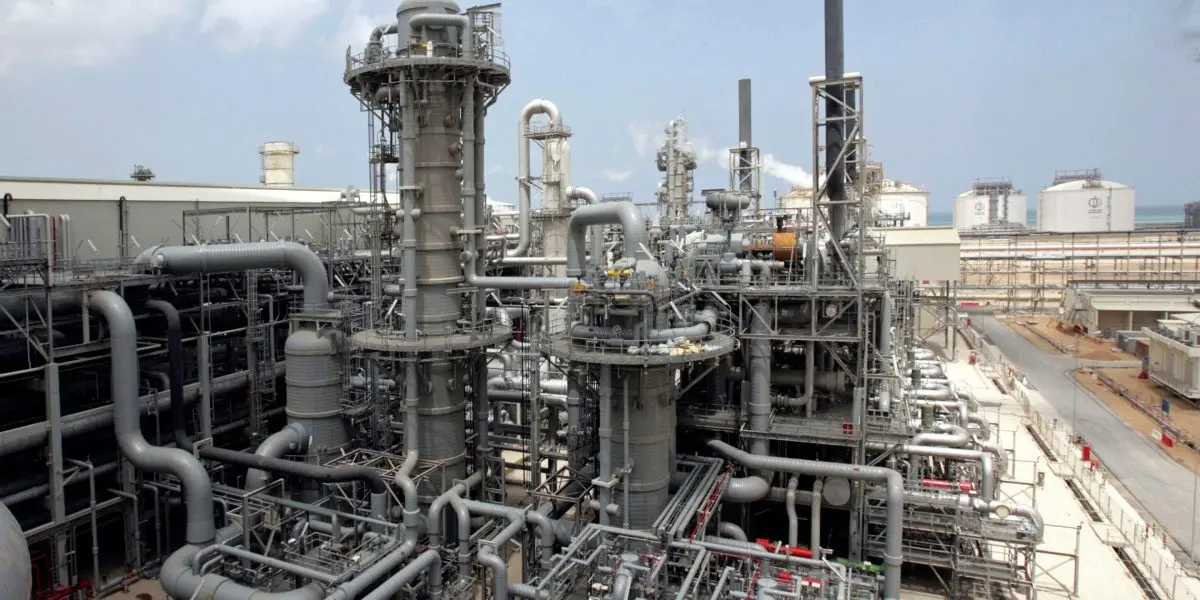
Qatar's Helium Crisis Threatens Chip Supply Chains as Iran Strikes Cut Off Third of Global Supply
21 Mar 2026•Business and Economy
Global Helium Demand Set to Double by 2035 Amid Semiconductor Industry Boom
10 Sept 2024

US Imposes New Export Controls on China's Semiconductor Industry
28 Nov 2024•Policy and Regulation

Recent Highlights
1
Microsoft and Nvidia Launch Surface Laptop Ultra: A $2,599 AI-Ready PC With RTX Spark Chip
Technology

2
Meta Muse AI Agent Surges to 6.6M Downloads Despite Privacy and Security Controversies
Technology

3
Scientists Build AI Model That Reconstructs Images From Brain Scans in Record Time
Science and Research

Recent Highlights
Today's Top Stories










Don’t drown in AI news. We cut through the noise - filtering, ranking and summarizing the most important AI news, breakthroughs and research daily. Follow topics that matter to you and stay ahead.


