Chinese military acquired Nvidia AI chips despite US export controls, research reveals


2 Sources
[1]
Chinese military has been acquiring Nvidia chips, even post-Washington export controls, research claims -- multiple institutions linked to the PLA asked for Nvidia AI chips, according to publicly available documents
Wirescreen, a business-intelligence outfit that looks into Chinese firms, says that the People's Liberation Army (PLA) has been actively purchasing Nvidia AI chips even after the White House applied export controls on the most powerful semiconductors. According to The New York Times, public
[2]
Chinese labs with ties to military seeking Nvidia's AI chips
At least seven Chinese universities that support the country's armed forces and defense industry are seeking access to Nvidia's H200 chips, the most powerful artificial intelligence processors ever allowed by the U.S. to be sold in China, according to a review of procurement records. Two of the
Share
Copy Link
Research from Wirescreen reveals the People's Liberation Army has been acquiring Nvidia chips including A100, H100, and H200 models even after Washington imposed export controls in 2022. Public procurement documents show approximately 500 instances where Chinese military units sought advanced AI hardware, with Chinese labs with ties to military now pursuing access to H200 chips.
Chinese Military Pursued Nvidia AI Chips After 2022 Ban
The People's Liberation Army has been actively acquiring Nvidia AI chips despite US export controls implemented in 2022, according to research from Wirescreen, a business-intelligence firm investigating Chinese companies
1
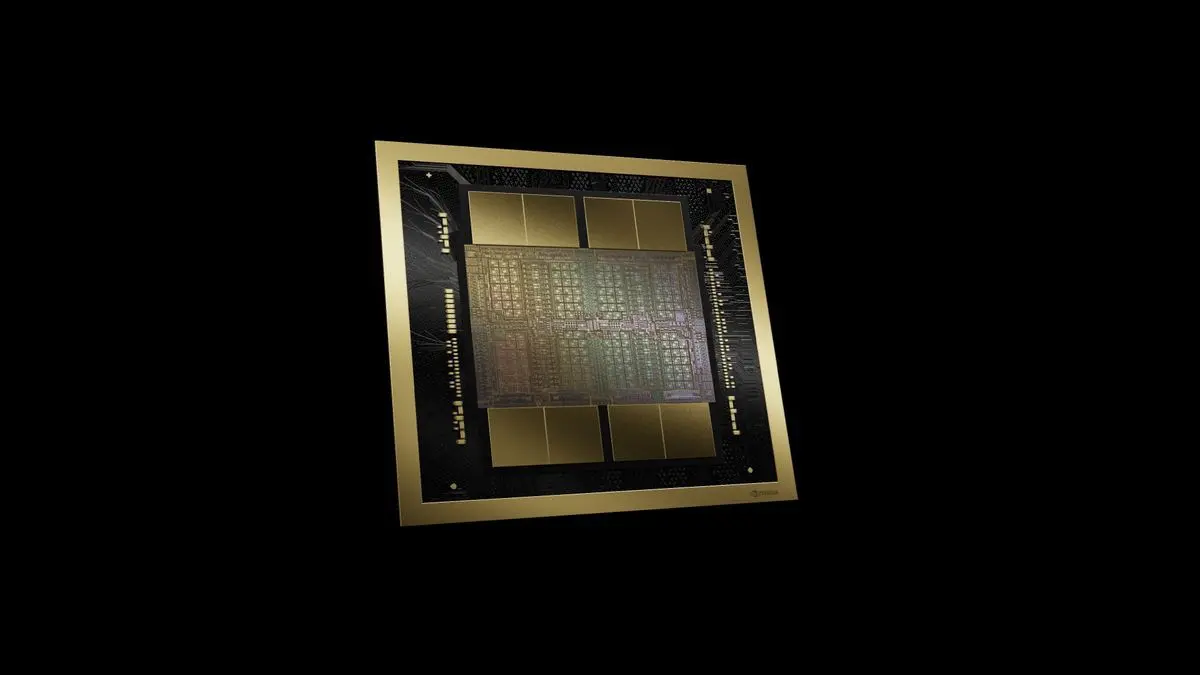
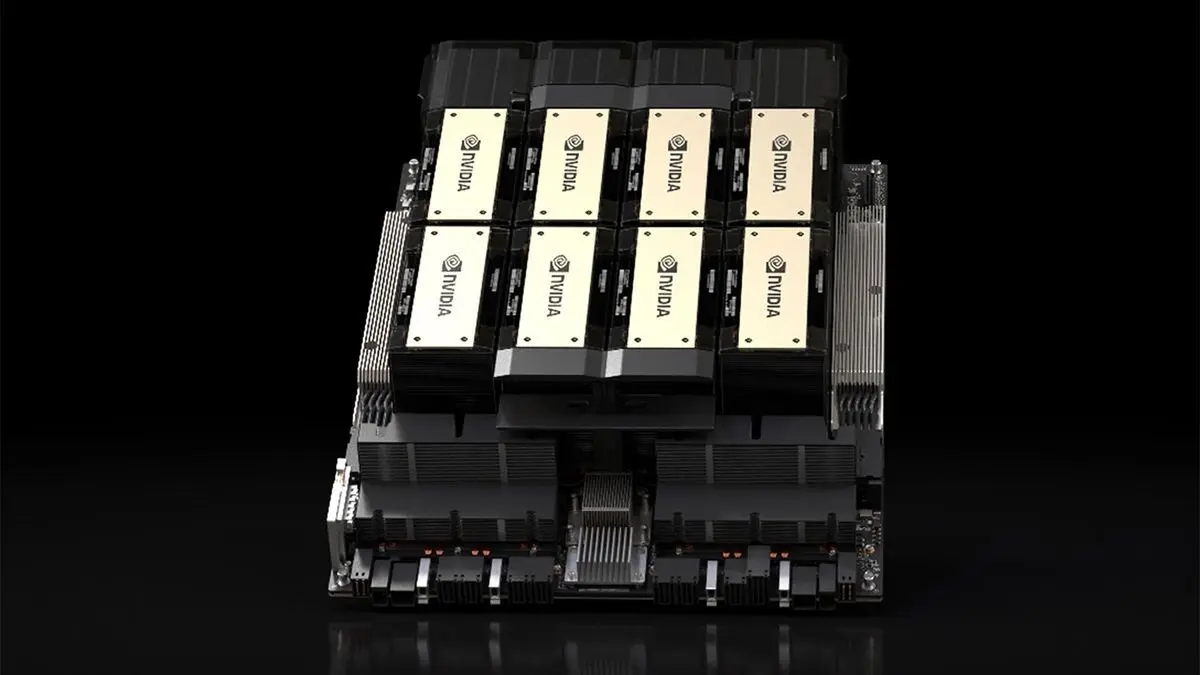
. Public procurement documents reviewed by The New York Times reveal that the Chinese military sought to obtain Nvidia A100, A800, H100, and H800 chips from 2019 through 2025, sometimes listing specific model names and other times identifying them through technical specifications1
.
Source: Tom's Hardware
Out of 3,800 procurement records relating to high-end chips and computing, approximately 500 instances showed PLA acquiring Nvidia chips through various channels
1
. Nearly every branch of China's military appeared in these records, including units focused on nuclear explosive simulations, war games, and cyberattacks. In one notable case, a cyber security unit sought Nvidia A100-powered AI servers specifically for a password-cracking tool called hashcat1
.Washington Export Controls Failed to Stop Advanced AI Hardware Access
The White House first imposed Washington export controls on AI chips in 2022, citing concerns that the Chinese military was using them to advance military research
1
. The restrictions made it illegal to ship advanced AI chips to China without a license, which is almost always denied. However, a critical loophole existed: while exporting these chips became illegal, buying and using them within China remained legal at that time1
.This regulatory gap created lucrative opportunities for chip smuggling operations. Multiple reports documented enterprising individuals routing shipments through Singapore, Malaysia, Thailand, Taiwan, and Japan to circumvent US export controls
1
. Even Supermicro's co-founder, Yih-Shyan "Wally" Liaw, faced accusations of smuggling $2.5 billion worth of Nvidia AI servers to China1
.Chinese Labs with Ties to Military Now Seeking H200 Chips
At least seven Chinese universities supporting the country's armed forces and defense industry are now seeking access to Nvidia's H200 chips, the most powerful processors ever allowed by the US to be sold in China
2
. Two institutions—Beihang University and Northwestern Polytechnical University (NWPU)—rank among China's "Seven Sons of National Defense," an elite group dedicated to aiding the military. Both have been blacklisted by the US Commerce Department for their work advancing China's military capabilities2
.Procurement documents show that Beihang's School of Cyber Science and Technology, which claims "national defense characteristics and aerospace advantages," is pursuing a lease to use the H200 chips
2
. NWPU's School of Cyberspace Security is also seeking to rent access to H200s, with the school stating it carries out important national cyber tasks and maintains a national defense innovation team2
.Related Stories

Jensen Huang's Opposition and Policy Shifts
Nvidia CEO Jensen Huang has consistently opposed export controls, arguing that the US should allow its hardware to be used globally so technological advancements remain anchored on American AI infrastructure
1
. Huang warned that bans would backfire by forcing Chinese companies to innovate independently, which has indeed occurred as domestic chip manufacturers slowly catch up with American performance standards1
.
Source: Japan Times
Huang also claimed the Chinese military would avoid US tech just as the US avoids Chinese-made hardware, but the procurement documents suggest otherwise . Nvidia spokesperson John Rizzo countered that advanced AI systems typically require at least 100,000 chips, suggesting the quantities in procurement documents represent a minuscule amount
1
.President Donald Trump made a significant policy reversal in late 2025, allowing Nvidia to secure export licenses for the H200 years after it was first banned
1
. However, some Republican lawmakers are now pushing for legislation that would give Congress power to control AI chip exports. Meanwhile, Beijing has commanded its customs officers to intercept H200 and even the RTX 5090D V2 at the border in an attempt to bolster domestic semiconductor production1
.References
Summarized by

Navi
[2]
Related Stories
Chinese universities with military ties acquired Super Micro servers with sanctioned Nvidia AI chips
27 Mar 2026•Policy and Regulation
Nvidia DeepSeek controversy erupts as US lawmaker links technical support to China military AI
29 Jan 2026•Policy and Regulation
$4.6 Billion in Export-Restricted Nvidia AI Chips Smuggled Into China Despite U.S. Controls
18 Sept 2026•Policy and Regulation
Recent Highlights
1
Microsoft and Nvidia Launch Surface Laptop Ultra: A $2,599 AI-Ready PC With RTX Spark Chip
Technology

2
Meta Muse AI Agent Surges to 6.6M Downloads Despite Privacy and Security Controversies
Technology
3
Scientists Build AI Model That Reconstructs Images From Brain Scans in Record Time
Science and Research

Recent Highlights
Today's Top Stories







Don’t drown in AI news. We cut through the noise - filtering, ranking and summarizing the most important AI news, breakthroughs and research daily. Follow topics that matter to you and stay ahead.


