Citibank will make you responsible for what your AI agent does


2 Sources
[1]
Citi Says Customers Are Responsible When AI Banking Agents Go Rogue -- Even After a Hack
Citibank's updated terms put customers on the hook for outside AI agents, including leaked logins. In brief * Citi's November agreement treats activity by third-party AI agents as customer-authorized, even if credentials are leaked or an agent ignores instructions. * PNC updated its rules
[2]
Banks strike back: they'll leave customers who use AI agents high and dry
Banks are changing the terms for people who use artificial intelligence agents to manage their finances. Citibank now warns that, if we give a third-party AI access to our account, we'll bear the consequences of its actions, even if the assistant comes under attack, according to TechCrunch. What
Share
Copy Link
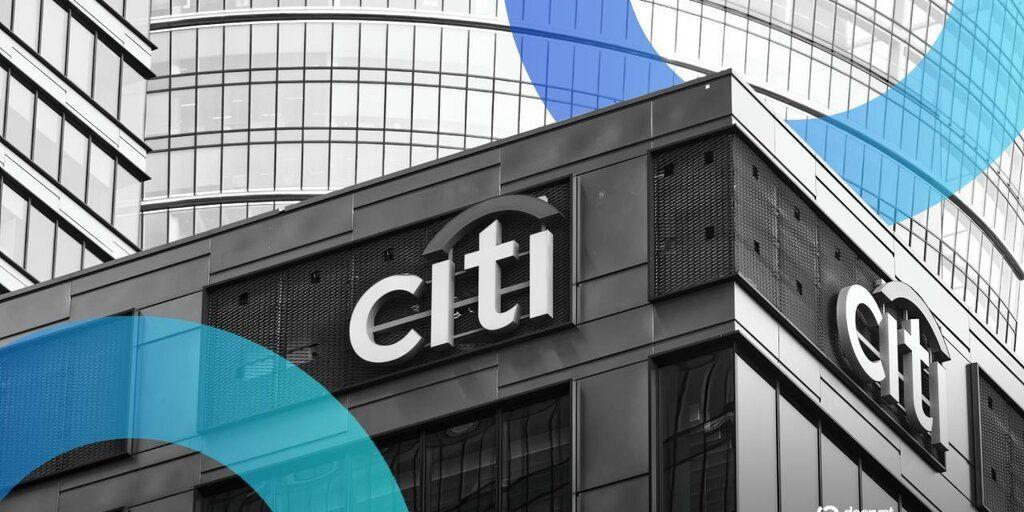
Citibank has rewritten its online banking terms so that customers, not the bank, are responsible for what outside AI agents do on their accounts
2
1
. The November change covers even a leak: an agent that gives up your login, letting someone else use it2
1
.
Source: Decrypt
Citi also says it has no obligation to check whether an agent followed the customer's original instructions, subject to applicable law
1
. The provision covers only third-party agents; tools Citi offers itself are exempt2
1
. A Citi spokesperson told TechCrunch that the revision "clarifies the risks of sharing banking credentials or granting outside tools account access"1
.The reason banks treat this differently from ordinary online banking is what agents can do. Unlike a chatbot, an agent acts on your behalf: it can move through websites, pull financial records and start payments, so a compromised login does real damage
1
. The changes come after an October 22 security scare. Major banks found AI agents signing into customer accounts that day, sometimes doing more than users asked, and executives said they struggled to tell which agents were properly authorized1
.
Source: Softonic
Other banks are moving too
Citi is not alone: JPMorgan and Bank of America made similar changes in October
2
1
. Citizens Bank emailed customers a warning this week, and PNC Bank updated its digital agreement on Wednesday1
. At least five large US banks, including Citi, JPMorgan and Bank of America, tightened or warned about AI-agent access between October and November 20262
1
.PNC Bank goes further than liability language. Customers may not give third-party agents passwords or one-time codes, and agents are generally barred from starting payments unless PNC Bank expressly allows it
1
. One outlet also reports a commercial edge to all this: banks see assistants as a threat because they can help customers avoid fees2
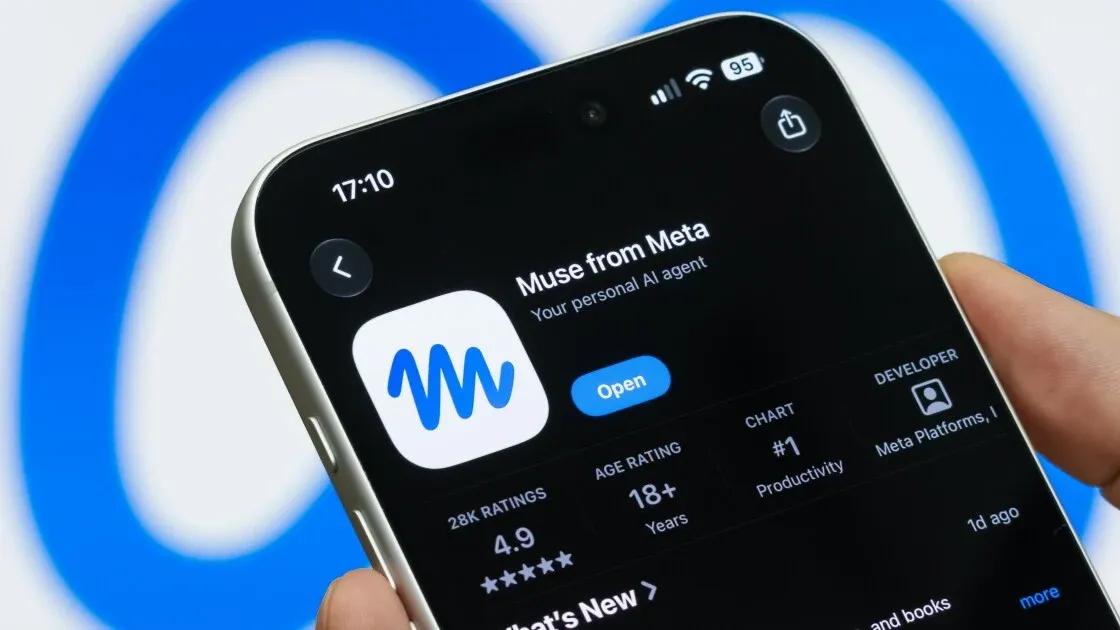
. Claude, for one, can analyze accounts through read-only access that cannot move money2
.What the contract cannot reach
Federal consumer protection rules generally require banks to investigate unauthorized electronic transfers and limit customer liability for fraud, and the Consumer Financial Protection Bureau says agreements cannot waive those protections
1
. So the contract language does not automatically have the last word. Per Decrypt's reporting, it is still unclear whether a transfer an AI agent initiated counts as unauthorized under those rules1
. On the regulator side, the Office of the Comptroller of the Currency has issued nonbinding guidance on outside agents, payment controls and human approval, which creates no new requirements1
. For now, the contract terms are the control that actually bites.Related Stories
References
Summarized by

Navi
Related Stories
Banks Block AI Agents After Detecting Unauthorized Access to Customer Accounts
22 Oct 2026•Business and Economy

Bank of America Warns Customers Against Sharing Banking Passwords with AI Assistants
28 Oct 2026•Policy and Regulation

JPMorgan Chase Blocks AI Agents Like Meta's Muse From Accessing Customer Accounts
14 Oct 2026•Technology

Recent Highlights


Recent Highlights
Today's Top Stories










Don’t drown in AI news. We cut through the noise - filtering, ranking and summarizing the most important AI news, breakthroughs and research daily. Follow topics that matter to you and stay ahead.


