Congress Moves to Make Tech Companies Pay AI Data Center Energy Costs as Bills Surge 267%


2 Sources
[1]
Tech companies would have to pay AI data center energy costs under bill moving in Congress
The House of Representatives on Wednesday will begin consideration of a bill to force tech companies to pay for artificial intelligence's strain on the power grid, as voters across the country express dissatisfaction with data centers driving up utility costs. The House Energy and Commerce
[2]
House votes on AI data centre energy costs bill
Congress is moving to stop households paying for Big Tech's AI power bills. A House panel votes this week on a package of measures to put AI data centre energy costs back on the companies that create them. Congress is moving to stop households paying for Big Tech's AI power bills. A House panel
Share
Copy Link
The U.S. House of Representatives begins debate on legislation requiring tech companies to cover the energy costs of AI data centers. The Ratepayer Protection Act would force Big Tech to pay for grid upgrades as voters express anger over electricity bills that have risen as much as 267% near data center hubs over five years.

Congress Targets Big Tech Over Rising Utility Costs
The U.S. House of Representatives is taking its first concrete steps to address a growing public anger: skyrocketing electricity bills driven by AI data centers. The House Energy and Commerce Committee's energy subpanel is scheduled to debate and vote on the Ratepayer Protection Act, a bipartisan bill that would require tech companies pay for grid upgrades needed to power their massive facilities
1
. The legislation, formally designated as H.R. 9340, represents one of the first attempts by Congress to force companies like Amazon, Google, Meta, Microsoft, and Elon Musk's xAI to shoulder the financial burden of their AI infrastructure energy strain2
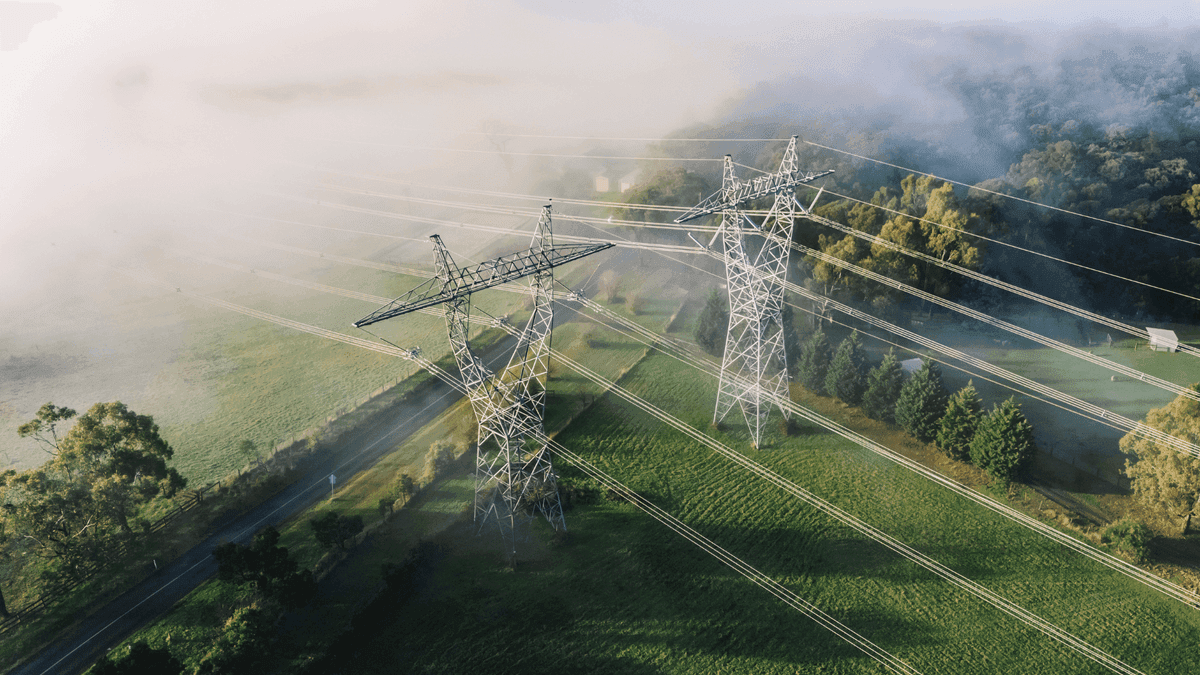
.The urgency behind this legislative push is clear in the numbers. Electricity bills near major data center hubs have surged by as much as 267% over five years, while AI data centers now consume 4% to 5% of all U.S. electricity—a share climbing rapidly
2
. When utilities spend billions to wire up a data center, those costs can land on every customer's monthly statement, leaving families and small businesses to subsidize Big Tech's expansion.How the Ratepayer Protection Act Would Work
The bill would amend a 1978 utility law to create a "large load standard" requiring data center builders to pay the full, incremental cost of grid upgrades built to serve them
1
. The mechanism targets any non-residential site drawing 100 megawatts or more, a threshold designed to capture large AI data centers while avoiding smaller operations2
. The legislation even covers stranded costs, ensuring that a customer who walks away still pays for upgrades built on its behalf.Sponsored by Rep. Gabe Evans, R-Colo., and Rep. Kathy Castor, D-Fla., the bill codifies principles from President Trump's "Ratepayer Protection Pledge," under which Big Tech firms promised to cover their own data centre energy costs
2
. House Energy and Commerce Chair Brett Guthrie, R-Ky., framed the issue plainly: "Families and small businesses across the country shouldn't be left to foot the bill for this new development, though the benefits of these innovations will be felt by all of society"1
.A Broader Package Targeting Electricity Demand
The Ratepayer Protection Act headlines a broader package of measures addressing massive electricity consumption by AI infrastructure. A companion bill, the Protecting Families from AI Data Center Energy Costs Act (H.R. 6529), introduced by Rep. Greg Landsman, D-Ohio, would direct federal energy regulators to convene utilities, regulators, and consumer advocates to work out how to shield residents from rising bills
2
.Additional measures focus on grid infrastructure, including the Load Forecasting Enhancement Act and the Advanced Transmission Technology to Reduce Rates Act. These bills would push regulators to improve electricity-demand forecasting and test AI tools for running transmission lines more efficiently
2
. Together, they form Congress's answer to a boom straining the system.Related Stories

Political Momentum Behind the Bills
The legislation arrives months before midterm elections, where voters will decide whether to shift control of Washington away from President Trump and the Republican Party
1
. The bipartisan support marks an unusual moment. Rep. Castor noted that Republicans are responding to "populist anger" from voters: "The public is up in arms. They are very wary of paying any more for electricity"2
.Chair Guthrie emphasized the national stakes: "America must win the race for AI dominance with China," while simultaneously protecting ratepayers from higher electricity prices
2
. That anger is already showing up on the ground, where grassroots campaigns have blocked dozens of data center projects worth billions as communities push back on the strain.What Comes Next
The subcommittee markup scheduled for Wednesday afternoon in the Rayburn building is just the start of a long legislative road
2
. Federal energy regulators are moving in parallel, having recently ordered grid operators to show they can prevent utilities and AI firms from shifting costs onto ordinary customers. The bills would lock that principle into law. Whether this legislative push can balance AI ambitions with public frustration over energy costs will determine if tech companies truly shoulder the weight of their infrastructure—or if ratepayers continue to carry it.References
Summarized by

Navi
[2]
Related Stories
House Passes Bill to Make AI Data Centers Pay for Grid Upgrades as Utility Costs Spark Voter Backlash
16 Sept 2026•Policy and Regulation
Anthropic pledges to cover electricity costs driven by its AI data centers
11 Feb 2026•Business and Economy

Senators probe tech giants as AI data centers drive electricity costs up, communities fight back
16 Dec 2025•Policy and Regulation
Recent Highlights



Recent Highlights
Today's Top Stories













Don’t drown in AI news. We cut through the noise - filtering, ranking and summarizing the most important AI news, breakthroughs and research daily. Follow topics that matter to you and stay ahead.


