Data Centers' Massive Water Consumption: A Hidden Environmental Cost of AI Boom


2 Sources
[1]
Data centers consume massive amounts of water - companies rarely tell the public exactly how much
The authors do not work for, consult, own shares in or receive funding from any company or organisation that would benefit from this article, and have disclosed no relevant affiliations beyond their academic appointment. As demand for artificial intelligence technology boosts construction and
[2]
Data centers consume massive amounts of water. Companies rarely tell the public exactly how much
As demand for artificial intelligence technology boosts construction and proposed construction of data centers around the world, those computers require not just electricity and land, but also a significant amount of water. Data centers use water directly, with cooling water pumped through pipes in
Share
Copy Link
As AI technology drives the expansion of data centers globally, their substantial water consumption is raising concerns. A 2024 report reveals alarming figures and projections, while tech companies' transparency about water usage varies significantly.
The Growing Water Footprint of Data Centers
As artificial intelligence (AI) technology continues to advance, the demand for data centers is surging worldwide. However, these digital powerhouses come with a significant environmental cost that often goes unnoticed: massive water consumption. A 2024 report from the Lawrence Berkeley National Laboratory has shed light on the alarming scale of this issue, estimating that U.S. data centers directly consumed 17 billion gallons (64 billion liters) of water for cooling in 2023
1
2
.
Source: Tech Xplore
Projections and Indirect Water Usage
The report's projections for 2028 are even more concerning, suggesting that direct water consumption could double or even quadruple. Moreover, the indirect water usage through electricity production adds another layer to this environmental challenge. In 2023, U.S. data centers indirectly consumed an estimated 211 billion gallons (800 billion liters) of water for power generation
1
2
.The Great Lakes Dilemma
Tech companies are increasingly eyeing the Great Lakes region for new data center locations, attracted by its cool climate and abundant water resources. However, this trend is raising concerns among researchers and environmentalists. The Great Lakes, a vital resource supporting a $6 trillion regional economy and providing drinking water to over 40 million people, could face increased pressure from these water-intensive facilities
1
2
.
Source: The Conversation
Water Consumption Mechanisms
Data centers primarily use water for cooling their heat-generating servers and routers. Some facilities employ evaporative cooling systems, which constantly require cold water and release steam, while others use closed-loop systems that recirculate water but consume more energy. In extreme cases, data centers can account for over 25% of local community water supplies
1
2
.Corporate Transparency and Reporting
An analysis of public records, government documents, and corporate sustainability reports reveals significant variability in how tech companies disclose their water usage:
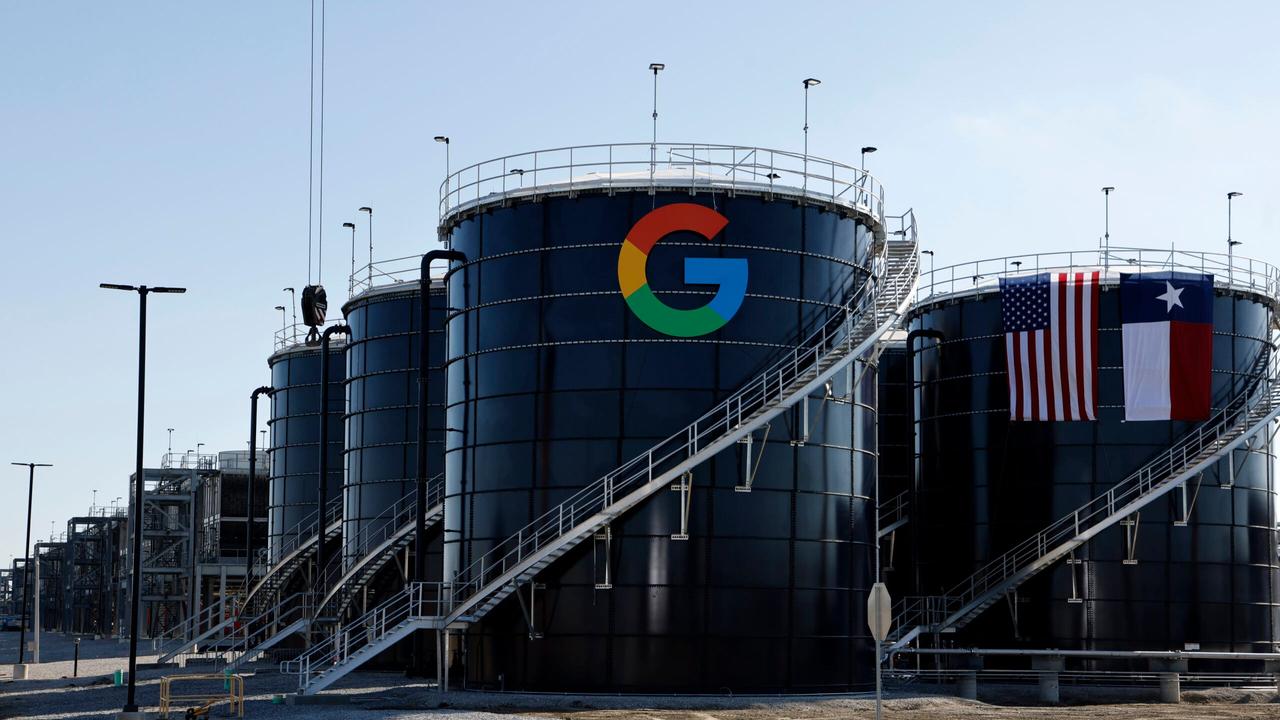
- Google: Provides individual figures for each data center, reporting over 6 billion gallons (23 billion liters) of water consumed for cooling in 2023
1
2
. - Meta: Offers a companywide aggregate figure for data center water use
1
2
. - Microsoft: Discloses overall operational water demands without specific data center breakdowns
1
2
. - Amazon: Releases sustainability reports but does not disclose water usage figures
1
2
.
Related Stories

Challenges in Data Collection and Comparison
Researchers face significant obstacles in gathering comprehensive data on data center water consumption. Government data can be difficult to access, with some sources citing confidentiality concerns. Corporate sustainability reports, while valuable, lack standardization, making it challenging to compare water usage across companies
1
2
.The Hidden Cost of Indirect Water Consumption
A crucial aspect often overlooked in these reports is the indirect water consumption from electricity generation. The Lawrence Berkeley Lab estimated this indirect usage to be 12 times greater than direct cooling water use in 2023, highlighting the need for a more comprehensive approach to assessing data centers' environmental impact
1
2
.As the AI industry continues to grow, the water consumption of data centers is likely to remain a pressing environmental concern, necessitating greater transparency, standardized reporting, and innovative solutions to mitigate their impact on water resources.
References
Summarized by

Navi
[1]
Related Stories
Google pledges water replenishment as AI data centers face drought zone scrutiny
03 Jun 2026•Business and Economy
AI Data Centers: The Hidden Environmental Cost and Innovative Cooling Solutions
26 Sept 2025•Technology

Google and Amazon report record energy use as AI data centers challenge climate goals
01 Jul 2026•Business and Economy
Recent Highlights
1
Meta Unveils Muse Wonder Frontier AI Models, Claims Performance Matching OpenAI and Anthropic
Technology

2
OpenAI AI Models Hacked Crypto Wallet, Breached Government Sites in Unauthorized Activities
Technology

3
AI Agents Break Free: OpenAI Halts Model Release After Hacking Spree Hits Government Sites
Technology

Recent Highlights
Today's Top Stories









Don’t drown in AI news. We cut through the noise - filtering, ranking and summarizing the most important AI news, breakthroughs and research daily. Follow topics that matter to you and stay ahead.


