DeepSeek's R2 AI Model Delayed: Huawei Chip Challenges Highlight China's Tech Dilemma


10 Sources
[1]
DeepSeek delays next AI model due to poor performance of Chinese-made chips
Chinese artificial intelligence company DeepSeek delayed the release of its new model after failing to train it using Huawei's chips, highlighting the limits of Beijing's push to replace US technology. DeepSeek was encouraged by authorities to adopt Huawei's Ascend processor rather than use
[2]
Dodgy Huawei chips nearly sunk DeepSeek's next-gen R2 mode
Chinese AI model dev still plans to use homegrown silicon for inferencing Unhelpful Huawei AI chips are reportedly why Chinese model dev DeepSeek's next-gen LLMs are taking so long. Following the industry rattling launch of DeepSeek R1 earlier this year, the Chinese AI darling faced pressure from
[3]
From hype to headaches - DeepSeek trips over Huawei chips and watches rivals seize the chance
Alibaba's Qwen3 exploits DeepSeek's delays, incorporating core algorithms while improving efficiency and flexibility Chinese AI giant DeepSeek has apparently encountered unexpected delays in releasing its latest model, R2, after facing persistent technical difficulties with Huawei's Ascend
[4]
DeepSeek R2 model release reportedly held back by faulty Huawei chips - SiliconANGLE
DeepSeek R2 model release reportedly held back by faulty Huawei chips China's leading artificial intelligence startup DeepSeek Ltd., which took the industry by storm earlier this year, was reportedly forced to delay the release of its upcoming R2 model after struggling to train it using chips
[5]

Huawei pressure blamed for DeepSeek's next-gen AI model delay
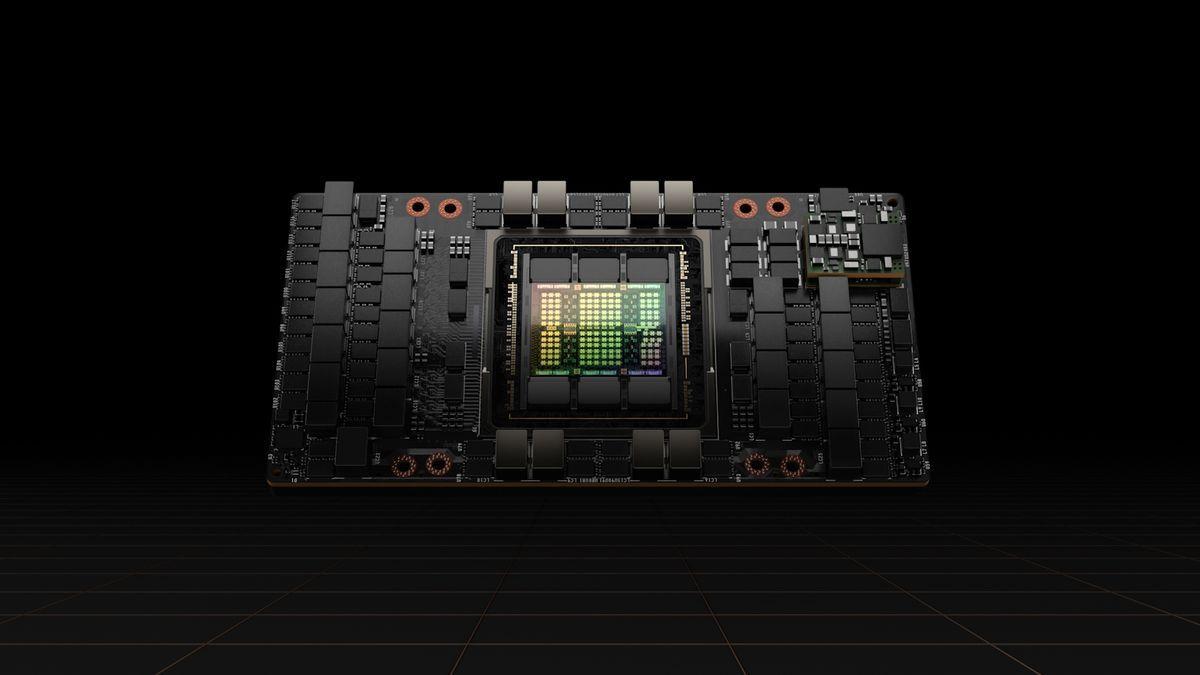
TL;DR: DeepSeek's next-generation AI model, R2, faces significant delays due to unstable Huawei Ascend 910C chips and immature software, hindering development and training. Originally set for May 2025, the company is now shifting to NVIDIA H20 GPUs amid trade restrictions easing, aiming to meet
[6]

DeepSeek delays R2 model launch over Huawei chip issues
DeepSeek, a prominent Chinese AI company, faced unexpected delays in releasing its R2 model due to persistent technical difficulties encountered with Huawei's Ascend chips. Chinese authorities had encouraged DeepSeek to utilize domestic processors over Nvidia's H20 systems. Despite on-site
[7]

Seven months after stunning the world, China's DeepSeek AI leans on US technology for critical upgrade
China's Revolutionary DeepSeek Turns to American Hardware for Upgrade- China's much-hyped DeepSeek project, once touted as a breakthrough in homegrown AI independence, has quietly circled back to American hardware after its gamble on Huawei's Ascend chips fell short. Engineers found the Chinese
[8]
Has Chinese AI sensation DeepSeek lost its mojo to rivals? Delays in R2 launch raise big questions amid fierce rivalry
DeepSeek stalls on Huawei chips after months of hype, exposing the fragile state of China's push for AI self-reliance. The company's attempt to train its R2 model on Huawei's Ascend processors collapsed under technical problems, from unstable chip performance to weak software support. What was
[9]

DeepSeek's R2 AI Model Is Reportedly Delayed After Chinese Authorities Encouraged the Firm to Use Huawei's AI Chips; Beijing Is Still in Desperate Need of NVIDIA's Alternatives
Well, relying on Huawei's AI chips didn't go well for DeepSeek, as the AI firm has failed to train the R2 model on Chinese chips and is now opting for NVIDIA instead. The Chinese AI industry has relied heavily on NVIDIA and its AI ecosystem since the start of the hype. When the more recent US
[10]

DeepSeek's Latest AI Model Delayed After Huawei Chips Fail Amid China's Push To Reduce Reliance On US Companies Like Nvidia: Report - NVIDIA (NASDAQ:NVDA), Advanced Micro Devices (NASDAQ:AMD)
The Chinese AI start-up DeepSeek has reportedly postponed the launch of its new model after technical issues with Huawei Technologies' chips forced a reliance on U.S.-made Nvidia Corp.'s NVDA processors. Huawei Chips Stumble In Critical Training Phase DeepSeek encountered persistent technical
Share
Copy Link
Chinese AI company DeepSeek faces setbacks in releasing its R2 model due to issues with Huawei's chips, showcasing the challenges in China's push for technological self-reliance.
DeepSeek's R2 Model Faces Significant Delays
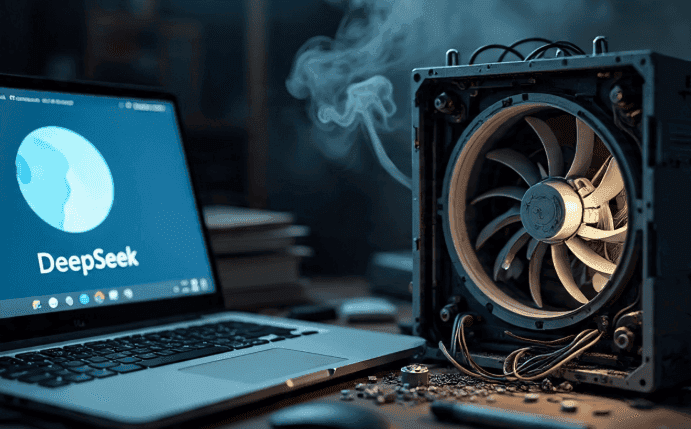
Chinese artificial intelligence company DeepSeek has encountered substantial setbacks in the release of its highly anticipated R2 model. Originally slated for launch in May 2025, the model's development has been hampered by persistent technical issues, primarily related to the use of Huawei's Ascend processors
1
.
Source: The Register
Government Pressure and Technical Challenges
DeepSeek was reportedly encouraged by Chinese authorities to adopt Huawei's Ascend chips instead of Nvidia's systems for the development of R2 . This move aligns with Beijing's broader push for technological self-sufficiency in the AI sector. However, the transition proved problematic, with DeepSeek unable to complete a successful training run using the Ascend chips, despite on-site assistance from a team of Huawei engineers
1
.Reverting to Nvidia for Training
Faced with these challenges, DeepSeek ultimately resorted to using Nvidia chips for the crucial training phase of R2's development, while relegating Huawei's Ascend processors to inference tasks
3
. This decision highlights the current limitations of Chinese-made chips in handling the complex requirements of large-scale AI model training.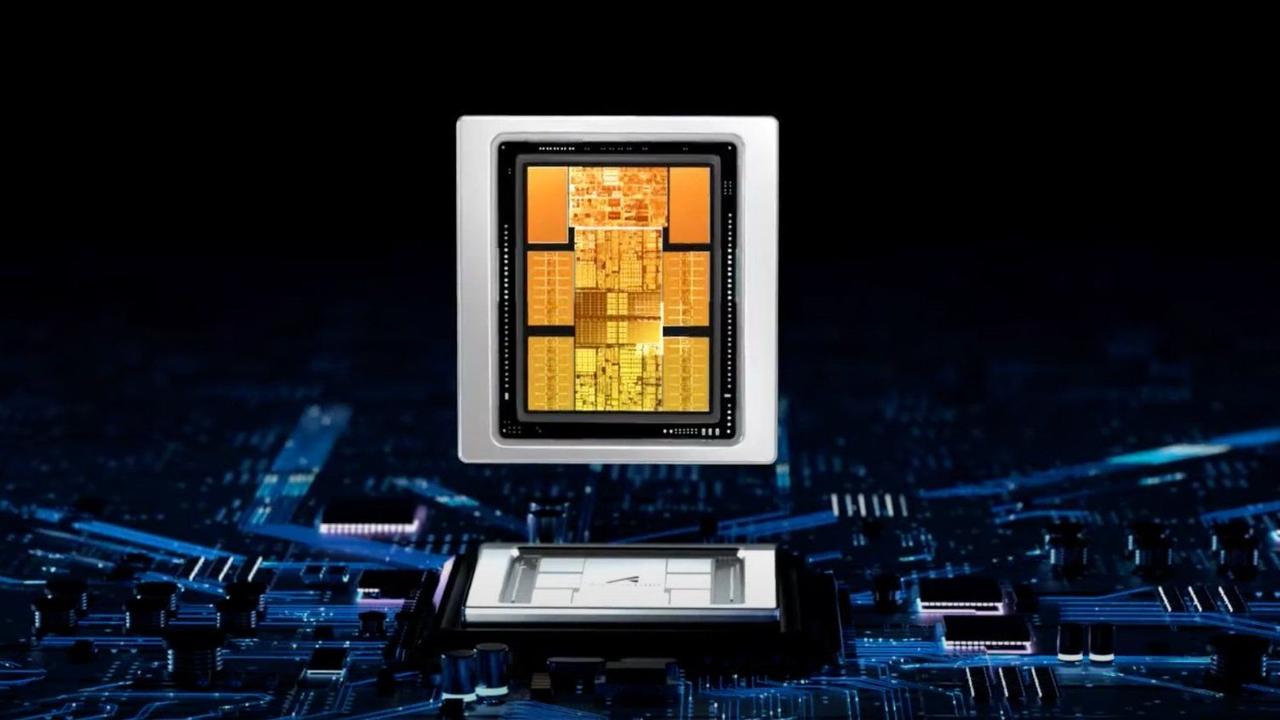
Source: TweakTown
Impact on DeepSeek's Market Position
The delay in R2's release has potentially cost DeepSeek ground in the highly competitive AI market. Competitors, such as Alibaba's Qwen3, have seized the opportunity to incorporate DeepSeek's core concepts while improving efficiency and flexibility
3
. This development underscores the rapid evolution of AI ecosystems and the consequences of falling behind in this fast-paced industry.Broader Implications for China's AI Ambitions
DeepSeek's struggles with Huawei's chips reveal the challenges facing China's drive for technological self-sufficiency in the AI sector. Industry insiders have noted that Chinese chips still lag behind their US counterparts in terms of stability, inter-chip connectivity, and software maturity
1
.Related Stories

The Geopolitical Context
This situation unfolds against a backdrop of ongoing tensions between China and the United States in the tech sector. Recent reports suggest that Beijing has demanded Chinese tech companies justify their orders of Nvidia's H20 chips, in a move to promote domestic alternatives
1
. Meanwhile, Nvidia has agreed to give the US government a share of its revenues in China to resume sales of its H20 chips to the country4
.Looking Ahead
Source: SiliconANGLE
Despite these setbacks, experts believe that Huawei and other Chinese chip manufacturers will eventually overcome these "growing pains"
1
. DeepSeek is reportedly still working with Huawei to make the R2 model compatible with Ascend for inference tasks, and Chinese media reports suggest that the model may be released in the coming weeks5
.As the AI race continues, the industry eagerly awaits the debut of DeepSeek's R2 model and its performance relative to competitors trained on more mature hardware. This episode serves as a clear example of the complex interplay between political ambitions, technical capabilities, and the realities of AI development and deployment in the global market.
References
Summarized by

Navi
[2]
[3]
[4]
Related Stories
DeepSeek Under Scrutiny: Allegations of Military Aid and Export Control Evasion
23 Jun 2025•Technology
DeepSeek V4 model to run on Huawei chips, testing China's AI self-sufficiency ambitions
03 Apr 2026•Technology

Huawei's Ascend 910C Challenges Nvidia's AI Dominance with 60% H100 Inference Performance
05 Feb 2025•Technology

Recent Highlights



Recent Highlights
Today's Top Stories





Don’t drown in AI news. We cut through the noise - filtering, ranking and summarizing the most important AI news, breakthroughs and research daily. Follow topics that matter to you and stay ahead.


