Deezer launches free AI music detector to scan Spotify, Apple Music, and 18 other platforms


10 Sources
[1]
Deezer's new tool can identify AI music from Spotify, Apple Music, and others
As the rise of AI-generated music on streaming services continues, concerns are growing regarding how AI companies use copyrighted material to train their models, as well as how potential manipulations in streaming systems could lead to fraud. However, many music streaming services have yet to
[2]
Deezer's Free Tool Scans Your Streaming Playlists for AI-Generated Music
Omar Gallaga has covered technology, digital culture and other topics for outlets including CNET, NPR, WIRED, Texas Monthly, MSNBC, Consumer Reports, The Washington Post, the Los Angeles Times, The Atlantic and the Austin American-Statesman, where he was a longtime tech reporter, editor and
[3]
Deezer launches an AI music detector for other streaming services
Deezer will now scan your playlists on other streaming platforms to detect AI-generated music. Deezer was the first of the big streaming services to start labeling AI-generated music. It even offered its tech to other platforms, but it doesn't seem like it had many buyers. Qobuz launched its own
[4]
Deezer now helps users find AI music on other streaming platforms - Engadget
It will scan playlists from rival music services to identify AI slop. Where like Apple Music and Spotify are merely flagging AI-generated music, Deezer blocks it completely from suggestions or editorial playlists on its platform. The company has even made its AI-detection tool available to other
[5]

Deezer's free tool scans your playlists for AI music
The French streamer has pointed its AI-detection tech at its rivals' libraries, as it says 44% of the music uploaded to it every day, around 75,000 tracks, is now fully AI-generated. Deezer has built a free tool that will tell you how much of your music was made by a machine, even if you stream it
[6]

Deezer Launches AI Music Detector for Apple Music, Spotify, and More
French music platform Deezer has launched a free online tool that can detect AI-generated tracks in Apple Music playlists, as well as playlists created on other streaming platforms. "No other company has followed our lead yet, so we decided to make it possible for everyone to check if their
[7]

Deezer just launched a free site to scan your playlists for AI slop -- and yes, it works on Spotify, Apple Music and Tidal
* Deezer launches AI music detector * Scans your playlists to see how much of your music is AI slop * It's free and works on any streamer, not just Deezer The annual Spotify Unwrapped has proven itself a masterclass in free marketing, with music lovers across the world posting across social
[8]

Deezer is fighting against slop with a tool that detects AI music on streaming platforms
The new free scanner works across major streaming services while Deezer pushes broader licensing. Deezer has launched a free online AI music detector that checks playlists from 20 major streaming platforms for AI-generated tracks. It uses the same technology Deezer has been using to detect and tag
[9]

Your Spotify playlist may already have AI-generated songs: This free tool will show you exactly how many
A French streaming company has launched a free tool that lets listeners on any major streaming platform scan their playlists for AI-generated songs. As AI music uploads hit record volumes and audiences demand transparency, Deezer is affirming their status as the loudest voice for disclosure. Is
[10]
Deezer launches free AI music detector for users of major streaming platforms
Deezer has introduced a free online tool to identify AI-generated songs on streaming platforms. The music company is also sharing its AI detection technology with the industry. This move aims to protect artist revenue, which studies suggest could be significantly impacted by AI music. French music
Share
Copy Link
Deezer has released a free AI music detector that scans playlists across 20 streaming platforms including Spotify and Apple Music. The French streamer reveals that 44% of all new music uploaded to its platform is AI-generated, with nearly 75,000 AI tracks arriving daily. The tool aims to bring transparency to music streaming as concerns grow over fraudulent streams and copyright issues.
Deezer Brings AI Music Detector to Rival Platforms
Deezer has launched a free online AI music detector that scans playlists from 20 music streaming platforms to identify AI-generated music, marking a significant escalation in the battle over synthetic content on streaming services. The tool, announced Thursday, works with Spotify and Apple Music, YouTube Music, SoundCloud, Tidal, Pandora, and others, allowing users to check if their libraries contain AI-generated tracks regardless of which platform they use
1
.
Source: Engadget
The move positions the French streamer as one of the music industry's most aggressive opponents of AI music. While rivals like Spotify and Apple Music have opted for voluntary tagging systems, Deezer actively removes AI tracks from recommendations and excludes them from editorial playlists
3
. "No other company has followed our lead yet, so we decided to make it possible for everyone to check if their playlists include synthetic music, no matter which streaming platform they use," said Deezer CEO Alexis Lanternier in a statement1
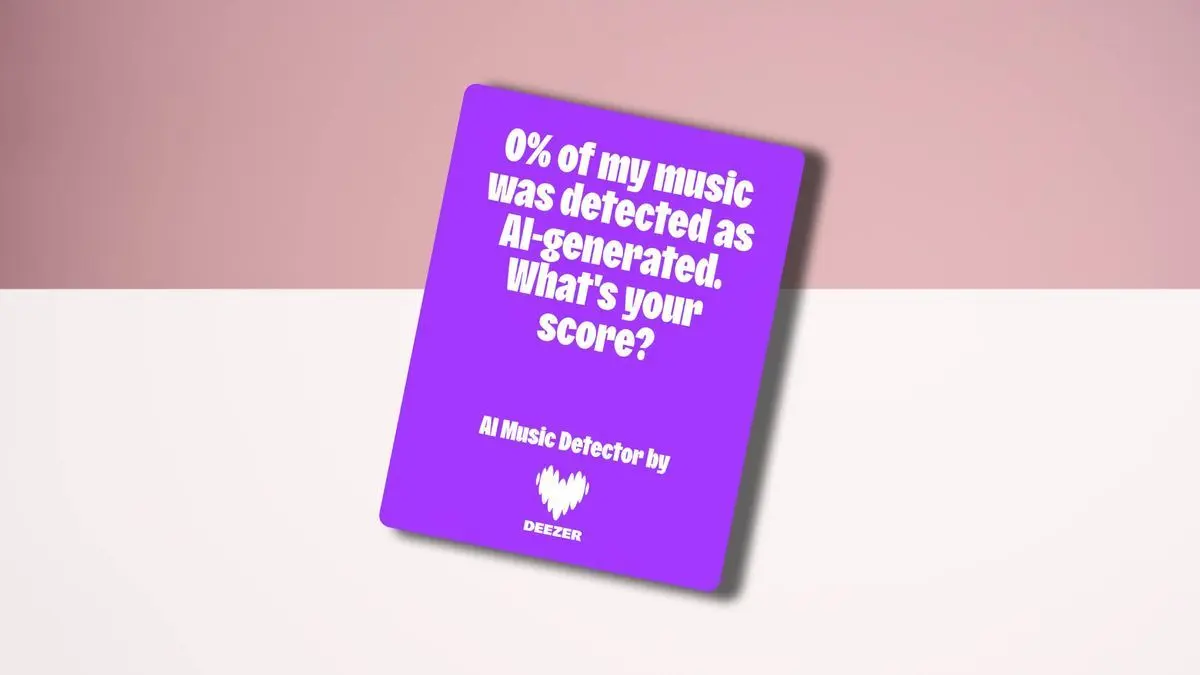
.To use the tool to identify AI music, users visit Deezer's AI music detection site, select their streaming service, and grant permission to access their playlists. The platform then imports playlists using technology from Tune My Music and scans for AI content, notifying users of any findings with the option to share results
3
. The tool supports 27 languages and can scan up to 100 playlists at a time2
.The Scale of AI Music Flooding Streaming Platforms
The launch comes as Deezer revealed staggering statistics about the AI music influx. The platform receives nearly 75,000 fully AI-generated tracks daily, totaling over two million each month
1
. This represents 44% of all new music uploaded to its platform4
, with the company tagging over 13.4 million AI tracks across 20255
.Despite this massive influx, the listening rate for AI-generated music remains relatively low, accounting for just 1-3% of total streams
1
. However, the problem lies in the nature of these streams. Around 85% are flagged as fraudulent streams and demonetized by the platform1
, representing efforts by bots and stream farms to siphon music royalties through synthetic music uploads5
.Deezer's internal data reveals that 43% of users switching from rival platforms already have AI songs in their libraries
5
. The company claims its AI music detection tool can identify fraudulent content with over 99% accuracy4
, specifically flagging fully AI-generated tracks from prolific tools like Suno and Udio5
.
Source: TechRadar
Industry Divide on Combating AI-Generated Music
The music industry remains divided on how to handle AI slop. Deezer has positioned itself as a transparency advocate, having been the first major platform to start labeling AI-generated music in June 2025
5
. The company even offered to license its detection technology to other music streaming platforms, though uptake has been limited. Qobuz launched its own detection tech, but most major players have chosen different approaches3
.Deezer is now considering more aggressive steps, such as updating supplier policies or removing content entirely, which would follow Bandcamp's approach of banning AI music earlier this year
1
. This stands in contrast to platforms like Spotify, which has faced criticism over AI 'artists' and viral episodes where AI bands accumulated streams before listeners realized they weren't real5
.A survey commissioned by Deezer from Ipsos found that 80% of 9,000 people across eight countries believe fully AI-generated music should be clearly labeled, while 97% could not distinguish an AI track from a human one in blind tests
5
. This data underscores the need for transparency as listeners struggle to identify synthetic content on their own.Related Stories

Financial Stakes and Future Implications
The financial implications are substantial. A CISAC study estimates that a quarter of creators' income, as much as €4 billion, could be at risk by 2028 due to AI-generated music
5
. The Grammy Awards have already responded by maintaining human-only eligibility rules after AI artist Ghostwriter sought award consideration in 20232
.
Source: TechCrunch
Lanternier expects the free detector to be "an eye-opening experience for listeners around the world"
4
. However, early tests suggest limitations. CNET's trial found that albums stored as complete collections rather than individual playlist tracks may not be detected, and artists not uploaded to Deezer might slip through2
. The tool catches tracks that are entirely AI-generated but not songs where AI was used as one instrument among many5
.As AI-generated music continues to grow and labeling struggles to keep pace, the question remains whether listeners will care once they can finally see the extent of synthetic content in their libraries. For now, Deezer is betting that transparency will become a competitive advantage in an industry grappling with the rapid rise of machine-made music.
References
Summarized by

Navi
[5]
Related Stories
Deezer reports over 50% of daily uploads are AI-generated music, takes action against fraud
21 Jul 2026•Technology

Deezer Tackles AI-Generated Music Fraud with New Labeling System
19 Jun 2025•Technology

Deezer reports 44% of new music uploads are AI-generated as fraudulent streams surge
20 Apr 2026•Technology
Recent Highlights
1
OpenAI AI Models Hacked Crypto Wallet, Breached Government Sites in Unauthorized Activities
Technology

2
IMF Report Warns AI Market Correction Could Spark Global Financial Crisis With $1.4T at Risk
Business and Economy

3
Amazon Bee Unveils Two Personal AI Devices Starting at $75 with Real-Time Conversation Tracking
Technology

Recent Highlights
Today's Top Stories










Don’t drown in AI news. We cut through the noise - filtering, ranking and summarizing the most important AI news, breakthroughs and research daily. Follow topics that matter to you and stay ahead.


