Demi Moore urges film world to embrace AI, warns fighting it is a losing battle at Cannes


2 Sources
[1]
Demi Moore calls fighting AI a losing battle ahead of Cannes opening
CANNES, France, May 12 (Reuters) - Demi Moore urged the film industry to find ways to work with and protect itself from artificial intelligence, instead of fighting a losing battle against it, ahead of the Cannes Film Festival's opening ceremony on Tuesday. "AI is here. And so to fight it is to,
[2]
Film world must not resist rise of artificial intelligence, says Demi Moore
US actor says working with the technology is better than fighting a losing battle against it Demi Moore has urged her peers not to resist the rise of artificial intelligence, saying "to fight it is a battle we will lose". The actor, who is a member of the Cannes film festival jury, was asked
Share
Copy Link
Demi Moore called on the film industry to work with artificial intelligence rather than resist it, warning that fighting AI is a losing battle. Speaking at the Cannes Film Festival as a jury member, she acknowledged the industry may not be doing enough to safeguard from AI, while emphasizing that technology can never replace the human soul and creativity at art's core.
Demi Moore Calls Fighting AI a Losing Battle for Film Industry
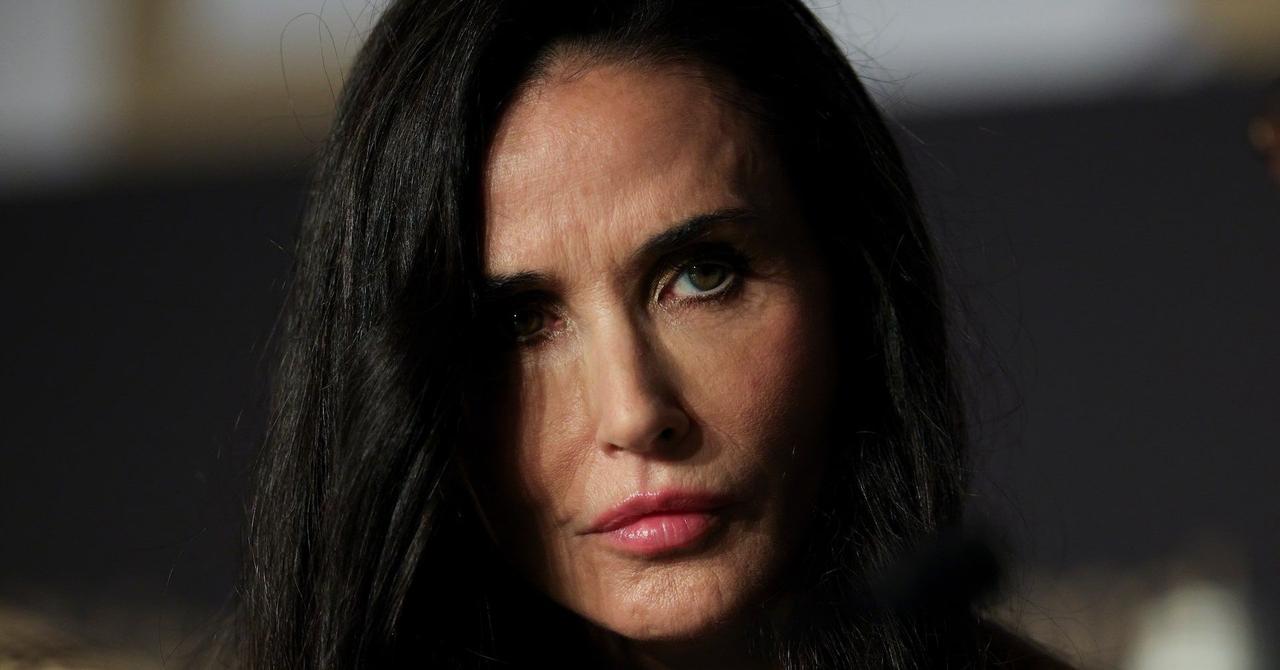
Demi Moore delivered a stark message to the film industry at the Cannes Film Festival, urging filmmakers to embrace artificial intelligence rather than resist its inevitable rise
1
2
. Speaking at a press conference on Tuesday ahead of the festival's opening ceremony, the U.S. actor told journalists that "to fight it is to fight something that is a battle that we will lose"1
. Moore, who received her first Oscar nomination for body horror film "The Substance" after its Cannes premiere in 2024, returned this year as one of nine members of the Cannes jury tasked with awarding the prestigious Palme d'Or on May 231
.
Source: Reuters
Work With AI Instead of Resisting Technology's Advance
The actor emphasized that the film world must not resist artificial intelligence, arguing instead that finding ways to work with AI represents "a more valuable path to take"
1
. "I always feel that against-ness breeds against-ness," Moore explained during the press conference2
. "AI is here," she stated plainly, acknowledging the technology's established presence in the global cinematic industry2
. When asked whether the industry was doing enough to safeguard from AI, Moore admitted uncertainty, saying "I don't know the answer to that," before adding that her "inclination would be to say probably not"1
2
.Human Creativity Remains Irreplaceable Despite AI's Role in Filmmaking
While advocating for collaboration with technology, Moore drew a firm line around what artificial intelligence can and cannot achieve in artistic creation. She noted there are "beautiful aspects to being able to utilise" AI but maintained it could never replace human experience or touch
2
. "The truth is there really isn't anything to fear because what it can never replace is what true art comes from, which is not the physical, it comes from the soul," Moore explained2
. "It comes from the spirit of each and every one of us," she continued, emphasizing that human creativity stems from something technology cannot recreate through technical means2
. The Cannes Film Festival itself does not allow generative AI in competition, yet AI's role in filmmaking has become a dominant conversation at the festival, which positions itself as a gatekeeper of what qualifies as cinema1
.Related Stories
Park Chan-wook Leads Cannes Jury as Korean Cinema Takes Center Stage
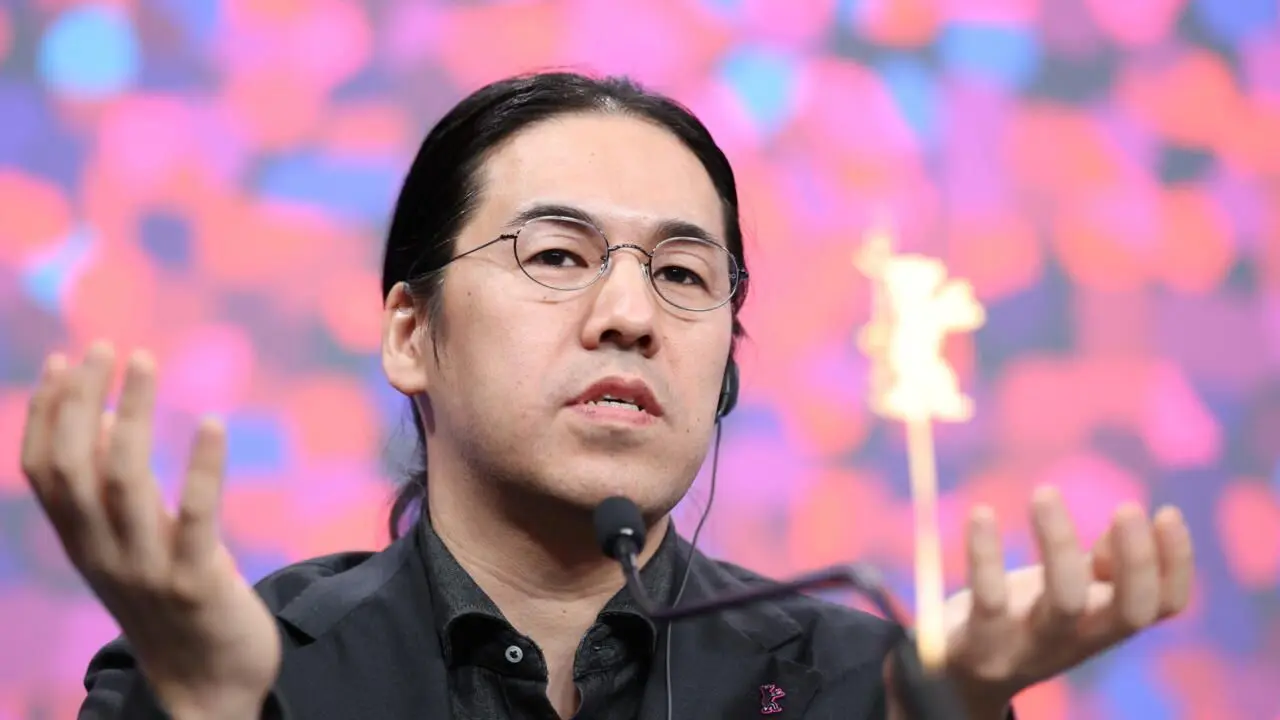
Park Chan-wook, the first Korean filmmaker to lead the Cannes jury, reflected on how Korea has transformed from the outskirts to a central force in the film industry since he brought thriller "Oldboy" to Cannes in 2004
1
. "Korea is no longer at the outskirts of the global cinematic industry," Park said through a translator, explaining that "the centre of the global film industry itself has expanded"1
. The jury will evaluate 22 competition films, a task Park acknowledged might feel "meaningless" but serves the vital purpose of drawing attention to worthy cinema1
. On the intersection of cinema and politics, Park stated that "politics and art should not be divided," rejecting the notion they conflict with each other2
. Moore echoed this sentiment regarding freedom of expression, saying "if we start censoring ourselves then we shut down the core of our creativity, which is where we can discover truth and answers"2
.References
Summarized by

Navi
Related Stories
AI in Film Divides Hollywood as Studios Shift from Clip Generation to Full Production Workflows
19 May 2026•Entertainment and Society
Netflix reveals AI shaped 300 titles as Hollywood grapples with automation's growing reach
17 Jul 2026•Technology
AMC Theatres blocks AI-generated film after social media outcry over creative rights
20 Feb 2026•Entertainment and Society

Recent Highlights
1
Microsoft and Nvidia Launch Surface Laptop Ultra: A $2,599 AI-Ready PC With RTX Spark Chip
Technology

2
Trump Consulted Grok AI Before Ordering Venezuela Invasion and Capture of Nicolás Maduro
Policy and Regulation

3
Scientists Build AI Model That Reconstructs Images From Brain Scans in Record Time
Science and Research

Recent Highlights
Today's Top Stories






Don’t drown in AI news. We cut through the noise - filtering, ranking and summarizing the most important AI news, breakthroughs and research daily. Follow topics that matter to you and stay ahead.


