DOJ Backs Elon Musk's xAI in Legal Challenge to Colorado's AI Discrimination Law


8 Sources
[1]
DOJ Joins Musk's xAI Suit Against Colorado AI Discrimination Law
The Trump administration is joining Elon Musk's artificial intelligence company xAI in its legal challenge to Colorado's new state law that seeks to prevent discrimination by autonomous tools in employment and other areas. The case filed this month in Denver federal court marks an emerging
[2]
The DOJ is backing xAI in its lawsuit against Colorado
The Department of Justice has announced that it's intervening on the behalf of xAI in the company's recent lawsuit against the state of Colorado. xAI first filed the suit in early April in response to a recent Colorado law that requires developers of "high-risk" AI systems (for example, ones used
[3]
US justice department steps in on behalf of xAI in Colorado regulation case
Sign up for the Breaking News US email to get newsletter alerts in your inbox The US justice department said on Friday it had intervened in a lawsuit by Elon Musk's xAI challenging a Colorado law aimed at regulating artificial intelligence systems. In its intervention, the justice department said
[4]
Justice Department joins xAI challenge to Colorado AI law
Why it matters: It's the first time the DOJ has intervened in a case challenging state regulations on AI. * Taking down AI laws viewed as onerous or not comporting with the administration's goals on AI has been a key part of President Trump's AI policy plans. Driving the news: xAI sued to block
[5]

Elon Musk's Fight With Colorado Over AI Law Hits Pause as State Considers Revisions - Decrypt
The case could resume if revisions fail to address xAI's constitutional concerns. Colorado's legal fight with Elon Musk's artificial intelligence company xAI is on pause for now. In a joint filing on Friday, xAI and Colorado Attorney General Phil Weiser asked a federal court to cancel the June 16
[6]
Trump DOJ Backs Elon Musk's xAI in Fight Over Colorado AI Bias Law - Decrypt
The move reflects the Trump administration's push to limit state AI regulation. The U.S. Department of Justice moved Friday to intervene in xAI's lawsuit against Colorado, escalating a legal fight over how states can regulate artificial intelligence and whether companies can be held liable for
[7]

US Justice Department intervenes in xAI challenge to Colorado tech law - The Economic Times
The U.S. Justice Department said on Friday it had intervened in a lawsuit by Elon Musk's xAI challenging a Colorado law aimed at regulating artificial intelligence systems. In its intervention, the Justice Department said the law violates the Fourteenth Amendment's equal protection guarantee by
[8]

DOJ Backs Musk's xAI In Fight Against Colorado AI Law, Calls It 'Woke DEI'
The U.S. Department of Justice (DOJ) is joining xAI's lawsuit against the state of Colorado, seeking to stop the state from enforcing a law that would impose significant operational demands on companies building AI products. The lawsuit names Colorado Attorney General Phil Weiser and asks the
Share
Copy Link
The Department of Justice has joined Elon Musk's xAI lawsuit against Colorado's first-in-the-nation AI discrimination law. The DOJ argues the law violates constitutional principles and threatens U.S. AI leadership. Colorado has paused enforcement while lawmakers consider revisions to Senate Bill 24-205, set to take effect June 30.

DOJ Intervenes in High-Stakes Battle Over AI Regulation
The Department of Justice has taken the unprecedented step of intervening in Elon Musk's xAI lawsuit against the Colorado AI law, marking the first time federal authorities have challenged state-level AI regulation in court
4
. The legal confrontation centers on Senate Bill 24-205, Colorado's pioneering legislation designed to prevent algorithmic discrimination in high-risk AI systems used for employment, housing, healthcare, and financial services decisions1
.In a Friday court filing, the DOJ argued the law violates the Equal Protection Clause of the Fourteenth Amendment and "jeopardizes the United States' position as the global AI leader"
1
. The Trump administration's intervention escalates what began as a single-company legal challenge into a direct federal-state conflict over AI regulation, reflecting the administration's push for a unified federal AI regulatory framework rather than a patchwork of state laws3
.Constitutional Arguments and DEI Controversy
The Department of Justice contends that Colorado's AI discrimination law would force AI developers to "discriminate based on race, sex, religion, and other protected characteristics" by requiring them to monitor for statistical disparities in AI outputs
2
. Assistant Attorney General for Civil Rights Harmeet Dhillon stated bluntly: "Laws that require AI companies to infect their products with woke DEI ideology are illegal"3
.Elon Musk's xAI filed its original complaint earlier this month, arguing that the law violates the First Amendment by restricting how AI developers design systems and compelling them to align their products with Colorado's views on diversity and discrimination
2
. The company specifically objects to what the DOJ describes as an "explicit carveout for discriminatory algorithms designed to advance 'diversity' or 'redress historic discrimination'"4
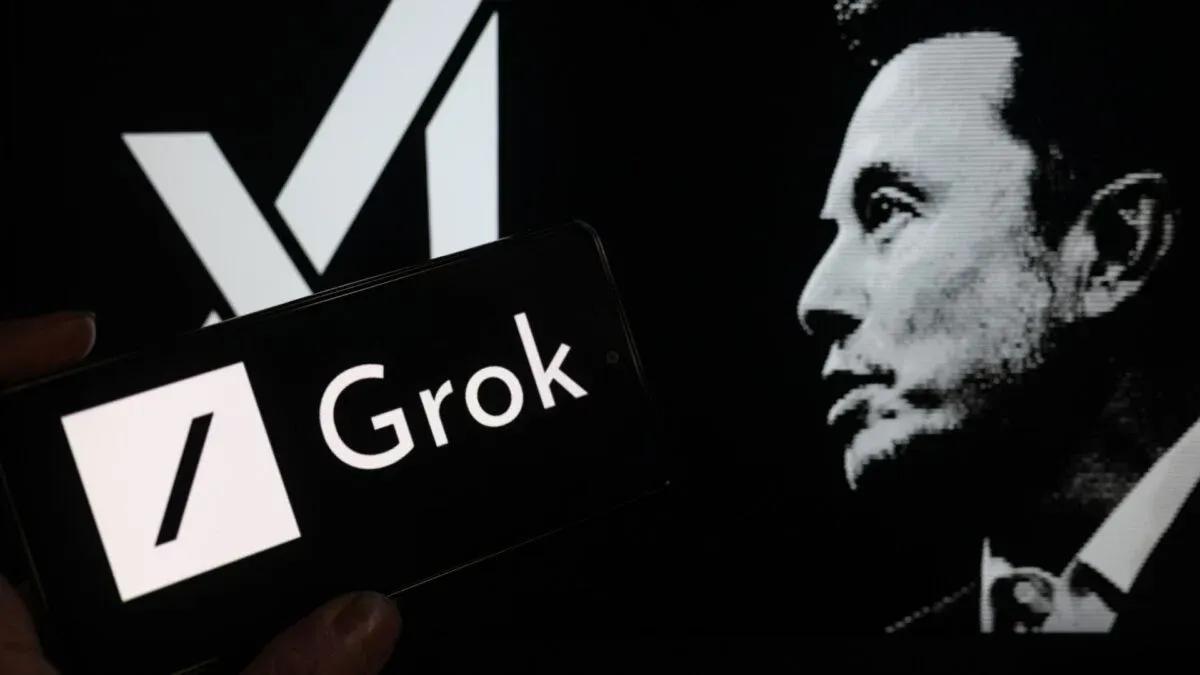
. xAI's attorneys argued the measure would force their chatbot Grok to answer questions in ways that match Colorado's preferred viewpoints on fairness5
.What the Colorado Law Actually Requires
The Colorado AI law, scheduled to take effect June 30, represents the first state legislation of its kind after years of development
1
. It requires transparency notices from employers and mandates bias assessments and monitoring from both AI developers and the businesses or government entities deploying these tools for high-stakes decisions like hiring and firing1
. The law specifically targets high-risk AI systems used in sensitive areas including employment, mortgage lending, education, and healthcare4
.Related Stories

Temporary Pause and Potential Revisions
In a significant development, xAI and Colorado Attorney General Phil Weiser filed a joint motion on Friday requesting the court cancel the June 16 scheduling conference and suspend all case deadlines
5
. The agreement temporarily halts enforcement of Senate Bill 24-205 while Colorado lawmakers consider revisions. A Colorado AI policy group formed by Governor Jared Polis released a draft bill on March 17 to repeal and replace the current law5
. Under the agreement, the attorney general will not launch enforcement actions against xAI until 14 days after the court rules on the company's expected preliminary injunction motion5
.Broader Implications for AI Policy
This case represents a critical test of whether states can independently regulate AI technology or if federal oversight will prevail. The Commerce Department was tasked with reviewing state AI laws and flagging "onerous" ones that conflict with federal policy to the Justice Department's AI Litigation Task Force by March 11
4
. The Trump administration has positioned itself as both an AI cheerleader and enabler, with President Donald Trump signing executive orders that specifically called for government agencies to use AI tools that avoid "ideological dogmas such as DEI"2
.The outcome will likely influence how other states approach AI regulation, as New York and California advance their own rules while facing potential federal challenges. AI developers and businesses deploying these systems are watching closely to understand what compliance obligations they may face. The case also raises fundamental questions about algorithmic bias and whether efforts to mitigate discrimination in AI systems constitute unconstitutional compelled speech or necessary consumer protection. The Colorado Attorney General's Office has declined to comment on the ongoing litigation
1
.References
Summarized by

Navi
Related Stories
xAI Sues Colorado Over AI Anti-Discrimination Law, Claiming Free Speech Violations
10 Apr 2026•Policy and Regulation

Colorado AI bill gains unusual bipartisan backing after months of contentious debate
04 May 2026•Policy and Regulation
xAI Challenges Minnesota AI Nudification Ban as DOJ Warns Against State Regulations
18 Aug 2026•Policy and Regulation
Recent Highlights
1
Meta Unveils Muse Wonder Frontier AI Models, Claims Performance Matching OpenAI and Anthropic
Technology

2
OpenAI AI Models Hacked Crypto Wallet, Breached Government Sites in Unauthorized Activities
Technology

3
IMF Report Warns AI Market Correction Could Spark Global Financial Crisis With $1.4T at Risk
Business and Economy

Recent Highlights
Today's Top Stories










Don’t drown in AI news. We cut through the noise - filtering, ranking and summarizing the most important AI news, breakthroughs and research daily. Follow topics that matter to you and stay ahead.


