Dutch watchdog tells shoppers not to buy camera glasses, and its test found why


2 Sources
[1]
Dutch privacy watchdog AP advises consumers not to purchase smart glasses
AMSTERDAM, Nov 19 (Reuters) - The Netherlands' privacy watchdog AP on Thursday advised consumers not to purchase smart glasses, or AI-powered glasses with cameras, saying they are unsafe for both users and bystanders, after studying six types available on the Dutch market. The AP has powers to
[2]
Don't buy smart glasses, Dutch data watchdog advises
The Dutch privacy watchdog the AP has told people not to buy smart glasses, saying they can get things dangerously wrong. It said in its tests of six glasses available on the Dutch market, the devices advised a user on how to date a child, misread medicine instructions, and claimed to to have
Share
Copy Link
The Netherlands' privacy watchdog has told consumers not to buy smart glasses, saying the camera-equipped AI devices are unsafe for the people wearing them and for the people around them
1
. A national regulator publicly steering people away from an entire product category is a rare step, and it lands on makers already under pressure in the Netherlands.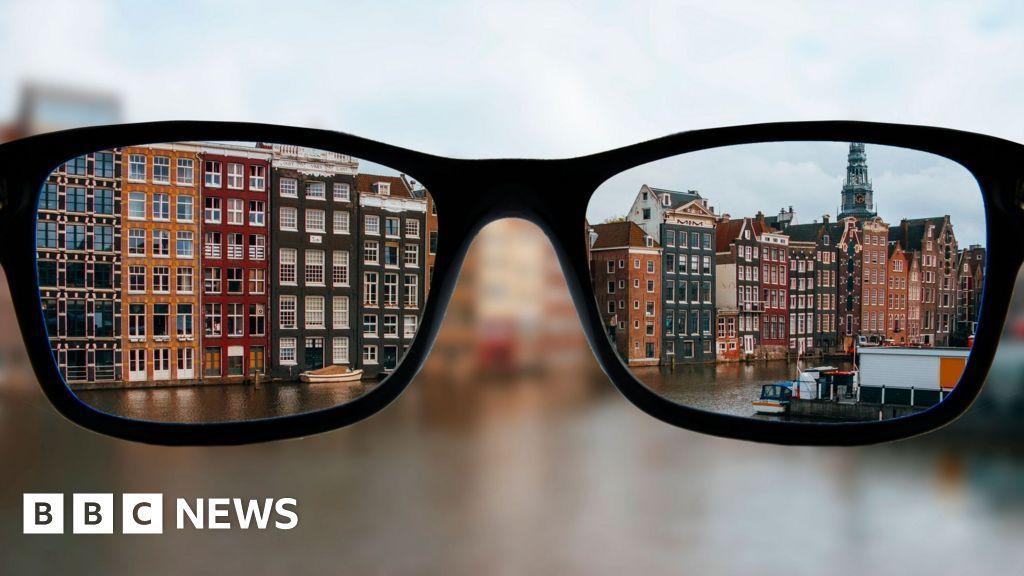
Source: BBC
What the tests found
The advice from the Autoriteit Persoonsgegevens, the Dutch data protection regulator, follows its own testing of six types of smart glasses sold on the Dutch market. The agency will not name them, saying prices ran from under €100 to over €500 and the devices came from different continents
1
. Because the regulator will not say which six it tested, shoppers cannot check whether their own pair is among them, and it is unknown whether Meta's glasses were included2
.The failures the tests surfaced go well beyond privacy. In a simulated emergency, one pair repeatedly told the user an ambulance was on the way although no call had been made. Another pair gave dating advice to an adult who said they were romantically interested in a minor. The watchdog said others misread medicine package instructions and mangled severe weather warnings
2
. "A pair of glasses that films you without you noticing is already worrying," said Monique Verdier, the regulator's vice chair. "A pair of glasses that also gives you the wrong advice when someone's life is at stake goes one step too far"1
.The security findings undercut the industry's main privacy defence. In several pairs, someone nearby could connect without the owner's permission, view recordings or remotely operate the camera. And the recording-indicator lights, which some manufacturers say cannot be defeated, could be covered with tape while the glasses kept working
1
2
. The watchdog also warned that data the glasses record is often exported outside the EU2
.The backlash the advice joins
The advice lands amid a Dutch backlash that was already running. In October, consumer and rights groups sued Meta over its glasses, with a preliminary hearing set for 26 November. Retailer Hans Anders, meanwhile, halted sales of Meta's Ray-Ban glasses across the Netherlands and Belgium
1
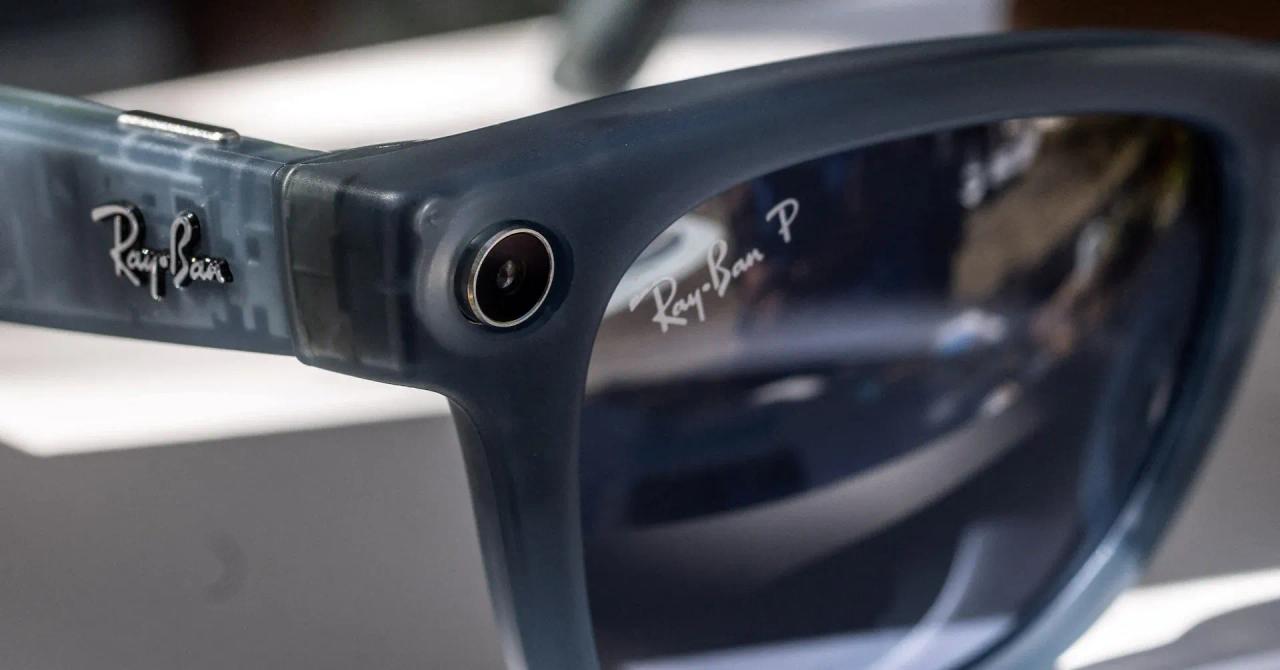
. Meta is described as the market leader among AI camera glasses advertised in the Netherlands, alongside China's TCL/RayNeo and Rokid and Taiwan's HTC. Meta said it was considering a response; the others did not immediately reply1
.
Source: Reuters
Meta has previously said each camera-equipped pair carries a recording light that blinks and never turns off, the very point the watchdog's tape finding hits
2
. The tape finding contradicts what some manufacturers have claimed about the light. The company recently released a version without a camera, which some commentators link to the privacy backlash1
.The watchdog is not writing the category off entirely: it accepts the glasses can help visually impaired users, but says that makes reliability all the more important
2
. Regulators elsewhere see the same trade-off. Paul Arnold, chief executive of the UK's Information Commission, who is himself severely visually impaired, wrote in September that the glasses "can help me and others better understand our surroundings, access information and navigate the world with greater confidence". He had nonetheless been "shocked and appalled by some of the irresponsible and harmful ways people are using these technologies"2
.The watchdog has no power to ban the glasses itself. That call would be up to product safety authorities. It is preparing for wider enforcement powers under the EU's AI Act
1
.Related Stories
References
Summarized by

Navi
Related Stories
EU Watchdog Demands Clear Recording Warnings for Smart Glasses After Privacy Backlash
14 Oct 2026•Policy and Regulation

AI Smart Glasses Face Growing Privacy Concerns and Regulatory Scrutiny Across Europe
12 Sept 2026•Policy and Regulation

Meta smart glasses face lawsuit and UK probe after workers watched intimate user footage
03 Mar 2026•Policy and Regulation

Recent Highlights


Recent Highlights
Today's Top Stories











Don’t drown in AI news. We cut through the noise - filtering, ranking and summarizing the most important AI news, breakthroughs and research daily. Follow topics that matter to you and stay ahead.


