2 Sources
[1]
Waiting 26 years 'for this shoe to drop': Musk's AI company joins the fight to strip citizens of their power to sue | Fortune
Right-leaning legal activists along with Elon Musk 's artificial intelligence company have brought sweeping challenges against a cornerstone of legal enforcement in the United States: the right of private groups, people and local governments to sue over violations of many major laws. Their argument, supported by the Trump administration, is that the Constitution reserves tremendous power for the president and federal agencies to decide how -- or whether at all -- to enforce federal law. They contend Congress should never have handed that power to others through so-called citizen suits that are part of environmental, campaign finance and certain other laws. Environmentalists say it would be devastating to lose this essential, decades-old tool that is used to impose fines and halt lawbreaking by bad actors. Citizen suits, for example, have extracted millions from heavily polluting oil and gas operations, and ensured that lead pipes in Flint, Michigan, would be removed after its water crisis. Legal experts say four pending federal cases -- one of them filed last week -- are moving forward at a time when the conservative majority on the Supreme Court gives opponents of citizen suits a greater chance than ever of success. The hard part for those opponents now is winning early federal cases and creating disagreement between the country's appeals courts, which may help convince the Supreme Court the issue is important enough for a nationwide ruling. Back in 2000, a Supreme Court opinion opened the door for that possibility. "Many of us who worked in this area have been waiting basically 26 years for this shoe to drop," said Richard Lazarus, a Harvard professor with decades of experience in environmental law. A more inviting Supreme Court could take up the issue Lazarus was referring to former moderate Justice Anthony Kennedy's comments in a Clean Water Act case that citizen suits raised "difficult and fundamental" questions about whether they improperly dilute executive power. The late conservative Justice Antonin Scalia wrote in a dissenting opinion in the same case that citizen suits turn "over to private citizens the function of enforcing the law." He avoided explicitly saying they were constitutional. "The court is more like Scalia's court since he died than it ever was when he was there," said Lazarus. He observed that those who lost cases where Scalia dissented are rushing back to today's court hoping for a more favorable result. The critical issue for citizen suits is who -- the government or private citizens -- collects fines and has control. A person filing a citizen suit must tell the government ahead of time. The government can stop the suit if it sufficiently pursues the case itself, but its options are limited and the person suing can stay involved. Citizen suits can force compliance with the law and result in fines, which go to the U.S. Treasury. Prominent law firms and companies are pushing against citizen suits Efforts to increase presidential power and limit who can sue have grown in recent years. They gained vital federal support this summer. That's when the Pacific Legal Foundation, a right-leaning organization with recent Supreme Court success, chose a routine citizen suit in Tennessee federal court for a broader constitutional challenge. They signed on as attorneys for Springfield, a town of roughly 19,000 north of Nashville, that was in the early stages of fighting allegations brought by Tennessee Riverkeeper that it had let too much sewage flow from its treatment plant into a nearby creek, violating the Clean Water Act. It was the thirty-first citizen suit Tennessee Riverkeeper had filed under the Clean Water Act since 2010. Pacific Legal argued this was part of the problem -- a private group of unelected activists had repeatedly forced others to expend resources defending themselves. It's better when "the government is the one wielding the power because the government remains accountable to the people," said Sean Radomski, a Pacific Legal Foundation attorney on the case. Radomski isn't targeting every lawsuit a person can bring under federal law -- he takes exception to those where fines go to the Treasury and where he says people are improperly taking on the government's powers. Civil rights lawsuits, for example, where damages are paid directly to those wronged, wouldn't be touched. Nor would many procedural challenges. Elon Musk's AI company is also getting into the fight Musk-led xAI argued many similar points in its ongoing bid to rid itself of the NAACP's lawsuit accusing it of operating dozens of gas turbines near Memphis to power a data center without first getting permits. The civil rights group told a Mississippi federal court that the turbines are a pollution threat to those who lived nearby, many of whom are Black. One of their demands was to halt the gas turbines until the company complied with the law. The Trump administration intervened in support of Musk's company, arguing that turning off the power to artificial intelligence that supports the Department of War would harm national security. Because the Trump administration wants the suit dismissed, the NAACP shouldn't be allowed to proceed with it -- prudent enforcement requires balancing interests, including national security, the DOJ said. Laura Thoms, director of enforcement at Earthjustice, which is representing the NAACP, said the government traditionally gets involved in cases to enforce the law, not to argue that it doesn't matter if the law is broken. "This administration has determined that the company should be allowed to continue to pollute and that therefore, they should have the unilateral and unreviewable authority to veto our citizen suit," she said. Changing the law would have profound consequences at a critical time Citizen suits were written into foundational environmental laws because Congress understood that the federal government had limited resources to go after polluters and that the politics of some cases could be dicey -- the government sometimes is the polluter. That's why outside groups are necessary to fulfill the law's purpose, according to Lazarus. Some argue that dynamic is especially important now. The Trump administration has slashed air and water protections and promoted fossil fuels. They've also constrained enforcement that could slow energy projects to only the most extreme cases, such as an "imminent and substantial threat to human health," according to a federal guidance memo. Environmentalists say citizen suits are vital for filling the enforcement gap this administration created. Leaner budgets in many states make the problem worse. Thoms said the potential for corruption could increase, too -- the president could unilaterally waive laws to benefit friends. She said that those who live in states with strong protections may be fine if citizen suits end, but other areas will be "sacrifice zones" where citizens have few options to fight pollution in their backyard. And the unprotected are more often poor and majority-minority communities. Many experts are skeptical of the challengers' claims of a powerful president that gets to unilaterally shape enforcement even outside of criminal law. They argue the country's history is rife with examples of that task falling to private individuals, too -- a contention the challengers reject. David Adelman, a law professor at the University of Texas at Austin School of Law, said before the current conservative majority on the Supreme Court, he would have thought there was a close to zero percent chance the challenges would succeed. "But this court has been so protective of the executive branch's complete control of implementation of federal law," he said, "that it's not implausible that something like this could prevail." ___ The Associated Press receives support from the Walton Family Foundation for coverage of water and environmental policy. The AP is solely responsible for all content. For all of AP's environmental coverage, visit https://apnews.com/hub/climate-and-environment
[2]
A pillar of environmental enforcement is targeted by Trump and Musk's AI company
WASHINGTON (AP) -- Right-leaning legal activists along with Elon Musk 's artificial intelligence company have brought sweeping challenges against a cornerstone of legal enforcement in the United States: the right of private groups, people and local governments to sue over violations of many major laws. Their argument, supported by the Trump administration, is that the Constitution reserves tremendous power for the president and federal agencies to decide how -- or whether at all -- to enforce federal law. They contend Congress should never have handed that power to others through so-called citizen suits that are part of environmental, campaign finance and certain other laws. Environmentalists say it would be devastating to lose this essential, decades-old tool that is used to impose fines and halt lawbreaking by bad actors. Citizen suits, for example, have extracted millions from heavily polluting oil and gas operations, and ensured that lead pipes in Flint, Michigan, would be removed after its water crisis. Legal experts say four pending federal cases -- one of them filed last week -- are moving forward at a time when the conservative majority on the Supreme Court gives opponents of citizen suits a greater chance than ever of success. The hard part for those opponents now is winning early federal cases and creating disagreement between the country's appeals courts, which may help convince the Supreme Court the issue is important enough for a nationwide ruling. Back in 2000, a Supreme Court opinion opened the door for that possibility. "Many of us who worked in this area have been waiting basically 26 years for this shoe to drop," said Richard Lazarus, a Harvard professor with decades of experience in environmental law. A more inviting Supreme Court could take up the issue Lazarus was referring to former moderate Justice Anthony Kennedy's comments in a Clean Water Act case that citizen suits raised "difficult and fundamental" questions about whether they improperly dilute executive power. The late conservative Justice Antonin Scalia wrote in a dissenting opinion in the same case that citizen suits turn "over to private citizens the function of enforcing the law." He avoided explicitly saying they were constitutional. "The court is more like Scalia's court since he died than it ever was when he was there," said Lazarus. He observed that those who lost cases where Scalia dissented are rushing back to today's court hoping for a more favorable result. The critical issue for citizen suits is who -- the government or private citizens -- collects fines and has control. A person filing a citizen suit must tell the government ahead of time. The government can stop the suit if it sufficiently pursues the case itself, but its options are limited and the person suing can stay involved. Citizen suits can force compliance with the law and result in fines, which go to the U.S. Treasury. Prominent law firms and companies are pushing against citizen suits Efforts to increase presidential power and limit who can sue have grown in recent years. They gained vital federal support this summer. That's when the Pacific Legal Foundation, a right-leaning organization with recent Supreme Court success, chose a routine citizen suit in Tennessee federal court for a broader constitutional challenge. They signed on as attorneys for Springfield, a town of roughly 19,000 north of Nashville, that was in the early stages of fighting allegations brought by Tennessee Riverkeeper that it had let too much sewage flow from its treatment plant into a nearby creek, violating the Clean Water Act. It was the thirty-first citizen suit Tennessee Riverkeeper had filed under the Clean Water Act since 2010. Pacific Legal argued this was part of the problem -- a private group of unelected activists had repeatedly forced others to expend resources defending themselves. It's better when "the government is the one wielding the power because the government remains accountable to the people," said Sean Radomski, a Pacific Legal Foundation attorney on the case. Radomski isn't targeting every lawsuit a person can bring under federal law -- he takes exception to those where fines go to the Treasury and where he says people are improperly taking on the government's powers. Civil rights lawsuits, for example, where damages are paid directly to those wronged, wouldn't be touched. Nor would many procedural challenges. Elon Musk's AI company is also getting into the fight Musk-led xAI argued many similar points in its ongoing bid to rid itself of the NAACP's lawsuit accusing it of operating dozens of gas turbines near Memphis to power a data center without first getting permits. The civil rights group told a Mississippi federal court that the turbines are a pollution threat to those who lived nearby, many of whom are Black. One of their demands was to halt the gas turbines until the company complied with the law. The Trump administration intervened in support of Musk's company, arguing that turning off the power to artificial intelligence that supports the Department of War would harm national security. Because the Trump administration wants the suit dismissed, the NAACP shouldn't be allowed to proceed with it -- prudent enforcement requires balancing interests, including national security, the DOJ said. Laura Thoms, director of enforcement at Earthjustice, which is representing the NAACP, said the government traditionally gets involved in cases to enforce the law, not to argue that it doesn't matter if the law is broken. "This administration has determined that the company should be allowed to continue to pollute and that therefore, they should have the unilateral and unreviewable authority to veto our citizen suit," she said. Changing the law would have profound consequences at a critical time Citizen suits were written into foundational environmental laws because Congress understood that the federal government had limited resources to go after polluters and that the politics of some cases could be dicey -- the government sometimes is the polluter. That's why outside groups are necessary to fulfill the law's purpose, according to Lazarus. Some argue that dynamic is especially important now. The Trump administration has slashed air and water protections and promoted fossil fuels. They've also constrained enforcement that could slow energy projects to only the most extreme cases, such as an "imminent and substantial threat to human health," according to a federal guidance memo. Environmentalists say citizen suits are vital for filling the enforcement gap this administration created. Leaner budgets in many states make the problem worse. Thoms said the potential for corruption could increase, too -- the president could unilaterally waive laws to benefit friends. She said that those who live in states with strong protections may be fine if citizen suits end, but other areas will be "sacrifice zones" where citizens have few options to fight pollution in their backyard. And the unprotected are more often poor and majority-minority communities. Many experts are skeptical of the challengers' claims of a powerful president that gets to unilaterally shape enforcement even outside of criminal law. They argue the country's history is rife with examples of that task falling to private individuals, too -- a contention the challengers reject. David Adelman, a law professor at the University of Texas at Austin School of Law, said before the current conservative majority on the Supreme Court, he would have thought there was a close to zero percent chance the challenges would succeed. "But this court has been so protective of the executive branch's complete control of implementation of federal law," he said, "that it's not implausible that something like this could prevail." ___ The Associated Press receives support from the Walton Family Foundation for coverage of water and environmental policy. The AP is solely responsible for all content. For all of AP's environmental coverage, visit https://apnews.com/hub/climate-and-environment
Share
Copy Link
Elon Musk's xAI has entered a sweeping legal challenge against citizen suits, joining the Trump administration and right-leaning legal activists in questioning whether private groups should have the power to sue over violations of environmental laws. The challenge targets a decades-old enforcement tool that has extracted millions from polluters and addressed crises like Flint's water contamination.
Elon Musk's xAI has joined right-leaning legal activists and the Trump administration in mounting a constitutional challenge to citizen suits, a cornerstone mechanism that grants private groups, individuals, and local governments the power to sue over violations of environmental laws and other major federal statutes
1
. The legal challenges against citizen suits argue that the Constitution reserves authority for the president and federal agencies to decide how—or whether—to enforce federal laws, contending that Congress overstepped by delegating this power through citizen suit provisions embedded in the Clean Water Act, campaign finance regulations, and other legislation2
.The challenge to citizen suits strikes at a tool environmentalists have relied on for decades to impose fines and halt violations of environmental laws by polluters. Citizen suits have extracted millions of dollars from heavily polluting oil and gas operations and played a decisive role in ensuring lead pipes were removed after the Flint, Michigan water crisis
1
. Richard Lazarus, a Harvard professor with extensive experience in environmental law, noted that legal experts have been anticipating this confrontation for 26 years, dating back to a 2000 Supreme Court opinion that raised questions about whether citizen suits improperly dilute executive power2
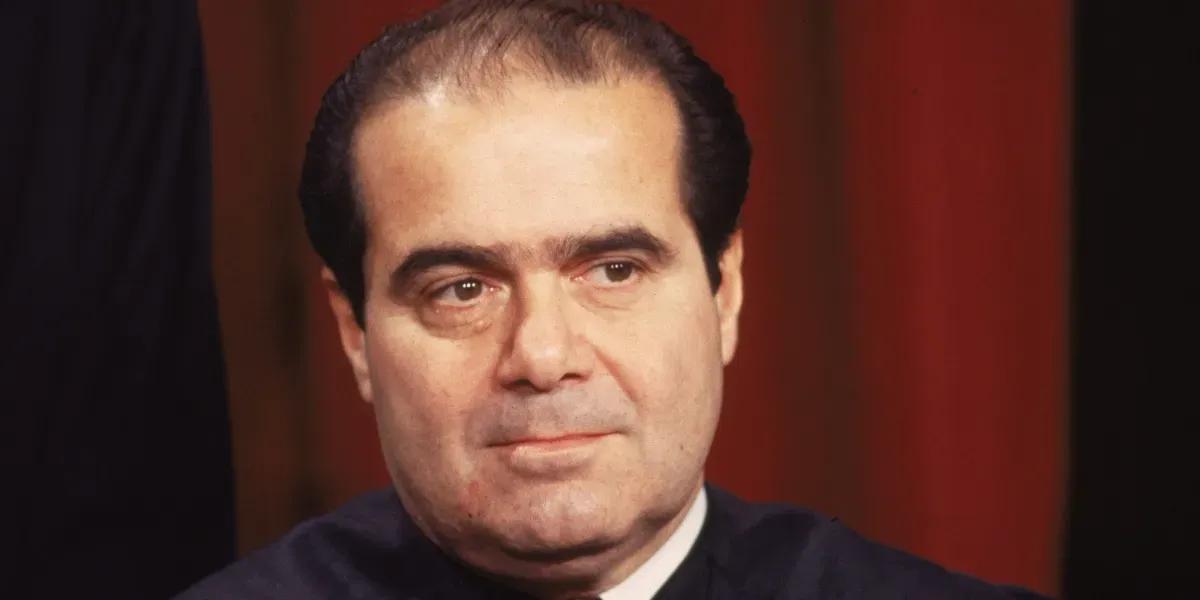
.Four pending federal cases are advancing at a moment when the conservative majority on the Supreme Court gives opponents of citizen suits a stronger chance of success than ever before. Legal experts observe that the current court resembles the late Justice Antonin Scalia's vision more closely than when he served, with those who previously lost cases now returning with hopes for favorable rulings
1
. The strategy requires winning early federal cases and creating disagreement between appeals courts to convince the Supreme Court that the issue warrants a nationwide ruling.
Source: Fortune
Elon Musk's xAI is fighting to dismiss the NAACP's lawsuit accusing the company of operating dozens of unpermitted gas turbines near Memphis to power a data center without obtaining required permits. The NAACP told a Mississippi federal court that these turbines pose a pollution threat to nearby residents, many of whom are Black, demanding that operations halt until the company complies with the law
2
. The Trump administration has intervened in support of xAI's position, aligning federal power behind the constitutional challenge.Related Stories
The Pacific Legal Foundation, a right-leaning legal organization with recent Supreme Court victories, selected a routine citizen suit in Tennessee federal court to mount a broader constitutional challenge. The foundation represents Springfield, a town of approximately 19,000 north of Nashville, in fighting allegations from Tennessee Riverkeeper that excessive sewage flowed from its treatment plant into a nearby creek, violating the Clean Water Act
1
. Tennessee Riverkeeper has filed 31 citizen suits under the Clean Water Act since 2010, a pattern the Pacific Legal Foundation characterizes as unelected activists forcing defendants to expend resources. Sean Radomski, an attorney for the foundation, argues that government enforcement ensures accountability to the people, though he clarifies the challenge doesn't target civil rights lawsuits where damages compensate those directly harmed2
.The central question in these legal challenges against citizen suits is who controls enforcement: government agencies or private citizens. Under current law, individuals filing citizen suits must notify the government beforehand, and federal agencies can stop the suit by pursuing the case themselves, though their options remain limited and the private party can stay involved. Citizen suits can force compliance and result in fines that flow to the U.S. Treasury rather than the plaintiffs
1
. Opponents argue this arrangement improperly transfers government enforcement functions to private parties, while supporters maintain it fills critical gaps when agencies lack resources or political will to enforce federal laws against corporate violators.Summarized by
Navi
16 Jun 2026•Policy and Regulation

30 Jul 2025•Policy and Regulation

11 Jun 2026•Policy and Regulation

1
Technology

2
Science and Research

3
Technology