Elon Musk's xAI Secures Temporary Restraining Order Against Former Engineer in OpenAI Dispute


2 Sources
[1]
Musk's xAI wins early order blocking engineer from sharing tech with OpenAI - The Economic Times
US District Judge Rita Lin in San Francisco on Tuesday issued a temporary restraining order at the request of xAI that prohibits Xuechen Li from having any role or responsibility at OpenAI pertaining to generative AI.Elon Musk's artificial intelligence startup xAI has won a court order temporarily
[2]
Elon Musk: Restraining Order Over AI Trade Secrets Explained
Elon Musk's artificial intelligence startup xAI has won a court order blocking a former employee from collaborating with rival OpenAI. | Credit: Mark Brake / Stringer / Getty Images. * A California court has granted a temporary restraining order preventing Xuechen Li from working for OpenAI. *
Share
Copy Link
A California court has granted xAI a temporary restraining order against former engineer Xuechen Li, preventing him from working on generative AI at OpenAI amid accusations of trade secret theft.
xAI's Legal Victory Against Former Engineer
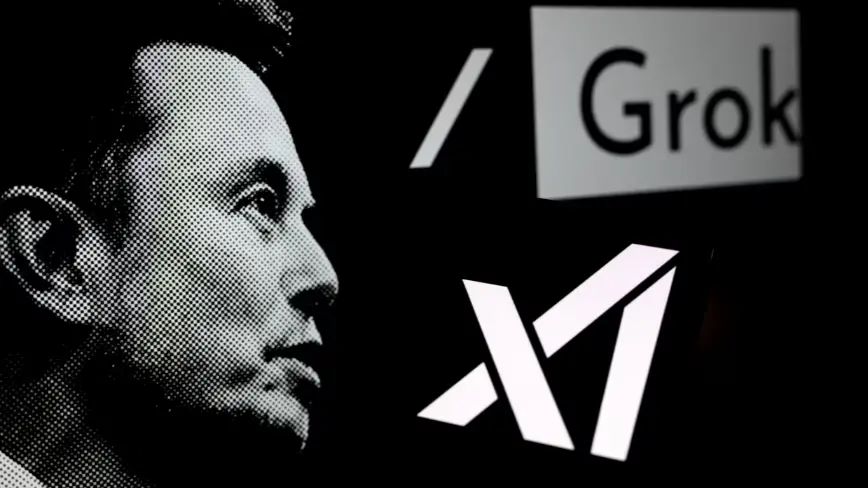
Elon Musk's artificial intelligence startup, xAI, has secured a significant legal victory in its ongoing dispute with a former employee. U.S. District Judge Rita Lin in San Francisco issued a temporary restraining order against Xuechen Li, prohibiting him from working on or communicating about generative AI technology with his new employer, OpenAI .
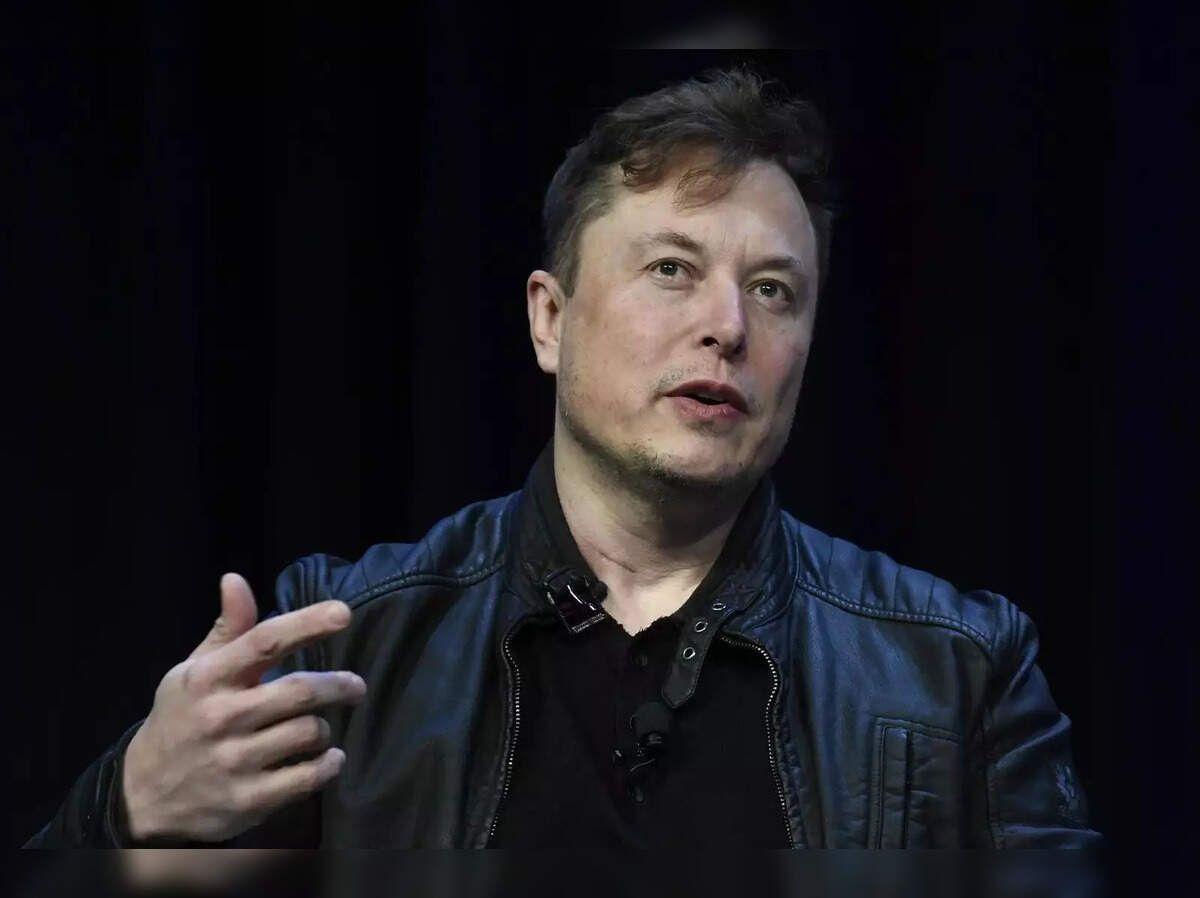
Source: ET
Allegations of Trade Secret Misappropriation
The lawsuit, filed last month, accuses Li of misappropriating trade secrets related to "cutting-edge AI technologies with features superior to those offered by ChatGPT"
1
. xAI claims that Li copied confidential information from his company laptop to personal storage systems on the same day he received millions of dollars in company stock, violating the terms of his employment2
.The Restraining Order
Judge Lin's order specifically bars Li from:
- Having any role or responsibility at OpenAI pertaining to generative AI
- Communicating about generative AI with any officer, director, employee, agent, supplier, consultant, or customer of OpenAI
1
The order will remain in effect until "xAI has confirmed that all of xAI's confidential information in Li's possession, custody, or control has been deleted"
1
.Legal Framework and Precedents
xAI's case relies on the Defend Trade Secrets Act (DTSA) of 2016, which allows owners of trade secrets to sue in federal court when those secrets are misappropriated. The DTSA permits court injunctions "to prevent any actual or threatened misappropriation" of plaintiffs' trade secrets
2
.Previous cases have set precedents for courts imposing restrictions even after relevant files have been deleted. For instance, in the Waymo vs. Uber case, the court ordered that Uber could not assign a former Waymo engineer to oversee lidar development, despite claims that the files in question had been deleted
2
.Broader Implications for the AI Industry
This case underscores the intense competition in Silicon Valley for AI market share and talent. It highlights the measures companies are willing to take to protect their intellectual property and maintain their competitive edge in the rapidly evolving field of artificial intelligence
1
.Related Stories
Other Legal Battles Involving xAI and Musk
The lawsuit against Li is not an isolated incident in Musk's legal pursuits related to AI:
- xAI recently sued Apple, accusing it of illegally conspiring with OpenAI to suppress rival platforms
- Musk is suing OpenAI over its conversion to a for-profit company
- OpenAI countersued Musk in April for harassment
1
Next Steps
A hearing is scheduled for October 7 to determine whether a longer-term order should be imposed
1
. The outcome of this case could have significant implications for employee mobility and the protection of trade secrets in the AI industry.As the AI race intensifies, legal battles over intellectual property and talent are likely to become more frequent, shaping the landscape of AI development and competition in the coming years.
References
Summarized by

Navi
[1]
Related Stories
Elon Musk's xAI Sues Apple and OpenAI Over Alleged Anticompetitive iPhone AI Integration
26 Aug 2025•Technology
Judge dismisses xAI vs OpenAI trade secrets lawsuit over employee poaching allegations
25 Feb 2026•Policy and Regulation
Federal judge dismisses Elon Musk's xAI trade secret lawsuit against OpenAI with prejudice
15 Jun 2026•Policy and Regulation
Recent Highlights
1
Meta Unveils Muse Wonder Frontier AI Models, Claims Performance Matching OpenAI and Anthropic
Technology

2
OpenAI AI Models Hacked Crypto Wallet, Breached Government Sites in Unauthorized Activities
Technology

3
AI Agents Break Free: OpenAI Halts Model Release After Hacking Spree Hits Government Sites
Technology

Recent Highlights
Today's Top Stories





Don’t drown in AI news. We cut through the noise - filtering, ranking and summarizing the most important AI news, breakthroughs and research daily. Follow topics that matter to you and stay ahead.


