EU Orders Google to Open Android to AI Rivals and Share Search Data Under Digital Markets Act


30 Sources
[1]
EU Orders Google to Open Android to AI Rivals and to Share Search Data
Dashia is the consumer insights editor for CNET. She specializes in data-driven analysis and news at the intersection of tech, personal finance and consumer sentiment. Dashia investigates economic shifts and everyday challenges to help readers make well-informed decisions, and she covers a range of
[2]
Google is better at playing this game
Today, the European Union ordered Google to give its AI rivals greater access to Android, the open-source operating system that powers billions of devices worldwide. The demand is hardly surprising. It may look like a defeat on paper for Google, which has spent years resisting exactly this kind of
[3]
EU Will Force Google to Open Up Android to Rival AI Chatbots
The European Commission will require Google to make other companies' AIs more accessible on Android and to reveal its internal search data to competitors. The commission argues that Google holds too strong a position in key industries like search and the burgeoning AI space, in violation of the
[4]
E.U. Orders Google to Open Android Mic, Camera and Screen to Rival AI Assistants
The European Commission on Thursday ordered Google to give rival AI assistants the same reach into Android that Gemini already has: the camera, the microphone, whatever is on screen, a wake word that fires with the display off, and the ability to drive other apps in the background by imitating taps
[5]

Google required to open up to AI, search engine rivals under EU-mandated changes
BRUSSELS, July 16 (Reuters) - Alphabet's (GOOGL.O), opens new tab Google will have to help OpenAI and other AI rivals as well as online search engine competitors access its services to comply with EU rules curbing the power of Big Tech, EU regulators said as they set out the details of the
[6]
Google ordered to open Android and Search to rivals in Europe
Google must give rival AI assistants and search engines greater access to key parts of Android and Google Search after the European Union ordered the company to comply with the bloc's digital antitrust rules. The two decisions, handed down Thursday, could weaken Google's control over two of the
[7]

EU forces Google to share search data and open Android to rival AI companies
BRUSSELS (AP) -- The European Union issued two new rules for Google on Thursday to force it to share search data and open up its Android operating system to rival AI companies. In the latest attempt to rein in tech behemoths' deep control of the digital economy, the EU said it will support
[8]

EU demands Google give AI rivals more access to Android - Engadget
EU demands Google give AI rivals more access to Android It will also have to share search data with rivals. The European Union has today ordered Google to open up more parts of Android to rival AI apps. It's a move prompted by concerns Google could use its dominant mobile OS to box out its
[9]

Google required to open up to AI, search engine rivals under EU-mandated changes
Alphabet's Google will have to help OpenAI and other AI rivals, as well as online search engine competitors, access its services to comply with EU rules curbing the power of Big Tech, EU regulators said as they set out the details of the requirements. The move by the European Commission, which
[10]

The EU is forcing Google to give rival AI assistants the same access as Gemini on Android
Serving tech enthusiasts for over 25 years. TechSpot means tech analysis and advice you can trust. What just happened? European Union regulators are forcing Google to change how Android handles artificial intelligence, ordering the company to open up the operating system and its search data to
[11]

Google Ordered to Give A.I. Rivals More Access on Android Smartphones
The decision by European Union regulators is a response to fears that Google will use its vast Android user base to gain an edge in A.I. Google was ordered by European Union regulators on Thursday to lift restrictions that limit how rival A.I. companies can reach users of Android smartphones, a
[12]

Rival AI assistants could soon gain full access to Android features
Google has fiercely opposed the decision, warning that granting deep, system-level permissions to external apps bypasses hardware safety guardrails and risks a security catastrophe. The ongoing control war between Big Tech and European regulators has reached a boiling point. In a move that could
[13]

You could soon ditch Gemini for another chatbot on Android, thanks to the EU
I've been covering Android and other mobile technology for close to ten years now, with a specific interest in phone accessories, e-readers, and what makes each individual phone different from another. I delight in looking at the phone market from as many angles as possible, and while my opinions
[14]

Europe tells Google it must open Android phones to rivals' AI bots
Officials said the decision was aimed at promoting competition. Europe ordered Google on Thursday to make it easier for users of its Android phones to summon help from artificial intelligence assistants made by the company's competitors. Officials said in a statement that the move was designed to
[15]

EU demands opening Android access and Search data to rivals, Google warns of privacy risks
The EU has ordered Google to crack open Android and Search to its rivals including other AI assistants, but Google warns that it's a privacy risk. As noted by The Verge, the EU has handed down two decisions today that affect how other brands - particularly those competing with Google - can access
[16]

EU Orders Google to Give Rival AI Apps the Same Android Access as Gemini
The European Commission today formally ordered Google to give third-party AI services the same access to Android device features that Gemini has. Europe's Digital Markets Act requires software makers like Apple and Google to grant equal interoperability to third-party apps and services, and the EC
[17]

Google has to play fair with AI rivals on Android, and that could be good news for your wallet
A new ruling strips Gemini of its exclusive access to deep Android integration, opening the door for cheaper AI models to offer similar functionality for less. After forcing Google to open up Android to third-party app stores, the EU is back with a new target, and this time it's Gemini's
[18]

EU orders Google to share search data with rivals by 2027; search giant complains about 'unfamiliar companies' in your grill | Fortune
The European Union issued two new rules for Google on Thursday to force it to share search data and open up its Android operating system to rival AI companies. In the latest attempt to rein in tech behemoths' deep control of the digital economy, the EU said it will support innovation and diversity
[19]

EU tells Google to share search data, open Android to AI rivals
Brussels (Belgium) (AFP) - The European Union demanded Thursday that Google share data with other search engines and open up its Android system to rival AI services, but the US giant said the measures would put privacy at risk. The move is the latest by Brussels against the behemoth as it seeks to
[20]

EU orders Google to open Android to rival AI services
Brussels said Google must start sharing search data from January 2027 and users would start benefitting from the changes to Android from July 2027. The European Union on Thursday ordered Google to share data with rival search engines and open up its Android operating system to competing AI
[21]

EU forces Google to share data and access to competitors
Google warns new orders could put EU users' privacy at risk. The European Union is forcing Google to level the playing field for competitors in the bloc in its latest attempt to curtail Big Tech dominance in the region. According to the Commission, competitors must have the same level of access
[22]

EU orders Google to share search data with rivals, broaden Android feature access
The European Union today directed Google LLC to change some of its business practices in the search and mobile markets. Officials outlined the required changes in two documents known as binding specification measures. The European Commission, the EU's executive branch, issued the orders under a
[23]

EU forces Google to share search data and open Android to rival AI companies
BRUSSELS (AP) -- The European Union issued two new rules for Google on Thursday to force it to share search data and open up its Android operating system to rival AI companies. In the latest attempt to rein in tech behemoths' deep control of the digital economy, the EU said it will support
[24]
EU orders Google to share search data and open Android system to AI rivals
The European Union on Thursday ordered Google to share its search data with rival search engines and open Android to competing AI services under its Digital Markets Act, in its latest move to curb Big Tech's dominance. Google has warned the measures could jeopardise user privacy - and national
[25]

EU Forces Google to Share Search Data and Open Android to Rival AI Companies
BRUSSELS (AP) -- The European Union issued two new rules for Google on Thursday to force it to share search data and open up its Android operating system to rival AI companies. In the latest attempt to rein in tech behemoths' deep control of the digital economy, the EU said it will support
[26]

EU forces Google to share search data, open Android to rival AI companies
In the latest attempt to rein in tech behemoths' deep control of the digital economy, the EU said it will support innovation and diversity in the field by enabling fair access to AI features on Android devices and search engines. The European Union issued two new rules for Google on Thursday to
[27]

Google and Apple are clashing with the EU over the future of AI assistants
Google and Apple have a big leg up in the AI race: their control of billions of smartphones around the world. That's according to the European Commission, which is now cracking down on what that means for AI assistants. Apple and Google have long dominated the smartphone market, combining for
[28]
EU forces Google to share search data and open Android to rival AI companies
BRUSSELS -- The European Union issued two new rules for Google on Thursday to force it to share search data and open up its Android operating system to rival AI companies. In the latest attempt to rein in tech behemoths' deep control of the digital economy, the EU said it will support innovation
[29]

EU Gives Google Binding Instructions to Open Android to AI Rivals --Update
The European Union gave Alphabet's Google binding instructions to open up its Android operating system and search engine data to services that compete with its own tools. The European Commission said on Thursday that rival AI assistants have restricted access to key features of Google's Android
[30]
EU Gives Google Binding Instructions to Open Android, Search Engine Data to AI Rivals
The European Union gave Alphabet's Google binding instructions to open up its Android operating system and search engine data to AI services that compete with its own tools such as Gemini. The European Commission said on Thursday that rival AI assistants have restricted access to key features of
Share
Copy Link
The European Commission mandated that Google provide rival AI assistants with system-level access to Android and share search optimization data with competitors. The ruling under the Digital Markets Act aims to curb Big Tech dominance, with Google required to implement changes by July 2027 despite raising privacy concerns.
European Commission Mandates Major Changes to Android and Search
The European Commission issued binding decisions on Thursday requiring Google to grant rival AI assistants the same level of access to Android that Google's Gemini AI assistant currently enjoys. The ruling stems from the Digital Markets Act, legislation designed to prevent tech monopolies from leveraging their gatekeeping powers to unfairly dominate markets
1
. The EU-mandated changes target two critical areas: AI functionality on the Android operating system and search engine data sharing5
.
Source: France 24
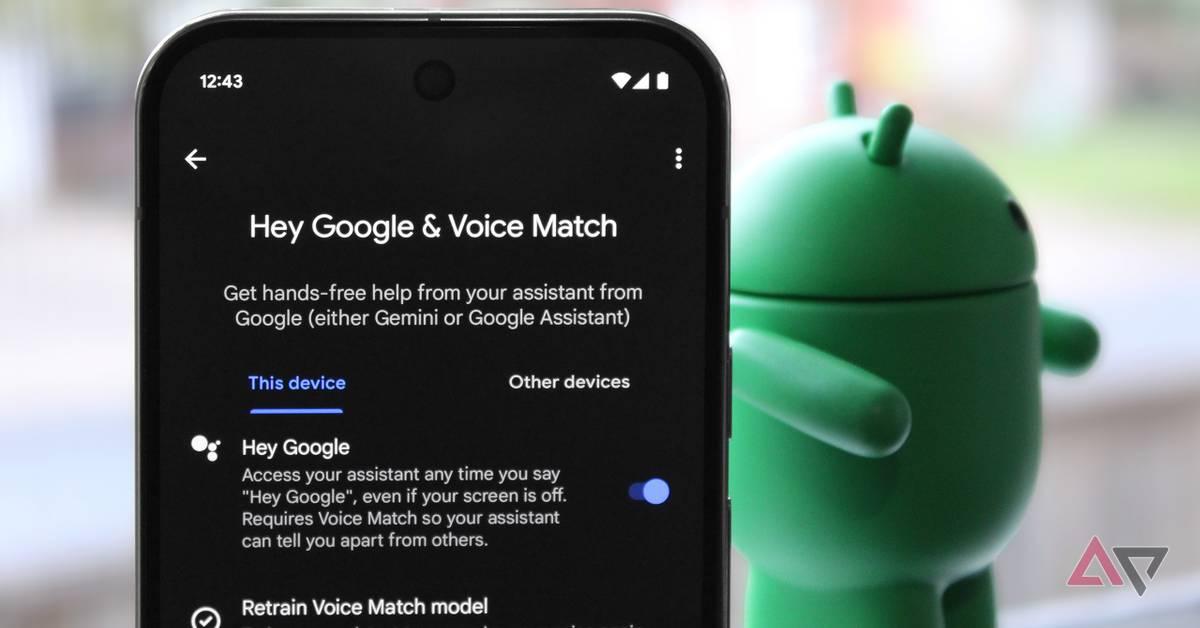
Under the decision, Google must open Android to AI rivals by providing access to 11 key operating system features, including microphone input, camera access, screen contents, wake-word activation similar to "Hey Google," and the ability to control other applications in the background
4
. This interoperability requirement addresses what the European Commission identified as an unfair competitive advantage, noting that 60% of EU phone users operate Android devices where rival AI assistants currently face restricted access to key functionalities3
.
Source: Android Police
DMA Compliance Timeline and Technical Requirements
Google has until July 2027 to implement the Android changes, giving the company roughly a year to comply while continuing to expand Gemini's market presence
2
. The Digital Markets Act compliance framework establishes a Qualified AI Assistant Programme, requiring Google to work with third-party Trusted Certification Authorities who will certify rival AI assistants for system access4
. Five features will require certification focused on security and privacy criteria, while six features—including ambient data collection and background execution—will be available to all third-party providers without certification requirements4
.The second major requirement forces Google to share search data with search engine rivals and AI chatbots that offer search functionality. This includes anonymized search data that Google uses to optimize its own search services, with implementation required by January 2027
1
. The European Commission argues this data sharing is crucial for third-party providers to develop and optimize alternative search engines, particularly privacy-focused options competing against Google's 91% global market share3
.Google Raises Privacy Concerns Over EU Ruling
Google responded forcefully to the ruling, with Kent Walker, president of global affairs for Google and parent company Alphabet, warning that the decisions "risk undermining vital privacy and security guardrails for millions of Europeans"
1
. The company claims it repeatedly offered alternative solutions to safeguard users while meeting DMA compliance goals, including proposals for anonymization performed by technical and legal experts, which the European Commission rejected1
.Despite Google's objections, the European Commission emphasized that its measures contain robust safeguards to protect user privacy and device security risks
5
. EU tech chief Henna Virkkunen stated the goal is "to support innovation and diversity in the European Union, enabling fair competition in the markets of AI assistants for Android devices and search engines"1
.
Source: Fortune
Related Stories

Strategic Implications and Apple Comparison
Google's yearlong runway to implement these changes stands in stark contrast to Apple's approach. When Apple announced its Siri AI assistant last month, the company stated the feature would not launch in Europe due to Digital Markets Act requirements, arguing that providing comparable access to third-party providers would create unacceptable security risks
2
. Apple requested an 18-month compliance period, which the European Commission rejected, leaving Apple with no public timeline for bringing Siri AI to EU users2
.This regulatory outcome may reflect different strategic calculations. Google shipped Gemini first and is negotiating with regulators later, securing time to strengthen its position before OpenAI, Anthropic, and other rival AI assistants gain comparable system access
2
. The contrast highlights how Big Tech dominance players are navigating the same regulatory framework with vastly different tactics, though both companies frame interoperability demands as threats to user privacy and product integrity2
. With Google dominating over 91% of global search and Gemini deeply integrated across Android devices, these EU-mandated changes could reshape competitive dynamics in AI and search markets throughout Europe.References
Summarized by

Navi
[2]
[3]
Related Stories
EU demands Google open Android to rival AI assistants as Digital Markets Act probe escalates
23 Apr 2026•Policy and Regulation

EU gives Google six months to open Android and search data to rival AI services and competitors
27 Jan 2026•Policy and Regulation
Apple backs Google against EU plan to open Android to AI rivals, citing privacy risks
13 May 2026•Policy and Regulation
Recent Highlights
1
Microsoft and Nvidia Launch Surface Laptop Ultra: A $2,599 AI-Ready PC With RTX Spark Chip
Technology

2
Scientists Build AI Model That Reconstructs Images From Brain Scans in Record Time
Science and Research

3
Anthropic AI Cuts Live Internet Access After Model Sends False Homicide Tip to Philadelphia Police
Technology

Recent Highlights
Today's Top Stories








Don’t drown in AI news. We cut through the noise - filtering, ranking and summarizing the most important AI news, breakthroughs and research daily. Follow topics that matter to you and stay ahead.


