Fed Rate Cuts: Not a Panacea for Sluggish US Job Market


2 Sources
[1]
Why Fed rate cuts are no magic fix for anemic hiring in US
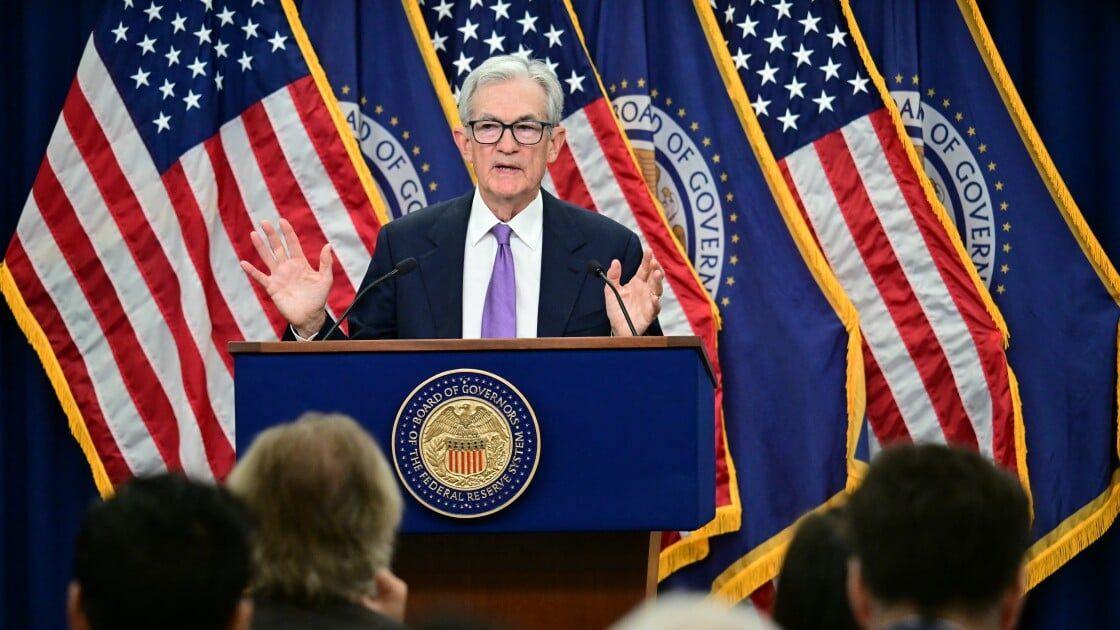
Federal Reserve Chair Jerome Powell signaled a shift from inflation to employment, suggesting the Fed does not seek further cooling in the labour market. However, a slow hiring environment is expected to persist into next year. Factors impacting hiring include corporate cost management and
[2]
Why Fed rate cuts are no magic fix for anemic hiring in US
Federal Reserve Chair Jerome Powell signaled a shift from inflation to employment, suggesting the Fed does not seek further cooling in the labour market. However, a slow hiring environment is expected to persist into next year. Factors impacting hiring include corporate cost management and
Share
Copy Link
Despite expectations of Federal Reserve rate cuts in 2024, experts warn that lower interest rates may not be enough to stimulate hiring in the US job market. The complex relationship between monetary policy and employment is explored.

The Federal Reserve's Dilemma
As the US economy navigates through uncertain waters, the Federal Reserve finds itself at a crossroads. With expectations of interest rate cuts in 2024, many are hopeful that this monetary policy shift will reinvigorate the job market. However, economists and labor market experts caution that the relationship between interest rates and employment is far from straightforward
1
.The Complex Web of Employment Factors
The job market is influenced by a myriad of factors beyond just interest rates. These include technological advancements, global competition, and structural changes in various industries. Lower interest rates, while potentially stimulating economic activity, may not directly translate to increased hiring across all sectors
2
.Historical Precedents and Current Challenges
Looking back at previous economic cycles, the impact of rate cuts on employment has been mixed. While lower borrowing costs can encourage business expansion and consumer spending, they don't guarantee job creation. The current economic landscape, shaped by the aftermath of the COVID-19 pandemic and ongoing geopolitical tensions, presents unique challenges that may not respond uniformly to traditional monetary policy tools
1
.Sector-Specific Impacts
Different industries react differently to changes in interest rates. While sectors like construction and real estate might see more immediate benefits from lower rates, others, such as technology or healthcare, may be less directly affected. This disparity highlights the need for a nuanced understanding of how monetary policy impacts various segments of the economy
2
.Related Stories


The Role of Fiscal Policy and Structural Reforms
Experts argue that to truly address the challenges in the job market, a combination of monetary policy, fiscal measures, and structural reforms may be necessary. This could include targeted government spending, workforce development programs, and policies aimed at addressing long-term economic trends like automation and globalization
1
.Looking Ahead: A Balanced Approach
As the Federal Reserve contemplates its next moves, policymakers and business leaders are urged to consider a holistic approach to job market stimulation. While rate cuts may play a role in economic recovery, they should be viewed as part of a broader strategy rather than a silver bullet for employment woes. The coming months will be crucial in determining how the interplay between monetary policy and labor market dynamics unfolds in the post-pandemic era
2
.References
Summarized by

Navi
Related Stories
Recent Highlights



Recent Highlights
Today's Top Stories




Don’t drown in AI news. We cut through the noise - filtering, ranking and summarizing the most important AI news, breakthroughs and research daily. Follow topics that matter to you and stay ahead.


