Fitbit Founders Launch Luffu, an AI Platform to Help Families Monitor Health and Ease Caregiving


6 Sources
[1]
Fitbit founders launch AI platform to help families monitor their health | TechCrunch
Fitbit founders James Park and Eric Friedman have announced the launch of a new AI startup called Luffu that aims to help families proactively monitor their health. The duo are developing an "intelligent family care system" that will start with an app experience and then expand into hardware
[2]
Fitbit Launches Luffu, AI-Powered Health Tracking for the Whole Family
If you've ever wanted a way to keep all of your family's health records in place, Fitbit may have come up with a solution. Fitbit, well-known for its fitness wearables, announced the launch of its own health care system on Wednesday. Luffu, which translates to the Old English word for "love," uses
[3]
'We're building something I want for my family and your family': Fitbit co-founders are launching a new family-wide health tracking app, but we have our reservations
While it could be a life-saver for caretakers of children and aging adults, there are concerns over the possible added stress it could spark Two years on from parting ways with Google, Fitbit co-founders James Park and Eric Friedman have stepped into a new era of fitness tracking with their new
[4]
Fitbit's founders push AI into family caregiving
Why it matters: After helping turn personal health tracking into a mass habit at Fitbit, James Park and Eric Friedman are betting the next big shift is shared health, tapping AI to help ease the heavy mental load of caregiving. Driving the news: Park and Friedman on Tuesday unveiled Luffu, a
[5]

Fitbit founders Park and Friedman launch AI startup Luffu
Fitbit founders James Park and Eric Friedman announced Luffu, a new AI startup developing an intelligent family care system to help families monitor health. The platform starts as an app and plans to expand into hardware devices, using AI to lighten the mental burden of caregiving. Park and
[6]

Worried About Your Family's Health? Say Hello to Luffu
The folks behind Fitbit say that their second healthcare journey is a shift from apps for individuals to those that can help a family A full nineteen years James Park and Eric Friedman began began their journey towards mapping personal health on a wearable via Fitbit, the duo is back again in an
Share
Copy Link
Fitbit co-founders James Park and Eric Friedman have launched Luffu, an AI-powered intelligent family care system designed to help families proactively monitor health. The platform addresses a growing need as 63 million U.S. adults now serve as family caregivers, up 45% from a decade ago. Starting as an app with plans to expand into hardware, Luffu uses AI to organize scattered health information and flag notable changes before they become crises.
Fitbit Co-Founders Return With AI-Powered Family Health Solution
Two years after exiting Google, Fitbit co-founders James Park and Eric Friedman have unveiled Luffu, a new AI startup developing an intelligent family care system aimed at transforming how families approach health monitoring
1
. The platform addresses a pressing challenge facing millions of Americans: the mental burden of family caregiving. According to recent research, approximately 63 million U.S. adults, nearly one in four, now serve as family caregivers, marking a 45% increase over the past decade1
5
. This dramatic rise underscores the urgent need for tools that can alleviate the burden of caregiving while helping families stay coordinated across multiple health concerns.
Source: Axios
From Personal Fitness to Family Health Tracking
Luffu represents a significant pivot from Park and Friedman's previous work at Fitbit, where they helped nearly 150 million people track individual fitness metrics
4
. The name Luffu translates to the Old English word for "love," reflecting the platform's mission to support families through shared health management2
. Park's personal experience caring for his parents from across the country drove the concept. "I was caring for my parents from across the country, trying to piece together my mom's health care across various portals and providers, with a language barrier that made it hard to get complete, timely context from her about doctor visits," Park explained1
. The self-funded startup currently employs about 40 people, many from Google and Fitbit, and is in private testing with a waitlist available for early access4
.
Source: CNET
How the AI-Powered System Works to Monitor Family Health
Luffu's AI-powered system operates primarily in the background to organize health information scattered across devices, portals, calendars, attachments, spreadsheets, and paper documents
1
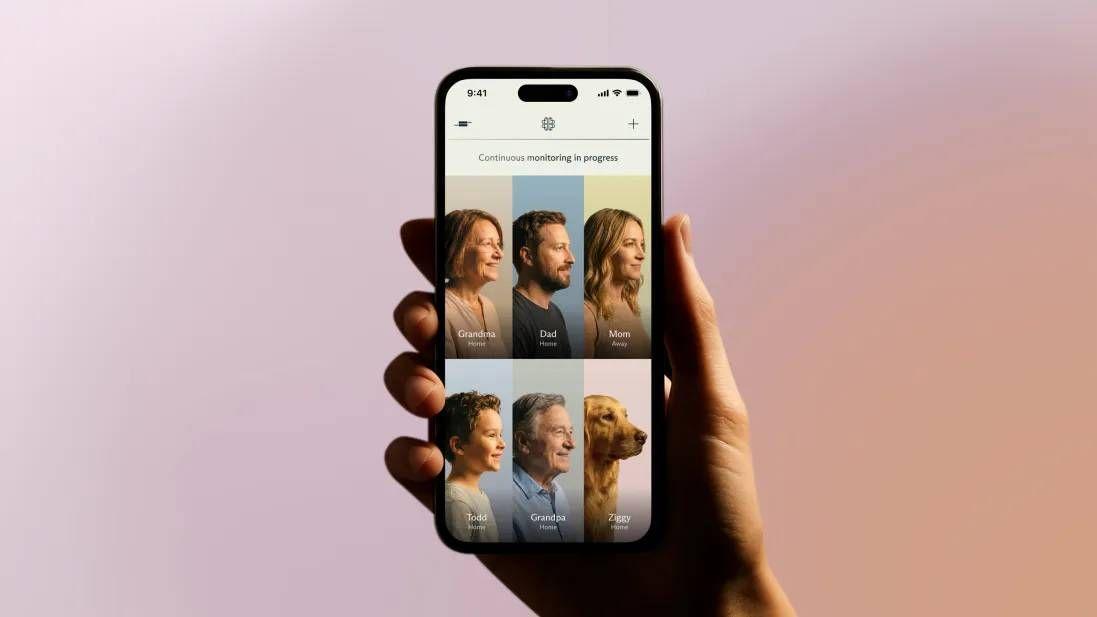
. Users can track details for the entire family, including partners, children, parents, and even pets, logging health stats, diet, medications, symptoms, lab tests, and doctor visits through voice input, text, or photos1
5
. The health tracking app learns day-to-day health patterns and proactively watches for changes, surfacing insights and alerts such as unusual vitals, changes in sleep, or missed medications1
. Users can ask plain-language questions like "Is Dad's new meal plan affecting his blood pressure?" or "Did someone give the dog his medication?" and receive tailored answers or charts4
. The platform connects to third-party apps and wearables, including Fitbit devices, to consolidate data consolidation into a single, accessible view2
.
Source: TechRadar
Related Stories

Privacy Controls and the Guardian Philosophy
Addressing potential privacy concerns, Park and Friedman emphasize that families maintain full control over what information is shared and with whom. "Our philosophy is quiet most of the time, helpful at the right time," the founders told Axios, describing Luffu as a guardian rather than a surveillance system
4
. Users can designate another person to have "Guardian" level control over their account, allowing full management of care and permissions4
. People will also control whether their data trains Luffu's AI models4
. Alerts are customizable and designed to reduce anxiety rather than create it, addressing Park's personal concern: "I didn't want to constantly check in, and she didn't want to feel monitored"1
.Concerns About Added Stress and Future Hardware Plans
While Luffu could prove valuable for caregivers juggling multiple responsibilities, some experts express reservations. Matt Evans, a senior fitness and wellness editor, notes that "constant streams of information about your loved ones might lead to obsessive checking and encouraging that kind of 'helicopter' parenting and family management, a bit like constantly refreshing social media feeds"
3
. He warns that without careful implementation, the stress of "cyberchondria" could add to a caregiver's mental load rather than alleviate it3
. Despite these concerns, the company plans to expand beyond its current app into hardware devices, though Park and Friedman are focused on refining the software and onboarding early users first4
. As the platform evolves, it will need to balance comprehensive health records management with user experience that truly reduces rather than compounds the complexity of family caregiving.References
Summarized by

Navi
Related Stories
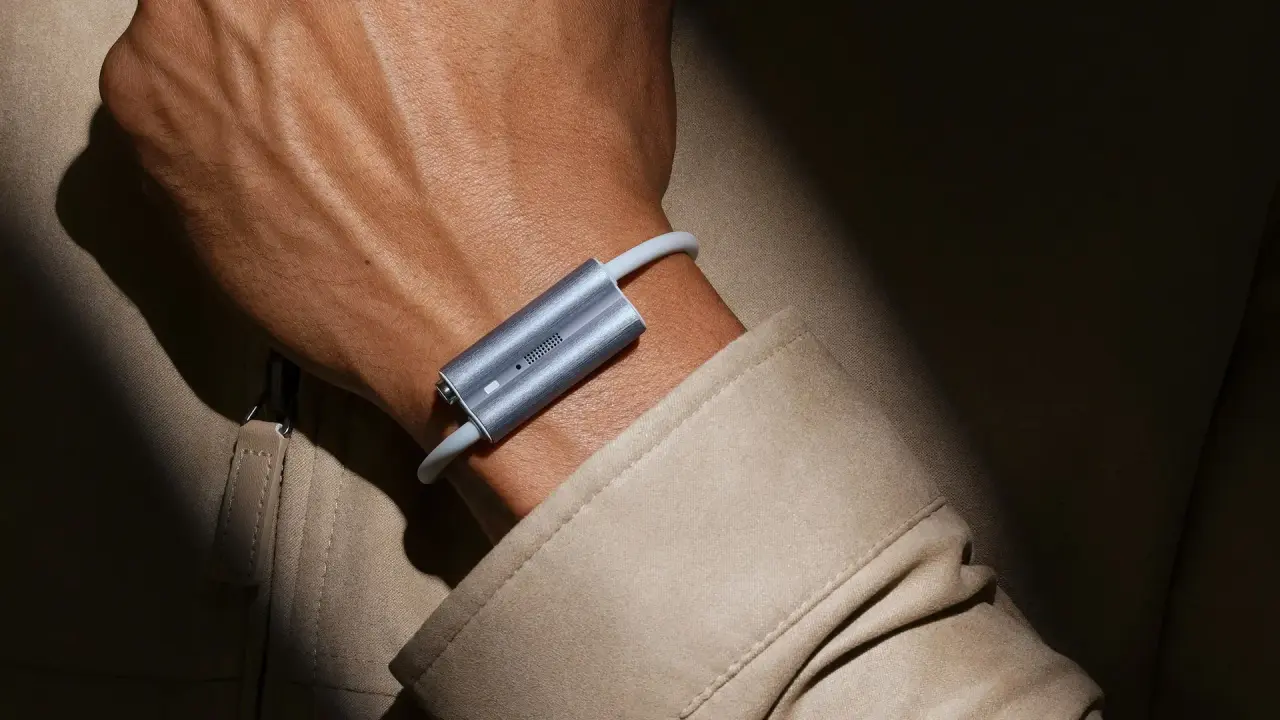
Fitbit Founders Launch Luffu Link, a $250 Family Health Wearable with GPS and Voice Logging
26 Aug 2026•Technology
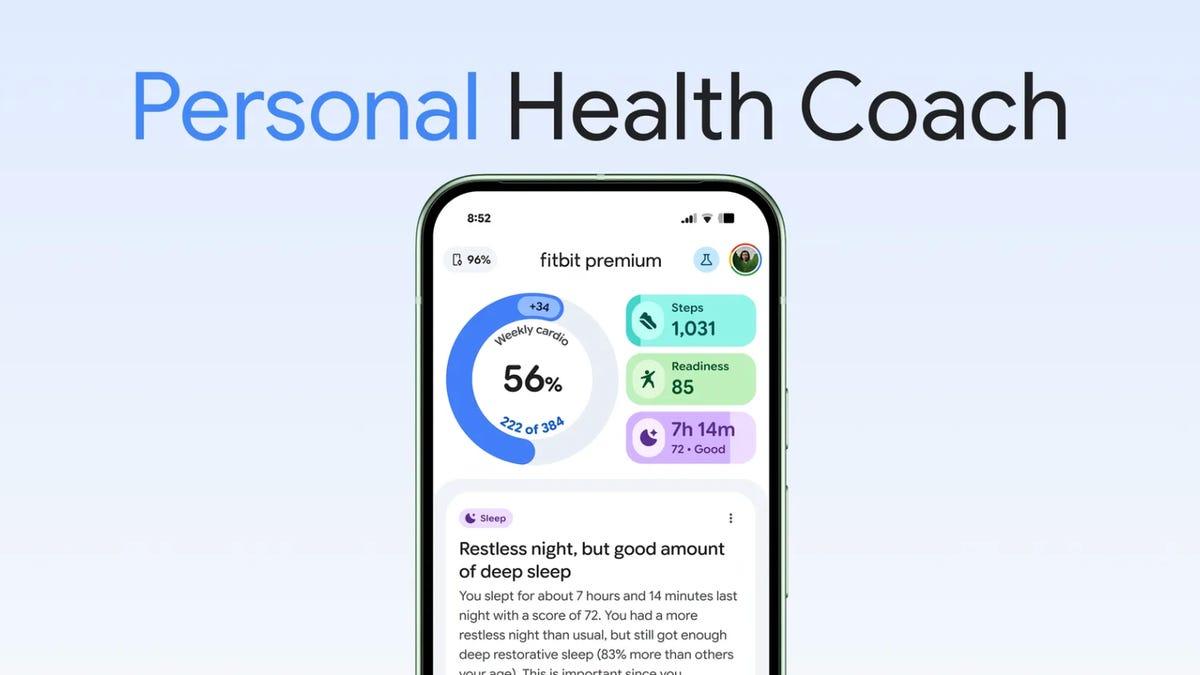
Fitbit AI Coach will read your medical records next month as Google pushes deeper into healthcare
18 Mar 2026•Technology
Fitbit Labs Introduces AI-Powered Health Features to Enhance User Experience
13 May 2025•Technology

Recent Highlights



Recent Highlights
Today's Top Stories






Don’t drown in AI news. We cut through the noise - filtering, ranking and summarizing the most important AI news, breakthroughs and research daily. Follow topics that matter to you and stay ahead.


