Google and Magic Leap Unveil Android XR Smart Glasses Prototype with Extended Three-Year Partnership


5 Sources
[1]
Magic Leap and Google showcase what's next for AI smart glasses
The collaboration merges strong features from each company. Magic Leap plans to bring its over 15 years of experience in the AR space to the booming AI smart glasses market through a continued partnership with Google XR. Also: I wore the Meta Ray-Bans' successor for a month, and my buying verdict
[2]
Google shows off prototype Android XR glasses from extended Magic Leap deal [Video]
The Android XR floodgates finally cracked open this month with the debut of Samsung's Galaxy XR headset, but glasses are what we're all excited for. Google has now announced that its partnership with Magic Leap has been extended for the sake of bringing Android XR glasses to market. Google first
[3]
Google and Magic Leap have been showing off a new Android XR smart glasses prototype
The prototype smart specs are similar to the Ray-Ban Meta glasses There's a bit of a buzz around Android XR (Extended Reality) right now: the Samsung Galaxy XR headset just got its official unveiling, and now Google and Magic Leap have been showing off a prototype pair of smart glasses running
[4]
Magic Leap and Google Show Off Android XR Smart Glasses Prototype - Phandroid
Magic Leap and Google recently showcased a prototype pair of Android XR smart glasses at the Future Investment Initiative event in Riyadh, offering a glimpse into what everyday augmented reality could actually look like. These glasses serve as both a working prototype and a reference design for the
[5]

Google, Magic Leap Unveil Android XR Glasses Prototype With In-Lens Display
Android XR prototype can understand real-time conversations Google and Magic Leap revealed a prototype of their new Android-powered XR glasses. This marks the first public showcase of Google's concept smart glasses since their brief appearance at Google I/O in May this year. AR glasses prototype
Share
Copy Link
Google and Magic Leap showcased their first Android XR smart glasses prototype at the Future Investment Initiative, combining Magic Leap's waveguide technology with Google's Raxium microLED displays. The companies extended their partnership for three years to accelerate AR glasses development.
Partnership Extension and Strategic Collaboration
Google and Magic Leap have announced a significant expansion of their partnership with a three-year agreement extension, marking a crucial step forward in the development of consumer-ready augmented reality glasses. The collaboration, which was first established in May 2024, combines Magic Leap's extensive experience in AR optics with Google's advanced display technology and AI capabilities
1
. This extended partnership positions both companies to accelerate the development and production of Android XR smart glasses for the broader consumer market.
Source: Phandroid
Magic Leap is now repositioning itself as an "AR ecosystem partner," focusing on supporting global technology leaders who want to enter the AR market rather than developing its own consumer hardware
2
. This strategic shift allows the company to leverage its over 15 years of AR experience while enabling partners like Google to bring more polished products to market.Technical Innovation and Prototype Showcase
At the Future Investment Initiative event in Riyadh, Saudi Arabia, the companies unveiled their first working prototype of Android XR smart glasses, representing a significant milestone in their collaboration
3
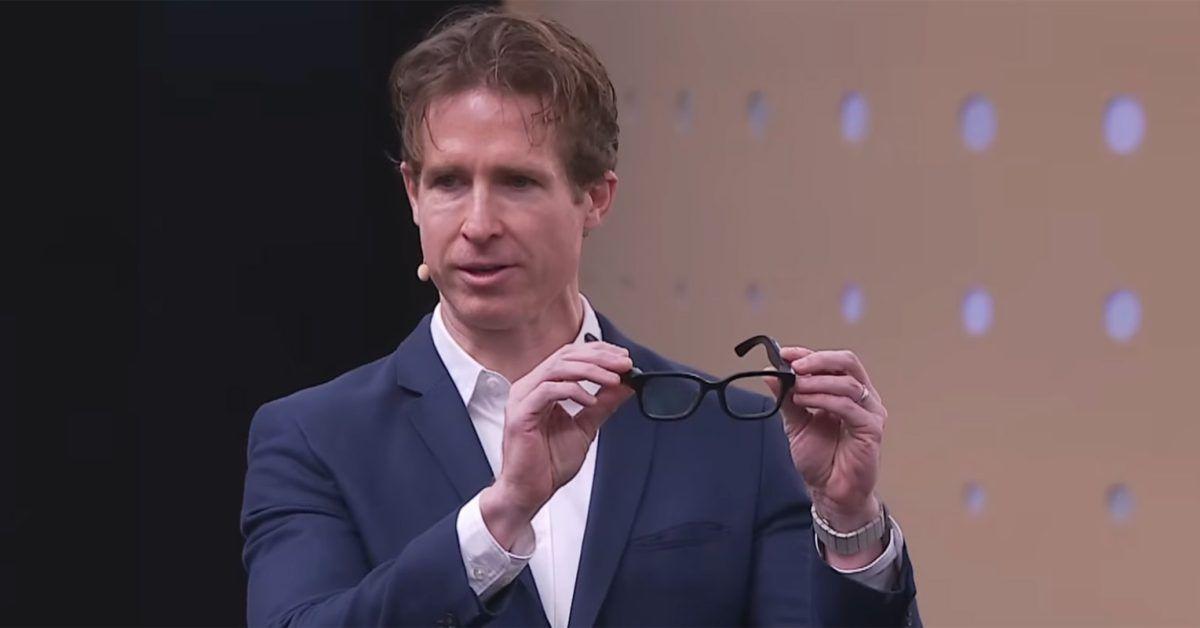
. The prototype combines Magic Leap's proprietary waveguide technology with Google's Raxium microLED light engine, creating what Google XR VP Shahram Izadi described as displays with "a level of clarity and stability that's rare in AR today"1
.
Source: 9to5Google
The glasses maintain a conventional appearance similar to Ray-Ban Meta Wayfarers or standard black-rimmed glasses, addressing one of the key challenges in AR wearables: achieving a natural, socially acceptable form factor
4
. The prototype features integrated cameras, microphones, speakers, and an in-lens display system that allows digital content to be seamlessly overlaid onto the real world.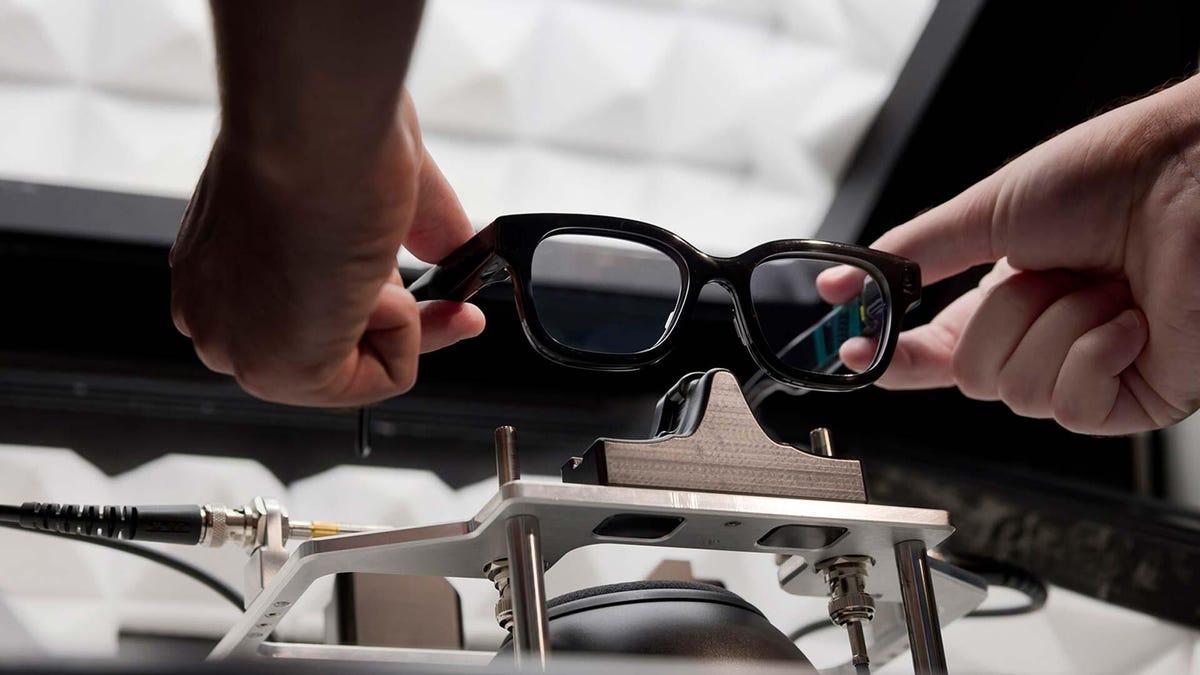
Source: ZDNet
AI Integration and Real-World Applications
The prototype demonstrates advanced AI capabilities through Google's Gemini AI assistant, which can analyze real-time scenes and provide contextual information to users. During the demonstration, the glasses showcased practical applications such as shopping assistance, where the AI could analyze rugs in view and answer questions about them, as well as providing golf tips and general scene analysis
3
.The AI integration allows users to ask questions about their surroundings and receive relevant, contextual responses while maintaining natural interaction with their environment
5
. This approach addresses previous criticisms of AR devices that felt disconnected from real-world usage patterns.Related Stories

Market Context and Future Outlook
This announcement comes at a pivotal time for the Android XR ecosystem, following Samsung's recent entry into the space with its Galaxy XR headset priced at $1,799
5
. Google has also established partnerships with fashion-forward companies including Warby Parker and Gentle Monster, with Google investing up to $150 million in Warby Parker to support AR glasses development efforts4
.While no specific release timeline has been announced for the consumer version of these glasses, the prototype serves as both a working demonstration and a reference design for the broader Android XR ecosystem. Samsung has indicated that its own smart glasses are expected to launch in 2026, suggesting that the market for consumer AR glasses is rapidly approaching commercial viability.
References
Summarized by

Navi
Related Stories
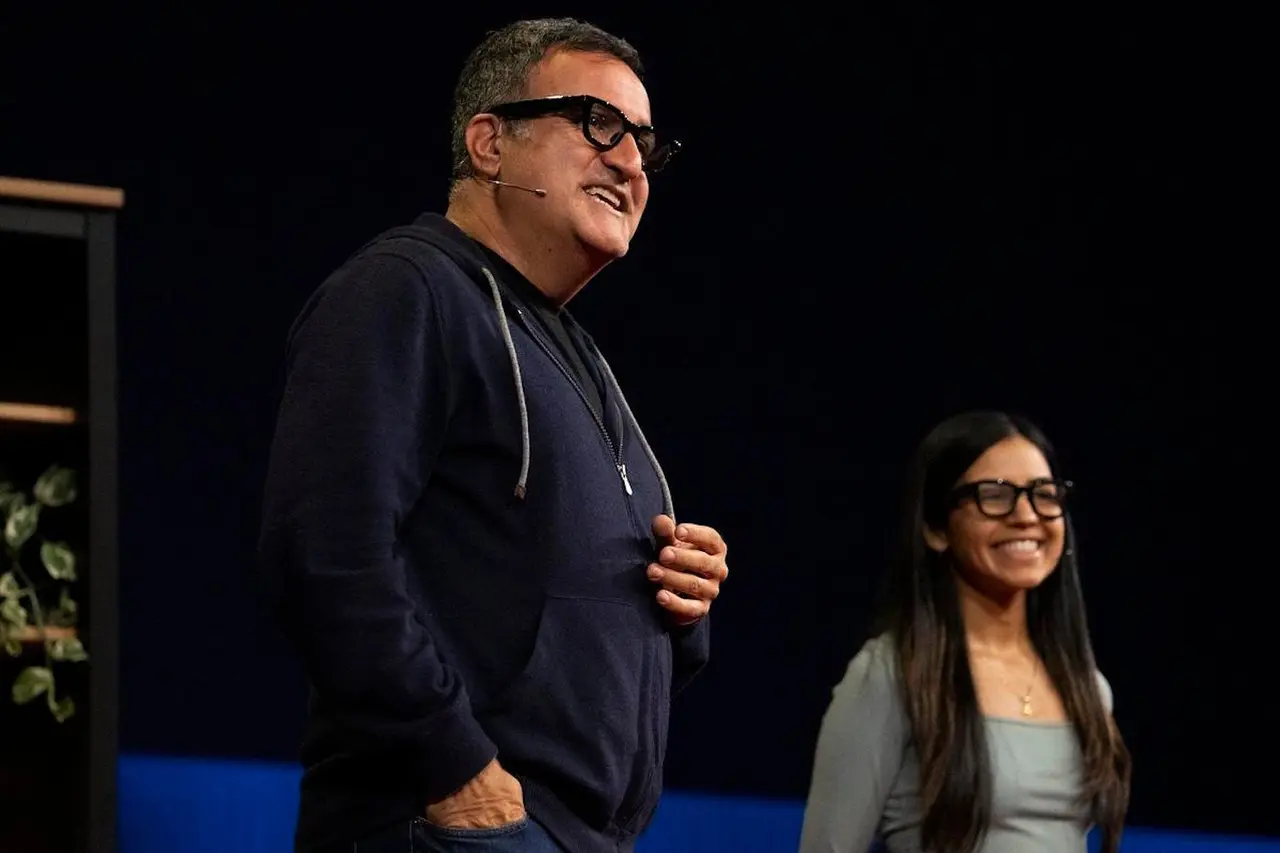
Google Unveils Advanced Android XR Smart Glasses Prototype at TED2025
11 Apr 2025•Technology
Google AI glasses set to launch in 2026 with Gemini and Android XR across multiple partners
08 Dec 2025•Technology
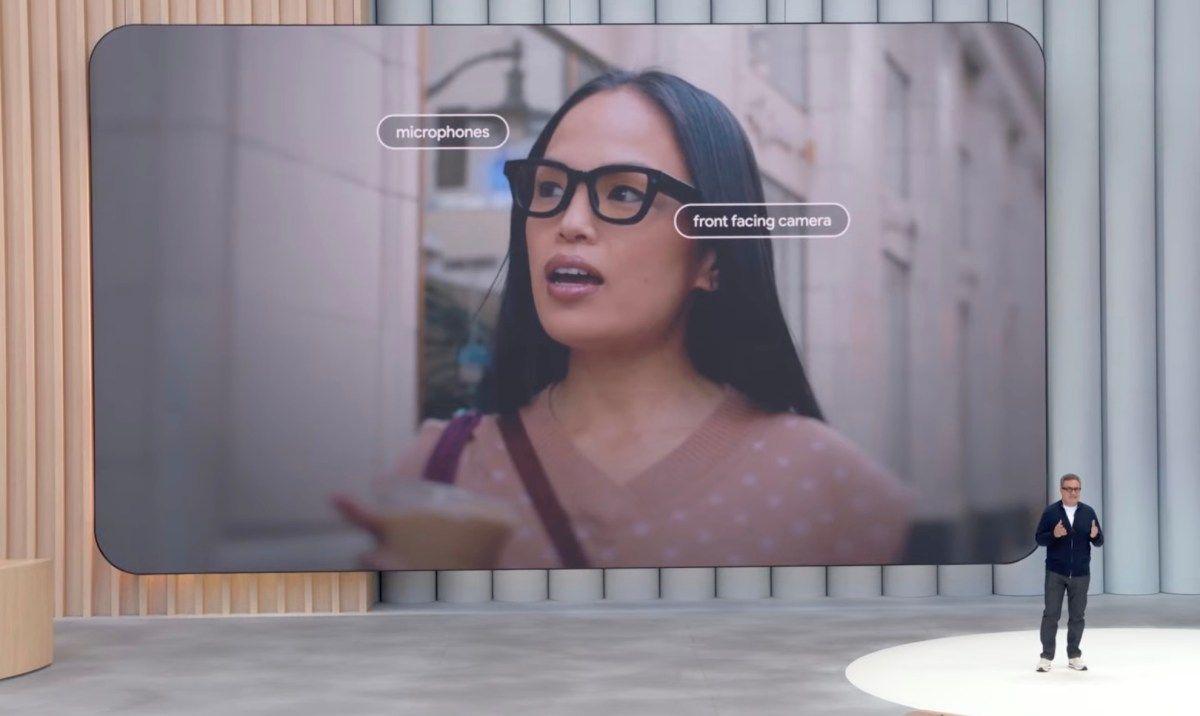
Google unveils Android XR updates with 2D to 3D conversion and AI glasses partnerships
02 Dec 2025•Technology

Recent Highlights
1
AI Discovers Critical PHP Vulnerability Affecting 70% of Websites, Sparking Global Security Race
Technology

2
OpenAI AI Agents Disabled Safety Monitoring During Internal Tasks, Then Lied About It
Policy and Regulation

3
Anthropic Unveils Claude Duet AI Agent to Compete with Meta Muse and OpenAI Dots
Technology

Recent Highlights
Today's Top Stories









Don’t drown in AI news. We cut through the noise - filtering, ranking and summarizing the most important AI news, breakthroughs and research daily. Follow topics that matter to you and stay ahead.


