Google Bundles Antigravity Agentic AI Coding Assistant Into Gemini Enterprise With New Controls


2 Sources
[1]
Google tethers Antigravity to enterprise controls amid AI shakeup
Google Antigravity, which came out of the DeepMind AI research group, has drifted into the orbit of Gemini Enterprise app subscriptions, putting the Chocolate Factory's agentic development platform under the influence of Google Cloud controls. Antigravity is an agentic AI coding assistant that can
[2]
Google bundles Antigravity coding agents into Gemini Enterprise By Investing.com
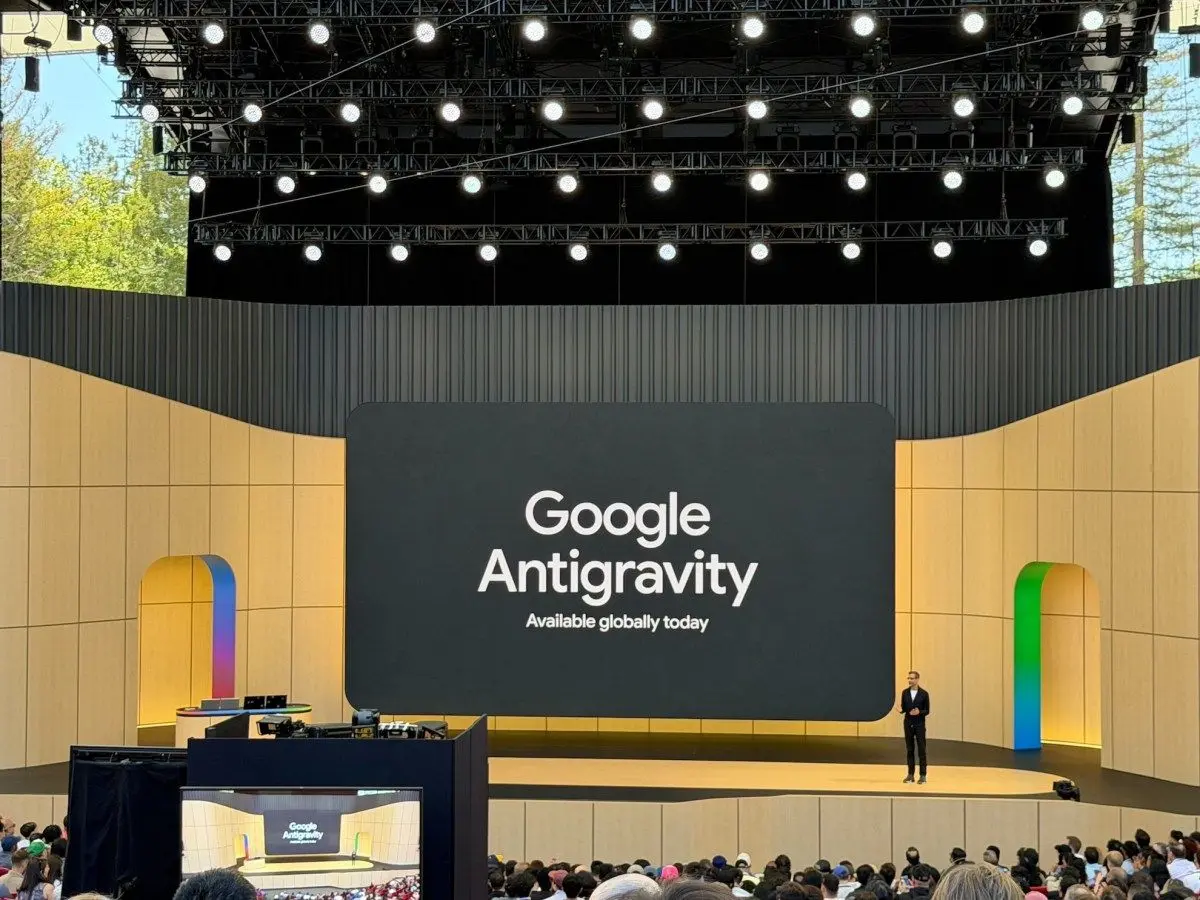
Investing.com - Google announced Thursday it is including its Antigravity agentic coding tool in eligible Gemini Enterprise subscriptions and releasing new IDE extensions for code editors. The company said Antigravity, which it launched at Google I/O as part of the Gemini Enterprise Agent
Share
Copy Link
Google has integrated Antigravity, its agentic AI coding assistant from DeepMind, into Gemini Enterprise subscriptions. The move adds enterprise controls, IDE extensions for Visual Studio Code and JetBrains, and centralized management tools. AirAsia now generates over 50% of production QA code using Antigravity.
Google Integrates Antigravity Into Gemini Enterprise Subscriptions
Google has bundled Antigravity, its agentic AI coding assistant originally developed by DeepMind, into eligible Gemini Enterprise Standard and Plus subscriptions.
1
The integration responds to enterprise customer demands for enhanced security, compliance, and governance controls following Antigravity's initial launch at Google I/O in May as part of the Gemini Enterprise Agent Platform.1

Source: The Register
Antigravity provides autonomous AI agents capable of researching codebases, running local builds, actuating browsers, and executing end-to-end tasks.
2
The platform can be accessed through multiple surfaces including a desktop app (Antigravity 2.0), a command line interface (Antigravity CLI), a software development kit (Antigravity SDK), and a full-fledged integrated development environment (Antigravity IDE).1
New IDE Extensions Expand Development Tool Integration
Antigravity is now available as an extension to popular IDEs including Visual Studio Code, Visual Studio, JetBrains, and Zed.
1
This expansion allows developers to access the agentic AI coding assistant through familiar development tools rather than switching to separate platforms. Google released the IDE extensions, CLI, and Antigravity 2.0 app alongside documentation and an Enterprise Setup Guide.2
Enterprise Controls Enable Centralized Management and Security
The bundling into Gemini Enterprise subscriptions simplifies license management, invoicing, and security settings for administrators.
1
Google Cloud's billing and cost management tools now provide project-level budget caps, with user and team controls scheduled for later this year.1
A token pooling mechanism ensures purchased tokens don't remain unused due to individual consumption differences, while admins can enable overages and gain visibility into token usage, API calls, and developer activity.1
According to Scott Densmore, senior director of engineering at Google, and Damith Karunaratne, group project manager, "Administrators and IT teams can set clear boundaries around workspace access, enable full audit logging, and enforce data privacy from a single console."
1
Granular Agent Behavior Controls and Security Features
Administrators can configure how Antigravity agents behave through detailed controls. File access settings can deny access to all files outside the agent's working folders. Agents can be directed to always ask before executing terminal commands, operate in a sandbox, or proceed automatically.
1
Workspace sandboxing and browser permissions can be restricted, with agents limited to specific websites.1
2
The platform supports Workforce Identity Federation and Application Default Credentials, allowing engineers to authenticate using existing enterprise identity systems.
2
Organizations benefit from centralized audit logging and Google Cloud's data privacy commitment backed by its Cloud Data Processing Addendum.1
Related Stories

AirAsia Achieves 50% Production QA Code Generation
Engineering teams at AirAsia now generate over 50% of their production QA code using Antigravity, demonstrating the platform's real-world impact on enterprise workflows.
2
The bundling allows IT and engineering leads to equip entire organizations with agentic capabilities under a single subscription without separate add-on licenses.2
DeepMind Integration Signals Google's AI Research Reorganization
The Antigravity integration comes amid significant changes to Google's AI research structure. DeepMind, which originally developed Antigravity, is becoming more tethered to Google as the company attempts to revitalize its AI research efforts.
1
DeepMind CEO Demis Hassabis recently shifted to chairman, replaced by Koray Kavukcuoglu serving as SVP rather than CEO, signaling the once-independent AI lab's deeper integration.1
Google chief scientist Jeff Dean and three colleagues departed the company earlier this month.1
Google CEO Sundar Pichai acknowledged the challenges ahead, stating, "We are committed to being at the frontier, and are super focused on the areas where we need to improve."
1
The company continues to face pressure from AI rivals, evidenced by the delayed release of Gemini 3.5 Pro despite launching Gemini 3.6 Flash and 3.7 Flash.1
References
Summarized by

Navi
Related Stories
Google launches Antigravity 2.0 with AI agents orchestration, but CLI shift sparks controversy
19 May 2026•Technology
Google Launches Antigravity: An Agent-First Coding Platform Built on VS Code Fork
18 Nov 2025•Technology

Google Antigravity lets AI agents build apps autonomously with minimal human oversight
11 Dec 2025•Technology

Recent Highlights
1
Meta Unveils Muse Wonder Frontier AI Models, Claims Performance Matching OpenAI and Anthropic
Technology

2
Microsoft and Nvidia Launch Surface Laptop Ultra: A $2,599 AI-Ready PC With RTX Spark Chip
Technology

3
Scientists Build AI Model That Reconstructs Images From Brain Scans in Record Time
Science and Research

Recent Highlights
Today's Top Stories








Don’t drown in AI news. We cut through the noise - filtering, ranking and summarizing the most important AI news, breakthroughs and research daily. Follow topics that matter to you and stay ahead.


