Google DeepMind Unveils Cloud-Free AI Model for Autonomous Robots


9 Sources
[1]
Google's new robotics AI can run without the cloud and still tie your shoes
We sometimes call chatbots like Gemini and ChatGPT "robots," but generative AI is also playing a growing role in real, physical robots. After announcing Gemini Robotics earlier this year, Google DeepMind has now revealed a new on-device VLA (vision language action) model to control robots. Unlike
[2]
Google rolls out new Gemini model that can run on robots locally
Google DeepMind on Tuesday released a new language model called Gemini Robotics On-Device that can run tasks locally on robots without requiring an internet connection. Building on the company's previous Gemini Robotics model that was released in March, Gemini Robotics On-Device can control a
[3]
Google DeepMind's optimized AI model runs directly on robots
Emma Roth is a news writer who covers the streaming wars, consumer tech, crypto, social media, and much more. Previously, she was a writer and editor at MUO. Google DeepMind is rolling out an on-device version of its Gemini Robotics AI model that allows it to operate without an internet
[4]
New Gemini AI lets humanoid robots think and act without internet
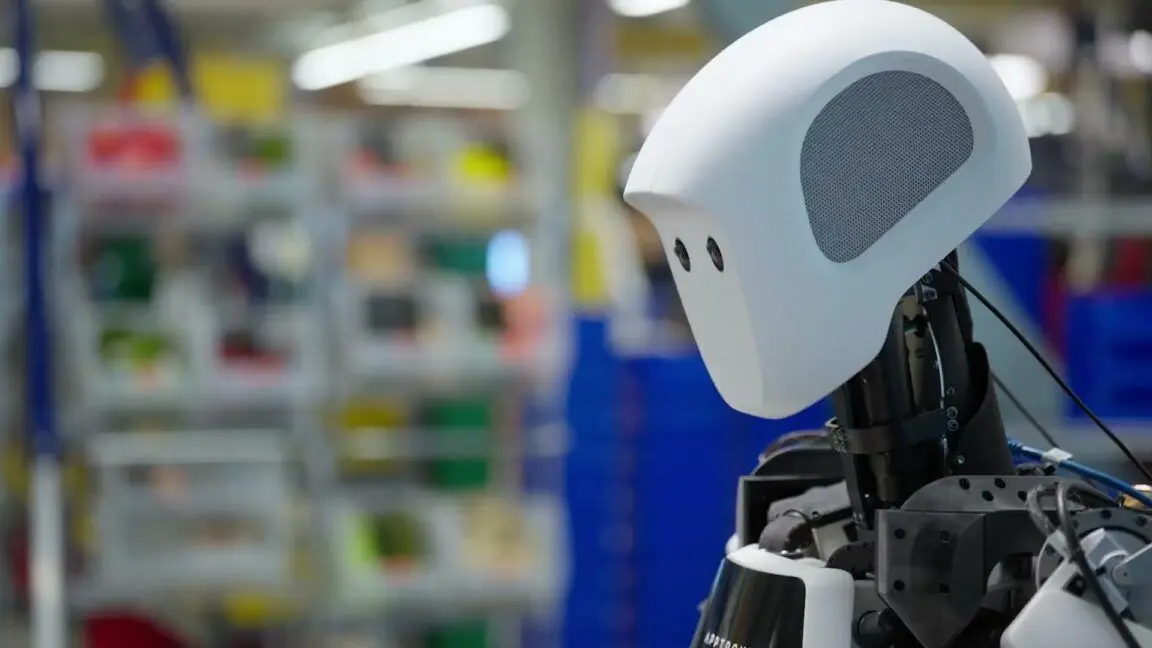
Humanoid robot prepares to interact with objects using Google's offline Gemini AI. Google DeepMind has launched a powerful on-device version of its Gemini Robotics AI model. The new system can control physical robots without relying on cloud connectivity. It marks a major step in deploying fast,
[5]

Google's new Gemini AI model means your future robot butler will still work even without Wi‑Fi
For years, we've been promised robot butlers capable of folding your laundry, chopping your onions, and essaying a witty bon mot like the ones in our favorite period dramas. One thing those promises never mention is that accidentally unplugging your router might shut down that mechanical Jeeves.
[6]

Google Releases New Gemini Robotics Model That Functions On-Device
Google says the model can learn new tasks with 50-100 demonstrations Google DeepMind released a new Gemini Robotics artificial intelligence (AI) model on Tuesday that can run entirely on a local device. Dubbed Gemini Robotics On-Device, it is a voice-language-action (VLA) model that can make
[7]

Google Releases Gemini Robotics On-Device to Locally Handle Robots
Google is offering access to the On-Device model via the Gemini Robotics SDK. Following the release of Gemini Robotics in March which is Google DeepMind's state-of-the-art vision-language-action (VLA) model, the company has now introduced Gemini Robotics On-Device. As the name suggests, it's a VLA
[8]

Google Unveils Gemini Robotics: The Future of On-Device AI for Robots
Inside Google's Gemini Robotics: A New Era of On-Device AI and Natural Language Robot Control Google DeepMind has introduced an upgrade to Gemini Robotics with the new AI model called Gemini Robotics On-Device. This model runs directly with the assistance of robots, without an internet connection.
[9]

Google's new Gemini AI model can run robots locally without internet, here's how
Prioritizes semantic and physical safety, guided by Google's internal standards. Google has formally unveiled a new iteration of Gemini AI that can function solely on robotic hardware and doesn't require an internet connection. The model, called Gemini Robotics On-Device, provides task
Share
Copy Link
Google DeepMind releases Gemini Robotics On-Device, an AI model that allows robots to operate autonomously without cloud connectivity, marking a significant advancement in robotics and AI integration.
Google's Breakthrough in AI Robotics
Google DeepMind has unveiled a groundbreaking advancement in artificial intelligence for robotics with the release of Gemini Robotics On-Device, a new AI model that enables robots to operate autonomously without the need for cloud connectivity
1
2
. This development marks a significant step forward in the integration of AI and robotics, potentially revolutionizing the field and expanding the applications of robotic systems.The Power of On-Device AI
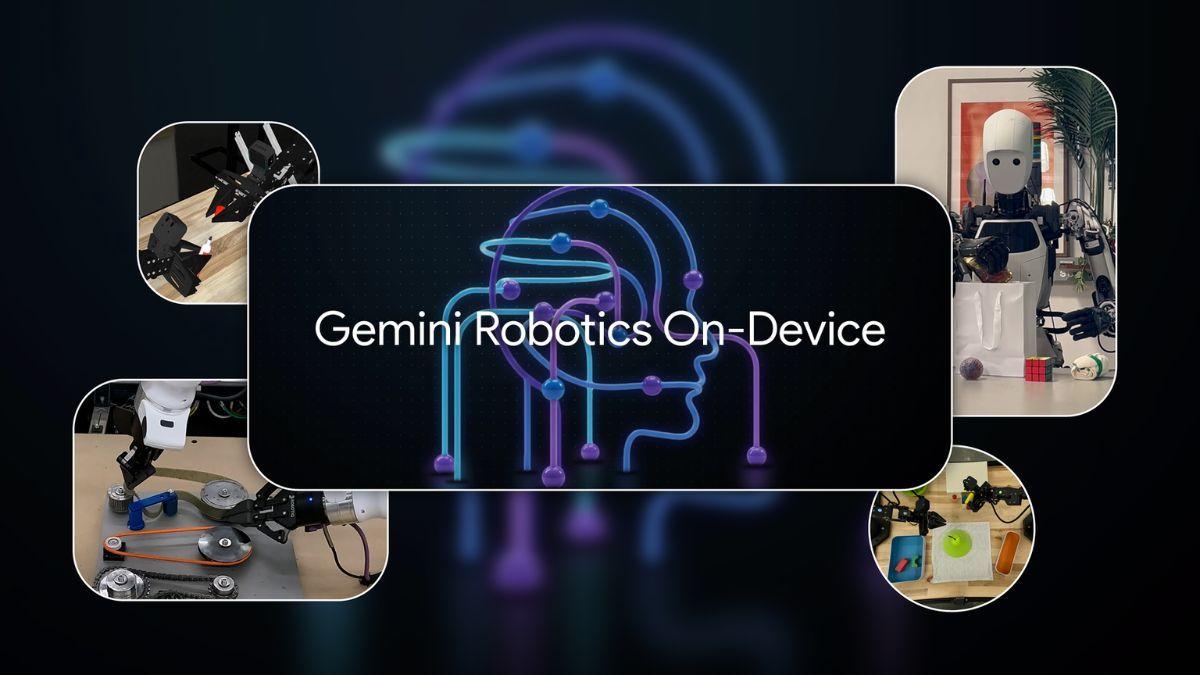
Source: Gadgets 360
The Gemini Robotics On-Device model is a vision-language-action (VLA) system that allows robots to perceive their environment, understand natural language commands, and execute actions without relying on internet connectivity
3
. This on-device capability addresses critical limitations of cloud-dependent systems, such as latency issues and the need for constant internet access.Carolina Parada, head of robotics at Google DeepMind, explains that the new model performs almost as well as its cloud-based counterpart: "The Gemini Robotics hybrid model is still more powerful, but we're actually quite surprised at how strong this on-device model is"
3
. This level of performance makes the model suitable for a wide range of applications, particularly in environments with poor or no internet connectivity.Versatility and Adaptability
One of the most impressive features of the Gemini Robotics On-Device model is its ability to generalize and adapt to new situations. Google claims that the model can be fine-tuned for specific tasks with as few as 50 to 100 demonstrations
2
3
. This rapid adaptability could significantly reduce the time and resources required to deploy robots in new environments or for novel tasks.The model's versatility is further demonstrated by its successful adaptation to different robot types. Initially trained on Google's ALOHA robot, the system has been successfully implemented on other platforms, including the humanoid Apollo robot from Apptronik and the bi-arm Franka FR3 robot
1
3
.
Source: The Verge
Related Stories

Developer Tools and Safety Considerations
Alongside the new model, Google is releasing a software development kit (SDK) that allows developers to evaluate and fine-tune the system for their specific needs
3
. This marks the first time Google DeepMind has made such tools available for one of its VLA models, potentially accelerating innovation in the robotics field.Safety remains a paramount concern in AI robotics. Google DeepMind emphasizes a multi-layered approach to ensure safe robot behavior, including reasoning about safety, generating options through the VLA, and implementing low-level controllers for critical safety checks
1
. The company is initially making the on-device model and SDK available to a group of trusted testers while continuing to work on minimizing safety risks3
.Implications for the Future of Robotics
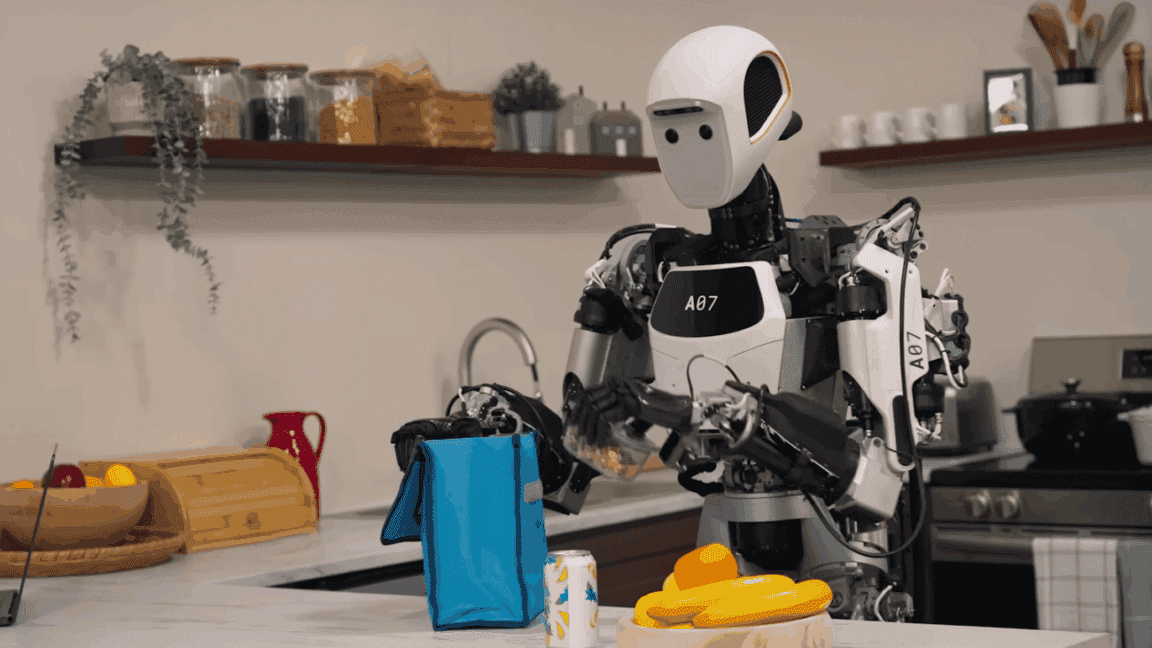
Source: Ars Technica
The introduction of Gemini Robotics On-Device has far-reaching implications for the robotics industry. It could enable more reliable and responsive robots in challenging environments such as disaster zones, rural hospitals, or underground facilities
5
. The model's ability to operate offline also addresses privacy concerns, making it suitable for use in sensitive environments like healthcare settings1
.As AI continues to advance, the line between virtual assistants and physical robots is blurring. Google's Carolina Parada notes, "What that enables is in that same way Gemini can produce text, write poetry, just summarize an article, you can also write code, and you can also generate images. It also can generate robot actions"
1
. This convergence of capabilities suggests a future where highly adaptable, intelligent robots could become commonplace in various aspects of our lives.The release of Gemini Robotics On-Device represents a significant milestone in the evolution of AI-powered robotics. As developers begin to explore its capabilities and fine-tune it for specific applications, we may soon see a new generation of robots that are more autonomous, adaptable, and capable of operating in a wider range of environments than ever before.
References
Summarized by

Navi
[4]
Related Stories
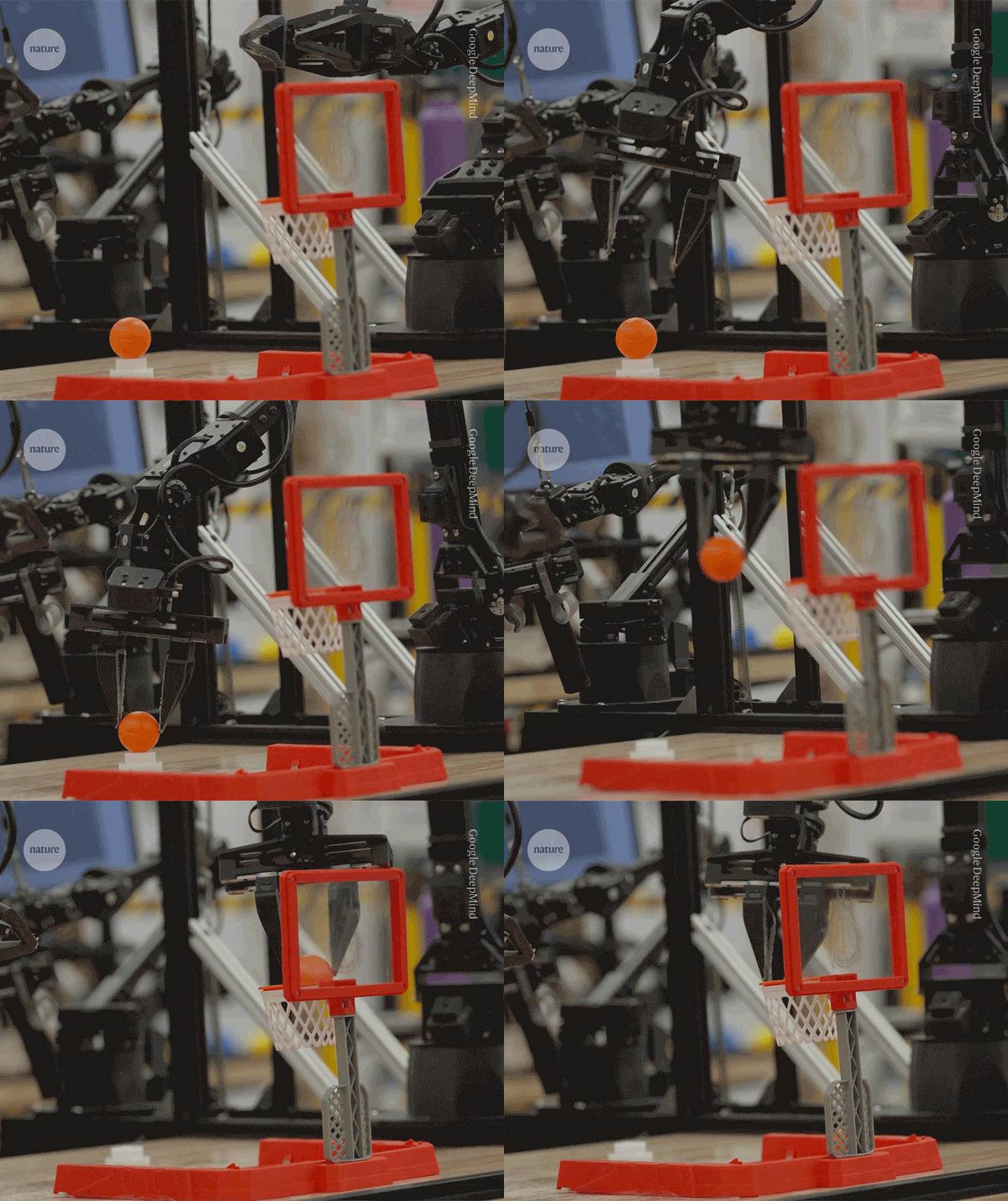
Google DeepMind's Gemini Robotics: A Leap Forward in AI-Powered Robotics
13 Mar 2025•Technology
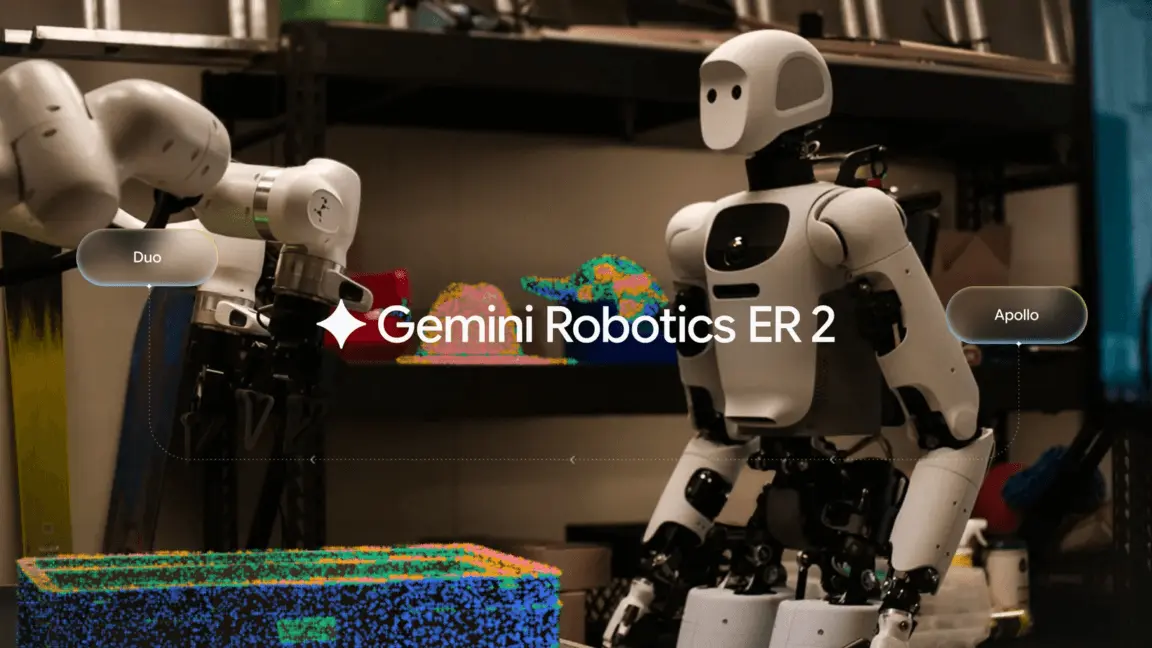
Google DeepMind unveils Gemini Robotics 2 with intelligent whole-body control for humanoids
31 Jul 2026•Technology
Google DeepMind's Gemini Robotics 1.5: A Leap Towards 'Thinking' AI-Powered Robots
25 Sept 2025•Technology
Recent Highlights



Recent Highlights
Today's Top Stories





Don’t drown in AI news. We cut through the noise - filtering, ranking and summarizing the most important AI news, breakthroughs and research daily. Follow topics that matter to you and stay ahead.


