Google DeepMind Launches Gemini Robotics 2.5 With 96% Success Rate at Mercedes-Benz


2 Sources
[1]
Google DeepMind releases new advanced robotics AI model and next-generation gene prediction model
Alphabet Inc.'s artificial intelligence research lab, Google DeepMind, Tuesday debuted the next generation of Gemini Robotics, the company's most capable vision-language-action model to date for creating an "AI brain" for robotics. Separately, DeepMind announced AlphaGenome 2 today, a
[2]
Google unveils Gemini Robotics 2.5 as AI nears human-level dexterity
Google DeepMind has introduced Gemini Robotics 2.5, an updated vision-language-action model that it said is approaching human-level performance on some real-world robotic tasks. Google said robots using Gemini Robotics have performed work at Mercedes-Benz factories. The company is also preparing
Share
Copy Link
Google DeepMind unveiled Gemini Robotics 2.5, its most advanced vision-language-action model for robotics, achieving a 96% success rate packing automotive parts at Mercedes-Benz. The AI model demonstrates human-level dexterity across 200+ tasks and rolls out through partners including Apptronik, Boston Dynamics, and Agile Robots.
Google DeepMind Releases Most Capable Robotics AI Model
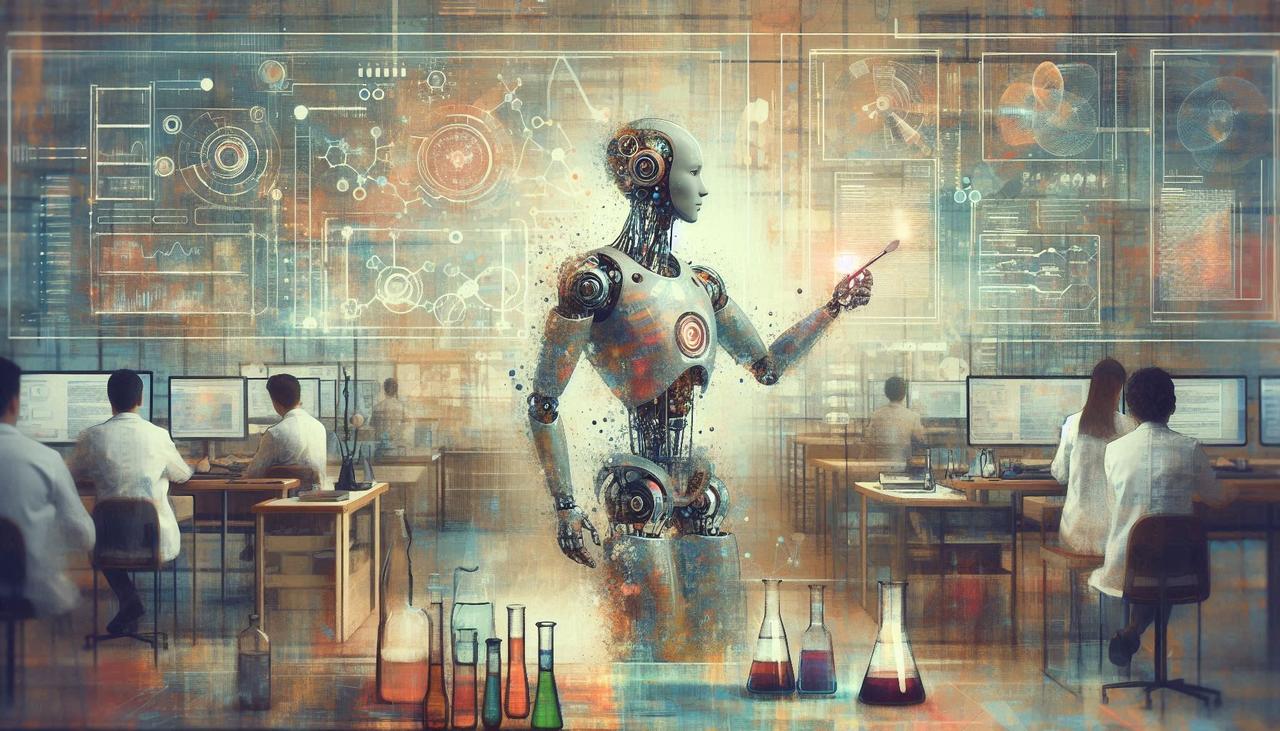
Google DeepMind announced Gemini Robotics 2.5 on Tuesday, marking a significant advancement in the company's vision-language-action model designed to create an "AI brain" for robotics
1
. The advanced robotics AI model enhances dexterity, reliability, and safety to help engineers deploy robots in dynamic, unstructured real-world environments where they coordinate alongside humans1
. The platform uses multiple computational layers between user instructions and robot movement, with Gemini Embodied Reasoning serving as the vision-language model that plans task completion using instructions and live video2
.Approaching Human-Level Dexterity Across 200+ Tasks
Google DeepMind tested the AI model across over 200 distinct robotic tasks, demonstrating performance approaching human-level dexterity on some real-world applications
2
. The company evaluated Gemini Robotics 2.5 on activities requiring high degrees of fine motor skills, including serving food with tongs, using a pipette, and manipulating deformable objects2
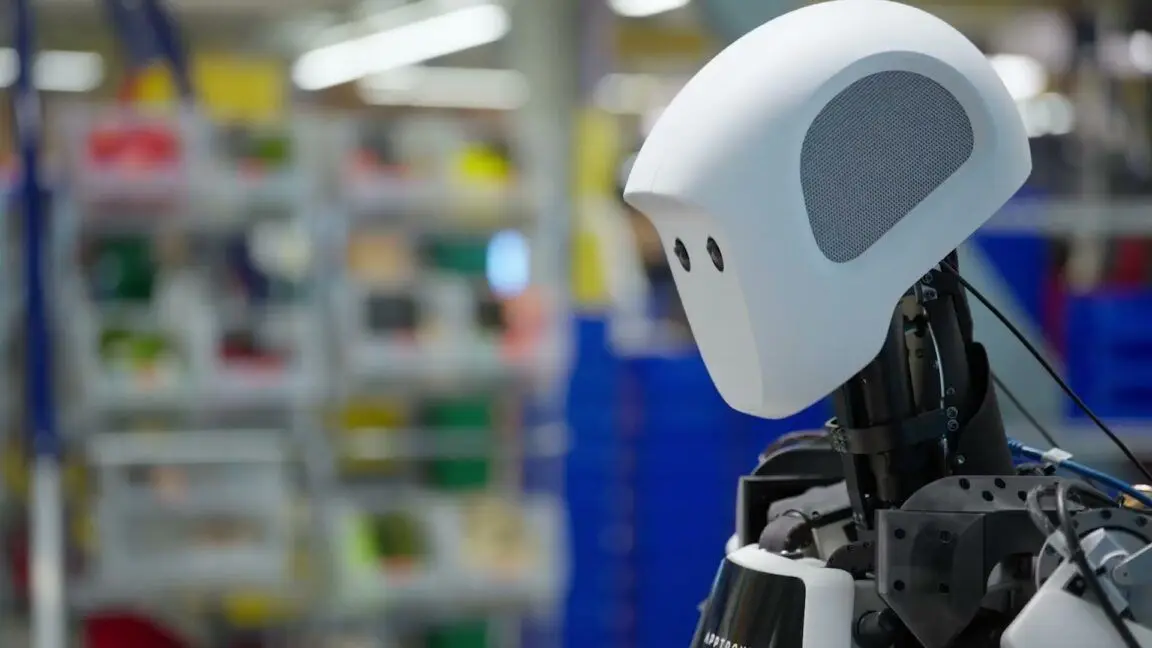
. Google demonstrated Apptronik's Apollo 2 humanoid robots equipped with the model successfully tying a bow with five-fingered hands, a task that has historically challenged robots due to the complexity of handling flexible materials2
.96% Success Rate in Mercedes-Benz Production Tests
The vision-language-action model achieved a 96% success rate packing automotive parts during real-world proof-of-concept tests at Mercedes-Benz facilities
1
. Robots using Gemini Robotics have already performed work at Mercedes-Benz factories, demonstrating the model's readiness for industrial real-world environments2
. In evaluations comparing the new version to its predecessor, Robotics 2.5 achieves a 30% to 100% success rate depending on the task and completes robotic tasks 20% to 30% faster than the previous baseline1
.Gemini 4 Argon Powers Accelerated Learning
Google DeepMind leveraged capabilities from Gemini 4 Argon, the company's frontier artificial intelligence large language model that rolled out in late September, to accelerate robot research and reach into physical AI
1
. The advanced reasoning capabilities behind Argon allowed Gemini Robotics 2.5 to increase both the breadth and speed with which robots learn new skills and apply them to real-world scenarios1
. Apptronik co-founder and CEO Jeff Cardenas noted that "pairing Apollo 2 with Gemini Robotics, we saw the models improve dramatically in just a few weeks of post-training and carry over to Mercedes-Benz production with very little drop-off"1
.Enhanced Safety With ASIMOV-Jailbreak Benchmark
Google DeepMind enhanced safety features with improved physical steerability and introduced ASIMOV-jailbreak, a new open-source safety benchmark for testing robots against potential security vulnerabilities
1
2
. The company is preparing for robots to work alongside people in real industrial settings through this safety benchmark, addressing concerns about deploying autonomous systems in human-occupied spaces2
.Related Stories
Rolling Out Through Major Robotics Partners
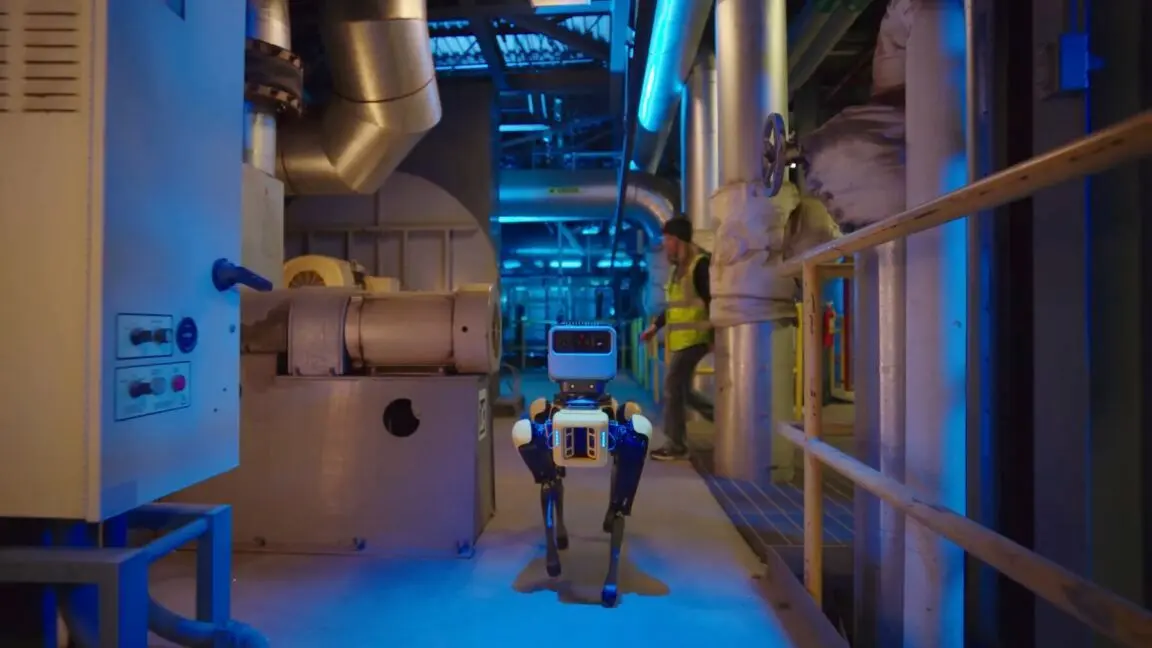
Gemini Robotics 2.5 is rolling out today through Google DeepMind's robotics partners, including Agile Robots SE, Apptronik, and Boston Dynamics
1
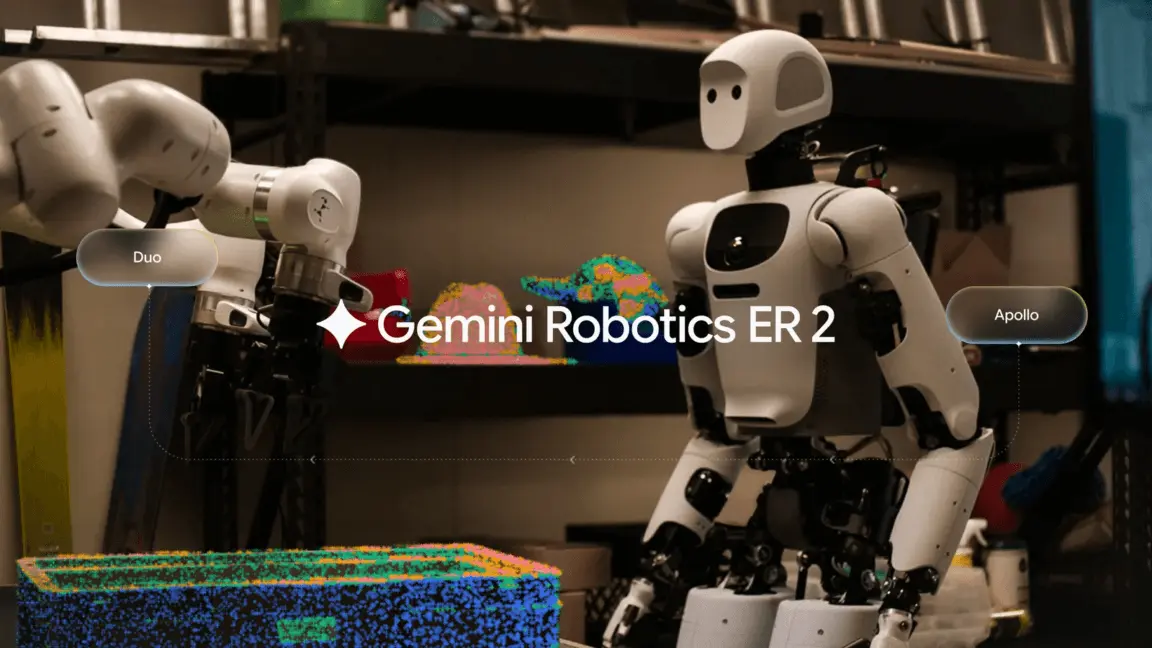
. The model natively works with many different types of robots, including Apptronik's Apollo 2 humanoid robots and the Franka Duo platform with two-fingered parallel grippers1
. Industry observers will watch how these partnerships translate laboratory capabilities into scalable commercial deployments across manufacturing, logistics, and service industries.AlphaGenome 2 Advances Gene Prediction for Drug Development
Separately, Google DeepMind announced AlphaGenome 2, a next-generation AI model that predicts how DNA sequences and their variations affect human cell types, creating a powerful biological tool for fighting disease and drug development
1
. The model adds finer detail about specific cell types and states, potentially revealing disease-related effects that broader tissue-level models miss, though it remains a research tool not approved for clinical or diagnostic use1
. Professor Sarah Teichmann, co-founder of the Human Cell Atlas and professor of Stem Cell Medicine at the University of Cambridge, highlighted that AlphaGenome 2's power lies in "how it adapts directly to new single-cell data without retraining, predicting how DNA variants act in newly profiled cell states," even from very small samples1
.References
Summarized by

Navi
[1]
Related Stories
Google DeepMind's Gemini Robotics: A Leap Forward in AI-Powered Robotics
13 Mar 2025•Technology
Google DeepMind unveils Gemini Robotics 2 with intelligent whole-body control for humanoids
31 Jul 2026•Technology
Google DeepMind's Gemini Robotics 1.5: A Leap Towards 'Thinking' AI-Powered Robots
25 Sept 2025•Technology
Recent Highlights
1
Jensen Huang's Affair with Suspected Chinese Spy Exposes $7 Billion AI Chip Smuggling Network
Policy and Regulation

2
Anthropic Launches Claude Meetings and AI-Powered Office Tools to Challenge Microsoft and Google
Technology

3
Anthropic launches Fable 5.2 and Mythos 5.2 with 20% price cut and 30% faster output
Technology

Recent Highlights
Today's Top Stories








Don’t drown in AI news. We cut through the noise - filtering, ranking and summarizing the most important AI news, breakthroughs and research daily. Follow topics that matter to you and stay ahead.


