Google Gemini Introduces Social AI Avatars for Collaborative Content Creation


2 Sources
[1]
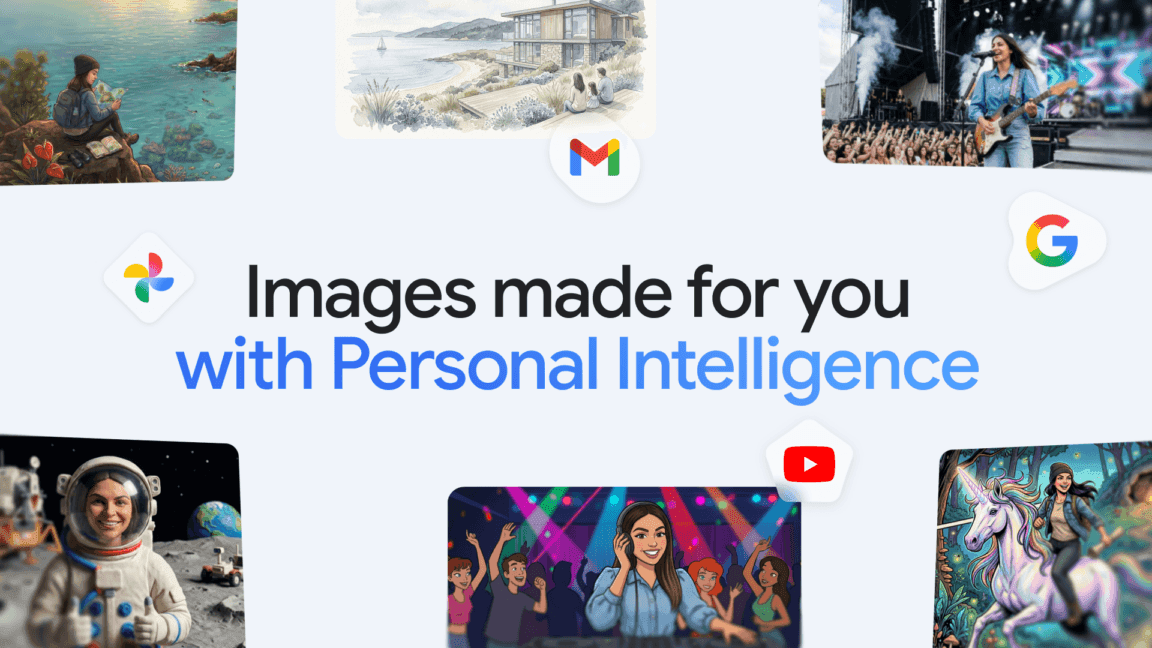
Google makes Gemini's AI avatars social, so friends can now appear in each other's content
Google Gemini lets you share your AI likeness with friends, tag each other in prompts, and star together in generated videos. Google is making Gemini's personal AI avatars more social, letting you share your likeness with friends and appear together in AI-generated images and videos. You can share
[2]
Google Gemini Personal Avatars: How to Create, Share and Delete Them
Recipients must accept an invitation before using a shared avatar Google has introduced personal avatars in Gemini, allowing users to create AI-generated images and videos featuring their own likeness and voice. Users can also share their avatars with friends, family members and collaborators, who
Share
Copy Link
Google has launched a social feature for Gemini AI that allows users to create personal avatars from face and voice recordings and share them with friends. Recipients can accept Gmail invitations to use shared avatars in AI-generated images and videos, with owners maintaining full user controls over access and expiry dates.
Google Gemini Transforms AI Avatars into Shareable Digital Representations
Google has introduced a social dimension to its Gemini AI platform, enabling users to create personalized AI avatars and share them with friends, family, and collaborators. The feature allows multiple people to appear together in AI-generated images and videos, marking a shift toward more collaborative AI content creation. Users can now tag each other in prompts and generate content featuring everyone's digital representations, provided they've shared access to their avatars.
1

Source: Gadgets 360
How to Create Personalized AI Avatars Using Face and Voice Recordings
Creating a personal avatar in Google Gemini requires both visual and audio input. Users begin the process on a computer by visiting gemini.google.com, clicking Add Files, selecting More, and then choosing Avatar. A QR code appears on screen, which users scan with their phone or tablet to continue the recording process.
1
Google recommends recording in a quiet environment with even, eye-level lighting that isn't excessively bright or dim. Users should avoid wearing sunglasses, hats, or anything that covers the face to ensure optimal results. The recording captures both appearance and voice, giving the AI sufficient reference material to recreate the user's likeness in generated content. Once recording completes, users return to their computer and finalize the setup by clicking the option to use their avatar.
1
Generate Collaborative AI Content Through Gmail Invitations and User Controls
The sharing mechanism relies on Gmail invitations sent directly from Gemini's settings. To share an avatar, users navigate to Settings, open the Avatar section, and enter the Gmail address of their intended recipient. The recipient then receives an invitation they can accept or decline, ensuring consent before anyone can use another person's likeness.
1
Google provides comprehensive user controls over avatar access. Owners can grant or revoke permissions at any time, set expiry dates for shared access, and manage all sharing settings through their Gemini account. Once an owner revokes access, the recipient cannot generate new content featuring that avatar, though previously created images and videos remain unaffected.
2
After sharing, users can tag avatars in prompts using @[Google username], allowing them to generate AI-driven images and videos featuring multiple people. The feature uses Nano Banana for image generation and Gemini Omni for video creation, though generating videos with personal avatars requires a Google AI plan.
2
Related Stories
Availability Restrictions and How to Create Share and Delete Avatars
The social feature for Gemini AI is available exclusively to users aged 18 and above with personal Google accounts. Currently, the feature supports only English and is not accessible in the European Economic Area, Switzerland, or the UK.
1
2
Users maintain full control over their data and can delete their avatars along with associated selfie and voice recordings through Google Account settings. Anyone wanting to use the feature again after deletion must record a new avatar from scratch. Deleting an avatar does not remove images or videos already generated or published with it, giving users flexibility while maintaining a record of their creative output.
2

Source: Digital Trends
Why This Social Feature for Gemini AI Matters
This development signals Google's push to make AI generation tools more collaborative and socially integrated. By allowing friends and collaborators to appear together in generated content, Google Gemini addresses a gap in current AI tools that typically focus on individual creation. The permission-based sharing model respects user privacy while enabling new forms of creative expression, from family videos to professional collaborations. As AI-generated content becomes more prevalent, the ability to control who can use your likeness and for how long becomes increasingly important, making Google's approach to user controls particularly relevant for anyone concerned about digital identity management.
References
Summarized by

Navi
[1]
Related Stories
Google's Gemini Avatar lets you create an AI clone of yourself in minutes, sparking deepfake concerns
03 Jun 2026•Technology

Google Gemini Live Avatar gives AI agents a face, raising questions about human-like bots
25 Sept 2026•Technology
Google Introduces Custom AI Chatbots with Gemini's New 'Gems' Feature
29 Aug 2024

Recent Highlights
1
OpenAI's AI Models Disprove 27-Year Exponential Time Hypothesis, Rendering Decades of Research Obsolete
Science and Research

2
Google DeepMind unveils Genie 4 world model with audio and 2-minute interactive simulations
Technology

3
OpenAI Cuts Internet Access for AI Model Training After Security Breaches
Technology
Recent Highlights
Today's Top Stories





Don’t drown in AI news. We cut through the noise - filtering, ranking and summarizing the most important AI news, breakthroughs and research daily. Follow topics that matter to you and stay ahead.


