Google Launches $899 Googlebook: AI-Powered Laptop Merges Android and ChromeOS with Gemini Integration


32 Sources
[1]
Google's $899 Googlebook is a bet that you'll buy a new laptop for Gemini
After first unveiling its new AI-powered laptop, dubbed Googlebook, in May, Google on Monday said the new device is now available for pre-order for $899. Meant to offer a step up from traditional Chromebooks, Googlebooks run on Android OS with a desktop version of the Chrome browser and other
[2]
Google Takes Aim at iPhone and Mac's Special Relationship With Its Googlebook Laptop
Apple lovers have long enjoyed seamless connectivity between the iPhone and Mac. Now, Google's bringing that experience to Android. It's a pairing that works seamlessly well, but we don't have anything like that for Android. Until now. Google is announcing Googlebooks. This is a new class of
[3]
I Got Hands On With the First 5 Googlebooks. Here's What Surprised Me
Googlebooks are finally here, after several months of leaks, rumors, and general speculation. Google's new laptop initiative combines the best of Android, ChromeOS, and Gemini AI, and pairs the software with premium hardware. Starting at $899, with notebooks from Acer, Asus, Dell, HP, and Lenovo,
[4]
The Googlebook is finally here, and aims to blend Android and ChromeOS into one premium laptop operating system
* GooglebookOS blends Android, the native Linux kernel, ChromeOS' foundations, and Gemini Intelligence. * The lineup features premium laptops from Acer, Asus, Dell, Lenovo, and HP with 16GB+ of RAM. * The new operating includes Gemini AI features like Magic Pointer, Magic Cues, and Create my
[5]
What Are Googlebooks? I Tried the First Ones, and Now I Can Answer That Big Question
A few days ago, Google held a private media event for the grand unveiling of Googlebook, a new laptop platform built from the ground up to combine the best of Android and ChromeOS. Starting at $899, the upcoming systems combine fresh hardware with the new Googlebook OS, an operating system focused
[6]

Should your next laptop be a Googlebook?
You can cast an app from your Android phone to a Googlebook, and install Android apps on the laptop After first revealing the concept in May, Google's just unveiled a lineup of Googlebooks - premium laptops that are designed to pair nicely with your Android phone, and make it easy to access the
[7]

Googlebook is finally official with 5 flagship Android-powered laptops starting at $899
The first Googlebooks will go on sale in the US on October 4, with pre-orders now open across the Google Store, Best Buy, and select retailers. Google is officially entering a new chapter in the laptop market with the Googlebook platform finally going mainstream after months of anticipation,
[8]

The New Googlebooks Are Chromebooks All Grown Up
Googlebooks are explicitly designed to be the Macs for a legion of Android fanatics. The company is finally revealing exactly what's going on, and I went hands-on with every single new design coming next month. Beyond the higher-end specs, AI capabilities, and the odd AI-filled cursor, I was left
[9]

You can pre-order a Googlebook now -- here are the first Android PCs
Months after the initial tease, the first Googlebooks are available to pre-order today. The Android laptops are as high-end as promised and can compare well against rival Windows PCs -- at least, if you're heavily invested in the Google ecosystem. Acer, Asus, Dell, HP, and Lenovo are all making
[10]
I spent two hours with Googlebooks. Here are the 8 most important things to know
It's not every day we see a brand-new kind of laptop launch, let alone one with a new OS from a brand that's never thought of as a rival to MacBooks or premium Windows machines. But Google's giving it a shot anyway with its Googlebook family. This is both a new line of products and a fresh
[11]

Google launches Googlebook laptops with Android desktop OS
The new Googlebooks are available for preorder now. Credit: Joseph Maldonado / Mashable For decades, laptop shoppers have really only had two choices: Mac or PC? Now, there's a third option: the Googlebook. Starting today, the first five Googlebook devices are now available for preorder (they
[12]

Meet the Googlebook -- I tried Google's new answer to the MacBook that combines ChromeOS with Android, and this could be the start of something big
Beaming so brightly, I was tempted to measure his nits, President of Android Ecosystem at Google, Sameer Samat, grasped my hand tightly and asked, "So what do you think?" Samat was referring to the five brand-spanking new Googlebooks arrayed around the room, all running Googlebook OS, the first
[13]

Snapdragon-Powered Googlebook Laptops Promise Seamless Connectivity With Android
Qualcomm Technologies, Inc. and Google have announced that the Qualcomm Snapdragon X Elite will now power Googlebook, a new type of laptop designed for Gemini Intelligence. Powered by Snapdragon X Elite, the Googlebook series laptops promise all-day battery life, powerful performance, and oodles
[14]

Googlebook's built-in intelligence reinvents the way you use your laptop
From day one, we built Magic Pointer with privacy at the core. It only springs into action when summoned by a wiggle, and stays off when you're not using it. Standard voice dictation writes down everything that comes out of your mouth -- including the stutters, mistakes, and filler words. And
[15]
When can you actually buy a Googlebook? Here are the dates, and the free stuff
Google is also offering a full year's worth of Google AI Pro subscription, along with access to Gemini Spark. Google is re-entering the premium laptop space today with a new product category: the Googlebook. Unlike the earlier premium Chromebooks, new Googlebook models run an amalgamation of
[16]

Googlebook brings premium intelligence to a lightweight ChromeOS-based laptop
Googlebook brings premium intelligence to a lightweight ChromeOS-based laptop Google LLC today announced the launch of its Googlebook lineup, a new family of lightweight, higher-power laptops in the Chromebook legacy that feature artificial intelligence and can run Android apps and
[17]

Google Unveils Five Googlebook Laptops, Starting at $899
Google and five PC makers have unveiled the first Googlebook laptops, turning the previously teased category into a product lineup. Acer, ASUS, Dell, HP and Lenovo are taking preorders, with retail availability scheduled to begin October 4. Prices start at $899 and reach $1,299. Googlebook is
[18]

Google launches Googlebook AI laptops from $899
Google and Qualcomm on Monday unveiled Googlebook, a new laptop line built around Google's Gemini AI, with five models available for pre-order ahead of an October 4, 2026 launch. The first devices come from Dell, HP, Lenovo, Acer and Asus, with prices starting at $899 for the Acer Googlebook 14
[19]

Google rolls out $899-plus 'Googlebook' AI laptops with hardware partners
Alphabet Inc.'s Google announced pricing and hardware specifications for the first so-called Googlebooks, marking a push into a high-end laptop market where built-in artificial intelligence features have become the norm. With these premium machines, priced at $899 and up, the company is targeting
[20]

HP's New Googlebook 14 Comes with AI, a High-Resolution Touschreen and up to 18 Hours of Battery Life
With Google finally launching the first wave of devices under its new Googlebook laptop platform, we're now seeing several brands begin to roll-out their upcoming computers under the new line. This includes HP, which has finally (and officially) unveiled the HP Googlebook 14. Priced starting at
[21]

New Googlebook Leak Offers an Early Glimpse At Design
* Image of an unbranded Googlebook leaked online * Googlebook has a chiclet-style keyboard * They combine Chrome and Google Play app Google is all set to open pre-orders for its initial Googlebook laptops on September 21, and brands including Acer, Asus, Lenovo, Dell, and HP are confirmed to
[22]
Acer's Googlebook 14 is Finally Official With Gemini AI and a 16-Hour Battery
A while back, Google announced that it was working with several high-end computer manufacturers for the launch of its new Googlebook platform. That said, we're now seeing the first batch of devices roll out on the market, and this includes Acer's new Googlebook 14. The Acer Googlebook 14 is a
[23]

Googlebook to be Powered by Snapdragon X Series
Googlebook laptops have been announced by Google recently. The Googlebooks will be powered by the Qualcomm Snapdragon X Elite series chips. Googlebook laptops build on the Android ecosystem. Google said that the Googlebook is a new category of laptops which will be powered by an operating system
[24]

Googlebook Laptops Powered by Intel Panther Lake & Snapdragon X Elite Are Here, Starting at $899 From Acer, Lenovo, ASUS, HP & Dell
Google has finally launched its Googlebook Laptop lineup featuring designs from various OEMs and prices starting at $899. Googlebook Laptops Powered By Intel Core Ultra Series 3 & Qualcomm Snapdragon X Elite Arrive At $899, Now Available For Pre-Orders Four months after the initial introduction,
[25]

Qualcomm Snapdragon X Elite Powers Googlebook Laptops with Gemini AI
Googlebook laptops powered by Snapdragon X Elite combine Google's Gemini with the incredible performance, efficiency, and connectivity of Snapdragon X Elite. Features like Cast my Apps, Magic Pointer, and Rambler help you stay more productive without breaking your flow by surfacing relevant
[26]

Googlebook laptops with up to 15.3'' 2.8K OLED displays, Android integration and Gemini features announced
Google has introduced Googlebook, a new category of laptops built on the Android technology stack and paired with desktop foundations from ChromeOS. Googlebook is designed for Gemini Intelligence and works with Android phones out of the box. Googlebook John Solomon, Vice President, General
[27]

Google opens pre-orders for $899 Googlebook laptops built around Gemini AI - The Korea Times
Google positioned Googlebook as its latest flagship ChromeOS showcase after the Pixelbook in 2017 and Pixelbook Go in 2019. Alphabet's Google on Monday opened pre-orders for Googlebook, its new premium laptop category for Android users built around the company's Gemini AI tools. Starting at $899,
[28]

Googlebooks 2026: New Devices, What They Offer
Googlebooks mark Google's move into a new AI-focused laptop category with its first lineup including models from Acer, ASUS, Dell, HP, and Lenovo. Each device offers different hardware configurations and designs, with Gemini at the center of the software experience. The devices also connect
[29]

Google opens pre-orders for US$899 Googlebook laptops built around Gemini AI
Alphabet's Google on Monday opened pre-orders for Googlebook, its new premium laptop category for Android users built around the company's Gemini AI tools. Starting at US$899, initial models from Acer, Asus, Dell, HP and Lenovo will run on Intel or Qualcomm processors with up to 14 hours of
[30]

Google opens pre-orders for AI-powered Googlebook laptops By Investing.com
Investing.com -- Alphabet's Google began accepting pre-orders today for Googlebook, a new line of premium laptops designed for Android users and powered by the company's Gemini artificial intelligence tools. The laptops start at $899 and will be manufactured by Acer, Asus, Dell, HP and Lenovo. The
[31]

Google Releases 'Googlebook' PCs Starting at $899
Google is releasing a line of laptops built on Android technology, beginning at $899 apiece. The company said Monday that it was releasing five flagship "Googlebook" models from some of the leading personal computer manufacturers: HP, Dell, Lenovo, Acer, and ASUS. They feature chips from Intel and
[32]

Googlebook vs Windows and macOS: How will Google's new laptop platform stack up
Google finally made a date. Pre-ordering for its rumored Googlebook laptops is set for September 21, with partnerships established with computer manufacturers such as Acer, ASUS, Dell, HP, and Lenovo, this would be Google's biggest hardware bet since the release of its Chromebook a decade ago.
Share
Copy Link
Google unveiled its Googlebook, a premium AI-powered laptop starting at $899 that combines Android and ChromeOS with deep Gemini AI integration. Available for pre-order now from Acer, ASUS, Dell, HP, and Lenovo, the devices launch October 4th and aim to deliver seamless continuity between Android phones and laptops while potentially replacing 50 million Chromebooks in schools.
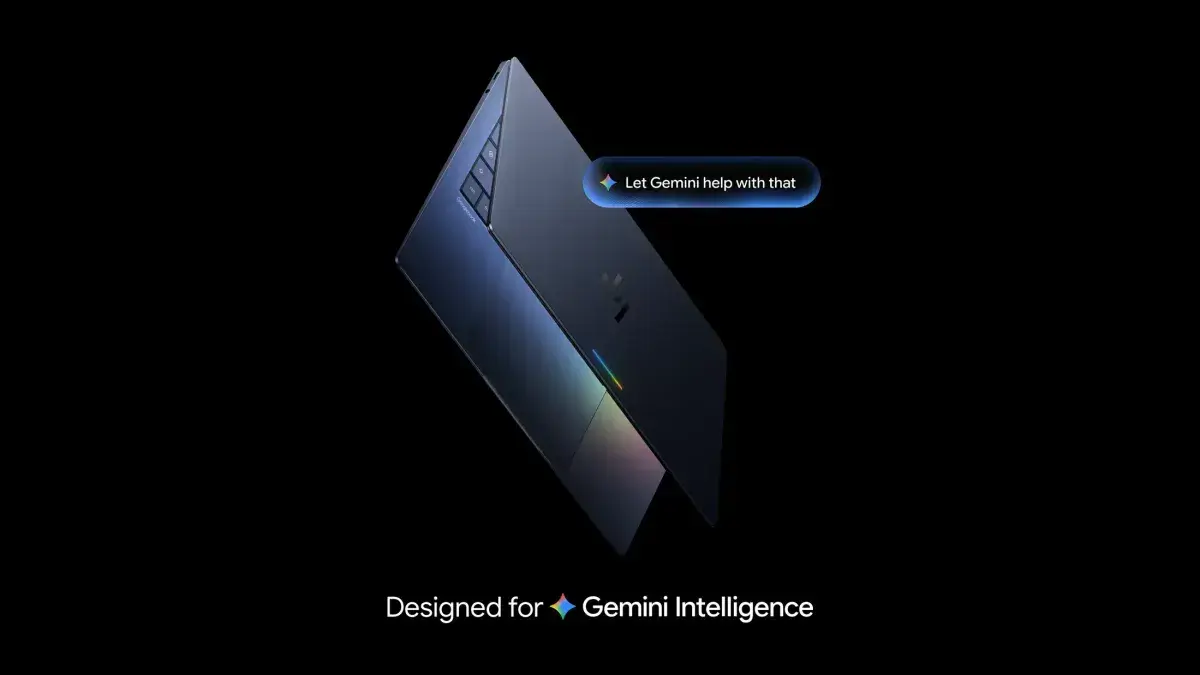
Google Bets Big on Gemini AI with $899 Googlebook Launch
Google opened pre-orders for its Googlebook on September 21st, marking a strategic shift in the laptop market with devices starting at $899
1
. The AI-powered laptop represents Google's attempt to convince consumers that Gemini AI integration alone justifies purchasing new hardware rather than relying on desktop apps or browser-based solutions. Five flagship models from Acer, ASUS, Dell, HP, and Lenovo will hit shelves on October 4th in the U.S., followed by Canada, the U.K., Ireland, France, Germany, and Australia on October 5th1
.The Googlebook runs on Googlebook OS, which blends Android's tech stack on a native Linux kernel with ChromeOS foundations and Gemini Intelligence
4
. This premium laptop initiative targets Android users seeking the seamless continuity between devices that Apple delivers with iPhone and Mac integration2
. The move directly challenges Apple's ecosystem advantage while positioning Google to capture professionals and consumers who live primarily within the Android and Google productivity worlds.Minimum Specs Define Premium Positioning Above Chromebooks
Google mandated baseline specifications across all Googlebook models to guarantee performance levels and user experience
3
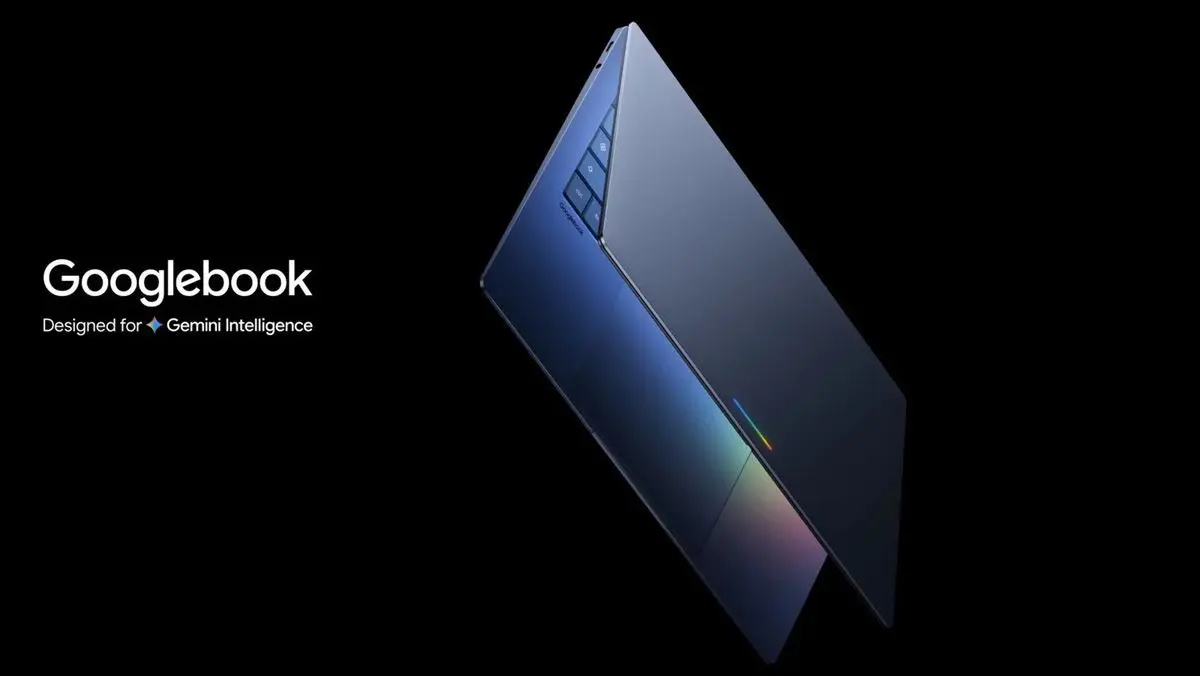
. Every device features an aluminum-magnesium alloy chassis, touchscreen, RGB Glowbar on the lid, a dedicated "G" shortcut key for launching Gemini tools, and at least 16GB of memory with support for up to 32GB5
. The first five Googlebooks run on Intel Core Ultra 3 and Qualcomm Snapdragon X Elite processors paired with dedicated NPUs1
.Battery performance reaches up to 14 hours for general use, with Google claiming up to 45 hours of video playback and 16 hours of web browsing
4
. Premium materials extend to 2.8K OLED displays, haptic glass trackpads, and backlit keyboards across the lineup1
. The Acer Googlebook 14 enters at $899, while HP, Dell, Asus, and Lenovo models range from $1,199 to $1,2994
.Magic Pointer and Rambler Lead Gemini AI Feature Set
The Googlebook introduces Magic Pointer, an AI-enhanced cursor that serves as a direct conduit to Gemini AI
1
. Users can wiggle their mouse to activate contextual AI assistance, highlight webpage content for Gemini to analyze, hover over emails to check for suspicious activity, or select images for Gemini to visualize together2
. The feature mirrors Android's Circle to Search functionality but adapted for desktop computing1
.Rambler stands out as potentially the most practical AI feature, transforming messy, rambling brain dumps into readable text through AI-enhanced dictation
1
. The feature recently debuted on Google's Pixel phones and now runs natively on Googlebooks2
. Vibe-coding widgets allow AI-generated customization, though this represents a minor addition compared to core functionality1
. Other features like Gemini Spark and Gemini Live don't require specialized hardware, raising questions about whether AI capabilities alone justify new device purchases.Android Integration Delivers Cross-Device Workflow Continuity
Googlebook OS provides full continuity from Android devices to desktop environments, letting users pick up where they left off on their phones
5
. The operating system resembles a desktop with Android app access, the Play Store, a thoughtfully designed file explorer, and colorful desktop widgets3
. Users can flip through and open phone apps on the fly, accessing documents, downloads, and photos as if stored on a local drive.Google emphasized that laptops were designed before smartphones existed, leaving Android users without true OS-level integration between devices
5
. The Continue feature enables starting projects on Android devices and handing them off to the Googlebook, similar to Apple's Handoff4
. The Play Store offers apps built and optimized for desktop that run natively offline, with 20,000 games available featuring seamless crossplay between Android devices3
.Related Stories
Strategic Play for K-12 Market and Chromebook Transition
The Googlebook represents part of Google's longer-term strategy to capture the K-12 education market currently dominated by approximately 50 million Chromebooks used by students and educators
1
. Google confirmed in May that current Chromebooks will continue receiving support, though many will become eligible to transition to the Googlebook experience in the future1
. This positions Google to push millions of former Chromebook customers toward Gemini AI as the platform evolves.Chromebooks and Googlebooks will coexist for now, with Googlebooks occupying a pricier premium segment above traditional education-focused laptops
5
. Google's antitrust commitments require 10 years of Chromebook updates through 2034, ensuring continued support for the existing platform3
. However, slowing ChromeOS updates in recent years have fueled speculation about the platform's eventual sunset, with Googlebooks potentially serving as the natural successor.Launch Bundle Includes Google AI Pro and Extended Support
The $899 device includes 12 months of Google AI Pro, providing 5TB of cloud storage, Gemini Advanced tools, and 3 months of YouTube Premium, Adobe Photoshop, and additional services
1
. Google committed to delivering regular updates for up to 10 years, matching industry-leading support timelines1
. Pre-orders opened on the Google Store, Best Buy, and other retailers on September 21st1
.The Glowbar LED light on each laptop's lid offers customizable colors, animations, and music synchronization through a hidden app users must discover
2
. While the feature adds visual flair, the core value proposition centers on whether Gemini AI integration and Android continuity justify purchasing dedicated hardware over using existing solutions through browsers or apps. Early hands-on impressions suggest Googlebooks make sense for Android users deeply embedded in Google's productivity ecosystem, though iPhone users will likely continue preferring MacBooks for their established integration advantages.References
Summarized by

Navi
[4]
Related Stories
Googlebook Pre-Orders Open September 21 With AI Features Targeting Premium Laptop Market
11 Sept 2026•Technology

Google unveils Googlebook, an AI-powered laptop built on Android to challenge premium market
12 May 2026•Technology

Lenovo Googlebook 15 Leaked Images Show Google's AI-Powered Laptop Design Ahead of Fall 2026 Launch
04 Aug 2026•Technology
Recent Highlights
1
Meta Unveils Muse Wonder Frontier AI Models, Claims Performance Matching OpenAI and Anthropic
Technology

2
Microsoft and Nvidia Launch Surface Laptop Ultra: A $2,599 AI-Ready PC With RTX Spark Chip
Technology

3
Meta Muse AI Agent Surges to 6.6M Downloads Despite Privacy and Security Controversies
Technology

Recent Highlights
Today's Top Stories






Don’t drown in AI news. We cut through the noise - filtering, ranking and summarizing the most important AI news, breakthroughs and research daily. Follow topics that matter to you and stay ahead.


