Googlebook Pre-Orders Open September 21 With AI Features Targeting Premium Laptop Market


6 Sources
[1]
Google May Finally Release Laptops You Can't Just Ignore
The first wave of Google's touted Googlebooks seems ever more impending, with leak after leak telling us these are more than mere next-gen Chromebooks. Yet another deluge of data from a previously exposed "Lenovo Googlebook 15" shows us Google is really trying to make Googlebook an actual MacBook
[2]
Lenovo Googlebook 15 specs leak, and this clearly isn't your schoolhouse Chromebook
Googlebook OS will put Gemini Intelligence and Android phone integration front and center, while Lenovo is also preparing a dedicated Google key and an "AI Mouse" accessory. Earlier in May this year, Google introduced its Googlebook laptop category. These are laptops designed from the ground up
[3]
Googlebook laptops finally have a pre-order date -- 3 reasons why it could replace my MacBook
It took a while, but we'll finally be able to buy an Android-based Googlebook soon Google is finally ready to let everyone get their hands on the new Googlebook laptops. Sporting a combination of Android and ChromeOS, these premium devices could be what we've always hoped the best Chromebooks
[4]
Leaked Lenovo Googlebook 15 specs suggest Google is targeting the premium laptop segment
The upcoming Googlebook could feature a 120Hz OLED display, an Intel Core Ultra processor, up to 32GB of RAM, and a surprisingly versatile selection of ports. We recently got our first look at Lenovo's upcoming Googlebook, with leaked renders showcasing its design, port selection, and interface.
[5]

Googlebook pre-orders officially open September 21, pricing yet to be confirmed
Google is moving closer to the launch of its new Googlebook family, with pre-orders set to open on September 21 as the company shares more details about what buyers can expect from its Gemini-powered laptops. Unlike traditional Chromebooks, Googlebook is built around Googlebook OS, which combines
[6]

Googlebook Pre-Orders Open September 21: Can Gemini Redefine Laptops?
Googlebook pre-orders start September 21, bringing Gemini AI, Android features, and new laptop tools through Acer, Asus, Dell, HP, and Lenovo. Google is preparing to start the pre-order for the latest Googlebook laptops on September 21. The tech giant began informing users about and official
Share
Copy Link
Google confirms September 21 pre-order date for Googlebook laptops featuring Gemini Intelligence and deep Android phone integration. The Lenovo Googlebook 15 specs reveal premium hardware including 120Hz OLED display, Intel Core Ultra processor, and up to 32GB RAM, positioning these AI-powered devices as MacBook competitors in the premium laptop segment.
Google Sets September 21 Pre-Order Date for Googlebook Launch
Google has officially announced that pre-orders for its new Googlebook laptops will open on September 21 at 9 a.m. ET, marking a significant shift from traditional Chromebooks toward the premium laptop segment
3
5
. The new device category represents Google's attempt to create a MacBook competitor built around Gemini Intelligence and deep Android phone integration. Multiple manufacturers including Acer, ASUS, Dell, HP, and Lenovo are partnering with Google to produce these laptops, with pricing anticipated between $700 and $1,0003
. The company describes Googlebook as "a new category of laptops built with Gemini's helpfulness at its core, designed to work seamlessly with the devices in your life and powered by premium hardware"3
.Lenovo Googlebook 15 Specs Reveal Premium Hardware Configuration
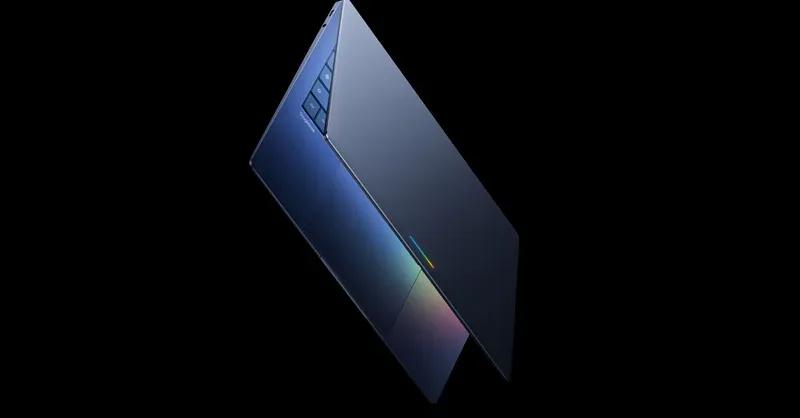
Leaked specifications for the Lenovo Googlebook 15 showcase hardware that positions it firmly in the premium laptop segment. According to official product sheets obtained by MacObserver, the device features a 15.3-inch OLED display with 2,880 x 1,800 resolution, 120Hz refresh rate, and 500 nits of brightness
2
4
. The device packs an Intel Core Ultra 5 325 processor with integrated graphics, supporting up to 32GB of LPDDR5x RAM and either 256GB or 512GB of storage1
2
. This marks a substantial upgrade from traditional Chromebooks, which maxed out at 16GB of memory. The metal chassis weighs just 2.84 pounds despite housing four speakers with Dolby Atmos, a 5MP webcam with dual microphones and physical privacy shutter, and a 70Wh battery promising 11 hours of video playback2
4
.
Source: Digital Trends
Googlebook OS Combines ChromeOS and Android with Gemini Intelligence
Googlebook OS represents a fundamental departure from traditional ChromeOS by running truly native Android applications rather than emulated versions. Google VP John Maletis stated that "performance of these apps is incredible" compared to the emulation approach used in Chromebooks
3
. The operating system integrates Gemini Intelligence for AI-powered tasks throughout the user experience, with features accessible via a dedicated G key positioned between Fn and Alt on the keyboard1
5
. Documentation suggests Gemini will provide "personal proactive help" including cross-app actions like writing emails or adding calendar events automatically1
. The platform will also support processors beyond Intel, with Qualcomm and MediaTek-powered models reportedly planned5
.
Source: Gizmodo
Magic Pointer and Create My Widget Lead AI Features Lineup
The Magic Pointer represents one of the most innovative AI features in Googlebook laptops. When users wiggle the cursor, the system displays contextual information about whatever it's pointing at, functioning similarly to Google Lens or Circle to Search but for laptop content
3
. Create My Widget allows users to generate custom desktop widgets on-demand using natural language prompts through Gemini, moving beyond predetermined widget functions. Google demonstrated an example of someone requesting a custom tracker for an upcoming trip, though potential use cases extend to package tracking, music control across platforms, and more3
. An APK teardown revealed that AI features could automatically create "Collections" of loose files in downloads folders and desktops, potentially useful for users lacking file management skills1
.Deep Android Phone Integration and Biometric Authentication
Deep Android phone integration stands as a core feature of Googlebook laptops, enabling seamless connectivity between mobile devices and the laptop. Users can access apps and files from paired Android phones through Cast My Apps and Quick Access features
5
. This functionality fills gaps for apps not natively supported on the laptop while maintaining the superior performance of native Android applications. For biometric authentication, Googlebook introduces Google facial authentication similar to Windows Hello's facial unlock capability, alongside traditional fingerprint readers1
4
. This dual biometric authentication approach enhances security while providing flexibility in how users access their devices.Related Stories

Glowbar and AI Mouse Accessory Complete the Googlebook Ecosystem
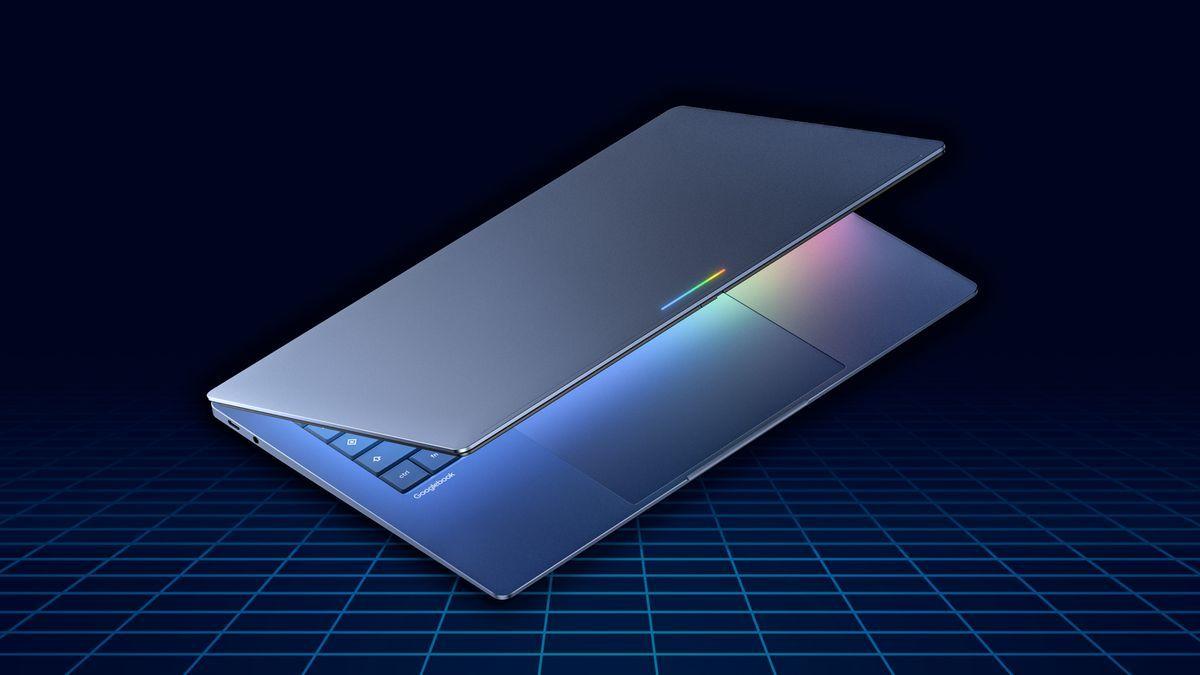
Every Googlebook features a distinctive Glowbar built into the chassis, positioned as an LED strip on the top edge of the lid near the hinge
2
4
. This design element provides at-a-glance battery and charging information, immediately distinguishing Googlebook from regular Windows laptops or Chromebooks2
. Lenovo is also preparing an AI Mouse accessory featuring an RGB light strip around the back and an "AI Key" shortcut1
2
. While specific AI functionality remains unclear, the mouse is expected to sync with the laptop's Glowbar and potentially interact with Google's AI-enhanced cursor. The Lenovo Googlebook 15 also includes haptic touchpads for enhanced user interaction1
.
Source: Tom's Guide
Premium Port Selection and Connectivity Options
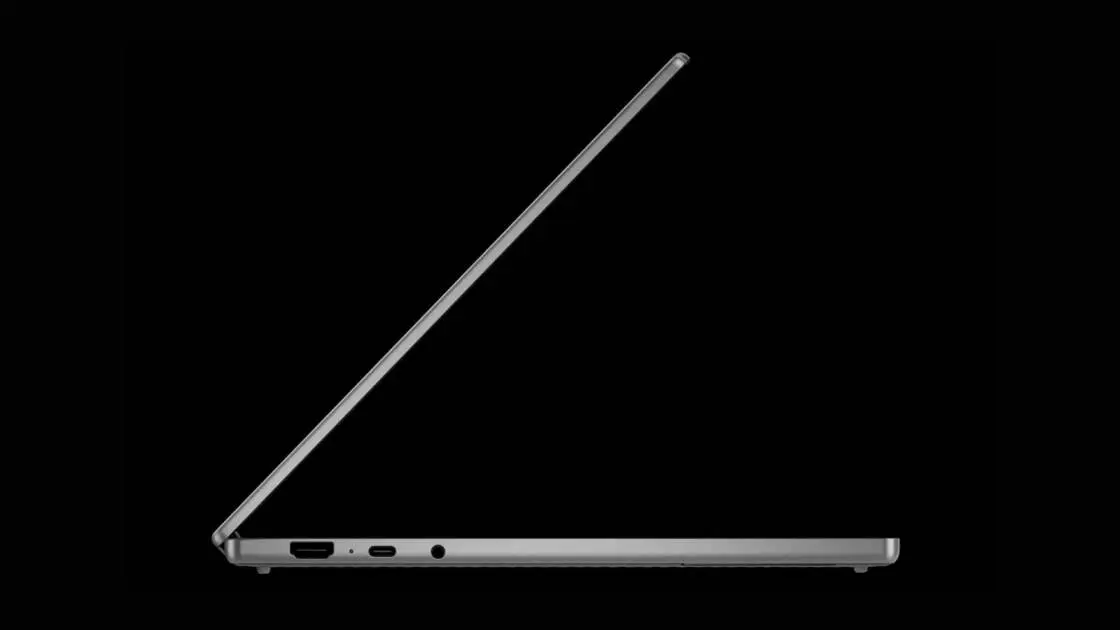
Despite its thin 0.63-inch chassis, the Lenovo Googlebook 15 offers surprisingly comprehensive connectivity. The device includes two Thunderbolt 4 ports positioned on each side for convenient charging regardless of outlet location, one USB-A port, HDMI 2.0, and a 3.5mm audio jack
2
4
. Wireless connectivity includes Wi-Fi 7 and Bluetooth 5.4, ensuring compatibility with the latest networking standards4
. This port selection positions Googlebook as a versatile device capable of handling professional workflows without requiring extensive dongles or adapters.Pricing Concerns and Market Positioning Questions
Pricing remains the biggest unknown factor as the September 21 pre-order date approaches. With specifications comparable to the Lenovo ThinkPad T16 Gen 5, which costs more than $1,700, some analysts expect the Lenovo Googlebook 15 to cost closer to $1,500
1
. This positions pricing as Googlebook's potential Achilles heel, particularly as RAM prices drive buyers toward cheaper alternatives and Lenovo's own IdeaPad Vibe models offer lower costs while running standard PC software1
. Google has yet to fully describe how Googlebook OS will work or whether it can make Android apps function optimally on larger displays. The success of these premium devices will depend on whether Google can justify the higher price point through superior AI features and seamless integration that traditional laptops cannot match. With multiple leaks indicating an imminent launch, buyers won't have to wait long to see if Googlebook delivers on its promise to compete with established players in the premium laptop segment.References
Summarized by

Navi
[2]
[3]
[4]
Related Stories
Google Launches $899 Googlebook: AI-Powered Laptop Merges Android and ChromeOS with Gemini Integration
21 Sept 2026•Technology
Google Confirms Sept. 15 Launch Event for Googlebook Laptops with Gemini AI in New York
19 Aug 2026•Technology
Lenovo Googlebook 15 Leaked Images Show Google's AI-Powered Laptop Design Ahead of Fall 2026 Launch
04 Aug 2026•Technology
Recent Highlights



Recent Highlights
Today's Top Stories






Don’t drown in AI news. We cut through the noise - filtering, ranking and summarizing the most important AI news, breakthroughs and research daily. Follow topics that matter to you and stay ahead.


