25 Sources
[1]
Google's $9.99-per-month AI health coach launches May 19 | TechCrunch
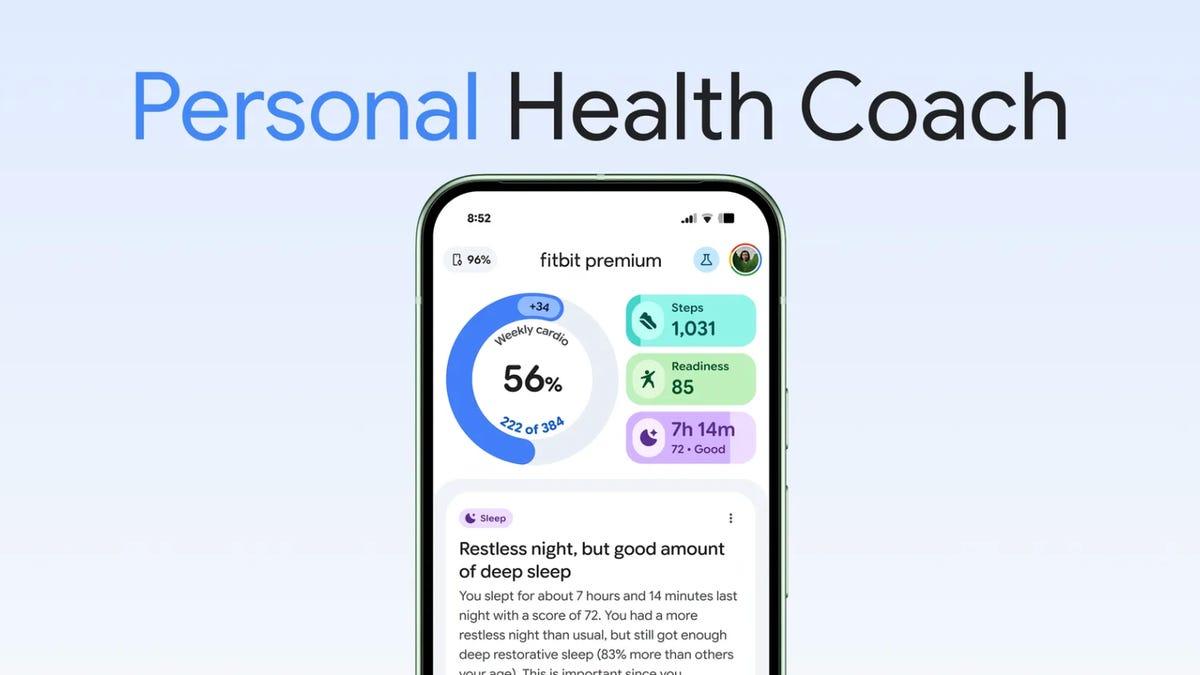
Alongside taking the wraps off the new Fitbit Air, a Whoop-esque fitness band, Google on Thursday also said it is rebranding its Fitbit app as Google Health and launching an AI-powered health coach as a subscription service. The Health app will become a central part of Google's fitness strategy, capitalizing on its 2021 acquisition of Fitbit, which saw the tech giant delving into fitness wearables to supplement its more general-purpose Android smartwatches. Leveraging Google's Gemini AI, the new Google Health Coach will offer personalized insights to users, acting as a combination fitness coach, sleep expert, and health and wellness advisor. The service has been in public preview since last year and has been undergoing improvements based on user feedback, the company said. Google says the Health app will be globally available on May 19, as part of the Google Health Premium subscription -- the same day the new Fitbit Air goes on sale. The AI fitness coaching service will come bundled with the Google Health Premium subscription (previously Fitbit Premium), which costs $9.99 per month or $99 per year. Google AI Pro and Ultra subscribers will have access to Google Health Premium at no extra cost. Google notes the health coach service is customized for the user via an onboarding process, in which you'll mention your health goals, your daily routine, what sort of exercise equipment you have access to, any injuries the coach should be aware of, and other lifestyle factors. The coach will then use these details to create personalized guidance and insights. Users can also communicate with the coach using natural language to customize and update their personal details or goals at any time. They can also log workouts, meals, and health records by dictating to it, or by uploading photos or files. The coach will be accessible from the Today tab of the Google Health app. The company notes any insights the coach provides won't be just a summary, but would combine information from multiple sources, like fitness and sleep metrics, environment, nutrition, cycle tracking, and U.S. medical records (if access is provided). Google said the cycle tracking, nutrition, and mental well-being features have all been redesigned for the health coach as well. The AI-powered coach is being infused into other areas of the Google Health app as well, including the Fitness tab's workout suggestions and guidance, the Sleep tab's sleep tracking, and the Health tab's summary of your metrics. Google's health coach will be available first for select Fitbit and Pixel Watch users, and support for other devices is coming soon, the company says. However, anyone can download the Google Health app to get started. People without a Fitbit or Google Pixel Watch will be notified when the coach is ready for them, but Google didn't say when that would be.
[2]
RIP Fitbit App. Not Just a New Name, New Features Too
Expertise Health and wellness tech, meal kits, home and kitchen tech, food, mental health The Fitbit app is getting a significant makeover, so much so that it will no longer have that name. On Thursday, Google, which completed its acquisition of Fitbit in 2021, announced that the Fitbit app will be rebranded as Google Health on May 19. "By transitioning to the Google Health app, we are creating a unified destination for all your health data -- whether from your Fitbit device or Pixel Watch, your favorite apps or your medical records," Taylor Helgren, director of product management at Google, told CNET. Along with its name change, the Google Health redesign aims to make it easier for you to find the data you seek. Based on user feedback, the app's former three tabs -- Today for all your health data, Coach for fitness and mindfulness videos and You for personal goals and assessments -- will now become four tabs: Today, Fitness, Sleep and Health. Each tab will have that topic's data, while Today will display your daily metrics. With Google Health, you'll be able to see medical records like medications, lab results and allergies alongside your health and fitness metrics. Depending on the provider, you can search for your doctors and connect to their member portals. Or once your identity is verified using the identity verification platform Clear, medical records can be searched for on your behalf. A notable part of the Google Health transition is the company's AI health coach, which is only available to premium subscribers. Previously called the Personal Health Coach, the Gemini-powered Google Health Coach exited its public preview testing phase and officially launched on Thursday. It can analyze your sleep, offer fitness plans tailored to your goals and real-time data and provide evidence-based answers to your health questions. In addition to tracking your menstrual cycle and logging your nutrition, you can now get more accurate sleep insights with Google Health. Compared to its previous model across all compatible Pixel and Fitbit devices and based on clinical validation of sleep algorithms against gold-standard measurements, the company's new advanced machine learning models are 15% more accurate for sleep tracking. This allows Google Health to more precisely collect data on sleep stage transitions, naps and interruptions, resulting in a more true-to-life sleep score. Google also plans to consolidate all its health and fitness offerings into Google Health. Later this year, users of the Google Fit activity-tracking app will be asked to migrate their data to Google Health. The Google Health Coach can offer insights based on your medical records. However, AI and health care experts say you should hesitate before uploading your medical records to an AI tool. Despite becoming Google Health, it appears the privacy terms remain the same. Google says in a statement that you can delete or export your health data at any time and delete your Google Health account with the option to change your mind for 30 days. Optional features, such as AI training, can also be turned off or on, it says. According to Google, it won't use the health and wellness data in Google Health for Google Ads, the company's online advertising program. Data transmission between devices and servers is encrypted. Two-step authentication is also available. The company also has plans to give users the ability to securely share their data with loved ones and doctors. "The Google Health app will replace the Fitbit app through a normal app update," a Google representative told CNET. "Fitbit users will not need to download a new app or take any action." Fitbit app users' data will automatically be available in the new Google Health app. Android users will receive the updated Google Health app as it rolls out between May 19 and 26. Starting May 19, iOS users can immediately update the Fitbit app to become the Google Health app. The premium version of Google Health will cost $10 per month or $100 per year. Previously, Fitbit Premium was $80 per year, so it's gone up by $20. The monthly price remains the same. However, if you purchase a new Fitbit or Pixel Watch device by May 18, the day before the Google Health app launches, you can get a six-month membership included. Premium subscribers can use the Google Health Coach, which provides personalized weekly fitness plans and workouts, along with detailed insights into sleep and medical records. You can also access a workout library, mindfulness sessions and proactive guidance across your health, fitness and sleep metrics. Those who opt to keep the free version of the Google Health app, which is included with a paired Pixel Watch or Fitbit tracker, can still track: Users can also log their weight, meals, menstrual cycle, water intake and moods. Just remember that both the Google Health Coach and Google Health app are not intended to diagnose or treat any health condition. For that, you'll want your human doctor.
[3]
Fitbit Just Ditched the Screen. Meet the $99 Fitness Tracker That Changes Everything
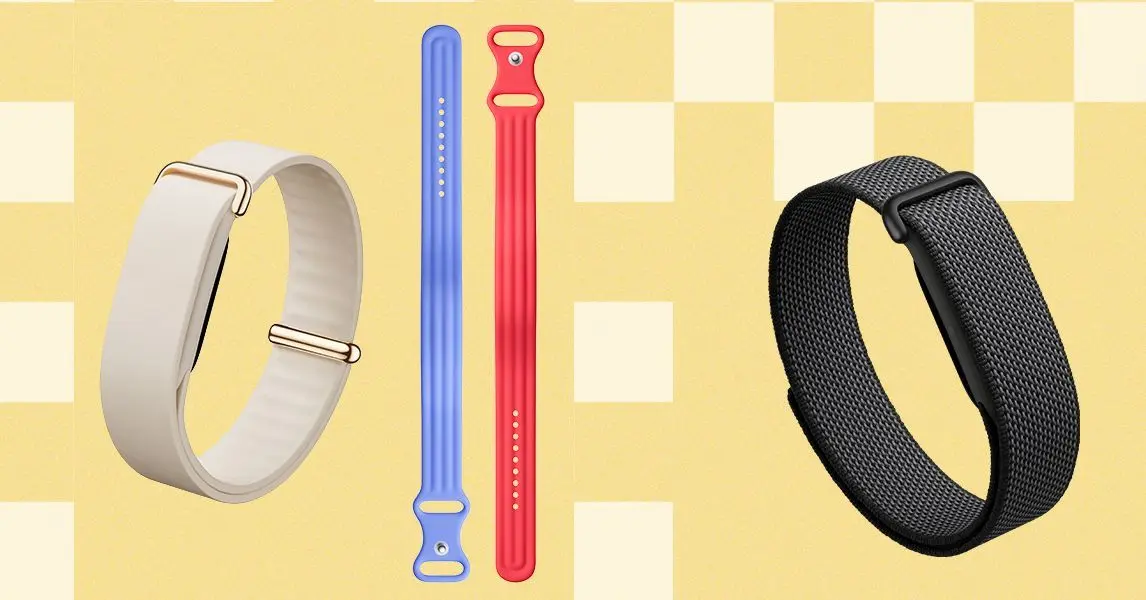
Fitbit is taking a sharp turn. Its first new fitness tracker since 2023's Charge 6 isn't an upgrade -- it's a rethink. The $99 Fitbit Air ditches the screen entirely, relying instead on subtle haptics and passive tracking to deliver a quieter, less intrusive experience. The move puts Fitbit closer to Whoop's philosophy of always-on, screenless wearables built for holistic health tracking, like the Whoop 5.0. Similar to its rival, the Air is designed to fade into the background, pairing a week of battery life with Fitbit's full suite of health sensors. At this price, it's one of the most accessible entries yet in the screenless tracker category. The hardware shift arrives alongside a bigger software push. Fitbit's app is being rebranded as Google Health, with a redesigned interface that still keeps core activity, sleep, and health metrics free across Android and iOS. Tied to that update is the wider rollout of Google's Gemini-powered Health Coach. Available through a $9.99 monthly or $99.99 annual Premium subscription, the AI assistant offers personalized workout plans, adaptive wellness advice, and more advanced sleep insights -- marking a deeper move into software-driven fitness guidance. Fitbit Air: The Screenless Gamble That Could Pay Off Let's start with the basics. The Fitbit Air is set to hit stores on May 26 and includes three months of Google Health Premium. It will be available in Berry (red), Fog (silver), Lavender (purple), or Obsidian (black). Each band color is available in different materials. The default Performance Loop band is a lightweight fabric designed for comfort. Other band styles like Active and Elevated Modern use a rugged plastic. Google will also sell a special edition Stephen Curry Performance Loop, featuring a brown-and-orange design and the basketball star's name and Lock In motto. Google says the Air is designed so you can easily switch bands to change your look for certain occasions. The company also promises a seamless data tracking experience if you switch between a Pixel Watch and a Fitbit Air, for instance, to use the latter for sleep tracking. The Air tracks your activity, exercise, sleep, stress, and other key health metrics. Under the surface, it features an optical heart rate monitor, a three-axis accelerometer and gyroscope to track movement, a temperature sensor, and red and infrared sensors for blood oxygen saturation measurements. The Air doesn't have an integrated GPS for outdoor workouts like the Charge 6. It can monitor for Atrial Fibrillation (AFib, an irregular heartbeat) and has a built-in vibration motor for haptic feedback and alerts. It's meant to be lightweight, comfortable, and durable so that it's pleasant to wear around the clock for holistic health tracking. The Fitbit Air is water-resistant to 164 feet. The battery promises up to seven days of power on a charge. It can recharge from 0 to 100% in 90 minutes, and five minutes of charging is enough to power the device for a day. A week of battery life would put the Fitbit Air well ahead of most smartwatches and previous Fitbit devices. The Fitbit Charge 6 lasted only three days with the always-on display enabled during our testing. The Whoop 5.0, on the other hand, lasted for more than two weeks in testing and comes with a rechargeable battery pack so you never have to take the tracker off. The Fitbit Air will be much more affordable than the Whoop 5.0, which requires a $239 annual subscription. The Whoop offers accurate and reliable exercise and sleep tracking, though its workout data lacks detail. As with the Whoop, you can manually start tracking a workout on the Fitbit Air in the app, or let the device automatically detect your activity. The Fitbit Air could be better than Whoop at exercise tracking if it's as detailed and reliable as previous Fitbit devices. Google's AI Coach Takes Center Stage The Fitbit Air's hardware may be minimal, but it leans heavily on Google's far more ambitious Health Coach software. From my early testing last year, it stood out as the most capable automated fitness coach I've used, largely because it builds workout plans naturally through conversation and adapts when your schedule shifts. That said, it wasn't flawless -- workout syncing could be clunky, and its sleep guidance lagged behind its otherwise strong exercise insights. With Health Coach now moving out of preview, it'll be interesting to see how much of that has been refined. Google says improvements are coming on both fronts. Sleep tracking is getting more granular, with nap detection and better nighttime analysis, while the assistant itself is designed to feel more responsive, delivering shorter, more useful replies in chat. The core experience remains the same: You'll start with a quick onboarding conversation about your goals, and the coach will build a plan to match. This time around, though, it's less rigid -- focused more on weekly targets than prescriptive daily workouts, while still offering detailed suggestions on demand. In practice, that flexibility was already one of its biggest strengths. During my testing, the coach easily worked around my two weekly personal training sessions, automatically logging them via the Pixel Watch 4 and suggesting additional workouts to fill out the week. The updated version goes further, letting you log sessions however you want -- through a device like the Fitbit Air, by importing data from services like Peloton, or even by snapping a photo of a gym whiteboard and letting the AI parse the details. That kind of adaptability is compelling, especially for anyone with a less structured routine. I'm still a bit skeptical about the sleep side of the equation. Better detection is a step forward, but to truly compete with more mature offerings from Samsung and Whoop, the coach will need to deliver deeper, more actionable guidance -- not just cleaner data. Fitbit's New Direction Won't Please Everyone The new Google Health app will be organized into tabs for Fitness, Sleep, and Health, along with a main Today section summarizing your info. It will let you import data from third-party services, export medical records to share with your doctor, and compete with friends on expanded leaderboards for the highest step count and cardio load. While I liked the layout of the new app when testing it for Google Health Coach, I'm sure the shift in name and style will be jarring to longtime Fitbit fans. Others might be disappointed that the Fitbit Air isn't a direct update to popular lines like the Charge or Inspire. Google will continue to keep both the Inspire 3 and Charge 6 as part of its current lineup alongside the Air and the Pixel Watch 4. Together, the Fitbit Air and the revamped app point to a clear new direction for Fitbit under Google's leadership. I'll be putting both the device and the fully developed Google Health Coach through their paces soon to evaluate how they hold up. Still, the idea of a more affordable alternative to Whoop, paired with guidance from Google's AI, is definitely intriguing. Stay tuned for my full review.
[4]
Fitbit Air First Impressions: Google's New Fitness Tracker Has a Built-In Coach
Google is ditching the screen on its latest wearable and betting hard on its AI health coach. The new Fitbit Air is a slim, screenless band with a removable sensor with the sole job of collecting health data in the background, removing the distractions of notifications, apps and stats. Read more: Fitbit Air, Redesigned App and an AI Coach: Google Is Overhauling Its Health Ecosystem This back-to-basics move echoes the earliest Fitbit devices, but with a very different end game. Where those first bands only counted steps, the Fitbit Air feeds a much broader stream of biometric data into Google's evolving health ecosystem that seems to be increasingly centered on AI. At $99, the band is just the ticket to get you in the door. The main event is Google's recently launched Health Coach, part of the Google Health Premium (formerly Fitbit Premium) service. The premium service will run $10 a month or $100 a year when you purchase an annual subscription. Health Coach is an AI-powered chatbot built on Gemini that translates raw data into personalized guidance, adaptive workout plans and recovery recommendations. The strategy also extends beyond Android. Because the Fitbit Air and its companion app support both iOS and Android, Google is using the device as a Trojan horse of sorts to bring its AI health coach to iPhone. News of the launch comes alongside a broader rebrand, as Google phases out the Fitbit name in its app in favor of Google Health -- part of a push to unify its wearables, services and AI. The Fitbit branding sticks around on hardware for now, but the finish line for the Fitbit name is in sight. It's also a strategic bet on where the market is headed. Screenless devices like the Whoop band and Oura Ring have carved out a growing category of wearables focused on continuous wear, sleep tracking and long-term health trends rather than the in-the-moment functionality of a smartwatch. The fact that the Fitbit Air can be paired with a device like the Pixel Watch further suggests Google sees the two as complementary, not competitive. The Fitbit Air covers the core health metrics you'd expect, including 24/7 heart rate monitoring, heart rate variability, SpO2 (blood oxygen level), temperature variation, sleep tracking and analysis, cardio load, training readiness, steps, distance and irregular heart rhythm notifications for atrial fibrillation detection. It also includes automatic activity tracking that you can confirm later in the app. The device is water-resistant up to 50 meters. One caveat: The Fitbit Air uses an older sensor setup than the current Pixel Watch 4, which includes a multipath optical heart rate sensor and a far-field temperature sensor. The Air sticks with more traditional sensors, which could limit accuracy, especially in peak heart rate zones and for more advanced insights, like menstrual cycle tracking. Google Health Coach, and the long-term health insights, are the main reason you'd buy this band. The coach pulls together fitness, sleep, heart rate and menstrual cycle data to build training plans that adapt to real-time performance and schedule. It sets weekly targets and can suggest workouts (which include video examples), adjust recommendations based on recovery and can use your own data to signal when to push and when to rest. This includes haptic Smart Wake alarms that use your sleep data dynamically to wake you at an optimal point in your sleep cycle. Health Coach has been in beta since October of 2025 and is rolling out in a staggered launch alongside the Fitbit Air. One of the clearest advantages of going screenless is battery life. Google says the Fitbit Air lasts up to a week on a single charge. (We'll have to test to see how this holds up to our real-world testing.) And it can also charge from zero to 100% in 90 minutes. That doesn't quite match the Whoop band's two-week battery life, but it's a serious step up from the roughly 36-hour battery cap you'd get from its display-totting siblings, like the 41mm model of the Pixel Watch 4. Unlike the Android-only Pixel Watch, the Fitbit Air works with both Android and iOS, which is more in line with other Fitbit devices. That means you can get the Google Health Coach even if you have an iPhone, though it's unclear if there are any advantages to using the Air on Android versus iOS. I haven't seen the Fitbit Air in person yet, but based on the specs, it follows a familiar screenless design. Like the Whoop band, the sensor module can be removed and swapped between different bands. Unlike Whoop, which offers alternate mounts such as a sports bra and even a Whoop thong, Fitbit is sticking to wrist-based accessories. That may change later based on feedback. The Air supports a range of interchangeable bands in different materials. Options include the Performance Loop for everyday wear, the Active Band for workouts and the Elevated Modern Band for a more polished look. Bands start at $35 and come in four colors: Obsidian, Fog, Berry and Lavender. An orange and gray Stephen Curry Special Edition will also be available in limited quantities. The shift toward Google Health branding is now prompting renewed scrutiny, particularly as the company explores letting users import medical records to the app. As part of its 2020 acquisition of Fitbit, Google agreed to keep Fitbit health data separate from its advertising business for 10 years. Google says data collected by the Fitbit Air and other Fitbit devices will not be used for advertising, but experts have noted that even anonymized health data can often be traced back to individuals, and that once data is collected, how it's used years down the line depends entirely on policies that can change. For anyone considering handing over their health data, it's worth reading the fine print and keeping an eye on how those policies evolve over time. The Fitbit Air launches May 7 for $100 at Google.com and in the Google Store app, with in-store availability at physical retail locations beginning May 26. Accessory bands start at $35. Three months of Google Health Premium are included with purchase, after which the subscription automatically renews at $10 a month. CNET will be testing the Google Fitbit Air over the coming weeks, so check back for our full review.
[5]
The Google Fitbit Air is an AI-infused take on Whoop wearables - Engadget
The Whoop-like wearable that Google teased in March has just been unveiled. Called the Google Fitbit Air, it's a screenless device that you can put in a wristband, chest strap or technically anywhere, really, depending on the accessory you choose. It's available for pre-order today for $100 and is basically a Fitbit, freed from its band. But of course, with a name like Air, the new gadget is a lot smaller than its predecessors. According to the general manager for Google Health Rishi Chandra, the Fitbit Air is 25 percent smaller than the Fitbit Luxe and 50 percent smaller than the Inspire 3. Google also said its latest device was "rated more comfortable than leading competitors" in an independent consumer perception study conducted last year, looking at the most popular wearables in the US. The company described the Fitbit Air as having a "secure, micro-adjustable fit" that is supposed to make it so comfortable you won't notice it at work, at the gym or in bed. At just 12 grams (0.42 ounces) with a band and 5.2 grams (0.18 ounces) without, it's certainly very light. Since it doesn't have any buttons or a screen, the Fitbit Air is mostly a passive wearable that just sits on your person and collects information. It will monitor your heart rate all day, and with that data it can use the company's long-established algorithms to log your sleep, deliver details on your time spent in specific sleep stages and assign you a Sleep Score each night. The Air can also detect "signs of AFib with irregular heart rhythm notifications" and help you "understand your heart rate variability (HRV) and its impact on your overall wellbeing." You won't need to worry about having to pull out your phone to start logging a workout session, by the way, The Fitbit Air has auto activity detection like most of its peers, and can track more than 140 types of exercise including biking (stationery or outdoors), running, walking, rowing, elliptical and other high-heart-rate sports. You'll also get information on your weekly cardio load and readiness, as well as all the basics you expect from a modern activity tracker like your steps, distance traveled and time spent exercising. And because it has a vibration motor, it can silently wake you up by buzzing against your skin. Google's Smart Wake feature can use this to help rouse you from slumber at the most appropriate times in your sleep cycle. These all sound like features we've come to expect from most smartwatches and fitness trackers today, of course. But Google did say the Air is "powered by advanced new machine learning models that are 15% more accurate than our previous models." It also pointed out that the Sleep Score has been improved in a way that "better reflects recovery." The Air also has the letters A and I in its name, and like most products launched by Google this year, comes with a host of AI features. Central to the Air experience is the Google Health Coach, which has been in public preview since its October unveiling. This is basically a Gemini-powered interface that lets you have a conversation with the Google Health app and get personalized suggestions based on your data. The Health Coach will create "dynamic, tailored fitness plans that fit your goals -- and your life -- with workout suggestions and proactive insights that adapt to your real-time performance data and changing schedule. According to Google, the coach will be able to work with fitness and health data including Cycle Health and "vital medical information." The company also says that "your data is private and secure." For now Google is offering three bands alongside the Fitbit Air. There is a Performance Loop Band that is "micro-adjustable" and an Active silicone band that is sweatproof and "wetproof" to better withstand workouts. (Google says the Air is water resistant up to 50 meters, but it's not officially waterproof.) A third option, an "Elevated Modern Band," which Google says turns the Air "into a fashionable bracelet." No chest strap option (or necklace or anklet or other variation) is available yet, although Chandra did tell Engadget more bands were coming. "Right now, it's just wristbands," he said. "We're looking into how to accessorize it more." Like other Fitbits, the Air has an estimated battery life of up to a week, and it can charge fast enough to get up to one day of power in five minutes of being plugged in. It would take about 90 minutes to get completely full. Like the Pixel Watch 4's, the Fitbit Air's charger is magnetic and bi-directional so you don't need to fuss over its orientation when you place the device on the dock. The Air is also water-resistant up to 50 meters Google has also made a special edition of the Air in collaboration with basketball star (and the company's "Performance Advisor") Steph Curry. It features a "raised interior print for increased airflow and signature Stephen Curry design details," as well as an additional water-resistant coating. All those extras will cost you a premium, as the Fitbit Air Special Edition will set you back $130. Each purchase of the Fitbit Air (including the Special Edition) will come with three months of Google Health Premium, and the devices will arrive on May 26.
[6]
Google's Fitbit Air is a Whoop-like screen-less fitness tracker built around AI
Serving tech enthusiasts for over 25 years. TechSpot means tech analysis and advice you can trust. First look: Google is taking a different approach to wearables with the introduction of the Fitbit Air. The device removes the screen, focusing less on user interaction and more on quietly collecting health metrics in the background while software does the heavy lifting. In form and philosophy, it closely echoes the approach popularized by Whoop, the subscription-based fitness tracker. The Fitbit Air is a compact module that fits into a range of bands, with its sensors pressed against the skin and no display on top. That means no notifications, no tapping, and no swiping - just passive tracking. With nothing to interact with, the device is easier to wear continuously, including overnight. The design addresses a longstanding issue with smartwatches. While widely adopted, they haven't become essential for many users, partly because they require frequent charging and aren't always comfortable enough for continuous wear. Google says the Fitbit Air can last about a week on a single charge while still collecting data around the clock. It can also store up to a day's worth of data without needing to sync with a phone. The sensor suite includes heart rate monitoring, motion tracking via an accelerometer and gyroscope, infrared SpO2, and skin temperature sensing. Google notes that the heart rate sensor isn't as advanced as the one in its Pixel Watch lineup, which could make a difference during more intense workouts. Beyond that, the hardware keeps things minimal, with only a vibration motor for alarms and no support for notifications. Notably, it also lacks onboard GPS and an altimeter - features found on the Whoop 5.0. Rather than replacing the Pixel Watch, the Air is meant to sit alongside it. Users can pair both devices with the same phone and switch between them as needed. Google says this multi-device support will expand to other wearables, hinting at a broader ecosystem of devices that serve specific roles. That platform is also changing. The Fitbit app is being reworked and renamed Google Health, with a redesigned interface and less emphasis on the Fitbit brand. Fitbit Premium is being folded into a new subscription tier called Google Health Premium. The core functionality - tracking activity, logging workouts, and visualizing health data - remains intact, but Google is placing greater emphasis on how that data is used. The biggest addition is an AI-powered Health Coach built on Gemini. It functions as a chatbot that can answer questions and generate recommendations based on a user's data. Google says the model has been tuned specifically for health use cases, using input from medical experts and user studies. It can suggest workouts based on past activity, analyze sleep patterns, and even process images of food to log meals. How useful the system turns out to be will likely depend on how much data it has to work with - the more consistent the data, the more context the AI has. The approach raises familiar privacy concerns. Google says it will not use health data for advertising and won't include it in AI training unless users explicitly opt in. There will be a setting to allow data sharing for training purposes, though it's unclear how many users will choose to enable it. The Fitbit Air launches on May 26 at $99.99 and includes a standard band; additional styles are sold separately. Buyers also get three months of Google Health Premium, which will cost $10 per month or $100 per year afterward. By comparison, Whoop's entry-level subscription costs $199 per year, with the hardware bundled in rather than sold separately. The Fitbit Air's model is notably more accessible: the device is purchased upfront for $100, and the core tracking features work without any subscription. Google Health Premium is optional and unlocks the Gemini AI coaching layer. As part of the transition, Google Fit will be shut down later this year, with users expected to migrate their data into Google Health. What emerges from all of this is a shift in priorities. Google appears less focused on competing feature-for-feature with traditional smartwatches and more interested in building a system where hardware fades into the background. The emphasis is on continuous data collection and the software layer that interprets it - particularly AI models that can turn raw metrics into actionable insights.
[7]
Google's Screenless Fitbit Air Relies on Gemini to Be Your Personal Health Coach
Whoop is about to get some serious competition. Last year, Polar challenged Whoop's screenless health and fitness tracker with its subscription-free Loop, and now Google is jumping into the arena with the Fitbit Air. As previously teased by Golden State Warriors point guard Stephen Curry, the $99.99 Fitbit Air is also a screenless wrist-worn wearable. It tracks all the stuff you'd expect from a wearableâ€"like steps, workouts, and sleepâ€"but the thing that connects all of the monitoring and helps you make sense of the data is the revamped Google Health Coach (previously in beta). Google using AI to understand your fitness and health data? Who could have predicted that?! In all seriousness, this is where wearables are headed. With the troves of data pulled from wearable sensors, it only makes sense to have an AI "coach" to do stuff like spot trends and provide guidance. And Google says this time the coaching will feel more personalâ€"catered specifically to the individual wearerâ€"thanks to Gemini. Google's AI will take into consideration not only your tracked data from the Fitbit Air, but lifestyle changes like injuries, nutrition, and even the weather. In a virtual briefing, Google reps said that the more you share (using natural language of course) with the Google Health Coach, the more personalized your coaching will be. There are a few reasons to consider the Fitbit Air over an older Fitbit tracker or even a smartwatch like the Pixel Watch 4. First, it's screenless and has automatic activity detection. This is great for staying focused in the moment, like when you're playing sports, instead of fixating on numbers going up or down on your wrist. Tracked data is sent to the Google Health app, which works with both iOS and Android devices. Without a screen, the battery life is also pretty long. Google says the Fitbit Air will last up to 7 hours on a single charge through its included magnetic charger. A five-minute fast charge will give you one day of battery and 90 minutes of charging will fully charge it up. The size is also very compact. I haven't tried the device in person, but I'm told it's about 25% smaller than a Fitbit Luxe. It's also easy to customize to match any outfitsâ€"the standard "Active" band detaches from the "pebble" module with all the sensors and then you can swap in any other one. There's also a Stephen Curry Special Edition that comes in a special pink colorway and includes details like a "raised interior print for increased airflow." Google has also improved tracking across the board. The company says the Fitbit Air's 24/7 heart rate monitor improves sleep tracking by up to 15%. For example, the wearable can detect naps that are 20 minutes or longer. "Advanced algorithms" can also help wake you up at just the right time each day so you feel better rested. The sleep score has also been revamped to convey info in way that's easier to digest. One convenience that I appreciate is that you can now seamlessly switch between wearing a Pixel Watch or the Fitbit Air when you sleep. Both devices can be paired with the Google Health app, so if you don't like wearing a smartwatch to track your sleep, you can just slip on the Fitbit Air when you hop into bed. The Google Health app will sync data from both without missing a beat, and you can also filter the data by device, according to Google. The Fitbit Air sounds great on paper. I like the idea of using AI to understand my metrics, but at the same time I'm wary of oversharing my personal data. Google says in addition to the data collected from the Fitbit Air (and other devices), you can also upload health and data in PDF format, and the Google Health Coach will ingest that and consider that information when it generates coaching. I get that the more info the AI knows, the better it can offer guidance, but I'm not sure I can fully entrust it with my medical data just yet. Perhaps I just need a taste of the "magic" and I could be convinced. Data privacy, especially in regards to your health, is something everyone should think deeply about. Preorders for the $99.99 Fitbit Air start today, May 7, and hit store shelves on May 26. That also comes with three months of Google Health Premium. After the free trial, it'll cost you $9.99/month to continue getting access to the Google Health Coach. Bands cost an additional $34.99.
[8]
Google launches $100 screenless Fitbit Air with Gemini AI health coach at $10/month to rival Whoop's $10B wearable business
Google spent 2.1 billion dollars buying Fitbit in 2021, three years dismantling the brand, and on Thursday launched a 100 dollar device with no screen, no buttons, and no independent functionality to bring it back. The Fitbit Air is a soft fabric band with a five-gram sensor pack underneath that tracks heart rate, steps, sleep, blood oxygen saturation, and heart rate variability. It cannot display a notification, make a call, or tell you the time. What it can do is feed data into a new Google Health app powered by a Gemini-based AI health coach that interprets the metrics, designs workout plans, analyses photographs of meals for macronutrient content, and provides personalised coaching for 10 dollars a month. The device goes on sale on 26 May. Preorders begin Thursday. And the product Google is actually selling is not a fitness band. It is a subscription. The Fitbit Air weighs 12 grams with the strap and five grams without, making it lighter than most smart rings. Battery life is seven days, and a five-minute fast charge adds a full day of use. The band comes in four colours, obsidian, fog, lavender, and berry, with additional straps available for 35 dollars. Without a screen or physical buttons, the device uses haptic feedback for an alarm clock and a small LED to indicate battery status. It supports voice input for logging activity and meals but cannot audibly respond. It can detect atrial fibrillation, a feature that has become standard across recent wearables after years of regulatory clearance work. The sensor pack is removable and clips into the fabric band, a design that is unmistakably modelled on Whoop's hardware architecture. The resemblance to Whoop is not coincidental. Whoop, which raised 575 million dollars in March at a 10.1 billion dollar valuation, has built a business around the thesis that a screenless wearable focused on recovery, strain, and sleep data can command premium subscription revenue without the distraction of notifications, apps, and display. Whoop does not charge for hardware but requires an annual subscription starting at 200 dollars. Google's Fitbit has been developing health monitoring capabilities, including FDA-cleared atrial fibrillation detection algorithms, that bring it closer to the clinical-grade data that Whoop and Oura users rely on for training decisions. The Fitbit Air's 100 dollar price point and optional 10 dollar monthly subscription undercuts Whoop's annual cost by more than half and Oura's 349 dollar ring by more than two-thirds, while offering a comparable sensor suite. The question is whether the AI coach can deliver insights that justify the ongoing cost, or whether most users will rely on the free tier and treat the device as a basic tracker. The more significant announcement is the rebranding of Fitbit's software ecosystem as Google Health. The new app, available on both iOS and Android, is structured into four tabs, Today, Fitness, Sleep, and Health, and provides standard metrics including steps, calories, sleep stages, and vital signs. Users can manually log meals and menstrual cycles and share data with contacts or other health platforms. The free tier covers all tracking features. The 10 dollar monthly subscription adds the Google Health Coach, a Gemini-powered AI assistant that analyses sensor data in the context of a user's stated goals and provides coaching recommendations. Users can upload photographs of meals for calorie and macronutrient assessment, a feature that leverages the multimodal capabilities of Gemini's vision models. Rishi Chandra, who leads Google's wearables and health division, described the Health Coach as the beginning of a platform strategy. "We want every hardware product we're building, from the Pixel Watch to the full Fitbit portfolio, to really optimise around this Health Coach," he said. Google has invested tens of billions of dollars in AI capabilities, from its own Gemini models to a reported 40 billion dollar investment in Anthropic, and the Health Coach represents one of the first consumer applications designed to convert that AI investment into recurring subscription revenue through a mass-market hardware device. Chandra's analogy, that the Health Coach aims to give ordinary users the support structure of a professional athlete's nutritionist, sleep coach, and fitness trainer, articulates the value proposition. The execution depends on whether Gemini can produce health insights that are consistently useful rather than generically encouraging, a distinction that will determine whether users continue paying after the three-month free trial included with the device. The wristband market that the Fitbit Air enters is dominated by Chinese manufacturers. Xiaomi controls roughly half the global wristband market, according to IDC, followed by Huawei at approximately a quarter and Samsung at 10 per cent. Fitbit holds about six per cent. Whoop, despite its 10 billion dollar valuation, holds only two per cent. The market grew 14.7 per cent in 2025, driven primarily by Xiaomi's focus on affordability and scale. The Fitbit Air's 100 dollar price positions it above the cheapest Xiaomi bands, which start below 30 dollars, but well below the premium segment where Whoop and Oura operate. The strategic positioning is clear: Google is targeting the gap between budget Chinese bands and premium health trackers, offering AI-driven insights at a price point that neither end of the market currently serves. The European Commission is preparing to force Google to open Android to rival AI assistants, a regulatory action that could affect the degree to which Google Health and its Gemini-powered coach can be bundled as default experiences on Android devices. But the Fitbit Air's cross-platform strategy, launching simultaneously on iOS and Android, suggests Google is positioning Health as a standalone product rather than an Android exclusive. Chandra described the Fitbit brand as Google's primary wearable for a broader audience, with the Pixel Watch reserved for committed Pixel and Android users. The distinction matters: Fitbit's historical strength was its platform neutrality, and the decision to launch Google Health on iOS signals that Google views the subscription revenue as more valuable than the ecosystem lock-in. The launch coincides with a deadline that underscores the tensions in Google's health data strategy. Fitbit users who have not migrated their data to a Google account by 19 May will lose access to the Fitbit platform entirely, with data deletion beginning on 15 July. The deadline, originally set for 2025, was extended to February 2026, then pushed again to May after user pushback. The forced migration converts Fitbit's health data, years of sleep records, heart rate trends, activity logs, and weight measurements, from a standalone health platform into a dataset attached to a Google account. Google has committed to keeping health data separate from Google Ads and has said it will not use the data for advertising purposes. Seven EU countries have accused Google of violating GDPR through user tracking, and the migration of sensitive health data into Google's account infrastructure raises the same category of privacy questions that regulators across Europe have been asking about the company's data practices for years. Google's history of discontinuing products casts a shadow over the Fitbit Air launch that no amount of marketing can dispel. The company has killed more than 290 products and services, from Google Reader to Google Plus to Stadia, and the three-year silence between Fitbit's last major hardware launch and the Air has already prompted questions about whether the brand was being wound down. Chandra's statement that the Fitbit Air marks "the beginning of a resurgence" for Fitbit is precisely the kind of commitment Google has made before abandoning products. The difference this time may be the subscription model. Google Health at 10 dollars a month, attached to a hardware device that costs 100 dollars, creates recurring revenue that Google's previous consumer products, many of which were free or one-time purchases, did not generate. The Fitbit Air is Google's cheapest bet on consumer health. The AI coach is its most ambitious. And the question that will determine both products' survival is whether a company that has never sustained a consumer subscription business outside of YouTube can build one around a device that cannot even tell you the time.
[9]
Fitbit Premium is becoming Google Health Premium and it'll cost more
Google Health Premium adds Gemini-powered coaching, adaptive fitness plans, deeper sleep insights, proactive health recommendations, and multimodal logging. Google appears set to fully retire the Fitbit brand from its subscription offerings. Alongside the new Google Fitbit Air, the company has announced that Fitbit Premium is also becoming Google Health Premium. The move comes alongside the broader rebrand of the Fitbit app into the new Google Health app. Google Health Premium will cost $9.99 per month and $99.99 per year. That represents a notable price increase over Fitbit Premium's current $79.99 annual subscription, effectively raising the yearly cost by $20. The new subscription tier focused heavily on Google's AI-powered coaching service and deeper health insights. It includes the Google Health Coach (formerly Personal Health Coach) and Ask Coach features that promise to deliver personalized, science-backed guidance based on a user's health and wellness data. The subscription will also bundle adaptive fitness plans, detailed sleep insights, proactive wellness recommendations, and multimodal logging that lets users track information via text, photos, or voice. The underlying Google Health app will remain available to all Fitbit and Pixel Watch users and includes activity tracking, sleep tracking, heart rate monitoring, medical records integration, and wellness logging features. Google says the app will also support connections to other devices, apps, and health services. Interestingly, Google Health Premium will be included with Google One AI Pro and Ultra plans in more than 30 countries. With this and last year's inclusion of Google Home Premium, Google One's Pro tier subscription sounds especially lucrative right now.
[10]
Google Health AI Coach
Following Google's Thursday announcement that it's rebranding the Fitbit app as Google Health, it has also upgraded its Google Health Coach. Previously called the Personal Health Coach, Fitbit's AI-powered coach was available only in public preview for early testing and feedback and had started offering more of its health features to free subscribers. Google Health Coach will remain available to former US Android and iOS Fitbit Premium subscribers, and they'll pay the original price of $10 per month or $80 per year. New and returning subscribers will be charged $10 per month or $100 per year. Powered by Gemini AI, Google's all-in-one AI wellness coach was designed to personalize your workouts and health goals. With all your data in one place, Coach analyzes and adapts your fitness plan based on your sleep and other health metrics to create custom workouts. "The experience is designed around the fundamental belief that effective coaching is built on a foundation of true understanding and appreciation for your personal goals," a Google spokesperson told CNET. Google Health Coach will serve as a hub where you can ask questions and gain insights about your medical records, medications, lab results and health and fitness data. Access to this information allows the AI coach to provide a more personalized experience for the subscriber, but experts say that you should always think twice before uploading your medical records to an AI tool. Google's spokesperson said the coach is designed as a supportive tool with an understanding of its limitations. "A core feature of the coach's design is to remind users to consult with a healthcare professional for any medical needs, including medical advice, diagnosis or treatment," the spokesperson said. According to Google, to establish its Health Coach, it gathered feedback from thousands of subscribers through various studies and organized a consumer health advisory panel of experts who provided feedback on the development of the AI feature. Additionally, the company says it used the safety, helpfulness, accuracy, relevance and personalization principle-based framework to make sure Google Health Coach is accurate, relevant and safe. Google's Coach will be available 24/7, and you can ask it questions at any time based on your own data. Questions you can ask include whether you should adjust your training schedule for upcoming travel or to work around an injury. Google said Coach's responses are rooted in personalized guidance using your health data and evidence-based recommendations. Google Health Coach remembers any prompts you've asked it and the adaptations it's made to your training plan. As a result, it can track trends in your health data to help you better understand them and how they could affect your performance. This is especially relevant when it comes to sleep. If sleep is a sore point for you, Google Health Coach creates an action plan with its advanced sleep-tracking learning model and your sleep data. For those looking to improve their eating habits, you can log your nutrition with Google's Coach by telling it about your meal or uploading photos. Because nutrition science varies from person to person and is always evolving, Google relies on a multi-layered approach and works with experts in the field. "We actively recruit a pool of external registered dietitians, alongside our internal nutrition science clinical specialists, to evaluate the AI responses," Google's spokesperson said. For Google Health members hesitant to share too much of their information, subscribers will have control over the features they can disable, such as the AI coach or health data they don't want to share. Subscribers can also delete their Google Health account with a 30-day grace period if they change their mind.
[11]
Google is turning the Fitbit app into a unified portal for your health and fitness data - Engadget
Google is converting the Fitbit app into a centralized portal where you can see a comprehensive view of your health and fitness data. The company is rolling out an update for the app on May 19, after which it will officially be called the Health app and will feature a new icon. If you're a Google Fit user, you'll get an invite to migrate your data into the new app later this year. You'll find four tabs in the new layout -- Today, Fitness, Sleep and Health. If you pay for Google Health Premium subscription, those tabs will come integrated with the Gemini-powered Google Health Coach, as well. In Today, you'll find an overview of your stats and activities with insights from Health Coach if you have access to it. Under the Fitness tab, you'll find a workout library, a summary of your recent activities and a "weekly plan," where you can save workout suggestions that you can ask Health Coach to create for you. You can see your sleep scores and duration in the sleep tab, including a view of your total REM sleep. Finally, in the Health tab, you'll find your key vitals, including your heart rate, weight, blood oxygen and blood pressure. If you're in the US, you'll be able to sync your medical records with the app to be able to view lab results and medications within its interface. Google said it will store your data within the app itself, and you'll be able to control how it's used and shared. For instance, you'll be able to link the app with other health applications, such as Peloton or MyFitnessPal, as well as share steps with friends to create leaderboards. "We... committed to not using Fitbit user health and wellness data for Google Ads," the company wrote. "The Fitbit app is now the Google Health app, and we continue to keep this commitment." Google introduced its personal AI Health Coach last year and even worked with NBA superstar Steph Curry to test its capabilities. On May 19, the same day the Health app is rolling out, Health Coach will be exiting its preview status and will be available globally as part of the Google Health Premium subscription plan, formerly known as Fitbit Premium. The membership will cost you $10 per month or $99 per year, though it will be free for all Google AI Pro and Ultra subscribers. You can be among the first to access to Coach if you have an eligible Fitbit or Pixel Watch, but it will support other devices in the future. Google will be done rolling out the Health app when the new Fitbit Air hits shelves on May 26.
[12]
Google's Fitbit Air is super comfortable, but its AI coach is already hallucinating
What should a modern fitness tracker be in 2026? With smartwatches readily available -- and for not much more than your run-of-the-mill Fitbit -- it's a tricky proposition, especially for brands like Google that live in both spaces. The Fitbit Air feels like an admission from Google that Whoop, the obvious competitor for something like this, is on the right path, offering a minimalist band that exists to gather data, not to serve as a miniature wrist-based computer. So far, I'm liking what I'm seeing from my time with the device, but not without some unsurprising concerns surrounding its AI coach. While it shouldn't be much of a surprise that the Fitbit Air is designed to be, you know, small, I still found myself pretty taken aback upon unboxing just how lightweight this thing feels right out of the box. Just how miniature Google's latest tracker is becomes even more obvious when you pop it out of the default band. This thing is a puck so tiny, it's actually difficult to find something in my gadget collection that actually functions as an easy comparison. The average true wireless earbud -- singular, not plural -- probably weighs more. Swapping bands is super simple, and frankly, relies on a more fluid system than Whoop's "Fast Link" slider system. Rather than relying on metal prongs to hold the tracker in place, the Fitbit Air drops out of your current band with a simple push. The default Performance Loop band and the "stylish" Elevated Loop" both show the uncovered band through a basic cutout, making removing the Air even easier. On the sporty Active Band, the tracker is completely covered, though it's still easy to push through the silicon barrier. Technically, you can force the Air into a band in either position, but there is a proper orientation, and you'll feel it when you're actually swapping bands. The correct setup feels right in a way its upside-down layout doesn't, though thankfully, you don't have to trust your gut on this. Google's battery indicator light turns on with a double-tap of the tracker, shining through just one side of the band. If you don't see that light, you probably have the Air turned around in your band -- or, you know, the tracker's just dead. Either way. Once the tracker's on your wrist, it's surprisingly comfortable. I'll need to use all three bands more to determine exactly which one is the best of the bunch -- and if any of the three are decidedly worth not buying -- but so far, the ultra-lightweight feel of this thing made for one of the most comfortable night's sleep I've ever had wearing a tracker. I didn't even immediately notice it on my wrist when I first woke up, though if you're using the built-in ( and decently strong) vibration alarms, that obviously won't apply to you. If there's one thing about the Fitbit Air that has me on edge, it's Google's Health Coach. Effectively a relaunch of Fitbit Premium, Health Coach feels like how Google wants most of its users to interact with its tracker within the app. There's an always-available chatbot button floating within the app, prompting you to ask your virtual coach any questions you might have on your fitness journey. Unfortunately, I'm already wary of trusting it. Generally speaking, I find AI fitness coaches pretty unreliable, either including mistakes in its general output or, even more frequently, delivering basic information in long text blocks to cover up that the analysis being offered is usually pretty shallow. This morning, Health Coach offered me both, suggesting I take it easy after a poor night's sleep (true!), a brief weightlifting session the day before (also true!), and, of course, the 5.2-mile run that followed my weightlifting (didn't happen!). Put simply, Google's paid replacement for Fitbit Premium immediately began hallucinating, even admitting to having made up the data before asking if, you know, maybe I'm the one who actually forgot to input a run. Remember, this is my very first report from this thing, making for an awful first impression. Even after this correction, the run data continues to exist within the AI-powered home screen layout, despite no record actually appearing within my account. It's not exactly a great advertisement for a platform that costs $10 per month or $100 annually. While I might not have high hopes for the AI elements built into this thing -- and honestly, what else is new? -- the rest of the package here seems solid so far. I'll have plenty to say in a final review coming soon, but for now, it seems like Google nailed the basics in its ultra-minimal Whoop competitor. It's comfortable, there's several band options to pick from, and it even serves as a simple Pixel Watch substitute in times where the full smartwatch experience isn't necessary. But I wouldn't recommend shelling out for Health Coach beyond Google's trial period until we have a better idea on just how frequently it's going to hallucinate.
[13]
Google Health Coach is officially here to replace generic fitness advice
The new Google Health app acts as a centralized hub designed to make sense of fragmented health streams. It reconciles data from hundreds of third-party apps and devices, and allows users to prioritize which data sources they prefer. Crucially, the app allows Google Health Premium subscribers to securely import and visualize personal medical records (launching initially in the US and Japan). With this context, you can then ask the coach questions like, "What's my cholesterol, and how can I improve it?" The AI will summarize your lab trends and offer personalized wellness suggestions based on your unique medical history.
[14]
6 unique Google Fitbit Air features that could make us switch
The Google Fitbit Air is a screenless fitness, health, and sleep tracker. Credit: Google You'll find Apple Watches and Whoop fitness trackers on a number of Mashable writers and editors' wrists. Fitbit may have popularized fitness trackers and the entire concept of "counting steps," but the brand has been eclipsed in recent years by feature-rich rivals. When one of our reporters ran the New York City marathon wearing seven fitness trackers, Fitbit didn't impress. But a new Fitbit could change that. The screen-free Google Fitbit Air hits store shelves May 19, and the $99.99 price tag is very tempting compared to an Apple Watch, which can cost $249 to $799. The Fitbit Air even has some unique features that could tempt dedicated Whoop fans. We haven't had the chance to test the Google Fitbit Air yet (Steph Curry is not on our staff, unfortunately), but here are the top Fitbit Air features we're eyeing ahead of May 19. When the Fitbit Air launches on May 19, Google will also debut the new Google Health Coach, which will be part of the Google Health Premium subscription ($9.99 a month or $99 a year). Google Health Coach is an AI personal trainer that can make personalized workout and health recommendations tailored to you. Using the health, sleep, and fitness data collected by the Fitbit Air, you'll be able to get insights that go way beyond counting steps. The level of personalization is impressive, as the AI coach can take your sleep cycle, local weather, and medical history into account when designing workouts. We don't love it when products require a paid subscription to unlock crucial features, but the amount of data available to your AI coach could set this tool apart from similar offerings. If you have a Pixel 4 smartwatch, you'll also be able to use this new feature. For the Fitbit Air, Google seems to be prioritizing lighter weight over battery life. While the Whoop 5.0 and MG have a longer battery life, the Fitbit Air will be significantly lighter and smaller. The new Fitbit weighs a mere 12 grams, less than half the weight of the Whoop 5.0, which weighs in at 26.5 grams (the Whoop MG is 27.3 grams). The sensor area, which Google describes as a "pebble," is also slimmer in height and narrower in width than Whoop. When compared to smartwatches, it has a significant size and weight advantage. That's crucial for people who want to use their fitness tracker as a sleep tracker. Despite the small size, the Air can still measure heart rate, heart rhythm, SpO2 (blood oxygen levels), sleep stages, and more. It also contains an accelerometer and a gyroscope. Within the Google Health app, you'll be able to talk to your AI coach by voice or text, with the conversations powered by Google's AI chatbot Gemini. You'll need your phone to do this, but for athletes who like to talk to their AI chatbot, you'll be able to talk in real-time. You'll be able to ask questions and make requests as you workout. Google offers several paid AI subscriptions for users who want to access the latest Gemini models and features -- Google AI Pro and Google AI Ultra. With the debut of Google Health Coach, users on either of these plans will now get free access to Google Health Premium. So, if you're already a Gemini power user, you can unlock extra features on the Fitbit Air at no extra cost. As the maker of Gemini, one of the most advanced AI chatbots, Google has some big advantages over Apple, Whoop, Garmin, Nothing, and other smartwatch and fitness tracker brands. Case in point: You can take pictures and upload them to Google Health Coach for analysis. A Google blog post states that users can "upload photos of gym whiteboards or snap photos of meals for nutritional analysis." You can also upload PDFs with health information. Again, you'll need to use your phone to use this feature. Finally, Google has one more advantage over Whoop: a longer free trial. When you buy a Fitbit Air, you get three months of access to Google Health Premium, whereas Whoop only offers a 1-month free trial For all these reasons, we expect the new Google Fitbit Air to be a serious competitor in the fitness tracker world and may even tempt some people to ditch their smartwatch. We're seeing growing interest in screen-free technology lately, which is one reason Whoop is so popular. However, once again, Google is going all-in on artificial intelligence features. For athletes who are not interested in having an AI personal trainer or using Gemini as a workout buddy, the Fitbit Air may be a tougher sell. Google touts its privacy features, but not everyone wants to provide such detailed health information to Big Tech.
[15]
The Fitbit app is finally being rebranded as Google Health -- here are 5 things you need to know about the big change and what it means for Fitbit users
We all knew this was coming eventually. In the five years since Google completed its acquisition of Fitbit, there have been enough changes -- such as every Fitbit app user needing mandatory Google accounts, Fitbit community features getting axed, and smartwatches reduced in priority in favor of Google's own Pixel Watch -- to signpost that Fitbit users would eventually become Google users. Now, the Fitbit app is about to become Google Health, in a mandatory update that's part of a sweeping AI-powered app redesign, coinciding with the launch of the new Google Fitbit Air (yes, that's the full name, and you can expect any future Fitbits to have the 'Google' prefix in there too). What does this mean for existing, longtime Fitbit users? Do you have to update? What if you already own a Fitbit? What about Fitbit Premium? And are there any changes to the way Google is handling your data? We're here to answer all your questions with this handy guide. 1. The update is happening for all Fitbit users -- whether you like it or not If you're a Fitbit user on either the free or premium tiers, you're getting updated to Google Health. Google Health is billed as a new version of the service, that's also replacing Google's native, now-redundant Google Fit and Google Health Connect apps. It works with Apple Health, Peloton, continuous glucose monitors like Lingo, and hundreds of other apps and devices, so you don't have to be on an Android phone to use it despite being a Google app. It's billed as "a cleaner view of your health and wellness", organising your data across four tabs -- Today, Fitness, Sleep and Health. Once your app updates, you'll see a new logo, a new layout, but you'll still be able to access all your old data and use all the best Fitbits (among other devices) to collect health information. 2. It's now a home for medical records too Google Health will also allow you to host your medical records on the app, allowing you to export and share data, creating reports accessible via sharable 'smart health' QR codes to share with doctors and medical providers. In a press briefing, Google reaffirmed the commitment it made on acquiring Fitbit, to keep health data separate from Google Ads. That commitment, made with the EU commission in 2020, is legally binding for at least 10 years. 3. Fitbit Premium is now Google Health Coach While Fitbit had a free and premium tier and Google Health continues that tradition, like so many of the best fitness apps nowadays, Google Health's premium option is now based around an AI fitness coach. The Google Health Coach has been 'grounded in scientific and well-established coaching and fitness frameworks' according to Google, with a Consumer Health Advisory Panel of experts providing feedback and guidance for the coach's development, to limit any potential harm caused by AI training advice. The Coach, built with Gemini, can access your data and answer questions about health and wellness, creating training plans which change weekly depending on your performance, offering recipes and nutrition advice, answers questions about injuries, and sleep analysis. It's described as 'world-class expertise that's always available whenever you need it. It constantly adapts based on your personal health and wellness metrics and is uniquely tailored to your goals and real-life circumstances'. With so many AI-powered training advice services out there, Google is working hard to try and lead this category. It even accesses your medical records or menstrual cycle information should you give it permission to do so. That legally-binding commitment from Google not to use our health information for advertising does make me feel better about allowing Google Health Coach access to this information. 4. The Google Health Coach offers Nutrition Logging Google Health Coach has a feature similar to Garmin Connect+'s Nutrition Tracking feature: Nutrition Logging, which allows you to set up an adjustable calorie target and upload photos of your meals, which the Coach will use to estimate a calorie or macro count. You'll also be able to upload the information manually, but intelligently analysing a quick photo for a calorie or macronutrient count is a useful tool for those serious about losing, maintaining or gaining weight. 5. The price isn't changing much Access to Google Health's premium tier, including Google Health Coach, costs $9.99 / month (other regions TBC, but it's about £7.50 / AU$14) or $99 / year (around £75 / AU$140). Google Health retains a free tier which allows you to access your uploaded data without the AI-powered insights. The new Google Fitbit Air now comes with just three months of Premium, rather than the six months you get with current-gen Fitbits. That's around the same price as Fitbit Premium, which also costs $99 / £7.99 / AU$14.99 a month. Premium subscribers still get access to a library of recipes and workout content from the Fitbit Expert Trainers: however, it seems clear the original Fitbit group challenges and other community features will not be returning anytime soon. Follow TechRadar on Google News and add us as a preferred source to get our expert news, reviews, and opinion in your feeds.
[16]
Google is launching an AI Health Coach. Here's what it's all about
Google's Gemini-powered health coach promises fitness, sleep, and wellness guidance for $9.99 a month. Google is officially entering the AI health coach race, and this one has been a long time coming. The company has announced the Google Health Coach, a Gemini-powered personal wellness assistant baked into a rebranded Google Health app. It will track your workouts, analyze your sleep, read your medical records, and adapt to your life in real time. Think of it as having a fitness trainer, a sleep expert, and a nutritionist on call 24/7 for just $9.99 a month. Here's everything you need to know about Google's play to become your go-to health companion. Same coach, new name The Google Health Coach didn't appear out of thin air. It's been in the works for a while, albeit under a different name. Google first previewed it during its August 2025 Made by Google event, promised a public beta in October, and delivered on that promise for Fitbit Premium subscribers on Android, with the iOS rollout following later. At the time, the feature lived inside the Fitbit app and was known as the Fitbit AI Coach. With this week's announcement, the Fitbit app is being rebranded as Google Health, and the coach is getting a new name to match. The preview period was used to gather feedback and iterate, with Google making continuous improvements before committing to a full global rollout. That rollout is almost here. Here's when it drops Google Health Coach will go live with the launch of the rebranded Google Health app on May 19. It will be a staged release, with the rollout expected to be completed by May 26, the same date the new Fitbit Air hits the market. Recommended Videos At launch, the coach will be limited to Fitbit and Pixel Watch devices, with support for other devices to follow. If you don't own either, you can still download the Google Health app and sign up to receive a notification when the coach is ready for your device. What it can do Google Health Coach is designed to function like a personal health assistant. So, before it starts offering advice, it'll kick things off with an onboarding conversation to get to know you better. It'll include questions about your goals, daily routine, available equipment, any injuries, and other lifestyle context that will help shape the guidance it offers. And since life rarely stays the same, you'll have the option to update this information at any time, and it'll adjust the guidance accordingly. The coach will use all of that contextual information alongside your fitness and sleep data, nutrition, cycle tracking, local weather, and medical records (if you choose to share them) to offer relevant guidance. Day to day, it'll surface insights and nudges through the redesigned Today tab in the Google Health app. And if you want a quick answer about something specific, the "Ask Coach" feature will offer on-demand guidance. The coach will also help you track meals, workouts, and health data using voice, photos, or documents. Snap a photo of a gym whiteboard to log a session, or photograph a meal for a nutritional breakdown. US users will also be able to sync their medical records and ask the coach questions about test results, medications, and visit history. The coach will shape how the rest of the Google Health app works, too. The Fitness tab will offer a weekly plan built around your goals, with workout suggestions that factor in your readiness and recovery. You'll also be able to build custom workouts using natural language, and the coach will provide step-by-step guidance as you work through them. The Sleep tab will go beyond tracking hours and help you understand your consistency over time and where your rest could improve. The Health tab will let you view key metrics at a glance and ask the coach to summarize your medical records in plain language. Cycle tracking, nutrition, and mental wellbeing are also being rebuilt from scratch for this release, with the coach connecting insights across all three to tailor your workout and recovery recommendations. So if your cycle phase is affecting your energy levels or sleep, the coach will take that into account when suggesting how to approach your week. Built on real expertise Google says the coach has a solid foundation. Its guidance is powered by Gemini and grounded in "novel health research and established wellness principles." The company worked with a Consumer Health Advisory Panel of medical experts and clinicians across multiple disciplines, alongside its own clinical and sports science teams, to ensure the coach's recommendations are evidence-based. NBA star Stephen Curry and his team of performance experts were also part of the process, working directly with Google Health to shape the coach's approach to goal setting and recovery. On privacy, Google says it's maintaining the commitment it made when it acquired Fitbit: your health and wellness data will not be used for Google Ads. That commitment will carry over to the Google Health app and stay in place going forward. What it'll cost you The Google Health Coach will be available as part of a Google Health Premium subscription, which is a rebranded version of Fitbit Premium. The pricing stays the same at $9.99 per month or $99 per year. If you're already a Fitbit Premium subscriber, nothing changes on your end. If you're on Google AI Pro or Ultra, you'll get Google Health Premium bundled in at no extra cost, which makes those plans considerably better value for anyone who also cares about their health and fitness. The new Fitbit Air will also come with three months of Google Health Premium included, giving new device buyers a decent window to try the full experience before committing. Google Health Coach arrives on May 19, and with Apple having recently shelved its own health coaching plans, Google has a genuine opportunity to stake its claim in this space early. Whether the coach delivers on its promise in day-to-day use remains to be seen. It'll be interesting to see how this plays out over the coming months.
[17]
'Google Health' replaces Fitbit app as new 'Premium' plan joins AI Pro
After months of Public Preview testing, Google is replacing the Fitbit app and launching "Google Health." It's meant to bring "together the best of Fitbit's pioneering spirit with the helpfulness of Google." The Fitbit brand remains in use for hardware, but all software will now be under the "Google Health" umbrella to reflect where the company is going. Behind the scenes, the Fitbit app will soon get a Play or App Store update to Google Health. For the most part, this is the same app available in Public Preview since October. Google Health is organized into four bottom bar tabs: However, there are a number of meaningful updates, starting with a ton of new customizable metrics for the dashboard at the top of the Today and Health tabs. A new "Log" button lets you manually add Activity, Body fat, Food, Glucose, Hydration, Period, Sleep, Temperature, and Weight with a sleeker interface. Finally, friend leaderboards are available again. In addition to steps, you can now see cardio load. Free users will get activity, health, and sleep tracking with basic logging, as well as the ability to import medical records (in the US). Google Health Premium (previously Fitbit Premium) subscribers will get the conversational Google Health Coach and adaptive fitness plans. They will also get detailed and proactive insights across sleep, fitness, and health. The Coach will be able to summarize medical records, while the workout library and mindfulness sessions from before are unchanged. New with this launch is multimodal logging that lets you log via text, voice, or photo. For example, you can take a picture of lunch and have Google perform automatic recognition. Google Health Premium is now part of Google AI Pro or AI Ultra in 30+ countries. You can also subscribe separately for $9.99 per month or $99.99 annually. The Google Health Coach is built with Gemini and designed to adapt to metrics in real time, as well as requests you give it. The setup experience involves telling the Coach your preferences, routines, and available equipment. This will help create a personalized fitness plan with daily workout recommendations. You can ask questions like: On the privacy front, Google remains "committed to not using Fitbit user health and wellness data for Google Ads." The Google Health app is available in over 200 countries. This update (including on Pixel Watch) will start rolling out on May 19 and will be fully available ahead of the Fitbit Air hitting store shelves on May 26. Later this year, Google Fit users will be able to migrate data to the Google Health app.
[18]
Fitbit Air Official as Google's New Screen-Less $99 WHOOP Competitor
We can stop the social media stocking as of this morning and tell you that the Fitbit Air is now official from Google. The screen-less device is as we reported earlier, a $99 wrist wearable that'll keep track of all of your health metrics and sporty activities. This device is launching alongside the new Google Health app, which we have full write-up about. Google is keeping the Fitbit brand alive with this new Fitbit Air, which is a health and fitness wearable that goes on the wrist to track your life 24-7. It'll record activities and vital medical info, let you know how your sleep is going, and help you reach fitness goals. Unlike a Pixel Watch, the Fitbit Air works on both Android and iOS. Since it has no screen, the idea is for it to live on the wrist and track everything, but stay out the way and not provide another distraction to your life, you know, like a smartwatch might. It's slim, weighs almost nothing, and lasts for up to 7 days on a single charge. It can also be quickly swapped out between different band styles to meet your day. Like seriously, it just pops out and then magnetically snaps/clicks into a new band. This Fitbit Air provides 24/7 heart rate tracking and can even detect signs of AFib with irregular heart rhythm notifications. It'll track heart rate variability (HRV), weekly cardio load and readiness, Cycle Health, and provide in-depth sleep analysis each morning, including a sleep score. Of course, it'll track the basics too, like distance traveled, steps, and workouts. Speaking of sleep, the Fitbit Air has a vibration motor that can vibration on the wrist as an alarm. Google included a Smart Wake alarm that will attempt to wake you at the optimal time within your sleep cycle. The Fitbit Air is in direction competition with devices like WHOOP and Amazfit Helio. With the launch of the Fitbit Air, Google is going to allow you to attach both a Pixel Watch 4 and Fitbit Air to your Google Health app (previously Fitbit app) at the same time. Previously, the Fitbit app would only allow for one device to be connected at a time to your account. This allows you to switch between devices throughout a day. As example, you might wear your Pixel Watch all day for the screen access, but you then want something lighter and easier to wear for sleep tracking so you would switch to the Fitbit Air at night. Google says you can seamlessly switch between these two or wear them together. The new Google Health app will sync info from both, let you filter by device, and (hopefully) power the Coach to figure out how to process or prioritize info from each. As for the Google Health Coach, it will be a big part of the Fitbit Air experience. Google is giving you 3 months of Google Health Premium access with purchase of an Air, so that means you'll get Coach access for at least 3 months. The Google Health Coach was previously the personal health coach within the Fitbit app in Public Preview, but since we're switching to Google Health, the name needed a change. This coach is powered by AI and will attempt to be your health and fitness buddy. It'll analyze your sleep, health metrics, and activity levels to give you feedback, plus you can just chat with it at any time about the world of health and fitness. When your 3 months ends, Google Health Premium (and the coach) costs $9.99 per month or $99.99 per year. If you subscribe to Google AI Pro or Ultra, you get access for free. The Fitbit Air goes up for pre-order today at $99.99 and works on Android and iOS. Devices are expecting to arrive by May 26. Purchases of the Fitbit Air include 3 months of the new Google Health Premium with the Google Health Coach. There is also a Google Fitbit Air Special Edition that comes with Steph Curry's Special Edition Performance Loop Band - it costs $129.99. Google plans to sell several band options, including the Performance Loop Band, Active Band, and Elevated Modern Band. These start at $34.99 each.
[19]
Fitbit is becoming Google Health, and it's getting a bunch of wellness upgrades
Google is finally treating health tracking as a platform play, pulling in medical records, third-party fitness data, and AI coaching in a way that Fitbit's standalone app was never built to handle. Google is officially pulling the plug on the Fitbit app, replacing it with the new Google Health app on May 19, 2026. It is quite ironic, as the company just announced a new Fitbit Air screenless fitness tracker, but the change will take place via an OTA update. This is happening after Fitbit's fifteen-year run, wherein it gathered millions of fitness-focused users and provided them with various health trackers and meaningful insights via its software. Should Fitbit users worry? Google has already confirmed on X that the "Fitbit devices aren't going anywhere," so all the user data stays in place. In simpler words, all your workout logs from the Fitbit app will still show up in Google Health. Recommended Videos For now, the Fitbit brand stays alive on the hardware front, implying that all its devices will still be available and supported. However, it's the Fitbit app that's getting subsumed by Google, in its new Health app. Google has not confirmed whether existing Fitbit Premium subscribers will be automatically migrated to Google Health Premium. What is confirmed is that the monthly price remains $9.99, while the annual subscription has been revised from $79.99 to $99.99. What's new in Google Health? The most significant addition is multimodal logging. Google Health users can log food, workouts, and health data by typing, speaking, or taking a picture via their smartphone. The app uses AI to automatically recognise and log the nutritional content from the photo (a meaningful addition over the Fitbit app). Users in the United States can directly upload their medical records to the app, and the Google Health Coach (a new version of the Fitbit Personal Health Coach available via the Health Premium membership) can reference that data while answering health-related questions. Sleep tracking accuracy improves by 15% over the previous Fitbit app's models, thanks to upgraded machine learning. The app can also pull data from Apple Health, Peloton, and MyFitnessPal, making it much more open than the Fitbit ecosystem. Rounding out the changes is a customisable dashboard, expanded social leaderboards for steps and cardio load, and improved cycle tracking. This is a fundamental shift from a device-centric app that counted your steps and stored your workout details to a health platform that connects wearables, medical records, nutritional details, and AI-based coaching, all under one roof.
[20]
Google to launch revamped Health app with AI coach on May 19
Google is converting the Fitbit app into a centralized portal for health and fitness data, with the updated app rolling out on May 19 under the name Health app, featuring a new icon. Google Fit users will receive invitations to migrate their data into the Health app later in 2023. The new layout will include four tabs: Today, Fitness, Sleep, and Health. The Today tab will offer an overview of user stats and activities, including insights from Google's AI-powered Health Coach for premium subscribers. The Fitness tab will contain a workout library, summaries of recent activities, and a weekly plan for workout suggestions created by Health Coach. The Sleep tab will display sleep scores and related metrics, such as total REM sleep. In the Health tab, users can view vital metrics including heart rate, weight, blood oxygen levels, and blood pressure. U.S. users will have the capability to sync their medical records within the app to access lab results and medication information. Google stated that it will store user data within the app, allowing users to control its usage and sharing. Users will be able to link the Health app with other fitness applications, such as Peloton and MyFitnessPal, and also share their step counts with friends for leadership rankings. "We are committed to not using Fitbit user health and wellness data for Google Ads," the company emphasized. Additionally, Google will unveil its AI Health Coach to all users on May 19, the same day the Health app launches, as part of the Google Health Premium subscription plan, which was formerly known as Fitbit Premium. The membership will cost $10 per month or $99 annually but will be free for Google AI Pro and Ultra subscribers. Eligible Fitbit or Pixel Watch owners will have early access to Health Coach, with plans to support additional devices in the future. The rollout of the Health app is expected to conclude with the launch of the new Fitbit Air on May 26.
[21]
The Fitbit app is dead -- long live Google Health - Phandroid
If you've been using Fitbit for years, you probably noticed the app has felt increasingly like a Google product anyway. Now it's official. The Fitbit app is becoming the Google Health app, and Google says the update starts rolling out on May 19. This is more than a logo swap. The Google Health app brings a fully redesigned interface meant to make it easier to find your sleep, fitness, and health data at a glance. Under the hood, the Gemini-powered Health Coach that's been in public preview gets its official name too: Google Health Coach. It adapts your fitness plans in real time, analyzes your sleep patterns with machine learning models Google says are 15% more accurate than the previous generation, and connects all your health data, including medical records in the US and Japan, all into one place. The free tier of the Google Health app covers the core stuff: activity tracking, sleep scores, 24/7 heart rate, and basic health and wellness logging, including medical records import. You also get cycle tracking and nutrition logging without paying a cent. The premium tier, now called Google Health Premium, runs $9.99 a month or $99.99 a year and unlocks the coaching features: adaptive fitness plans, Ask Coach (where you can just chat with your AI coach directly), detailed sleep insights, proactive health trend analysis, and multi-modal logging via text, photo, or voice. It's included with Pixel 9 Pro and Ultra devices, and available in 30+ countries. The Google Health app itself is free and available in over 200 countries, covering both Android and iOS. So if you're a current Fitbit user, you're not downloading anything new. The Fitbit name isn't disappearing entirely. Hardware like the new Fitbit Air keeps the Fitbit branding, but everything on the software and services side is now Google's. It's a clean split, and honestly one that's been coming for a while.
[22]
Google Health Introduced as Fitbit Replacement, Google Health...
Today is a very big day in the world of Google, its wearables, and its goals for fitness and health going forward. Not only did Google announce the Fitbit Air, they also introduced Google Health for the first time, with a Google Health Premium plan and Coach along for the ride. If you are a long-time Fitbit user, there are some things you need to know, as big changes are on the way. If you are new to the world of Fitbit, well, just familiarize yourself with Google Health instead. The first thing you need to know from today is that Google Health is here as the replacement for Fitbit. That's right, the Fitbit app is going away and an update will turn it into Google Health. All of your data will come over with it and there won't be any break in your tracking or anything. The Google Health app is introducing a big redesign, which is the same design you may have been testing through the Fitbit app's public preview. You get a redesigned home screen, 4 tabs full of useful information about your wellness, and on overall more colorful, intuitive layout in most places. Google says it is now providing deeper dives into more metrics, you can view more data and trends, and there's now ways to connect more apps and devices. The new Google Health app can connect to Health Connect, Apple Health, and Google Health APIs, so you can really see more than the limited 3rd-party data that Fitbit used to have. Again, Fitbit users will get an update to the new Google Health app through app stores - you won't have to download a new app. If you happen to use Google Fit still, Google is planning to migrate you over to Google Health "later this year." The Google Health app begins rolling out to everyone on May 19. As a part of this re-brand or launch of Google Health, we're also getting the Google Health Coach, which will replace Fitbit's personal health coach that has been in preview for several months. The Google Health Coach offers 24/7 guidance that adapts based on your personal life. You can set goals, adjust those goals, and let the coach know of life happenings to continue to personalize the experience. It's there to answer questions, give feedback, offer support and suggestions, etc. Since the Google Health Coach knows what you are up to, what your sleep is like, how ready you are for the day, and what kinds of active goals you have, it can help you stay on top of milestones and inform you of trends. I've tested this on Fitbit and I definitely felt like I got the most out of it when I checked in regularly. While you can sit back and be more passive with the coach, it really thrives by you telling it more about yourself and checking-in often. The Google Health Coach is a part of Google Health Premium, so it is a paid feature. OK, so you just read that in order to get the Google Health Coach in Google Health that you need to pay for a Google Health Premium subscription? Yeah, you really do. Google Health Premium costs $9.99 per month or $99.99 per year. However, Google Health Premium is a part of your Google AI Pro and Ultra subscription, so if you subscribe to Google's higher tier Google One plans with AI, it's included. What do you get with Google Health Premium? The comparison list of Premium to Base plans can be seen below, but the big thing is the coach. You also get adaptive fitness plans, more details in sleep insights, proactive insights aboiut fitness and health metrics, medical record summaries, a library of workouts, and mindfulness sessions. Google is introducing a new Google Health logo with this launch and you are likely to see it everywhere.
[23]
Google Health App Replaces Fitbit App as Health Coach Rolls Out in India
* Google Health Premium starts at Rs. 99 in India * Google Health Coach rollout starts from May 19 * The Health app combines Fitbit and wellness tracking Google has announced the public rollout of Google Health Coach alongside a broader redesign of its health and wellness platform. As part of the changes, the Fitbit app is being rebranded as the new Google Health app, bringing fitness, sleep, wellness, and health tracking features into a single interface. Powered by Gemini models, Google Health Coach is designed to offer personalised wellness guidance based on a user's activity, sleep, fitness habits, and lifestyle information. The update also introduces redesigned tracking tools, AI-driven recommendations, and tighter integration across Google's health services. Google Health Premium Subscription Starts at Rs. 99 in India Google Health Coach is now moving out of public preview and becoming publicly available, the company said on Thursday. The rollout will begin on May 19 and expand to all eligible users by May 26. Google said the feature will be available through Google Health Premium, previously called Fitbit Premium, which is priced at Rs. 99 per month or Rs. 999 per year in India. The subscription will also be included with Google AI Pro and Google AI Ultra plans. Alongside the rollout, Google confirmed in another press release that the Fitbit app is being rebranded as the Google Health app with a redesigned interface. The updated app introduces four main tabs named Today, Fitness, Sleep, and Health, along with customisable dashboards for quicker access to activity and wellness information. Google added that the redesigned app will begin rolling out globally from May 19 through an automatic update, meaning existing Fitbit and Pixel Watch users will not need to manually install anything. The Today tab inside the Google Health app will act as the central hub for proactive insights generated by Health Coach. Google said the system can combine information from fitness activity, sleep tracking, location, and even local weather conditions to provide personalised recommendations and wellness guidance. The company has also updated the Fitness, Sleep, and Health tabs with new features. The Fitness section now includes personalised weekly workout plans and natural-language workout-creation tools, while the Sleep tab focuses on sleep consistency and recovery tracking. The Health tab provides summaries of key health metrics in a simplified layout. Google is also redesigning cycle tracking, nutrition tracking, and mental well-being features within the new Health Coach experience. According to the company, the Coach can analyse how cycle phases or symptoms may affect sleep, workout readiness, and recovery. The updated system additionally supports flexible fitness plans, step-by-step workout guidance, conversational responses, and multiple ways to log information. Users can track data using voice input, images, workout details, or uploaded documents such as PDFs and gym whiteboards. The Mountain View-based tech giant said the Health app will combine information from wearable devices, Health Connect, and Apple Health into a single platform. The company also confirmed that Health Coach was developed using Gemini models with input from medical professionals, clinicians, and sports scientists. Google added that users will continue to have control over what health data is stored, deleted, or shared through optional features. The company also confirmed that Health Coach will initially support eligible Fitbit and Pixel Watch devices, with support for additional devices added later.
[24]
Google Fitbit Air launched: New screenless fitness tracker brings AI health coaching, 7-day battery life and iPhone support
Google has officially announced the new Fitbit Air, a slim screenless fitness band focused completely on health tracking and AI-powered coaching. The biggest surprise is that the Fitbit Air has no screen at all. Google is removing notifications, apps, and live stats so users can focus only on health tracking in the background. This move brings Fitbit back to its early roots because the first Fitbit devices were also very simple and mainly counted steps, according to CNET. But this time, Google's bigger goal is AI health tracking, not just fitness counting. The Fitbit Air collects biometric health data all day and sends it into Google's larger AI health system. Google is strongly pushing its new AI service called Google Health Coach, which is powered by Gemini AI. The AI Health Coach studies your sleep, fitness, recovery, heart rate, and other body data and then gives personalized advice. Google says the AI coach can create adaptive workout plans and recovery suggestions based on your real-time condition. The service is part of Google Health Premium, which was earlier known as Fitbit Premium. The premium subscription costs $10 per month or $100 yearly, as noted by CNET. Google is pricing the Fitbit Air at $99 to make it an easy entry product into its larger AI health ecosystem. TechRadar reported that preorders for the Fitbit Air have already started. The official launch date for the device is May 26. CNET also reported that online sales begin May 7 on Google's website and the Google Store app. Physical retail store availability will begin from May 26. The Fitbit Air works on both Android and iPhone devices. This is important because Google is now bringing its AI health tools even to iPhone users. Described this strategy as a "Trojan horse" approach to bring Google's AI services to Apple users. Google is also slowly removing the Fitbit brand name from its apps and replacing it with Google Health branding. However, the Fitbit name will still stay on hardware products for now. CNET said this rebranding shows Google wants to combine its wearables, services, and AI products into one large ecosystem. The Fitbit Air is entering the growing screenless wearable category, where brands like Whoop and Oura are already popular. These types of wearables focus more on sleep tracking, recovery, and long-term health trends instead of smartwatch features. Google also believes the Fitbit Air and the Pixel Watch 4 can work together instead of competing against each other. The Fitbit Air tracks many health metrics including 24/7 heart rate monitoring. It also tracks heart rate variability, blood oxygen levels (SpO2), sleep quality, body temperature variation, steps, and distance. The device can also detect irregular heart rhythms linked to atrial fibrillation. Google has added automatic workout detection as well. The device is water-resistant up to 50 meters. One limitation is that the Fitbit Air uses older sensor technology compared to the Pixel Watch 4. CNET said this could reduce tracking accuracy during intense workouts or advanced health tracking. The AI Health Coach can even use menstrual cycle data to improve recommendations. It also gives weekly fitness targets and workout suggestions with video examples. Google says the AI coach adjusts plans depending on how recovered or tired the user feels. Another feature is Smart Wake alarms that wake users during the best point in their sleep cycle using haptic vibrations. Google has reportedly been testing the AI coach in beta mode since October 2025. One major advantage of removing the screen is longer battery life. Google claims the Fitbit Air can last up to seven days on one charge, as stated by TechRadar. The band also supports fast charging and can fully charge in around 90 minutes. TechRadar described the device as something users can simply "set and forget." The Fitbit Air does not include smartwatch features like notifications, GPS, or Google Wallet support. TechRadar said the device is designed to stay lightweight and minimal instead of acting like a full smartwatch. The tracker weighs only 12 grams. The sensor module inside the band can be removed and switched between different strap styles. Google is launching several interchangeable band styles including Performance Loop, Active Band, and Elevated Modern Band, as mentioned by CNET. The accessory bands start at $35. The available colors are Obsidian, Fog, Berry, and Lavender. Google will also release a limited-edition orange and gray Stephen Curry version. Privacy concerns are now growing because Google is collecting more health information through AI systems. Google had promised during its 2020 Fitbit acquisition that Fitbit health data would stay separate from advertising systems for 10 years. Google says Fitbit Air data will not be used for advertising. However, privacy experts warned that even anonymous health data can sometimes be traced back to individuals. Experts also warned that company policies can change in the future. CNET advised users to carefully read Google's privacy policies before sharing long-term health data. Buyers will get three months of Google Health Premium free with the Fitbit Air purchase. After the free trial ends, the subscription automatically renews at $10 per month. TechRadar called the Fitbit Air a direct rival to the Whoop fitness band because both products focus on passive health tracking instead of smartwatch features. Overall, Google is making a big bet that the future of wearables will be AI-powered health coaching instead of screens and notifications. Q1. What is the Google Fitbit Air? The Fitbit Air is Google's new screenless fitness tracker that focuses on health tracking and AI-powered fitness coaching. Q2. Does the Fitbit Air work with iPhones? Yes, the Fitbit Air supports both Android and iPhone devices through the Google Health app.
[25]
Google Rebrands Fitbit App To Google Health, Replete With A Dedicated AI Health Coach, Announces The $100 Screenless Fitbit Air
In a series of health-focused announcements, Google has just rebranded the Fitbit app to Google Health, imbuing it with a dedicated AI health coach as well as the ability to work with any health tracker. The tech giant has also announced the $100 screenless Fitbit Air alongside a pricier special edition version. Google has just rebranded its Fitbit app to Google Health, replete with a more refined layout, customizable dashboards, and the ability to sync a variety of data, including health records. What's more, the new Google Health "works with hundreds of your favorite apps and devices, whether integrated through Health Connect, Apple Health, or the Google Healthy APIs." The app also brings the Gemini-powered Google Health Coach, a personalized, holistic, and adaptive resource right on your phone 24/7. Google Health Coach gives you personalized insights and advice, tailored to your particular health issues and preferences. The onboarding conversation lays down your personal goals, preferred exercises, and daily routine, and the Coach aligns its subsequent advice and recommendations with those inputs. The Google Health Coach will start rolling out on May 19, with Google targeting May 26 as the definitive deadline to complete this rollout process. It comes packaged with the Google Health Premium service that starts at $9.99 per month or $99 per year. The Fitbit Air is an affordable, screenless health tracker that uses high-fidelity sensors to monitor a range of health metrics 24/7. The Fitbit Air is one of the most affordable ways of unlocking deep insights from the Google Health app. The Fitbit Air features a week-long battery that can easily keep up with your schedule. What's more, it sports a very light footprint - you might even forget you are wearing one. And, you can swap between your Pixel Watch during the day and the Fitbit Air at night for seamless sleep tracking. The Fitbit Air is compatible with both Android and iOS. It can be pre-ordered starting today for $99.99. In-store availability is scheduled for May 26. You can also pre-order a special edition version for $129.99.
Share
Copy Link
Google is overhauling its fitness ecosystem with three major moves: rebranding the Fitbit app as Google Health, launching its Gemini-powered Health Coach subscription service at $9.99 per month, and releasing the $99 Fitbit Air—a screenless fitness tracker designed to compete with Whoop. The coordinated launch signals Google's strategic shift toward AI-driven wellness guidance.
Google has officially launched its Gemini AI-powered Google Health Coach as part of a comprehensive fitness ecosystem overhaul set to roll out on May 19
1
. The AI-powered health coach, which has been in public preview since October 2024, will be available through Google Health Premium—the rebranded version of Fitbit Premium—priced at $9.99 per month or $99 per year2
. This represents a $20 annual increase from the previous Fitbit Premium pricing of $80 per year, though the monthly rate remains unchanged. Google AI Pro and Ultra subscribers will receive access to Google Health Premium at no additional cost1
.
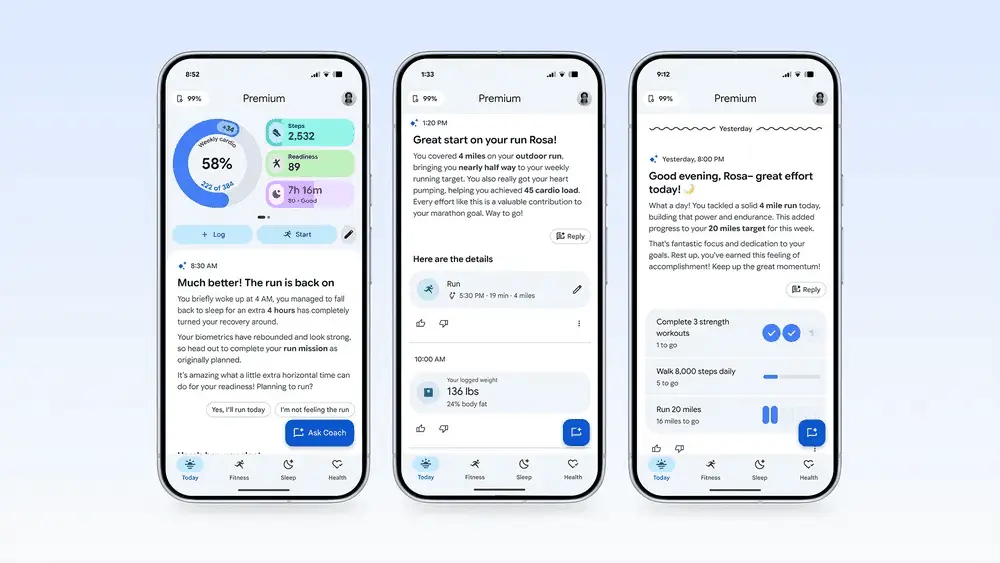
Source: TechCrunch
The subscription service combines fitness coaching, sleep expertise, and wellness guidance into a single conversational interface. Users communicate with the coach using natural language to set goals, log workouts and meals, or upload health records through photos or files
1
. According to Taylor Helgren, director of product management at Google, the service creates personalized workout plans that adapt to real-time performance data and changing schedules4
.The Fitbit app will officially become Google Health on May 19, completing a transition that began with Google's 2021 acquisition of Fitbit
2
. Android users will receive the updated app through a rolling update between May 19 and 26, while iOS users can immediately update starting May 19. The rebrand requires no manual downloads—existing Fitbit users will see their app automatically transform into Google Health with all data preserved2
.
Source: CNET
The redesigned interface expands from three tabs to four: Today, Fitness, Sleep, and Health. This restructuring, based on user feedback, aims to make health data more accessible
2
. A notable addition allows users to view medical records—including medications, lab results, and allergies—alongside fitness metrics. Users can connect to doctor portals directly or, after identity verification through Clear, have medical records searched automatically2
.Launching May 26, the Fitbit Air represents a strategic pivot toward passive health monitoring
3
. The screenless fitness tracker weighs just 5.2 grams without a band and 12 grams with one, making it 25 percent smaller than the Fitbit Luxe and 50 percent smaller than the Inspire 35
. Priced at $99 with three months of Google Health Premium included, the device positions itself as an accessible alternative to Whoop's $239 annual subscription model3
.
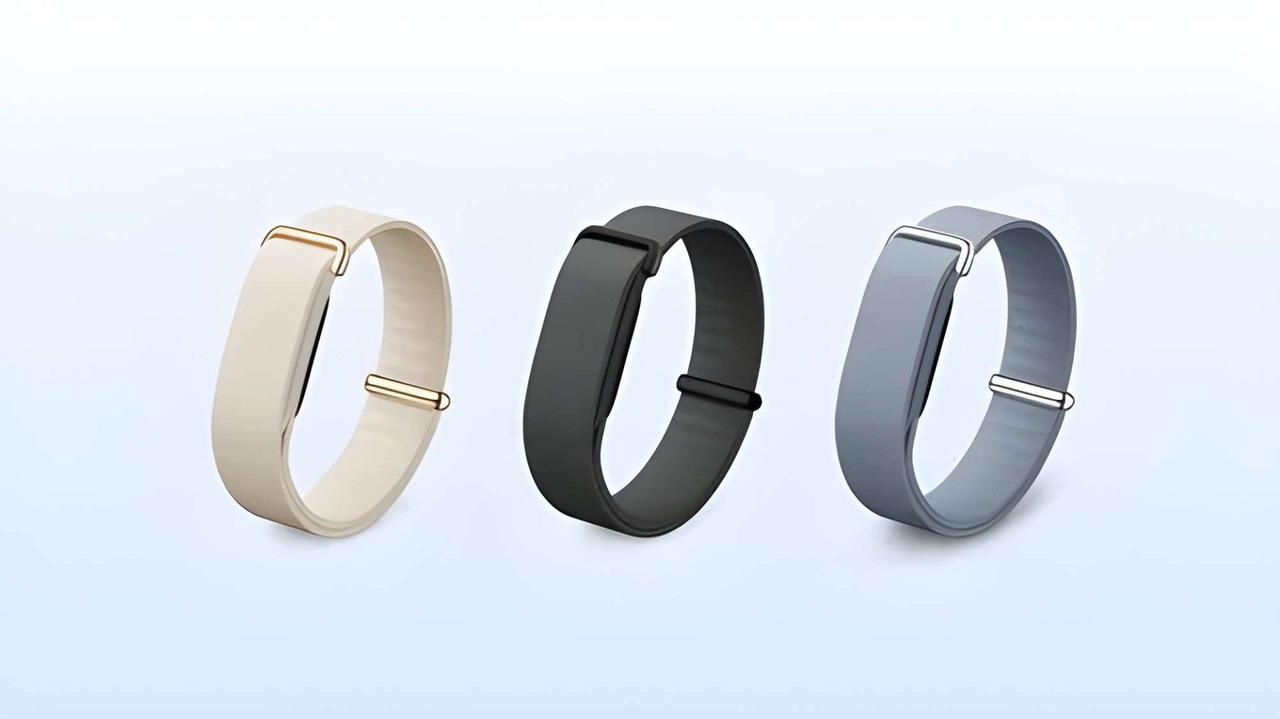
Source: Wccftech
The wearables market increasingly favors continuous-wear devices focused on holistic health tracking rather than smartwatch functionality. The Fitbit Air tracks heart rate monitoring, heart rate variability, SpO2, temperature variation, sleep tracking, cardio load, training readiness, and atrial fibrillation detection
4
. With automatic activity detection across 140+ exercise types and water resistance up to 50 meters, the device relies entirely on haptic feedback and the companion app for interaction5
.Battery life extends up to seven days, with fast charging delivering a full day of power in five minutes and complete charging in 90 minutes
3
. The removable sensor module works with interchangeable bands including Performance Loop, Active, and Elevated Modern styles, available in Berry, Fog, Lavender, and Obsidian colors starting at $354
. A special Stephen Curry edition features signature design details and enhanced water-resistant coating5
.Google Health introduces advanced machine learning models that are 15 percent more accurate for sleep tracking compared to previous models across all compatible Pixel and Fitbit devices
2
. This improvement, validated against clinical gold-standard measurements, enables more precise collection of health data on sleep stage transitions, naps, and interruptions, resulting in more accurate Sleep Scores2
. The enhanced sleep tracking integrates with Smart Wake alarms that use haptic feedback to wake users at optimal points in their sleep cycles4
.Related Stories
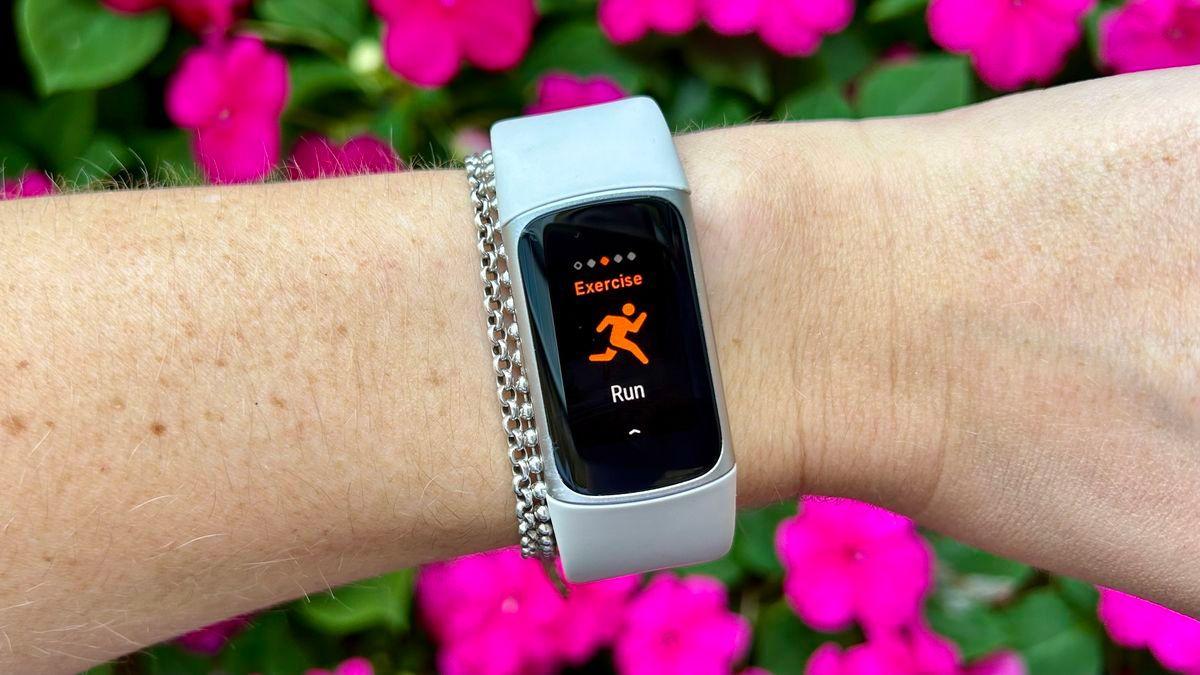
While Google emphasizes that health and wellness data won't be used for Google Ads, experts caution users about uploading medical records to AI tools
2
. The company maintains that data transmission between devices and servers is encrypted, with two-step authentication available. Users retain control to delete or export health data at any time, with a 30-day grace period to reverse account deletion. Optional features like AI training can be toggled on or off2
. Google plans to introduce secure data sharing capabilities with loved ones and doctors, though specific timelines remain unannounced.By supporting both Android and iOS platforms, the Fitbit Air serves as what industry observers describe as a "Trojan horse" to bring Google's health ecosystem to iPhone users
4
. This cross-platform approach contrasts with the Android-only Pixel Watch and mirrors the strategy of competitors like Whoop and Oura Ring. The coordinated launch suggests Google views screenless trackers and smartwatches as complementary rather than competitive products within its broader health ecosystem4
.Google Health Coach will initially be available for select Fitbit and Pixel Watch users, with support for additional devices coming later. Users without compatible wearables can download the Google Health app and will be notified when the coach becomes available for their devices, though Google hasn't specified a timeline
1
. Later this year, Google Fit users will be asked to migrate their data to Google Health as the company consolidates all fitness offerings under one platform2
.Summarized by
Navi
26 May 2026•Technology

21 Aug 2025•Technology

18 Mar 2026•Technology

1
Policy and Regulation

2
Policy and Regulation

3
Technology