Google Play Store Now Hosts Private Vibe-Coded Apps Built With AI, No Developer Account Required


4 Sources
[1]
Google wants to host your personal vibe-coded apps in the Play Store
Google has already added a few AI features to the Play Store, but a lot more are coming. The previously released Ask Play feature is expanding to offer more AI-powered discovery options in Google's app store, and Google is also using AI to build a recommendation engine called Game Finder. For
[2]
Google Play now supports private, vibe-coded apps built just for you
Your vibe-coded applications can now be easily run on Android smartphones without having to first go public on the Google Play Store, the tech giant announced on Tuesday. A new feature will allow users to launch their own personal apps on their device via Google Play using their standard Google
[3]
Google will let you distribute vibe-coded Android apps with just a Google account - Engadget
As part of a collection of updates to the Play Store, Google has announced that it will allow anyone who vibe codes an Android app to distribute it through the Play Store with just a Google account. The company's app store has changed a lot in the last few years, both in the wake of Google's
[4]
Your personal vibe-coded apps have a new home in the Play Store
This is getting started for personal apps, but the plan is to soon expand it to allow for limited group sharing. App creation is being democratized. While there are plenty of reasons to be a little wary of the rise of AI-powered software development tools, it's also impossible to deny that they're
Share
Copy Link
Google Play Store is opening its doors to vibe-coded apps created in AI Studio, letting users privately host and share AI-generated personal apps without a developer account. The update includes expanded AI-powered app discovery through Ask Play and a new personalized game recommendation engine called Game Finder with Gamer DNA profiles.
Google Play Store Embraces Vibe-Coded Apps With Private Hosting
Google Play Store is transforming how users create and distribute Android apps by introducing private hosting for vibe-coded apps built through Google AI Studio
1
2
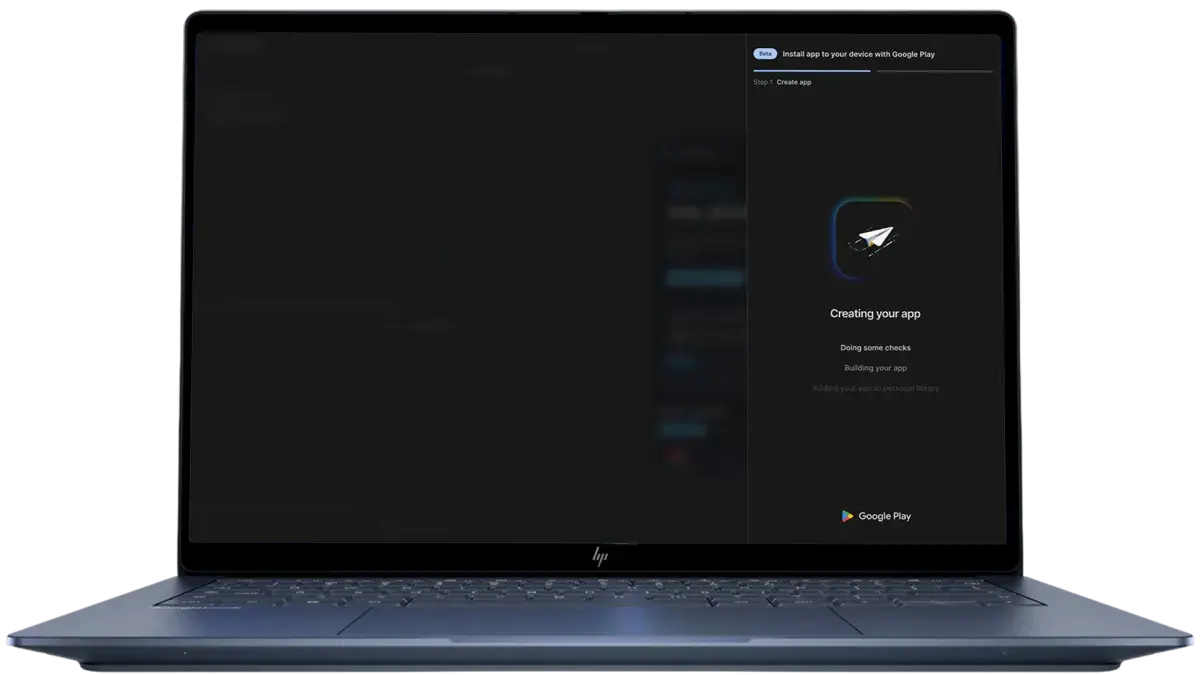
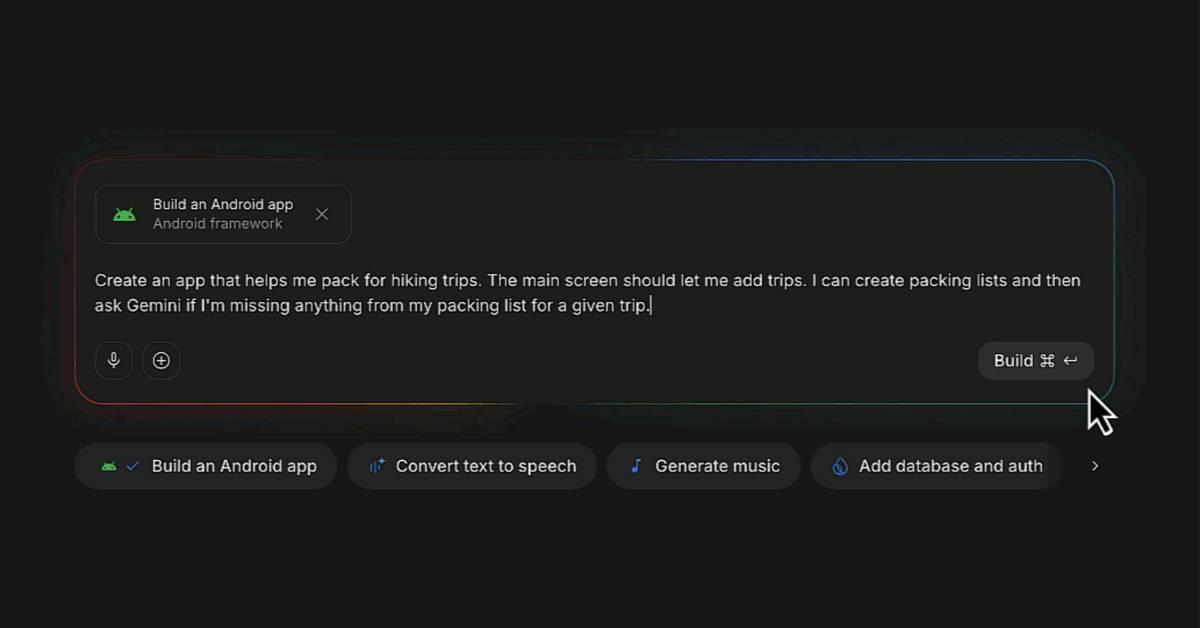
. Starting today in the US and select markets for users 18 and older, anyone can upload AI-generated personal apps directly from AI Studio to the Google Play Store without needing a paid developer account3
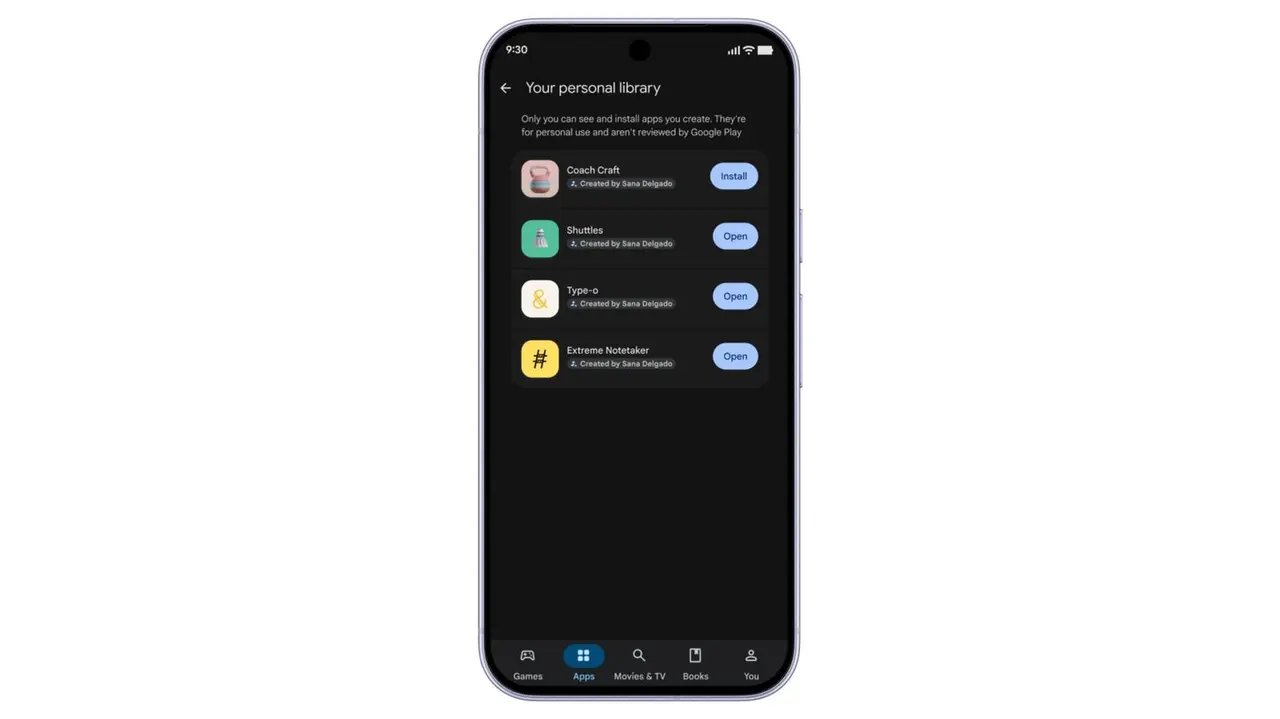
. These vibe-coded apps appear in a new "personal library" section accessible only to the creator, eliminating the need for complex sideloading processes or making apps public to the Play Store's 3 billion users2
4
.
Source: Engadget
This shift addresses a significant barrier that prevented people from building native Android apps for personal use. Previously, experimenting with AI-powered app creation meant either publishing to the entire Play Store or limiting development to web apps that could run on any device
2
. The new private app hosting feature changes that dynamic by providing a direct pipeline from Google AI Studio to personal devices, making app distribution as simple as installing any other Android app1
.From Private Apps to Public Distribution
Google plans to expand private app hosting capabilities in the coming months to allow limited group sharing with friends and family
2
4
. While Google hasn't specified the exact size of these "small groups," this feature will enable users to share apps built for specific purposes—like managing a child's T-ball league—without requiring a developer account1
. For creators whose vibe-coded apps gain traction, Google is building an onboarding process to transition from private hosting to full public app distribution1
4
.
Source: TechCrunch
Once an app graduates to public distribution, it becomes subject to the same trust and safety reviews as traditionally developed applications. Private apps in personal libraries, however, are not reviewed by Google
1
. Both Google AI Studio and the Play Store maintain security policies designed to protect user data safety even when running user-generated apps4
.AI-Powered App Discovery Through Ask Play and Gemini Integration
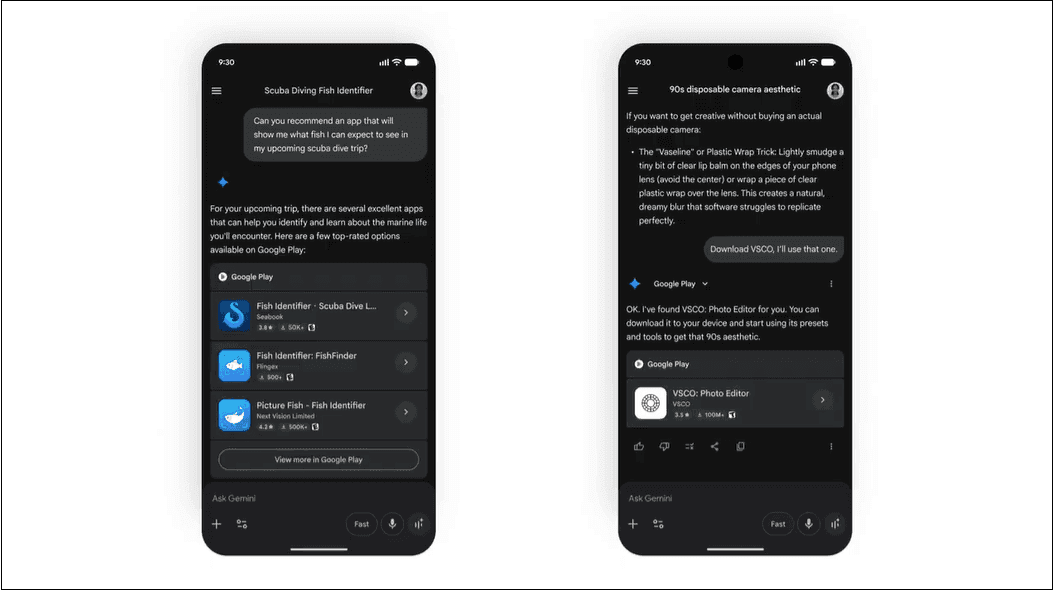
Google is expanding Ask Play, the AI features chatbot launched in 2025, from answering questions about individual app listings to serving as a general search tool across the Google Play Store
1
. Users can now ask the robot questions about apps and games, receiving recommendations that include detailed comparison charts showing key differences between similar applications2
. Gemini integration will soon offer similar AI-powered app discovery capabilities, surfacing direct links to Play Store apps within conversations3
.Sam Bright, Google's VP and GM for the Google Play and Developer Ecosystem, explained the vision: "Play has evolved to become so much more than that. We started Google Play with a simple goal: to connect you with the apps you love. But after today, we hope it's clear: the future of apps on Google Play is personal, secure, and built by everyone"
2
.Related Stories


Game Finder Introduces Personalized Game Recommendation Engine
Google is launching Game Finder, a personalized game recommendation engine that leverages data from 1.2 billion Android game players
1
2
. The feature builds a profile called Gamer DNA that matches users with players who have similar gaming preferences. Users can refine their Gamer DNA by rating games they've played, leading to more accurate recommendations1
.Game Finder includes curated game playlists and contextual lists covering categories like relaxing titles, trending games, and specific mechanics from previously played games
1
. Users can add or remove tags to further adjust AI-generated suggestions, and Google plans to enable prompts with specific game preferences, though the extent of customization available at launch remains unclear1
. The feature is rolling out today in the US in English, with other markets following soon1
.What This Means for App Development and Distribution
These updates signal Google's effort to democratize app development and stay competitive as third-party app stores can now be installed through the Play Store
3
. The move from "there's an app for that" to "there's an app for me" reflects a broader shift toward personalized software experiences2
.
Source: Ars Technica
For users experimenting with AI-powered software development tools, the barrier to entry has dropped significantly. No longer do creators need to navigate developer consoles or worry about unwanted public exposure when testing their ideas
1
4
. The streamlined process from Google AI Studio to app distribution makes it practical for significantly more people to build custom solutions addressing problems that existing software doesn't solve4
.Watch for how Google defines the limits of "small group" sharing and whether the company's security policies adequately protect users running unreviewed vibe-coded apps. The success of this initiative depends heavily on whether AI can reliably generate functional, secure applications and whether users trust AI-powered recommendations for app discovery. As Google continues pushing AI features across its products despite slow progress in coding-focused AI models, the real test will be whether vibe-coded apps deliver genuine value or become another underutilized feature in an increasingly crowded digital ecosystem.
References
Summarized by

Navi
[3]
[4]
Related Stories
Recent Highlights
1
Meta Unveils Muse Wonder Frontier AI Models, Claims Performance Matching OpenAI and Anthropic
Technology

2
Microsoft and Nvidia Launch Surface Laptop Ultra: A $2,599 AI-Ready PC With RTX Spark Chip
Technology

3
Meta Muse AI Agent Surges to 6.6M Downloads Despite Privacy and Security Controversies
Technology

Recent Highlights
Today's Top Stories






Don’t drown in AI news. We cut through the noise - filtering, ranking and summarizing the most important AI news, breakthroughs and research daily. Follow topics that matter to you and stay ahead.


