Google's Strategic Shift: Merging ChromeOS and Android for AI-Powered Arm Laptops

2 Sources
[1]
The end of ChromeOS is a new dawn for cheap Android laptops
When I first explored ChromeOS Flex, it felt like a minor miracle. Here was a platform that breathed new life into aging x86 hardware, transforming dusty laptops into lightweight, secure, and efficient devices. At the time, I saw it as a solution with great potential -- not just for reducing
[2]
Cheap MacBooks vs. Android Laptops: Google's plan to make desktop Linux a reality
When I first explored ChromeOS Flex, it felt like a minor miracle. Here was a platform that breathed new life into aging x86 hardware, transforming dusty laptops into lightweight, secure, and efficient devices. At the time, I saw it as a solution with great potential -- not just for reducing
Share
Copy Link
Google plans to consolidate ChromeOS and Android, aiming to compete with Apple in the Arm-based laptop market by leveraging AI integration and custom silicon development.

Google's Strategic Pivot in the Laptop Market
Google is reportedly planning to consolidate ChromeOS and Android, signaling a significant shift in its approach to the competitive laptop and tablet market. This move comes as the tech giant faces increasing pressure from Apple's dominance in the Arm-based computing sector
1
2
.The Limitations of ChromeOS Flex
ChromeOS Flex, while innovative in its ability to revitalize older x86 hardware, has faced criticism for its lack of native Android app support and reliance on outdated architecture. These limitations have restricted Google's ability to fully leverage its ecosystem, potentially relegating ChromeOS Flex to a niche solution
1
2
.Apple's Market Dominance
Apple's success with its M-series chips in MacBooks and iPads has set new standards for performance and value in the sub-$800 laptop market. The availability of discounted M1, M2, and even M3 MacBook models has created fierce competition in the education and casual user segments, traditionally strongholds for Chromebooks
1
2
.The AI Integration Advantage
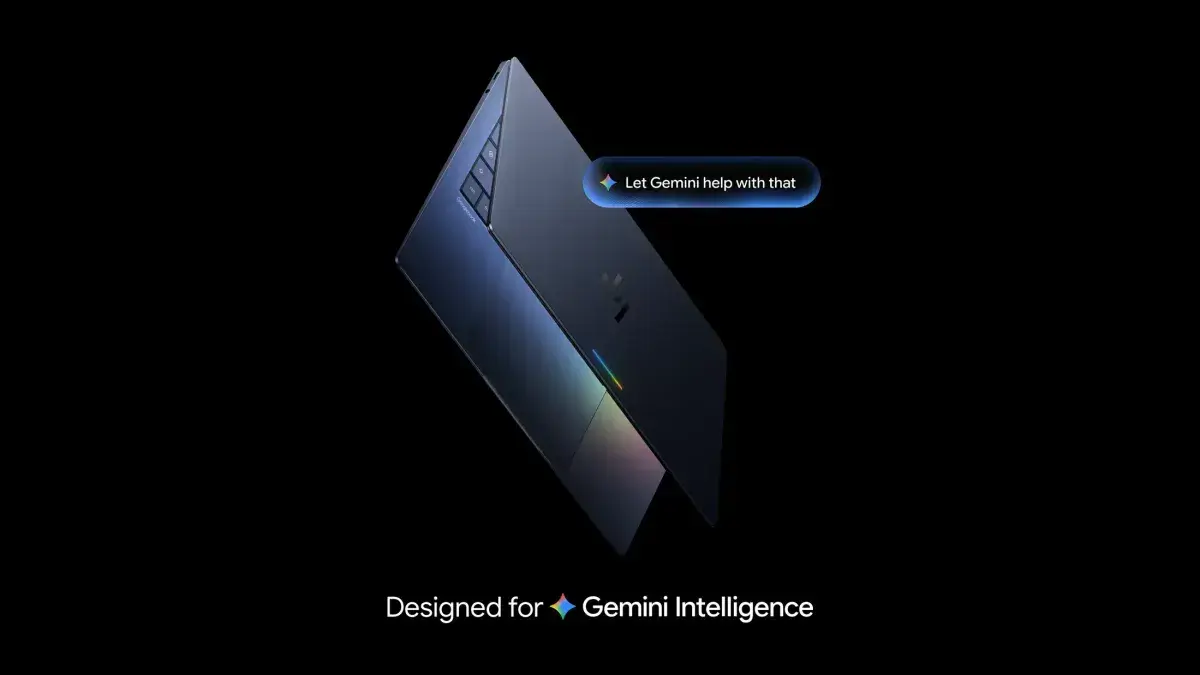
Google is betting on AI as a key differentiator in personal computing. The company's Gemini AI is being integrated across its product portfolio, from Android to Workspace. This deep AI integration could transform Google-powered laptops into uniquely compelling tools for various user groups
1
2
.Custom Silicon Development
Google's efforts in custom silicon development, particularly the upcoming Tensor G5 chip, are crucial to its strategy. Expected to debut with the Pixel 10 in 2025, the Tensor G5 will use TSMC's advanced 3nm process, potentially offering improved efficiency and performance for next-generation Arm laptops
2
.Related Stories
The Arm Ecosystem Challenge
The ongoing legal battle between Qualcomm and Arm Holdings adds uncertainty to the Arm-based computing landscape. Arm's threat to cancel Qualcomm's architectural license could disrupt the processor roadmap for many OEMs. This situation might create an opportunity for Google to establish a stronger position in the Arm laptop market
1
2
.Implications for the Tech Industry
Google's strategic shift has broader implications for the tech industry:
- It could potentially make desktop Linux a reality for mainstream consumers through Android-based laptops
2
. - The move may intensify competition in the AI-integrated computing space, challenging both Apple and Microsoft
1
2
. - Google's success could influence the direction of personal computing, particularly in how AI is integrated into everyday devices
1
2
.
As Google navigates these changes, the tech industry watches closely to see if this consolidation can effectively challenge Apple's stronghold and redefine the landscape of affordable, AI-powered computing devices.
References
Summarized by

Navi
Related Stories
Google's Googlebook enters AI-native laptop market, but skepticism lingers over commitment
30 May 2026•Technology

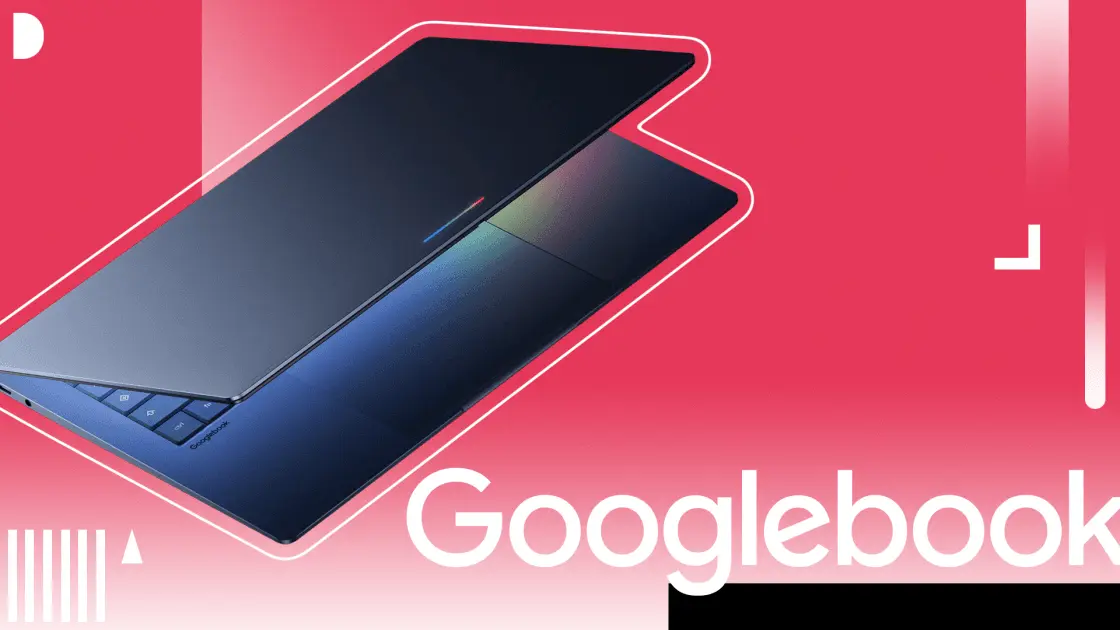
Google unveils Googlebook, an AI-powered laptop built on Android to challenge premium market
12 May 2026•Technology

Google's Googlebook brings Magic Pointer and Gemini AI to replace Chromebooks this fall
21 May 2026•Technology
Recent Highlights



Recent Highlights
Today's Top Stories






Don’t drown in AI news. We cut through the noise - filtering, ranking and summarizing the most important AI news, breakthroughs and research daily. Follow topics that matter to you and stay ahead.


