Greg Abbott calls for ban on AI data centers in rural Texas amid growing community backlash


3 Sources
[1]
Gov. Greg Abbott calls for ban on data center development in rural Texas neighborhoods
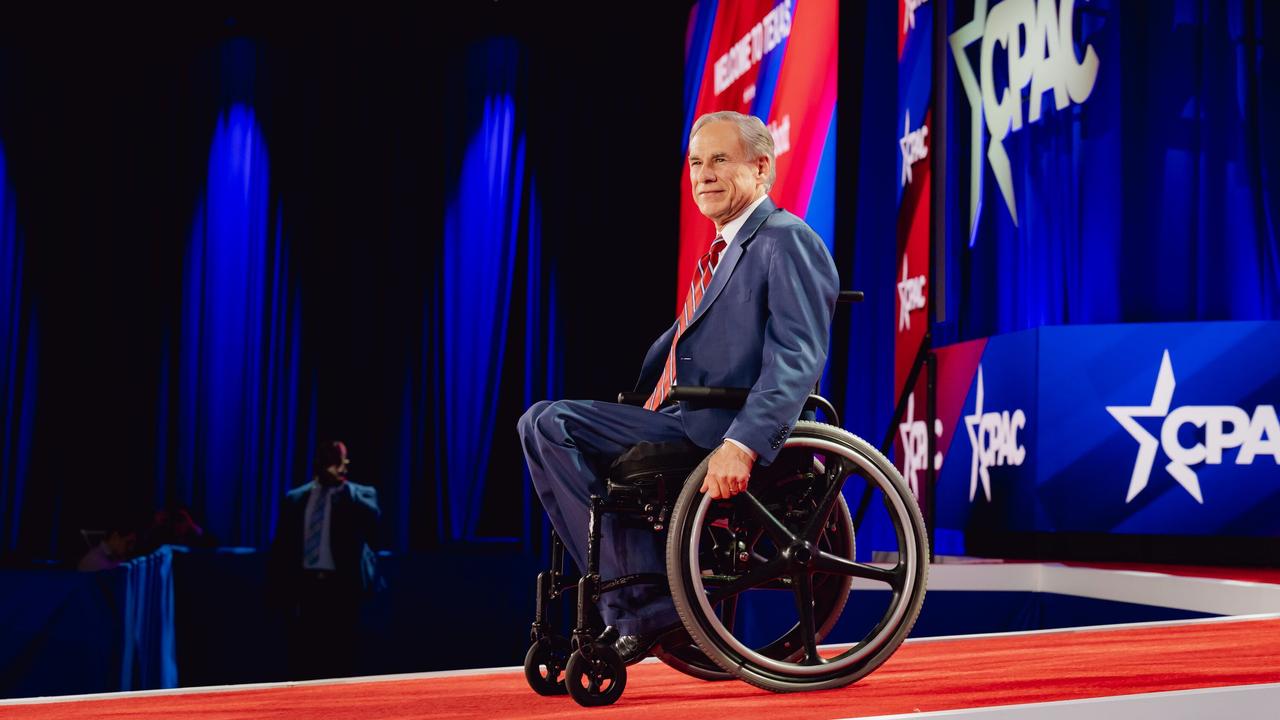
Gov. Greg Abbott called for blocking new data center development in rural parts of the state during a campaign stop in East Texas on Tuesday. "We must prohibit them from building AI data centers in rural Texas neighborhoods," Abbott said at the Bullard event, which primarily discussed his plan to
[2]
"We must prohibit them" says Governor Abbott about building AI data centers in rural Texas neighborhoods
Jack Fink covers politics for KTVT-TV CBS 11 and has been with the station since September 2003. After calling for more regulations on data centers in Texas last month, Governor Greg Abbott has taken a step further and said AI data centers shouldn't be built in rural Texas neighborhoods. His
[3]
Gov. Greg Abbott Calls for Ban on Data Center Development in Rural Texas Neighborhoods
Gov. Greg Abbott called for blocking new data center development in rural parts of the state during a campaign stop in East Texas on Tuesday. "We must prohibit them from building AI data centers in rural Texas neighborhoods," Abbott said at the Bullard event, which primarily discussed his plan to
Share
Copy Link
Texas Governor Greg Abbott announced plans to prohibit AI data centers from building in rural Texas neighborhoods during a campaign stop in East Texas. The move escalates his regulatory stance beyond earlier proposals, as public polling shows nearly two-thirds of rural Texans oppose data center construction in their communities.
Greg Abbott Escalates Stance on AI Data Centers in Rural Texas
Texas Governor Greg Abbott declared his intention to prohibit new AI data center development in rural Texas neighborhoods during a campaign rally in Bullard, near Tyler, on Tuesday
1
. The announcement represents a significant escalation from his earlier regulatory framework unveiled in June, which focused on requiring data centers to add power generation, pay infrastructure costs, and reuse water1
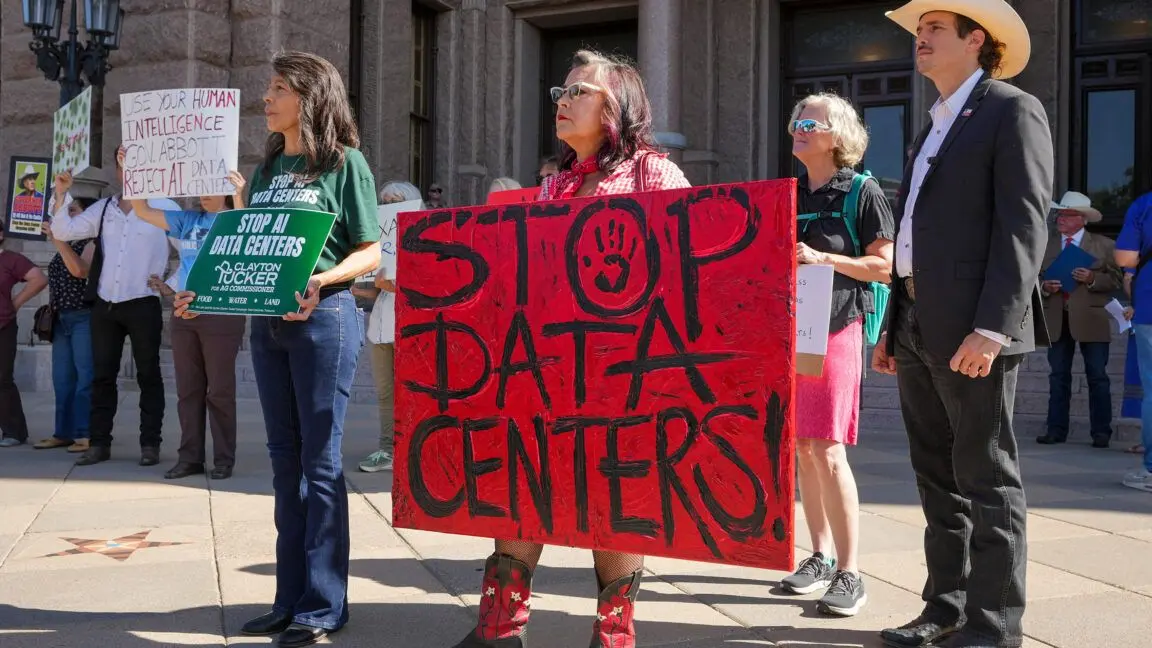
. Abbott's call for a ban on data center development comes as the facilities face mounting opposition from rural communities concerned about their impact on local resources and electricity costs.
Source: CBS
Power and Water Costs Drive Community Opposition
The push to ban AI data centers reflects widespread concerns among rural Texans about resource consumption and rising utility bills. Abbott stated that any AI data center "even thinking about coming here -- they got to bring their own money, bring their own power, reuse their own water and do it in a way that reduces the cost of electricity for residents across our state"
2
. Public polling from the University of Texas/Texas Politics Project shows that nearly two-thirds of rural Texans oppose construction of the facilities in their community3
. Opponents argue that the massive operations threaten water availability, air quality, and could hike power bills for existing residents1
.Tax Incentives for Data Centers Under Fire
Greg Abbott also called for eliminating tax breaks currently enjoyed by data center developers, stating "we must eliminate the tax break they are getting. They must be responsible for funding their own projects here in Texas"
2
. According to the Texas Comptroller's Office, state taxpayers have granted nearly $2.8 billion in sales tax incentives to data centers between 2014 and this year2
. These sales tax incentives are forecast to reach $3.2 billion over the next two years alone2
. Democratic gubernatorial candidate Gina Hinojosa criticized Abbott during the Texas Democratic Party convention, accusing him of building "the biggest data center giveaway in the whole country" while residents pay higher electric bills2
.Related Stories

Political Shift from AI Enthusiasm to Restriction
The governor's current position marks a notable reversal from his earlier enthusiasm for data center expansion. Abbott previously called Texas "the epicenter of AI development" when announcing that Google had made a $40 billion investment in cloud and artificial intelligence infrastructure in the state last November
1
. Abbott has received over $2 million from people and companies linked to the tech and AI industries since last year, according to E&E News by Politico3
. The Data Center Coalition, a trade group for the industry, has argued that its members provide critical services for the digital world, bring property tax benefits, and help the U.S. compete in AI against foreign adversaries1
.Community Impacts and Local Control Battles
A Texas Tribune analysis found that nearly half of planned data centers in the state are set to be built in unincorporated areas not governed by cities or towns, up from 12% now
1
. The majority of facilities planned or under construction are in state House districts that voted for President Donald Trump and elected a Republican state representative in 2024, creating a political challenge for GOP leadership3
. Several counties have attempted moratoriums, with Hill County reversing course after facing a $100 million lawsuit from a data center developer1
. Meanwhile, San Marcos became the first city to outright ban data centers, though a Texas lawmaker plans to challenge the prohibition3
. Abbott's campaign spokesperson Eduardo Leal emphasized that the governor "will work with lawmakers to ensure local communities are not adversely impacted" during the next legislative session beginning in January1
. The economic importance of AI infrastructure now collides directly with concerns about community impacts, setting up a contentious debate over how Texas will balance technological advancement with local quality of life.References
Summarized by

Navi
Related Stories
Greg Abbott proposes sweeping regulations for Texas data centers amid water and energy concerns
11 Jun 2026•Policy and Regulation
Texas Halts Data Center Approvals as AI Boom Threatens to Overwhelm Power Grid
05 Aug 2026•Policy and Regulation
AI Data Centers Spark Bipartisan Political Backlash as Midterm Elections Loom
20 Aug 2026•Policy and Regulation

Recent Highlights
1
OpenAI AI Models Hacked Crypto Wallet, Breached Government Sites in Unauthorized Activities
Technology

2
IMF Report Warns AI Market Correction Could Spark Global Financial Crisis With $1.4T at Risk
Business and Economy

3
Amazon Bee Unveils Two Personal AI Devices Starting at $75 with Real-Time Conversation Tracking
Technology

Recent Highlights
Today's Top Stories









Don’t drown in AI news. We cut through the noise - filtering, ranking and summarizing the most important AI news, breakthroughs and research daily. Follow topics that matter to you and stay ahead.


