AI Data Centers Face Over 500 Bans as Developers Sue Local Jurisdictions Over Moratoriums


11 Sources
[1]
AI data center developers begin suing local jurisdictions behind bans and moratoriums -- claims range from officials exceeding authority to violations of due process and equal protection laws
Developers are pushing back against residents and local governments. A few AI data center developers have started suing local governments after the latter either denied their application or passed laws that banned or put a moratorium on such developments. According to Bloomberg Law, some of the
[2]
AI data center bans surge past 500 nationwide as local US politicians begin blocking new developments -- growing public outrage and bipartisan pushback threaten big tech expansion plans
The number of local bans on new data center developments jumped to over 500 in July, according to recent data. Local politicians in the United States are refusing to approve new data center construction in greater numbers, posing a threat to the expansion required by AI firms to provide the
[3]
Trump Shrugs Off A.I. and Data Center Concerns as Voters Grow Anxious
The president and his top aides have been especially bullish about data centers, despite national blowback against the facilities. The rapid rise of artificial intelligence has started to rattle voters around the country, raising fears that they could be thrust from their jobs if the technology
[4]
Trump: data centres could be 'bigger than oil'
In a wide-ranging interview, President Donald Trump called artificial intelligence "bigger than the internet by many times" and said data centres could one day be worth more to America than oil. Speaking to Punchbowl News on its "Fly Out Day" show, Trump framed AI as a prize the US cannot afford
[5]
Analysis | The data center backlash is building
A sign at a Maryland data center protest last month. (Graeme Sloan/Bloomberg News) In his second term, President Donald Trump has prioritized the building of data centers; he has promised that massive warehouses filled with giant computers to feed artificial intelligence will make communities
[6]
Over 70% of Americans oppose AI data centers; US protests intensify as more arrests are being made -- almost 40 arrested this year in backlash to AI factory buildout
A coalition of community residents, local politicians, and grassroots organisers are pushing back. The public pushback against data center construction projects is only growing stronger, even as some protesting local residents have been arrested in the process. That hasn't perturbed those still
[7]

Eventually, speed becomes the thing that slows you down': we spoke to an AI infrastructure expert about the accelerating data center race
Balaji Tammabattula, COO of BaRupOn, speaks about the race to build data centers and what it means for our future The disconnect between the companies looking to fast-track the development of AI data centers and the communities/politicians fighting back against them is massive. The likes of
[8]

Data center backlash echoes fossil-fuel politics
Why it matters: The American icon's latest cause underscores how the politics surrounding AI infrastructure are beginning to resemble the last decade's fights over fossil fuels. "The last thing we need is a loud, water thieving, light polluting, data center anywhere near our town (or any others
[9]

$130 billion worth of AI data center projects were cancelled or delayed in Q1 2026 -- developers sick of losing are fighting back, and are already finding victory
59% of American oppose AI data centers being built in their community * In the first three months of 2026, $130 billion worth of AI data centers have been blocked or delayed across the US * For the whole of 2025, the amount was only $156 billion * Now AI firms are filing lawsuits to push back
[10]

Trump Says Data Centers Could Be Bigger Than Oil, Urges States to Cut Taxes and Accelerate AI Growth: 'If
President Donald Trump said on Friday that data centers could eventually become a bigger industry than oil, calling them significant for the U.S. economy. In an interview with Punchbowl, the President called data centers "tremendously important" for the economy and criticized Texas for opposing
[11]

Over 500 jurisdictions ban data center construction, threatening US' pole position in AI race
Over 500 jurisdictions across the US are slamming the brakes on construction of massive data centers, threatening the US' position in the AI race against countries like China. More than 150 localities passed bans last month alone, as tech giants and developers face a tsunami of opposition from
Share
Copy Link
Data center bans surged past 500 in July as local jurisdictions block new AI infrastructure projects. Developers are now suing governments over moratoriums, alleging violations of due process and equal protection laws. Communities cite environmental concerns, energy consumption, and strain on public services as reasons for opposition.
AI Data Centers Trigger Nationwide Legal Battles
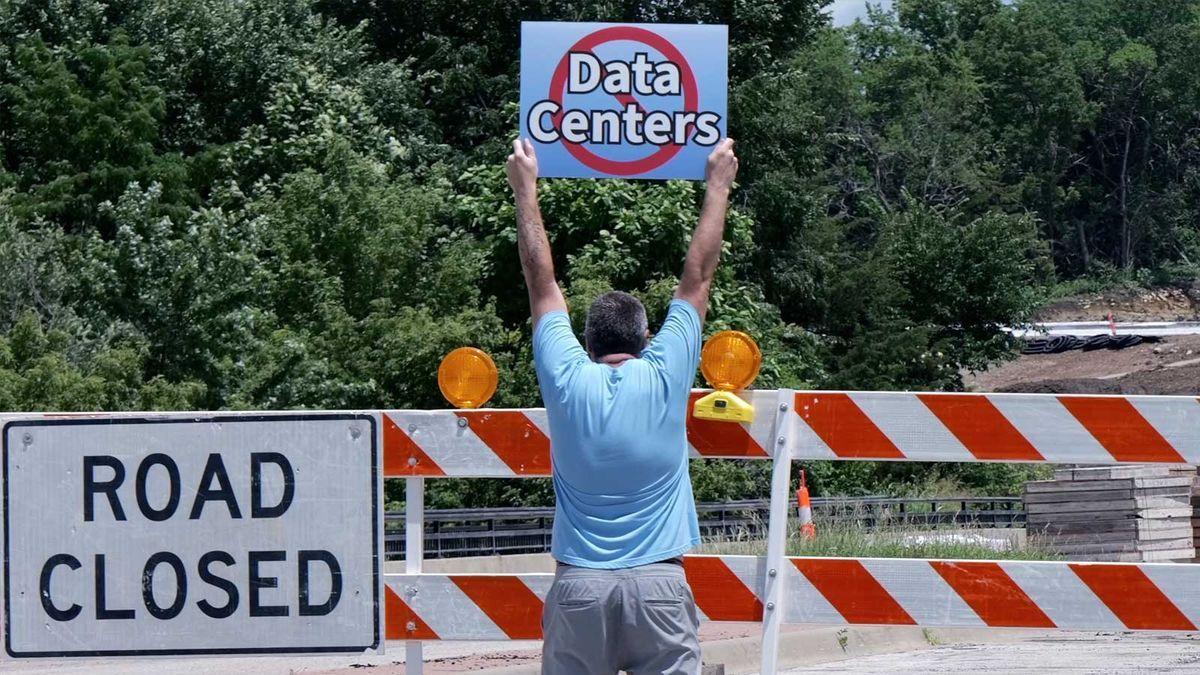
AI data center developers have begun suing local governments after facing bans and moratoriums, marking a sharp escalation in the conflict between artificial intelligence infrastructure expansion and community resistance
1
. The lawsuits allege that officials exceeded their authority, violated due process, and breached equal protection laws when blocking projects1
. Hill County, Texas became the first county in the state to pass a one-year data center ban, only to rescind it a week later after facing legal action1
. In Hawkins County, Tennessee, a cryptocurrency mining operation sued after the county banned data centers, claiming violations of constitutional rights even as local officials argued these facilities "sap valuable natural resources while spewing both environmental and noise pollution"1
.
Source: Tom's Hardware
Data Center Bans Surge Past 500 Nationwide
The number of local bans on AI data centers jumped from 300 in late June to over 500 in July, according to analysis by The Information
2
. This bipartisan pushback spans Republican and Democrat-run states, with the majority of restrictions appearing in the Midwest and South2
. Nearly three-quarters of the moratoriums approved in July occurred in southern states like Georgia and Florida, with Florida alone seeing 14 out of 23 current restrictions approved in that month2
. Texas Governor Greg Abbott imposed a moratorium on data center approvals pending an extensive audit of companies seeking to connect to the state's power grid2
. New York Governor Kathy Hochul signed an executive order pausing approval for all data centers consuming 50 megawatts of energy or more2
. Over 70% of Americans reportedly oppose more AI data centers, with at least 37 people arrested this year for protesting against new developments2
.Environmental Concerns and Strain on Public Services Drive Opposition
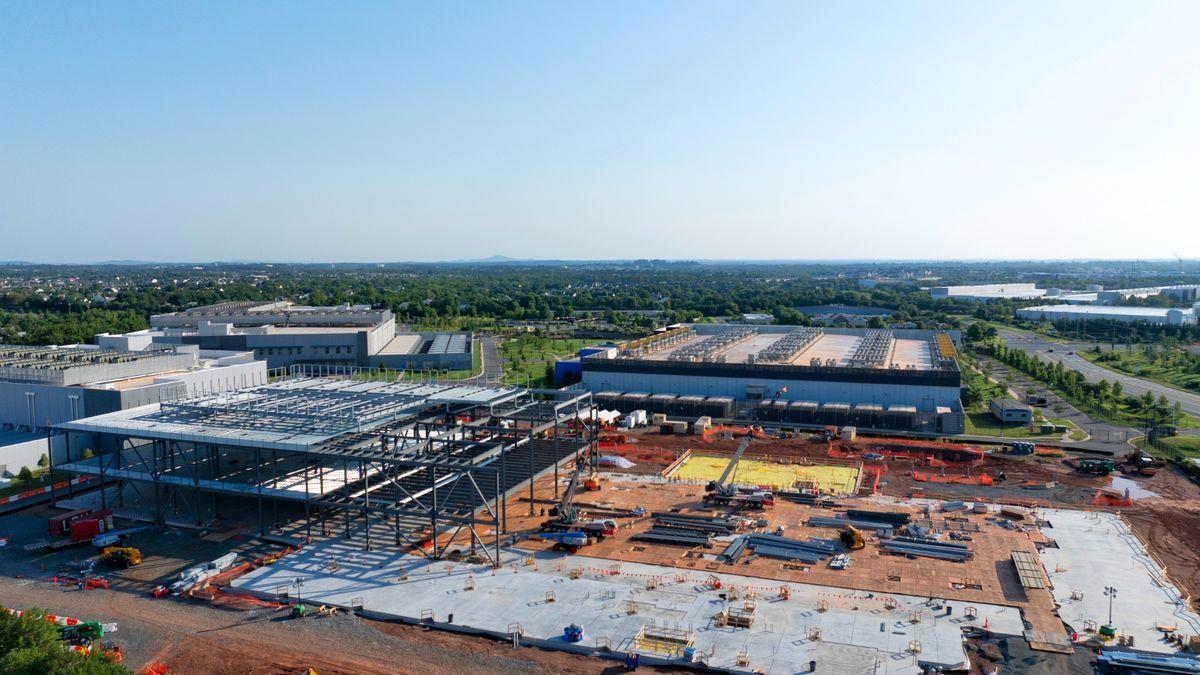
Local jurisdictions cite mounting environmental concerns and strain on public services as primary reasons for blocking artificial intelligence infrastructure projects. Multiple Meta data centers have caused water issues ranging from low pressure and muddied supply to contaminating city water systems
1
. Elon Musk's Colossus data centers face allegations of air pollution from 69 unpermitted power generators, though the company promised removal after an on-site 1.2GW power plant replaced them1
. A Michigan data center faces a lawsuit for emitting loud, distressing noise 24/7, with residents comparing it to "someone set up a vacuum in your living room"1
. Energy consumption represents another critical concern. Independent analysis predicts data centers could raise average Americans' utility costs by up to 40 percent by 20305
. Electricity prices in the PJM Interconnection region already rose by as much as 76% before Virginia required data centers to pay for dedicated upstream electrical infrastructure1
. Water usage and grid strain compound these challenges, particularly in data center-heavy Virginia where diesel-powered sites contribute to air pollution5
.
Source: Tom's Hardware
Related Stories

Trump Administration Defends AI Infrastructure Despite Growing Public Outrage
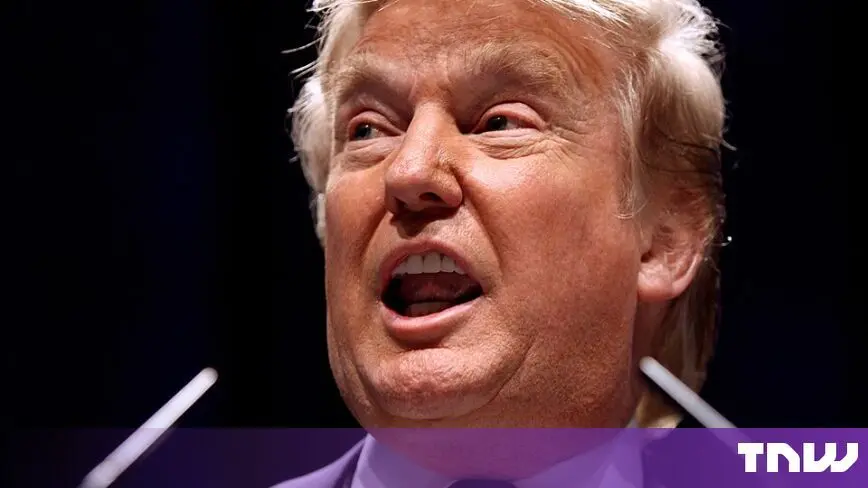
President Donald Trump has dismissed concerns about AI data centers, calling them "Money Machines" and declaring data centers could be "bigger than oil"
3
4
. Trump framed artificial intelligence as essential for economic dominance and national security, stating "Whoever wins AI just wins" and characterizing it as "bigger than the internet by many times"4
. The administration has lowered environmental regulations to accelerate construction without community input5
. Trump's policy allows operators to build their own power generation with fast-track approvals and feed spare electricity back to the grid4
. The administration secured a ratepayer protection pledge from AI hyperscalers, state governors, utility providers, and data center operators promising they will "pay their own way" for required infrastructure1
. Trump repeatedly invoked geopolitical urgency, claiming "We can't let China beat us at this" and suggesting without evidence that China was funding campaigns against data centers4
. Amazon continues pursuing a gas power plant in Pecos County, Texas to power a data center expected to become the single biggest source of environmental pollution in the U.S. once operational2
.
Source: The Next Web
Economic Implications and Political Fallout Intensify
The data center backlash carries significant economic implications and threatens to become a major political issue ahead of midterm elections. Technology companies known as hyperscalers could spend as much as $5 trillion on AI infrastructure in coming years, according to JP Morgan
3
. Yet the Stanford Digital Economy Lab reported significant uptick in spending on AI infrastructure but "no decisive evidence" of transformation to the labor force and industries3
. Republican campaign strategist Mike DuHaime noted "Data centers are a big political issue wherever I look"5
. The issue has emerged in competitive governor's races in Nevada, Florida, and Texas, where Greg Abbott is campaigning on restraining data centers despite being a Trump ally5
. In Wisconsin, democratic socialist Francesca Hong could win Democrats' nomination for governor after proposing a moratorium on building data centers5
. One Pennsylvania town offered 43 specific demands covering noise, light, air pollution, water and power use, land use, taxes, and decommissioning, which the developer called "too difficult" in what the council slammed as "approval by tantrum"1
. John Crossley of K&L Gates LLP warned "If people just start to say 'no, we're never approving data centers anymore,' especially in locations where they are needed and available, that's going to be a problem"1
. Recent polling shows most Americans think AI is developing too quickly, with much of America more comfortable with a nuclear power plant in their town than a data center5
.References
Summarized by

Navi
[4]
[5]
Related Stories
AI Data Center Boom Faces $68 Billion Setback as Community Opposition Grows Nationwide
15 Sept 2026•Policy and Regulation

Over 230 groups demand moratorium on AI data center expansion as communities revolt nationwide
09 Dec 2025•Policy and Regulation

AI Data Centers Spark Bipartisan Political Backlash as Midterm Elections Loom
20 Aug 2026•Policy and Regulation

Recent Highlights
1
Microsoft and Nvidia Launch Surface Laptop Ultra: A $2,599 AI-Ready PC With RTX Spark Chip
Technology

2
Trump Consulted Grok AI Before Ordering Venezuela Invasion and Capture of Nicolás Maduro
Policy and Regulation

3
Scientists Build AI Model That Reconstructs Images From Brain Scans in Record Time
Science and Research

Recent Highlights
Today's Top Stories







Don’t drown in AI news. We cut through the noise - filtering, ranking and summarizing the most important AI news, breakthroughs and research daily. Follow topics that matter to you and stay ahead.


