University Employee Gets Religious Exemption From Using AI at Work Based on Humanist Beliefs


10 Sources
[1]
You don't need to believe in a god to get a religious exemption from using AI at work
Pope Leo XIV has decried AI as a threat to human dignity, but it's not just the devoutly faithful who might worry about how AI squares with their beliefs. David Durman, a nontheistic Humanist, recently secured a religious exemption from using AI in the workplace. "Humanism is a collection of
[2]
You can get a religious exemption from using AI at work.
The best part: You don't need to belong to a church or even believe in a god to do it. David Durman recently secured a religious exemption from using AI at work based on non-theist humanist beliefs. According to TechCrunch: Durman is the first humanist to secure workplace accommodations that allow
[3]
Man granted first-of-its-kind religious exemption against mandatory AI use at work -- Humanist argues that offloading his thinking to LLMs violates his beliefs, Title VII accommodation protects employee
David Durman says that he's unwilling to outsource his thinking to AI tools. David Durman, a research administrator at the University of Kentucky (UK), has successfully argued that using AI violates his beliefs as a humanist and has received Title VII religious accommodation from university
[4]
A University of Kentucky employee asked to be exempted from using AI for his 'religious' beliefs
Serving tech enthusiasts for over 25 years. TechSpot means tech analysis and advice you can trust. Editor's take: Many research and enterprise organizations are trying to force staff to use AI tools wherever and whenever they can. Needless to say, the backlash is as strong as the C-suite's
[5]

Man Who Identifies as a 'Humanist' Gets Religious Exemption From Using AI at Work
If your boss asks why you haven't integrated artificial intelligence tools into your workflow yet, tell them it's because your faith forbids you from doing so. According to a report from the Religion News Service, a research administrator at the University of Kentucky successfully received a
[6]

Humanist wins 'first of its kind' religious exemption from using AI at work -- civil rights ruling says Kentucky man can't be forced to outsource thinking to LLMs
* A Kentucky man has won a religious exemption against using AI * The ruling says he no longer has to use AI tools at work * The man argued AI contravened his deeply held religious beliefs If you've ever looked to the heavens in exasperation after being told you have to use AI at work, your
[7]

Man Granted Religious Exemption Against Using AI at Work
He says AI is undercutting his "ability to be a moral actor." University of Kentucky administrator David Durman was granted a religious exemption from using AI at work, claiming that use of the tech violates his religious beliefs as a humanist. As Religion News Service reports, Durman maintains
[8]

As bosses push workers to use AI, a Kentucky man found a way to opt out: a federal law protecting religious beliefs | Fortune
As a teenager, David Durman would read works by Enlightenment philosopher David Hume and the Stoics. Their ideas led him to adopt the Humanist faith, a nontheist system he said centers human well-being and flourishing, which he's kept for 30 years. Because Humanism's emphasis is on moral
[9]

He got a religious exemption from using AI at work. Maybe you can too
A University of Kentucky employee successfully argued that using AI violated his deeply held humanist beliefs. Now, a national organization is ready to help other workers seek similar religious exemptions. As the University of Kentucky began encouraging employees to use AI -- from Copilot for
[10]

A Worker Got an Unexpected Exemption From Using AI at Work. But There's 1 Thing He Still Can't Avoid
A University of Kentucky fought a requirement to use AI at work and won. Here's why. A University of Kentucky employee who said a requirement to use artificial intelligence at work would violate his humanist beliefs has been granted a religious exemption allowing him to forgo the technology on the
Share
Copy Link
David Durman, a University of Kentucky administrator, became the first humanist to secure workplace accommodations allowing him to abstain from AI use. His case, supported by the American Humanist Association, establishes that employees can request religious exemptions from mandatory AI use under Title VII, even without believing in a god.
First Humanist Secures Religious Exemption From AI at Work
David Durman, a 45-year-old research administrator at the University of Kentucky, has become the first humanist to successfully secure a religious exemption from using AI at work
1
. His case marks a significant legal precedent for employees seeking workplace accommodations for AI based on nontheistic philosophies. Durman identifies as a secular humanist and believes that using tools like ChatGPT and Microsoft Copilot would violate his deeply held convictions about human flourishing and moral agency."The process and work involved in thinking through situations, through my work, through my ethics, through the way I handle other people, is a key component in being able to develop myself as a moral person," Durman explained
3
. "And offloading that labor, regardless of whether it's taxing or not, is undercutting my ability to be a moral actor."How Title VII Accommodation Protects Employees
Durman's exemption was granted under Title VII of the Civil Rights Act of 1964, which prohibits employment discrimination based on religion and requires employers to accommodate sincerely held religious beliefs unless doing so creates undue hardship
3
. Federal courts have ruled that humanism qualifies as a religion under this law, despite being a nontheistic philosophy. The American Humanist Association assisted Durman in drafting his accommodation request, arguing that humanism represents "a comprehensive way of life" comparable to Christianity or Islam3
.Alexandria Huiskens, staff attorney at the American Humanist Association, emphasized that "concern about AI and human dignity can run through several different faiths and traditions, whether that's Catholic teachings, or Universalism, or Humanism, and we want Humanists or nontheists to know that they fall into these categories -- that they are also protected by the law at work"
1
.Why Mandatory AI Use Conflicts With Humanist Beliefs
Humanism centers on human well-being and flourishing, both individually and collectively, and requires active application of critical thinking to develop as moral actors
1
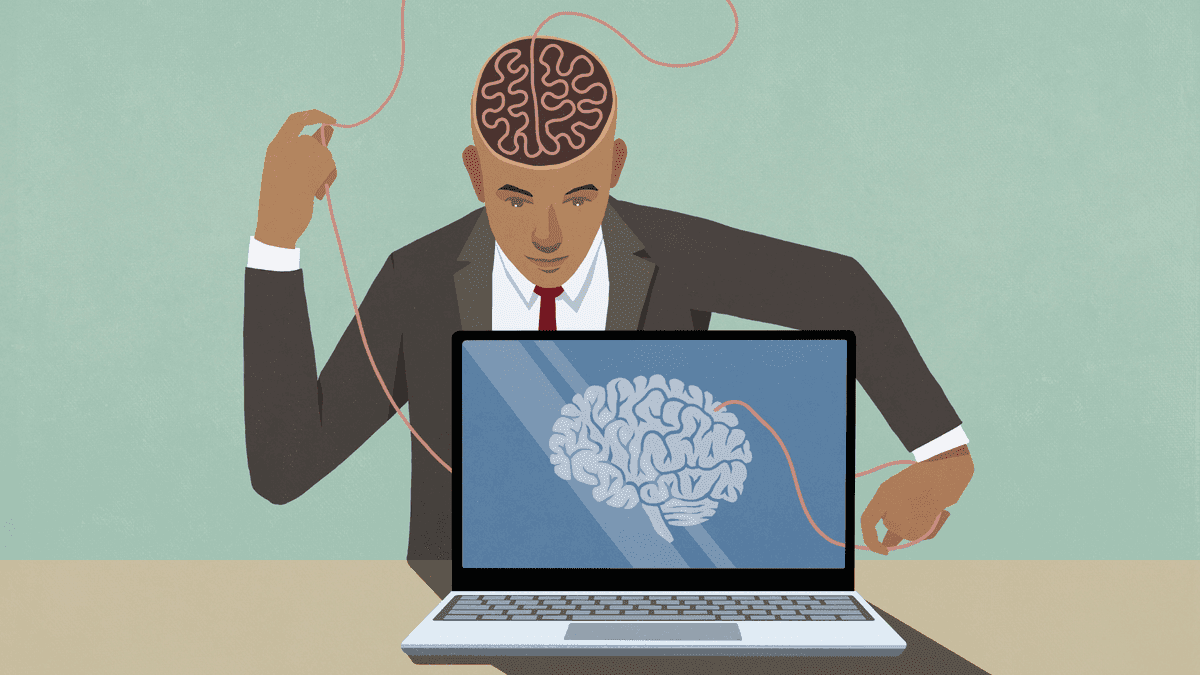
. Durman argues that relying on LLMs undermines this fundamental principle. In his accommodation letter to the University of Kentucky's Office of Equal Opportunity, he stated: "Substituting automated machine processing for human presence, authentic listening, and personal responsibility in my work directly conflicts with my obligation to uphold human dignity and flourishing as primary"5
.
Source: Tom's Hardware
Durman also raised broader ethical impacts of AI adoption, writing in a statement published by the American Humanist Association: "AI is interfering with people's ability to earn a living, the environmental costs spell disaster for humanity and our planet, and its supplanting and theft of human creativity threaten elements of our culture like art and literature that make society flourish"
1
.University of Kentucky Employee Accommodation Details
The University of Kentucky granted Durman's request in September after determining that an accommodation could be provided while allowing him to continue performing essential functions of his position
1
. As a research administrator who supports researchers applying for grants, Durman has not been required to use AI at work. However, university administrators had begun encouraging employees to try these tools, prompting him to secure his exemption proactively in case recommendations became mandates1
.
Source: Fast Company
University spokesperson Jay Blanton confirmed that the institution reviews requests for religious accommodations on an individual basis. "As technology and job responsibilities evolve, accommodations may be reviewed to ensure they remain reasonable and workable," Blanton stated
1
. While Durman is exempt from personally using AI tools, he may still attend meetings and cooperate with colleagues who use AI or submit materials to AI tools as needed3
.Related Stories

Legal Precedent for AI Ethics and Workplace Rights
Durman is not the first person to receive such an accommodation. He was inspired by Erin Maus, a Unitarian Universalist and software engineer, who secured similar protections earlier this year
1
. Maus's case is particularly notable because writing code without AI assistance has become increasingly rare in software engineering1
.
Source: TechCrunch
Huiskens noted that the parties had "a very collegial" meeting during which Durman confirmed that avoiding AI would not burden his department or reduce productivity
4
. This requirement that accommodations not place undue hardship on employers is a key component of Title VII protections3
.What This Means for AI Adoption in Corporate Settings
About half of all U.S. employees now use AI in some capacity at work, even as many executives remain uncertain about AI's return on investment
3
. Recent polls suggest employees are increasingly stressed by organizations' efforts to fully integrate AI into workflows4
. Durman's successful accommodation may embolden other employees who share concerns about mandatory AI use to pursue similar protections."For me, this was about me and my convictions," Durman said. "I'm obviously not trying to tell people how to think or feel... But I do hope that it encourages people who have similar concerns to pursue not necessarily religious exemption, but pursue their concerns to the best of their ability where they feel is the most appropriate"
1
. Durman argues that the fact Americans are already thinking about the impact of AI is positive, and hopes his story helps others who would rather not be forced to use the technology3
.References
Summarized by

Navi
[4]
Related Stories
AI models favor Catholicism and sideline faith when users need guidance on grief and moral decisions
27 May 2026•Technology

Tech companies turn to faith leaders for guidance on ethical AI as Silicon Valley seeks morality
08 May 2026•Policy and Regulation

AI Ethics Paradox: Leaders Who Warn Against AI Caught Using It to Write Their Warnings
01 Oct 2026•Entertainment and Society

Recent Highlights


Recent Highlights
Today's Top Stories








Don’t drown in AI news. We cut through the noise - filtering, ranking and summarizing the most important AI news, breakthroughs and research daily. Follow topics that matter to you and stay ahead.


