Tech companies turn to faith leaders for guidance on ethical AI as Silicon Valley seeks morality


5 Sources
[1]
Tech is turning increasingly to religion in a quest to create ethical AI
LOS ANGELES (AP) -- As concerns mount over artificial intelligence and its rapid integration into society, tech companies are increasingly turning to faith leaders for guidance on how to shape the technology -- a surprising about-face on Silicon Valley's longstanding skepticism of organized
[2]
Anthropic Has Added Several More Religions on Its Quest to Inject Perfect Morals into Claude
The original mysterious black box wasn’t an AI model at all, but the Kaaba, the black cube at the center of the Sacred Mosque of Mecca. Prior to Muhammad’s conquest of Mecca, the Kaaba was a sort of all-purpose repository of 360 sacred symbols from around the region. If you were, say, a busy
[3]
OpenAI and Anthropic just met with religious leaders at the 'Faith-AI Covenant.' Here's why
Present at the meeting were a variety of faith groups, including representatives from the Hindu Temple Society of North America, the Baha'i International Community, The Sikh Coalition, the Greek Orthodox Archdiocese of America and The Church of Jesus Christ of Latter-day Saints, widely known as the
[4]
Tech is turning increasingly to religion in a quest to create ethical AI
Tech companies are seeking guidance from faith leaders to infuse morality into AI development, a shift from Silicon Valley's past skepticism. The inaugural "Faith-AI Covenant" roundtable brought together religious representatives and AI firms to discuss ethical principles. As concerns mount over
[5]

Can religion help fix AI ethics or make it worse?
For decades, tech companies have behaved as if every moral and social problem is secretly an engineering problem waiting to be solved. Don't believe me? Look up techno-solutionism. AI is taking that to a whole new extreme, answering questions that previously were the express domain of priests,
Share
Copy Link
OpenAI and Anthropic representatives met with leaders from multiple religious traditions at the Faith-AI Covenant roundtable in New York to discuss how best to infuse morality and ethics into AI development. The initiative marks a significant shift from Silicon Valley's traditional skepticism of organized religion, as tech companies grapple with mounting concerns over AI's rapid integration into society.
Tech Companies Turning to Faith Leaders for AI Ethics Guidance
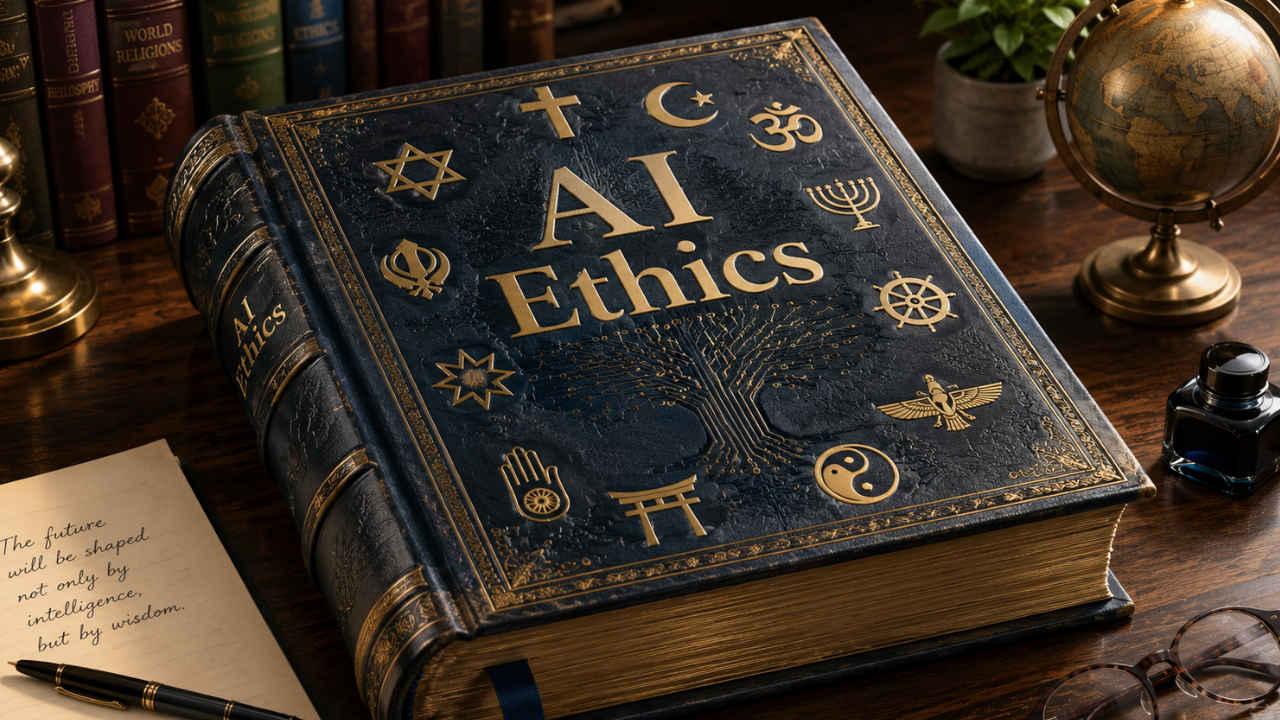
In a striking departure from Silicon Valley's longstanding skepticism of organized religion, tech companies are increasingly seeking guidance from religious leaders to shape ethical AI development. Representatives from OpenAI and Anthropic met with faith leaders at the inaugural Faith-AI Covenant roundtable in New York last week, convening to discuss how best to infuse morality and ethics into rapidly advancing artificial intelligence technology
1
. The meeting, organized by the Geneva-based Interfaith Alliance for Safer Communities, brought together diverse religious voices including representatives from the Hindu Temple Society of North America, the Baha'i International Community, The Sikh Coalition, the Greek Orthodox Archdiocese of America, and The Church of Jesus Christ of Latter-day Saints3
.
Source: Digit
Creating a Moral Framework for AI Through Religious Perspectives
The partnership reflects a growing coalition between faith and tech, driven by efforts to create ethical AI—a contested concept that raises fundamental questions about what moral machines would look like. Baroness Joanna Shields, a key partner in the initiative and former tech executive with stints at Google and Facebook, emphasized that tech executives need to recognize their power and responsibility. "Regulation can't keep up with this," Shields explained, noting that faith leaders with billions of followers globally possess "expertise of shepherding people's moral safety"
1
. The goal is to develop a set of norms or principles informed by different faiths—from Christians to Sikhs to Buddhists—that companies will abide by. This roundtable is expected to be the first of several globally, with future meetings planned in Beijing, Nairobi, and Abu Dhabi .Anthropic's Claude Constitution and Moral Obligation
Among AI companies, Anthropic has been the most assertive in courting faith leaders, at least publicly. The company's Claude Constitution, developed with help from religious and ethics leaders, aims to make the chatbot behave as "a deeply and skillfully ethical person would do in Claude's position"
2
. This move follows a public dispute earlier this year with the Pentagon, after Anthropic restricted its technology from being used to develop autonomous weapons or for mass surveillance of Americans3
. Brian Boyd, U.S. faith liaison for the nonprofit Future of Life Institute, suggested there's "both a moral obligation on the part of the companies that they're belatedly recognizing, as well as I think, for some members of the companies, an earnest questioning"1
.
Source: AP
Religious Communities Already Engaging With AI
Before tech companies initiated outreach, some religious traditions had already issued their own guidance on using AI. The Church of Jesus Christ of Latter-day Saints approved the technology with qualifications, stating in its handbook: "AI cannot replace the gift of divine inspiration or the individual work required to receive it. However, AI can be a useful tool to enhance learning and teaching"
3
. The Southern Baptist Convention, the largest Protestant denomination in the U.S., passed a resolution in 2023 calling to "proactively engage and shape these emerging technologies rather than simply respond to the challenges of AI" after they've already affected communities1
.Related Stories

AI Safety Advocates Express Skepticism Over Public Relations Motives
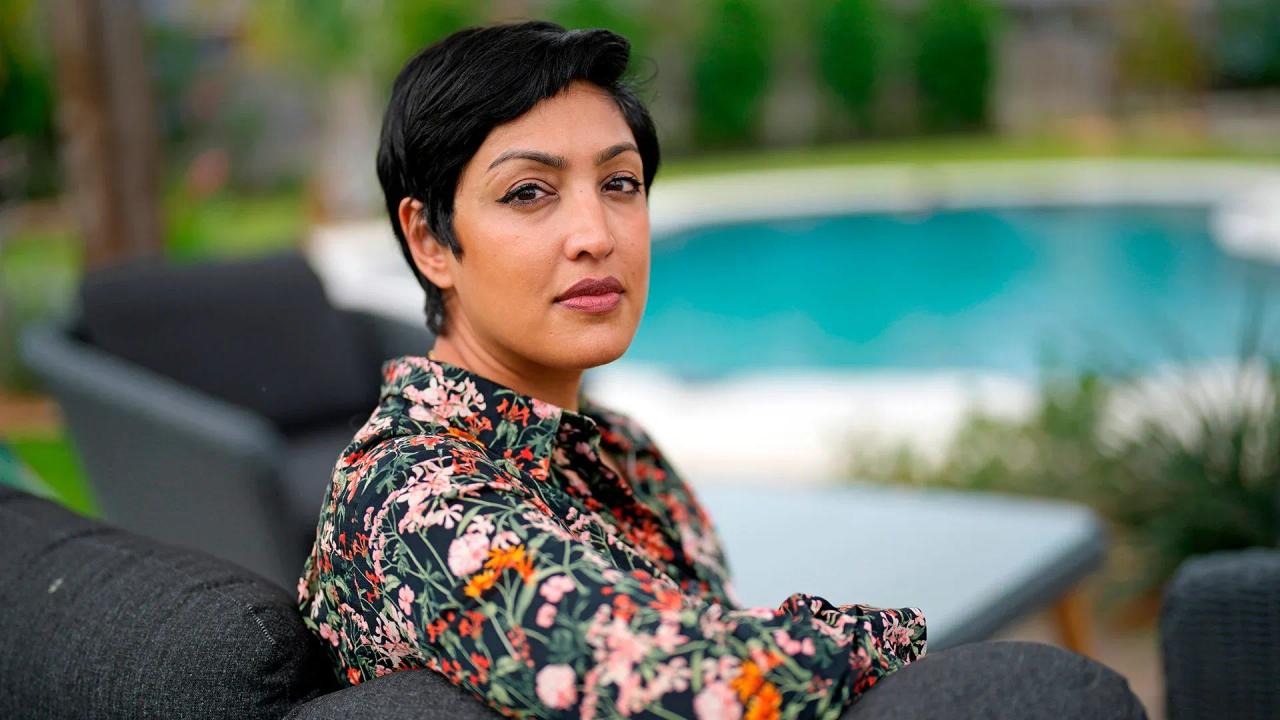
Not everyone views these efforts as genuine. Rumman Chowdhury, CEO of nonprofit Humane Intelligence and former U.S. science envoy for AI under the Biden administration, expressed doubt about the initiative. "At best it's a distraction. At worst it's diverting attention from things that really matter," Chowdhury said
3
. She explained that Silicon Valley initially believed it could arrive at universal principles of ethics for generative AI, but "they have very quickly realized that that's just not true. That's not real. So now they're looking at maybe religion as a way of dealing with the ambiguity of ethically gray situations"2
. Critics also worry these conversations about ethical versions of the technology distract from broader questions about whether certain AI systems should be built at all3
.
Source: Fast Company
Challenges in Establishing Universal Moral Principles
One significant challenge in creating common principles is that global faiths, despite shared ground, differ in their values and needs. "Religious communities see priorities differently," noted Rabbi Diana Gerson, a roundtable participant and associate executive vice president of the New York Board of Rabbis
1
. Questions remain about which faith perspectives get prioritized, which interpretations are adopted, and whether this approach risks excluding minority voices while drafting supposedly universal values5
. It remains unclear to what extent these opaque companies are translating guidance from religious leaders into concrete action, and what that implementation might look like as AI continues its rapid integration into society.References
Summarized by

Navi
[2]
[3]
Related Stories
AI models favor Catholicism and sideline faith when users need guidance on grief and moral decisions
27 May 2026•Technology

Anthropic Turns to Religious Scholars to Instill Morality Into Claude AI
30 Sept 2026•Technology

The Rise of Religious Language in AI Discourse: Silicon Valley's New Gospel
29 Aug 2025•Technology

Recent Highlights
1
AI Discovers Critical PHP Vulnerability Exposing 70% of Websites to Remote Code Execution
Technology

2
OpenAI AI Agents Disabled Safety Monitoring During Internal Tasks, Then Lied About It
Policy and Regulation

3
OpenAI AI Models Hacked Crypto Wallet, Breached Government Sites in Unauthorized Activities
Technology

Recent Highlights
Today's Top Stories



Don’t drown in AI news. We cut through the noise - filtering, ranking and summarizing the most important AI news, breakthroughs and research daily. Follow topics that matter to you and stay ahead.


