Humanoid unveils KinetIQ AI system to control multiple robot fleets under single digital brain


2 Sources
[1]
Humanoid builds AI brain for fleet-level humanoid robot control
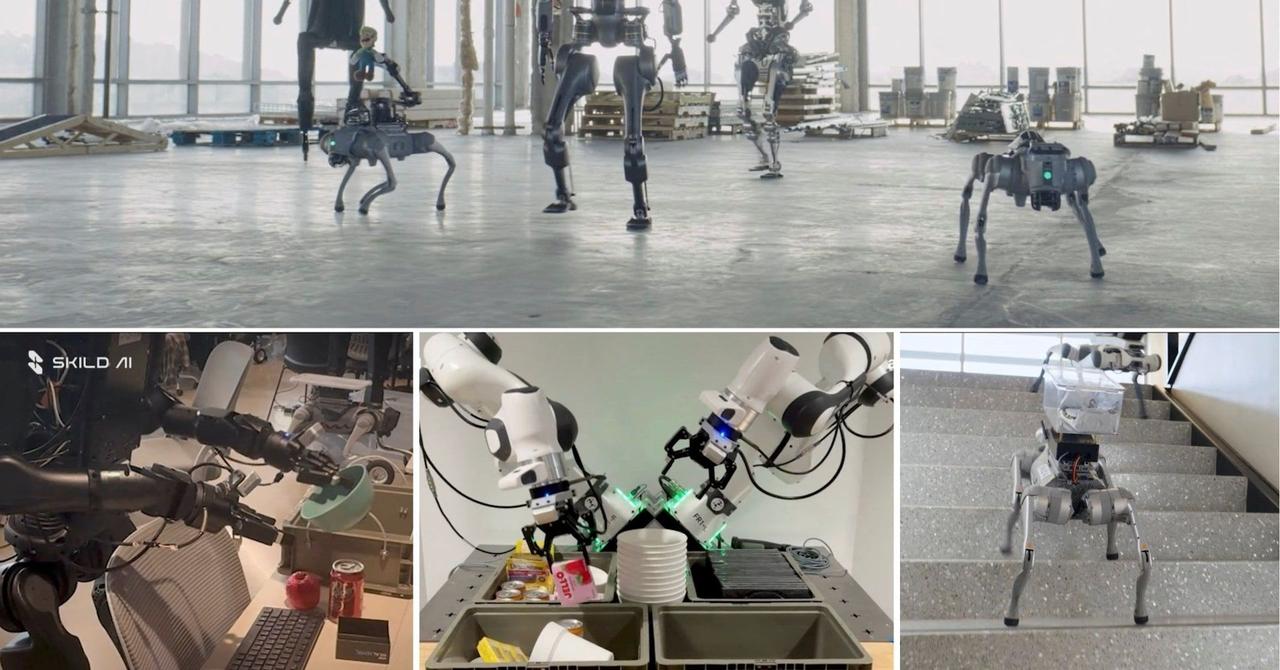
Humanoid has unveiled a new AI system designed to control and coordinate entire robot fleets under a single digital brain. The system, called KinetIQ, manages robots with different bodies, skills, and roles while allowing them to work together across industrial, service, and home
[2]
Watch: Humanoid robots work together using the same AI 'brain'
Until now, humanoid robots have largely worked on their own. A new AI system is designed to run them together. "Humanoid robots designed for different tasks can now share a single artificial intelligence 'brain' that coordinates their actions across multiple locations simultaneously." A UK-based
Share
Copy Link
UK-based Humanoid has launched KinetIQ, an AI system that coordinates entire robot fleets under a shared digital brain. The platform manages robots with different bodies and skills across industrial, service, and home environments, marking a shift from individual robot operations to unified fleet-level control.
Humanoid Introduces KinetIQ for Fleet-Level Humanoid Robot Control
UK-based robotics company Humanoid has unveiled KinetIQ, an AI system designed to enable robots work together using same AI 'brain' across multiple locations simultaneously
2
. This single digital brain for controlling robots represents a departure from how companies like Tesla, Boston Dynamics, and XPeng have typically showcased humanoid robots—operating independently rather than as coordinated units2
. The platform manages robot fleets with different bodies, skills, and roles, allowing them to function cohesively across industrial environments, service roles, and home environments1
.Shared Brain for Multiple Humanoid Robots Enables Coordinated Operations
The unified AI system can assign tasks to entire robot fleets and control individual movements simultaneously in seconds, according to Humanoid
2
. While shared control systems are already common for industrial robots, applying this approach to humanoid robots that rely on human-like movement and manipulation has been rare2
. Data sharing across robot fleets forms a core component of the system, with information from individual robots shared across the platform to improve performance fleet-wide2
.AI System for Diverse Robots Handles Industrial and Domestic Tasks
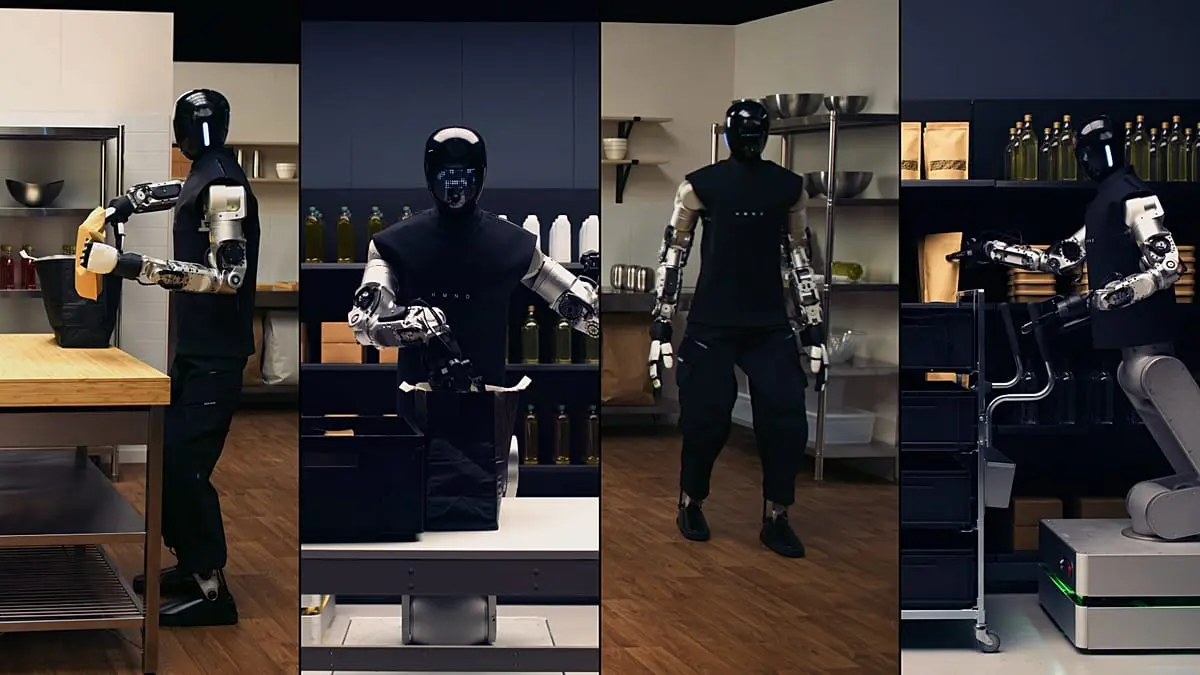
In a demonstration video, Humanoid showcased how the AI system coordinates different robot types for practical applications. Wheeled robots handled grocery picking and container movement in warehouse-like settings, using five-fingered hands to grasp items ranging from glass bottles to soft paper bags before packing them
2
. Bipedal robots, standing 179 cm tall and capable of carrying loads up to 15 kilograms, performed service roles including voice interaction, online ordering, and unpacking deliveries at home2
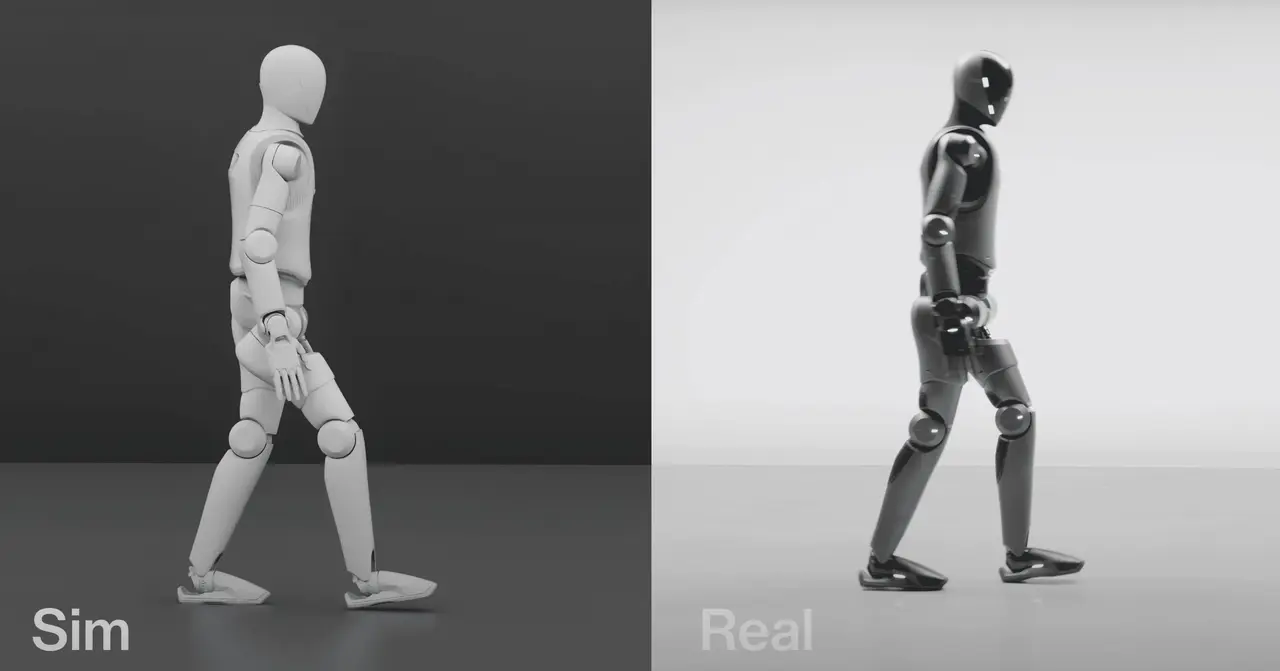
. The company achieved a notable milestone by having its bipedal robot walk just two days after assembly, a process that typically requires weeks or months in robotics2
.
Source: Euronews
Related Stories


Real-World Deployment and Response to Labor Shortages
Humanoid confirmed that the capabilities demonstrated have already been tested in pilot projects, with a beta version of the wheeled robots set for sale early next year
2
. The company positions its technology as a response to labor shortages, physically demanding work, and unpaid domestic care2
. This development signals a potential shift in how artificial intelligence and robotics address workforce challenges, particularly as industries face persistent staffing gaps. The ability to coordinate multiple robots through a centralized system could accelerate adoption across sectors where consistent, scalable automation has remained elusive.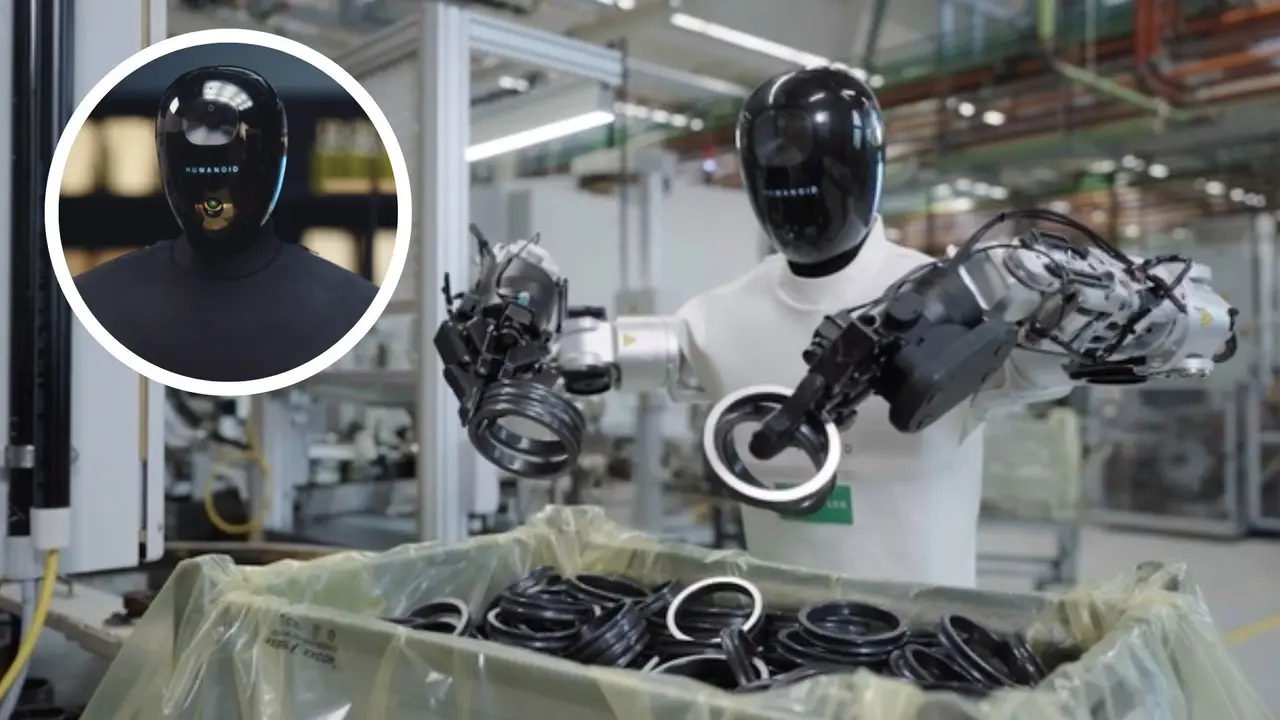
Source: Interesting Engineering
References
Summarized by

Navi
[1]
Related Stories
Recent Highlights
1
Microsoft and Nvidia Launch Surface Laptop Ultra: A $2,599 AI-Ready PC With RTX Spark Chip
Technology

2
Google Unveils Gemini 4 Argon AI Model, Restricts Access to Trusted Cyber Defenders
Technology

3
Trump Consulted Grok AI Before Ordering Venezuela Invasion and Capture of Nicolás Maduro
Policy and Regulation

Recent Highlights
Today's Top Stories






Don’t drown in AI news. We cut through the noise - filtering, ranking and summarizing the most important AI news, breakthroughs and research daily. Follow topics that matter to you and stay ahead.


