iOS 27 Trust Insights framework detects social engineering scams as they happen in real time


2 Sources
[1]
iOS 27 helps apps detect when a user may be getting scammed in real time
A new iOS 27 framework will help apps fight back against social engineering scams as they unfold via voice calls, text messages, emails, and more. Here are the details. Details on the new Trust Insights framework With iOS 27, Apple is introducing a framework called Trust Insights that can alert
[2]
iOS 27 will help protect you from social engineering scams in real time -- here's how
Trust Insights will analyze your actions, ands help apps flag when you may be at risk of being scammed Scams are unfortunately everywhere, and it doesn't matter how clued in you might be, you can't be vigilant 100% of the time -- and it only takes one lapse in concentration for the scammers to
Share
Copy Link
Apple unveiled Trust Insights, a new iOS 27 framework that uses on-device behavioral pattern analysis to detect when users may be falling victim to social engineering scams. The system analyzes interaction patterns, timing, and context without inspecting message contents, then assigns risk levels to trigger app warnings and verification steps during suspected fraud attempts.
Apple introduces on-device scam detection for iOS 27
Apple is launching the Trust Insights framework in iOS 27, a system designed to combat social engineering scams as they unfold through voice calls, text messages, emails, and other communication channels
1
. The framework addresses a growing problem: tech support scams, authority impersonation, and family emergency fraud have surged in recent years, particularly as AI deepfakes have become more accessible1
. Unlike traditional security measures that focus on unauthorized access, Trust Insights framework tackles the unique challenge of detecting scams where users themselves carry out actions while being coached by fraudsters.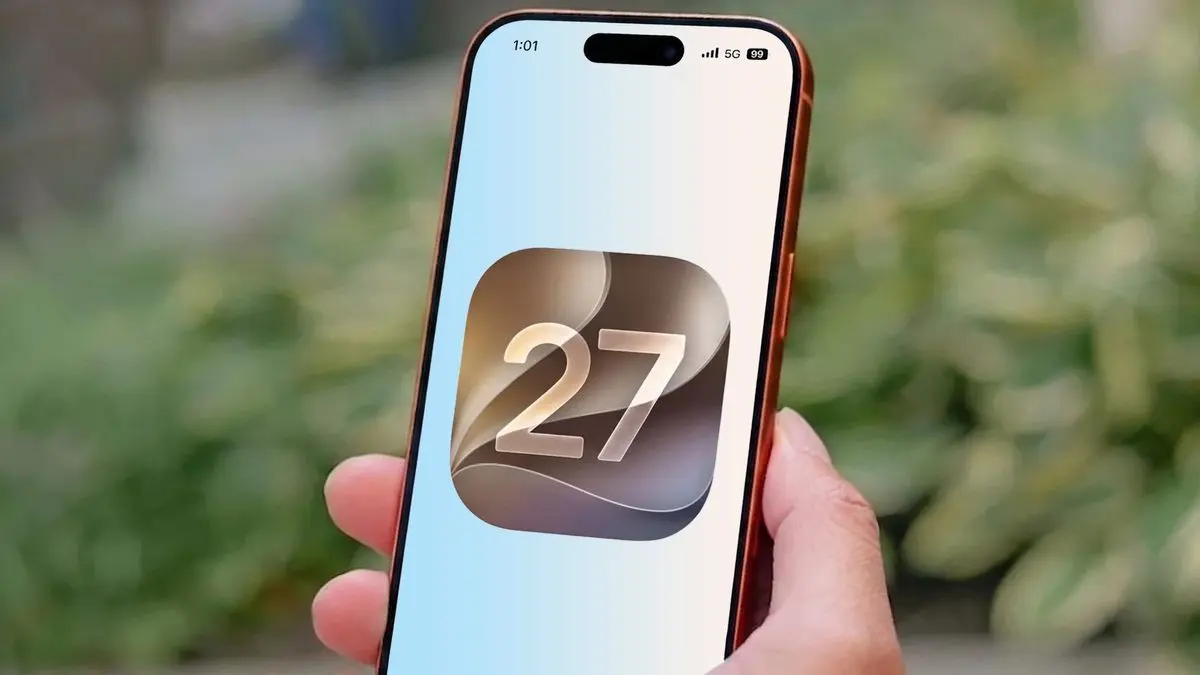
Source: Tom's Guide
How real-time scam prevention works through behavioral pattern analysis
The system operates mostly on-device, analyzing interaction patterns, timing, context, and basic sensor data to identify when someone may be getting manipulated
1
. Apple emphasized that on-device scam detection doesn't inspect the contents of Photos, Messages, or Mail. Instead, it examines behavioral signals, immediately discards the underlying data, and sends only a single output value to Apple's servers1
. That value gets combined with information from the user's Apple Account and checks for unusual activity before returning a final assessment. When Trust Insights detects suspicious user interactions, it assigns either a medium or high risk level, enabling apps to add warnings, implement delays, or require additional verification steps2
.
Source: 9to5Mac
Five operation categories for user protection from scams
The framework initially covers five main operation categories to provide comprehensive user protection from scams. Payment operations include any exchange of assets, content, or money, including in-game purchases. Account operations involve updating account details or security information. Resources use covers requests to costly or constrained infrastructure, such as AI inference
1
. Communication encompasses sending messages, submitting forms, or signing documents. A fifth category labeled "Other" serves as a fallback for operations that don't fit the above classifications1
. Apple Developer resources indicate the company is requesting feedback through Feedback Assistant for use cases that fall under the "Other" category.Related Stories
Digital threats require adaptive security measures with risk levels
The introduction of Trust Insights reflects how digital threats have evolved beyond traditional malware and phishing attacks. Social engineering scams present unique detection challenges because users authenticate and legitimately perform actions, even while being manipulated
1
. The framework's ability to introduce delays and verification steps could prove particularly effective—scammers typically work from scripts, and when situations deviate into unfamiliar territory, they must improvise, making their job harder and giving users more opportunity to recognize something is wrong2
. Users can disable Trust Insights in Settings, though Apple may implement a cooldown period to protect users who may have been coached into turning it off1
. Apple also asks developers to report how Trust Insights affected each financial transaction and flag cases later confirmed as fraud to improve the system .References
Summarized by

Navi
Related Stories
iOS 27 brings four new Apple Intelligence features, including nutrition scanning and digital passes
17 Apr 2026•Technology

Google Rolls Out AI-Powered Scam Detection for Android Messages and Calls
05 Mar 2025•Technology

Circle to Search now spots scam texts instantly with AI-powered detection across Android devices
02 Dec 2025•Technology

Recent Highlights



Recent Highlights
Today's Top Stories



Don’t drown in AI news. We cut through the noise - filtering, ranking and summarizing the most important AI news, breakthroughs and research daily. Follow topics that matter to you and stay ahead.


