Illinois poised to become first state banning smart glasses while driving


2 Sources
[1]
Illinois Could Be the First State to Ban Wearing Smart Glasses While Driving
Omar Gallaga has covered technology, digital culture and other topics for outlets including CNET, NPR, WIRED, Texas Monthly, MSNBC, Consumer Reports, The Washington Post, the Los Angeles Times, The Atlantic and the Austin American-Statesman, where he was a longtime tech reporter, editor and
[2]
A US state wants to ban smart glasses while driving, and it could open Pandora's box
Drivers in Illinois may soon have to remove smart glasses before hitting the road Smart glasses are rapidly evolving from niche gadgets into mainstream consumer technology. Devices from companies such as Meta, Google, Apple, and Snap are increasingly capable of displaying notifications, providing
Share
Copy Link
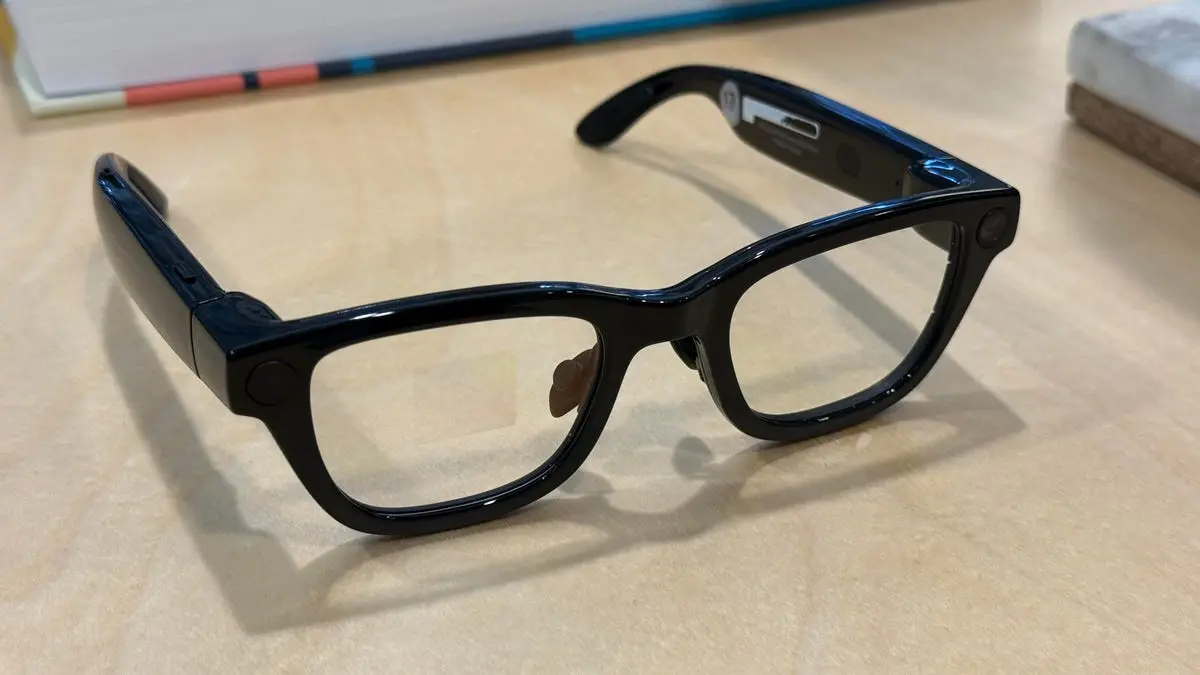
Illinois Governor JB Pritzker is reviewing legislation that would make the state the first to ban wearing smart glasses while driving. The bill passed last month treats AI-powered wearables like cell phones under traffic laws, with fines up to $150 for repeat offenses and $1,000 minimum if crashes cause severe injuries or death.
Illinois Ban Targets AI-Powered Smart Glasses Behind the Wheel
Illinois Governor JB Pritzker faces a decision that could establish the state as the nation's first to explicitly ban wearing smart glasses while driving. The state legislature passed legislation last month adding specific language about "artificial intelligence smart glasses" to existing traffic safety regulation, treating the wearables similarly to cell phones under current distracted driving laws
1
. Once delivered to the governor's office, Pritzker has 60 days to sign or veto the measure, though timing remains uncertain. A spokesperson for the governor indicated he "will carefully review everything that comes across his desk" before making a determination1
.
Source: CNET
The proposal arrives as companies like Meta, Google, and Apple invest heavily in smart glasses as the next major computing platform
2
. These devices can display notifications, provide navigation, record video, and run artificial intelligence assistants directly in users' field of view. Meta recently faced scrutiny over facial recognition software developed for its Meta Glasses products, with an investigation finding the company had distributed the software to its Meta AI app without activating the feature1
. Separately, reports revealed Meta holds a license for facial recognition technology from Rank One Computing, which develops software for the US military and law enforcement.Penalties and Exceptions Under Proposed Wearable Tech Regulation
Under the Illinois ban, drivers would face a maximum $75 fine for a first offense and up to $150 per offense for repeated violations
1
. The legislation includes significantly steeper consequences when AI-powered smart glasses contribute to serious accidents—a minimum $1,000 fine applies if their use while driving results in a crash causing severe injuries or death1
. The bill does permit drivers to use smart glasses while parked or when vehicles are in neutral due to obstructed traffic1
.Why Lawmakers Want to Address Distraction Before Technology Goes Mainstream
Supporters of the legislation argue that introducing virtual content into a driver's field of vision creates distractions that existing traffic laws never anticipated
2
. The proposal reflects a broader trend among regulators attempting to establish guardrails for emerging technologies before they become widespread, rather than waiting for accidents or legal disputes to occur2
. Safety experts have long warned about distracted driving caused by smartphones and infotainment systems. Smart glasses introduce a new challenge because the display travels with the user rather than remaining fixed to a dashboard or phone mount2
. Critics worry that notifications, messages, videos, advertisements, or AI-generated information appearing directly in a driver's line of sight could increase accident risks2
.Related Stories

Innovation Versus Public Safety Creates Regulatory Tension
The debate highlights growing tension between innovation and public safety as wearables evolve rapidly. Technology companies often argue that wearable displays can enhance safety when implemented correctly, citing navigation directions, hazard warnings, and hands-free information access as benefits of augmented reality devices
2
. Governor Pritzker has shown a mixed record on supporting the tech industry, backing initiatives around quantum computing and AI jobs while opposing data center incentives and privacy overreach on biometric data collection1
. The governor appears poised to sign separate legislation increasing restrictions on social networks to protect children online1
.If Illinois moves forward with the ban wearing smart glasses while driving, it could establish a legal framework that other states may eventually follow. Future devices are expected to provide real-time translations, contextual information, object recognition, and conversational AI assistance, making it increasingly difficult to determine what constitutes a distraction
2
. As smart glasses become more capable and common, lawmakers across the world will likely face the same question: If drivers can legally use navigation screens, voice assistants, or heads-up displays today, where should regulators draw the line tomorrow2
?References
Summarized by

Navi
Related Stories
AI Smart Glasses Face Growing Privacy Concerns and Regulatory Scrutiny Across Europe
12 Sept 2026•Policy and Regulation

Ray-Ban Smart Glasses Face Privacy Backlash Over AI Training and Recording Without Consent
16 Mar 2026•Policy and Regulation
Norway becomes first country to propose temporary ban on AI glasses in public spaces
05 Oct 2026•Policy and Regulation

Recent Highlights



Recent Highlights
Today's Top Stories





Don’t drown in AI news. We cut through the noise - filtering, ranking and summarizing the most important AI news, breakthroughs and research daily. Follow topics that matter to you and stay ahead.


