Jack Ma Buys $76 Million in Alibaba Shares, Backing Company's Aggressive AI Push


2 Sources
[1]
Alibaba shares rise as Jack Ma buys $76 million stake amid AI push By Investing.com
Investing.com -- Alibaba (HK:9988) shares rose on Wednesday after reports that founder Jack Ma bought more than HK$600 million ($76.5 million) of the company's Hong Kong-listed stock, adding a notable vote of confidence in its aggressive artificial-intelligence push. Alibaba shares traded up 1.4%
[2]
Tech billionaire Jack Ma purchases $76.5M worth of Alibaba shares in vote of AI confidence
Jack Ma, billionaire founder of Chinese tech giant Alibaba, has increased his holdings of the company's Hong Kong-listed shares by more than HK$600 million (US$76.5 million). The move was a vote of confidence in the company's AI prospects, state-backed Chinese media STAR Market Daily reported
Share
Copy Link
Jack Ma purchased over $76.5 million worth of Alibaba shares following the company's $10.2 billion share placement aimed at funding AI expansion. Chairman Joe Tsai and CEO Eddie Wu also bought shares worth $25.8 million combined, signaling strong insider confidence despite concerns over AI investment returns and recent profit declines.
Jack Ma Signals Strong Confidence in AI Strategy
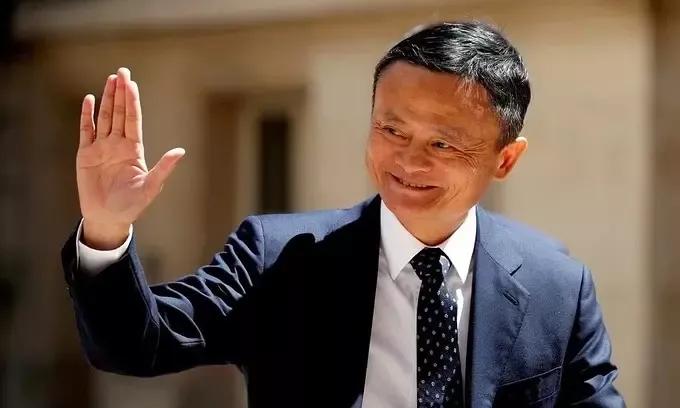
Jack Ma, the billionaire founder of Chinese tech giant Alibaba, has purchased more than HK$600 million ($76.5 million) worth of the company's Hong Kong-listed shares, marking a significant vote of confidence in Alibaba's aggressive AI push
1
2
. The share purchase came immediately after Alibaba announced its HK$80 billion ($10.2 billion) share placement on August 23, with Ma making consecutive purchases over multiple days1
. Alibaba shares responded positively, trading up 1.4% at around HK$115.80, while the broader Hang Seng Index gained approximately 0.7%1
. This insider buying sends a clear message that Alibaba's leadership believes deeply in the AI-driven future they're building, despite recent financial pressures and market skepticism.Leadership Doubles Down with Coordinated Share Purchase
The insider buying extended beyond Ma's substantial investment. Chairman Joe Tsai purchased approximately HK$82 million worth of shares on Tuesday at an average price of HK$113.47, following an HK$80 million purchase on Monday
1
2
. CEO Eddie Wu also participated, buying roughly HK$40 million on Monday1
. Together, Tsai and Wu have acquired over HK$202 million worth of shares over just two days1
2
. This coordinated share purchase by Alibaba's top executives demonstrates unified confidence in AI strategy at the highest levels of leadership, countering investor concerns about whether the massive AI investments will generate adequate returns.Massive Share Placement Funds Full-Stack AI Capabilities
Alibaba completed an HK$80 billion ($10.2 billion) placement of 710 million new shares at HK$112.70 each, representing the largest-ever primary follow-on offering by a Hong Kong-listed company
1
. The transaction closed on Wednesday, with all net proceeds earmarked for expanding Alibaba's full-stack AI capabilities, including chips, computing infrastructure, and AI models1
. The share placement initially unsettled investors, with Alibaba shares falling as much as 10% on Monday after the company priced the new shares at an 8.4% discount to the previous close, raising concerns about dilution1
. However, the subsequent insider buying offers a strong counterpoint to those concerns, suggesting senior leadership remains confident in the long-term payoff from AI initiatives.Related Stories

AI Expansion Costs Drive Short-Term Profit Decline
Ma's purchase is particularly significant given that Alibaba recently reported a 75% drop in quarterly net profit, largely reflecting AI expansion costs
1
. The company has committed more than 380 billion yuan ($56.5 billion) over three years to AI infrastructure, representing one of the most ambitious AI investments in the Chinese tech sector1
. Despite these near-term financial pressures, Alibaba's Qwen models have been gaining traction in China, demonstrating early signs that the AI investments are beginning to deliver tangible results1
. Jack Ma buys Alibaba shares at a moment when the company faces critical questions about balancing aggressive AI spending with profitability, making his vote of confidence particularly meaningful for investors watching whether Alibaba can successfully transition into an AI-powered enterprise while maintaining financial health.References
Summarized by

Navi
[1]
Related Stories
Alibaba's $50 Billion AI and Cloud Computing Investment Signals China's Tech Resurgence
24 Feb 2025•Business and Economy

Alibaba's $100 Billion Rally: AI Investments and Jack Ma's Return Fuel Optimism
28 Mar 2025•Business and Economy
Alibaba Raises $10.2 Billion in Record Share Sale to Accelerate AI Expansion
23 Aug 2026•Business and Economy
Recent Highlights



Recent Highlights
Today's Top Stories



Don’t drown in AI news. We cut through the noise - filtering, ranking and summarizing the most important AI news, breakthroughs and research daily. Follow topics that matter to you and stay ahead.


