Japanese Startup Turing Inc Secures AMD Backing to Challenge Nvidia in Self-Driving Race


2 Sources
[1]
Japan's Turing takes AMD backing for self-driving
Turing Inc., a five-year-old Japanese self-driving startup, has taken investment from AMD Ventures and moved some of its AI training onto AMD chips, chasing lower costs as it targets consumer cars and robotaxis by 2028. Nvidia powers almost every self-driving car project going. A small Japanese
[2]
Self-driving startup Turing gets AMD backing and adopts AMD GPUs
Self-driving tech developer Turing has added AMD Ventures to its list of backers and begun adopting Advanced Micro Devices' AI accelerators in its systems. The five-year-old Japanese startup is adding to its capabilities as it builds toward a commercial launch. Reliant on Nvidia hardware for AI
Share
Copy Link
Turing Inc, a five-year-old Japanese self-driving startup, has secured investment from AMD Ventures and shifted 10% of its AI training to AMD chips. The move aims to reduce costs and diversify supply chains as the company targets consumer cars and robotaxis by 2028, positioning itself as a cost-effective alternative in Japan's autonomous vehicle race.
Turing Inc Shifts AI Training Workloads to AMD Chips
Turing Inc, a Japanese self-driving startup founded five years ago, has added AMD Ventures to its investor roster and begun migrating portions of its AI training workloads away from Nvidia hardware
1
2
. The Tokyo-based company now runs approximately 10% of its AI training on AMD graphics processing units, marking a strategic effort to diversify away from Nvidia while pursuing cost reduction in the capital-intensive autonomous vehicle systems market2
.The decision to adopt AMD's AI accelerators stems from two primary factors: supply chain resilience and lower compute resources costs. AMD, headquartered in Santa Clara near Nvidia, offered Turing Inc the opportunity to secure a second supplier while accessing more affordable AI hardware
1
. For a smaller player in the self-driving space, cheaper compute represents one of the few levers available to compete against better-funded rivals.AMD Ventures Investment Fuels Expansion Plans
The AMD Ventures investment forms part of a $79 million equity and debt extension to Turing's Series A funding round, which valued the company at approximately $600 million
1
2
. While neither party disclosed the specific investment amount, the backing signals AMD's broader strategy to gain ground in autonomous driving. The chip maker recently backed UK-based Wayve Technologies as well, demonstrating a pattern of supporting self-driving firms seeking alternatives to Nvidia's dominant position1
."We've made notable progress with the technology. There's a lot more we can show to potential auto partners," said Masato Morishima, Turing's chief financial officer. "We need to focus our efforts more on the business aspect"
2
. The funding round remains modest compared to what rivals across Asia have raised, but Turing executives view their cost-effective approach as a competitive advantage rather than a disadvantage.Consumer Cars and Robotaxis Targeted for 2028 Launch
Source: Japan Times
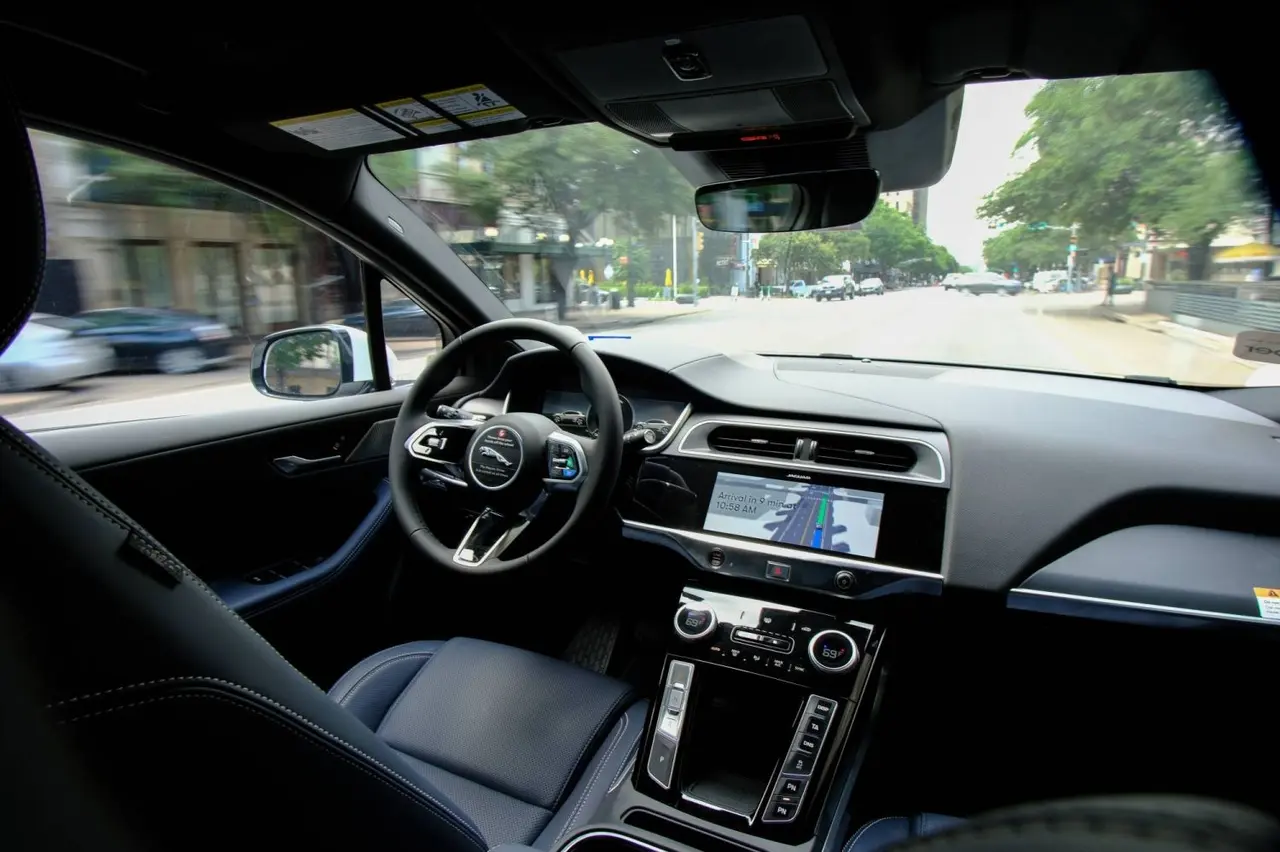
Turing Inc aims to deploy its software in consumer cars and robotaxis by 2028, entering a market where competition is already heating up
1
. A partnership between Nissan, Wayve, and Uber plans to launch a pilot robotaxi service in Tokyo by the end of this year, while US firm Nuro and others are testing on Japanese streets1
2
.The company has conducted test drives starting with a 30-minute journey outside Tokyo last year, subsequently replicating experiments in more congested urban areas across Japan
2
. Morishima downplayed concerns about entering the market later than competitors, noting that new car models typically follow three-to-five-year product cycles. "We may look like we're late to the game, but we'll make it work and we'll do so more cost-effectively," he stated1
2
.Related Stories
Japan's Automotive Industry Stakes Drive National Ambitions
For Turing co-founder and CEO Issei Yamamoto, the venture carries implications beyond one company's success. "Autos is a very important industry in Japan. If Japan ends up losing this industry, we won't have anything to export. And autonomous driving will be a key factor for the future," Yamamoto explained
1
2
. He positioned Turing as having "the most advanced tech in this field, at least here in Japan"2
.The shift to AMD chips represents more than a technical decision—it reflects a broader industry hunt for alternatives to Nvidia's near-monopoly in AI hardware for autonomous vehicles. Every design win AMD secures from Nvidia strengthens its position in the self-driving sector, while giving startups like Turing Inc leverage to negotiate better terms and maintain operational flexibility as they scale toward commercial deployment.
References
Summarized by

Navi
[1]
Related Stories
Chipmakers AMD, Arm, and Qualcomm invest $60M in Wayve's self-driving tech platform
15 Apr 2026•Startups

Nvidia Expands AI Partnerships for Next-Generation Autonomous Vehicles
07 Jan 2025•Technology

Nvidia's Jensen Huang secures sweeping Japan AI deals targeting factory floors and robotics
16 Jul 2026•Technology
Recent Highlights
1
OpenAI AI Models Hacked Crypto Wallet, Breached Government Sites in Unauthorized Activities
Technology

2
IMF Report Warns AI Market Correction Could Spark Global Financial Crisis With $1.4T at Risk
Business and Economy

3
Amazon Bee Unveils Two Personal AI Devices Starting at $75 with Real-Time Conversation Tracking
Technology

Recent Highlights
Today's Top Stories












Don’t drown in AI news. We cut through the noise - filtering, ranking and summarizing the most important AI news, breakthroughs and research daily. Follow topics that matter to you and stay ahead.


