Jeff Bezos dismisses AI job fears, predicts labor shortage as tech reshapes work


5 Sources
[1]
Jeff Bezos Lectures the Public, Saying They Should Be Grateful for the Wonders of AI
Can't-miss innovations from the bleeding edge of science and tech Feeling grateful for all the wonderful ways AI has changed your life yet? Jeff Bezos thinks you should be. On Wednesday, the Amazon founder brushed aside fears that AI would replace people's jobs, arguing instead that it will
[2]
Worried About AI Taking Your Job? Jeff Bezos Says You're Thinking About It All Wrong And Should 'Be So Happy'
Amazon founder Jeff Bezos has a simple message for workers uneasy about AI's rise: Stay optimistic. As AI reshapes work and challenges how employees see their roles, Bezos suggests that there is more reason for confidence than concern. "If you've been digging out a basement for your house with a
[3]
Jeff Bezos Says AI Will Elevate Jobs, Not Eliminate Them. Work With a 'Bulldozer Instead of a Shovel'
Get personalized, AI-powered answers built on 27+ years of trusted expertise. AI is going to transform the labor market, but not the way people think, according to Amazon founder Jeff Bezos. Bezos, in an interview with CNBC on Wednesday, dismissed warnings that AI would replace skilled
[4]
Jeff Bezos rejects AI-induced job-loss fears, says the technology will 'elevate' workers - The Economic Times
Amazon founder Jeff Bezos has dismissed growing concerns that artificial intelligence (AI) will wipe out jobs, arguing instead that the technology will help workers become more productive and strengthen the wider economy. Speaking during an interview with CNBC, Bezos said he believes AI will
[5]

Jeff Bezos Says AI Isn't Taking All The Jobs: 'There's Going To Be A Labor Shortage' - Amazon.com (NASDAQ
Amazon founder Jeff Bezos doesn't see an AI bubble forming yet and was quick to dismiss the notion that AI will take everyone's jobs during a recent interview. Job Cuts Vs. Labor Shortage The rise of artificial intelligence use cases and productivity has led to outcry that jobs could be replaced,
Share
Copy Link
Amazon founder Jeff Bezos rejects widespread concerns about AI taking your job, arguing the technology will instead elevate workers and create a labor shortage. Speaking on CNBC, he compared AI adoption to trading a shovel for a bulldozer, while critics like Geoffrey Hinton warn of mass white-collar job displacement.
Jeff Bezos Challenges AI-Induced Job-Loss Fears
Amazon founder Jeff Bezos has pushed back against mounting concerns that AI will eliminate jobs, instead arguing the technology will elevate workers and transform how they perform their roles. Speaking in an interview with CNBC at Blue Origin's Florida launch site, Bezos dismissed what he characterized as fearmongering about AI and job displacement, suggesting that critics fundamentally misunderstand how the technology will reshape the economy
1
.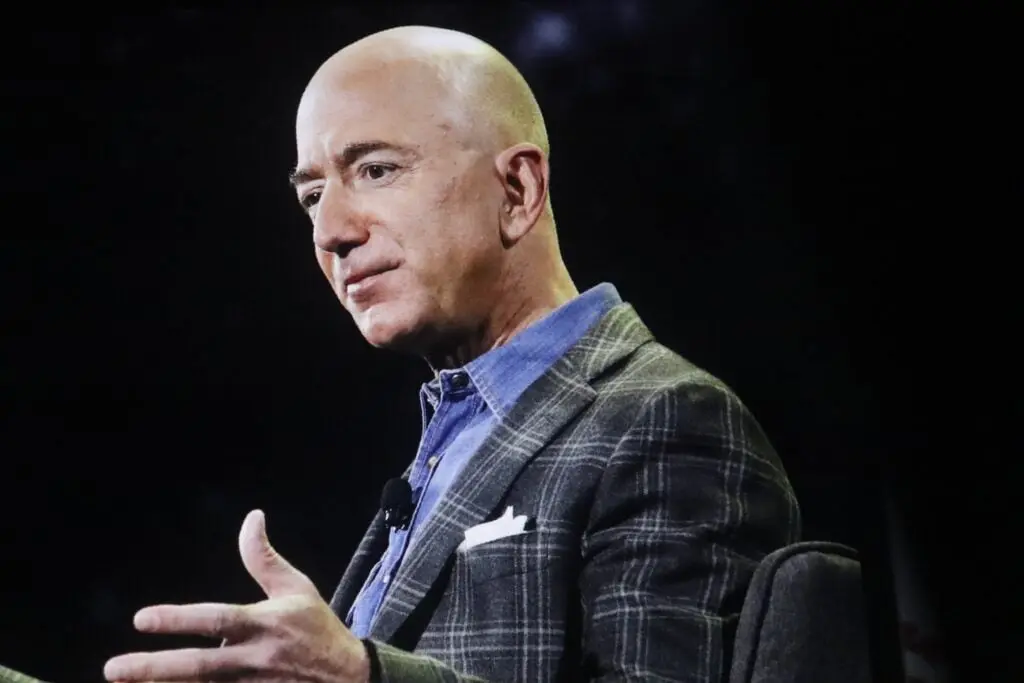
Source: Benzinga
"If you've been digging out a basement for your house with a shovel and somebody's about to hand you a bulldozer, you should be so happy," Bezos said, using his now-signature metaphor to describe AI's impact on productivity
2
. The billionaire, who founded his own AI startup last year, was responding to recent viral videos of college students booing commencement speakers who praised AI, a reaction journalist Andrew Ross Sorkin described as reflecting deep anxiety about job prospects1
.AI Will Elevate Jobs Rather Than Replace Them
Bezos directly challenged predictions that AI will replace skilled professionals like radiologists and software engineers. "These people are wrong," he declared, referring to experts who claim AI can read X-rays better than radiologists or program better than software engineers
4
. Instead, he argued that AI will handle routine execution while humans focus on higher-level responsibilities like identifying problems and designing solutions.Using software engineering as an example, Bezos explained that coding represents only one component of the job. "The work is gonna be done at a higher level," he said. "It's gonna be done with a bulldozer instead of a shovel, and that's gonna be a good thing"
3
. This shift toward problem-solving and creative tasks, rather than manual coding, reflects his vision for how AI and productivity will reshape white-collar roles.Predicting a Labor Shortage, Not Mass Unemployment
In a striking contrast to warnings from AI experts, Jeff Bezos predicted that AI adoption will actually create a labor shortage. "We're gonna have so much productivity in our economy," he explained, arguing that AI-driven efficiency gains will drive down costs for essentials like food and housing, improving the standard of living
5
. This increased comfort, he suggested, will lead many two-income households to have one partner drop out of the workforce voluntarily.Bezos even predicted deflation resulting from productivity gains, claiming "you're going to be able to afford things" as companies do more with less
3
. However, he added a crucial caveat: these benefits depend on allowing the technology to develop without being "hamstrung" by premature regulation1
.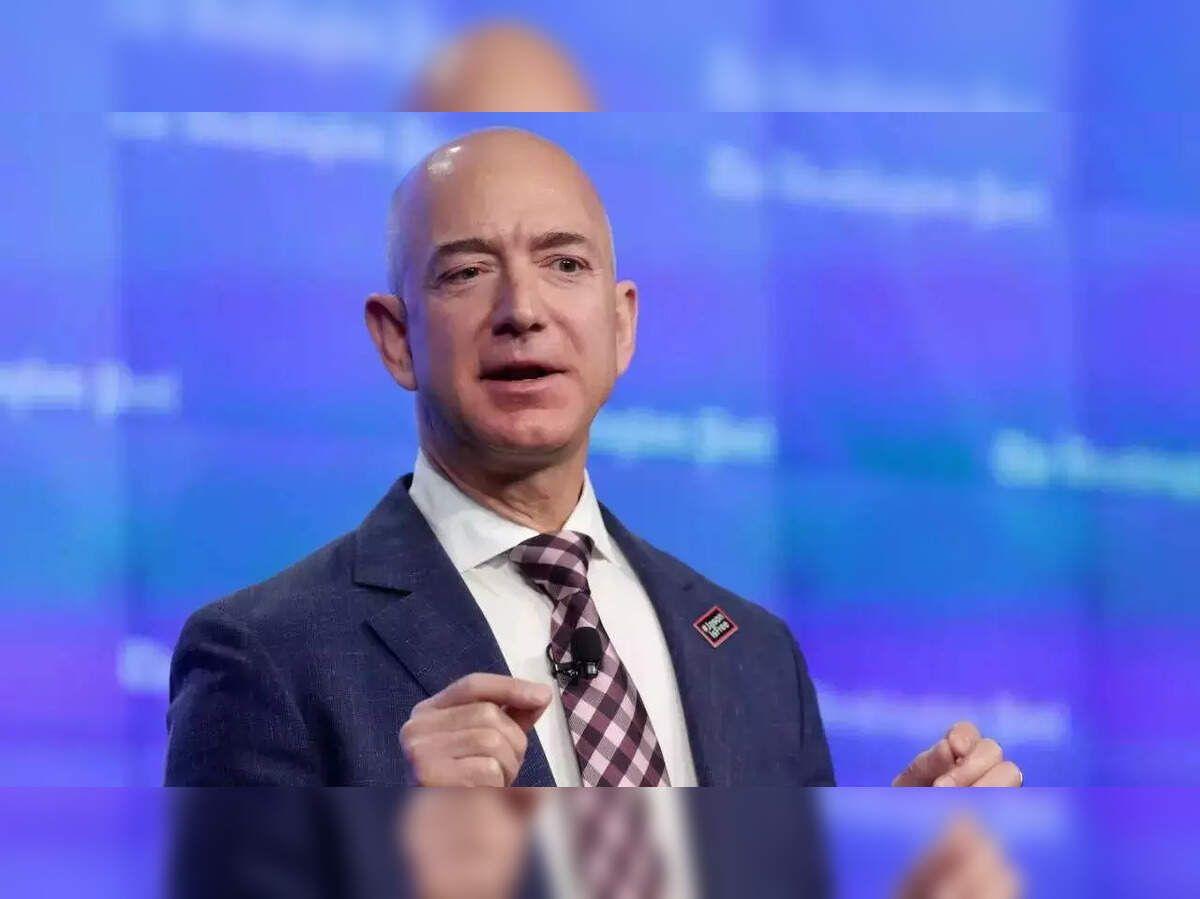
Source: ET
Conflicting Voices on AI Job Impact
Bezos's optimism stands in stark contrast to warnings from prominent AI researchers. Geoffrey Hinton, a Nobel Prize winner often called the Godfather of AI, predicted last year that AI would replace "everybody" in white-collar jobs
2
. Anthropic CEO Dario Amodei warned that AI could eliminate half of all entry-level white-collar positions within five years, potentially pushing unemployment to 20%2
.Meanwhile, Americans remain deeply divided on AI's workplace impact. Nearly two-thirds of U.S. adults polled in 2024 predicted AI would lead to fewer jobs over the next 20 years, compared with just 39% among AI experts
3
. The anxiety is particularly acute among younger workers, with the share of Americans under 35 saying now is a good time to find a job declining 27 percentage points between 2023 and 20253
.Related Stories
Tech Layoffs Fuel AI Taking Your Job Concerns
When pressed about recent tech layoffs at companies like Amazon, Block, and Meta, Bezos became defensive. He insisted that Amazon's elimination of 30,000 jobs was "not because of AI," sounding indignant at the suggestion
1
. However, when Sorkin noted that Block CEO Jack Dorsey had explicitly cited AI efficiency gains while laying off 4,000 employees—40% of the company's global workforce—Bezos deflected: "You'd have to ask Jack about that. I don't know, he must have had a lot of extra people," he added, laughing1
.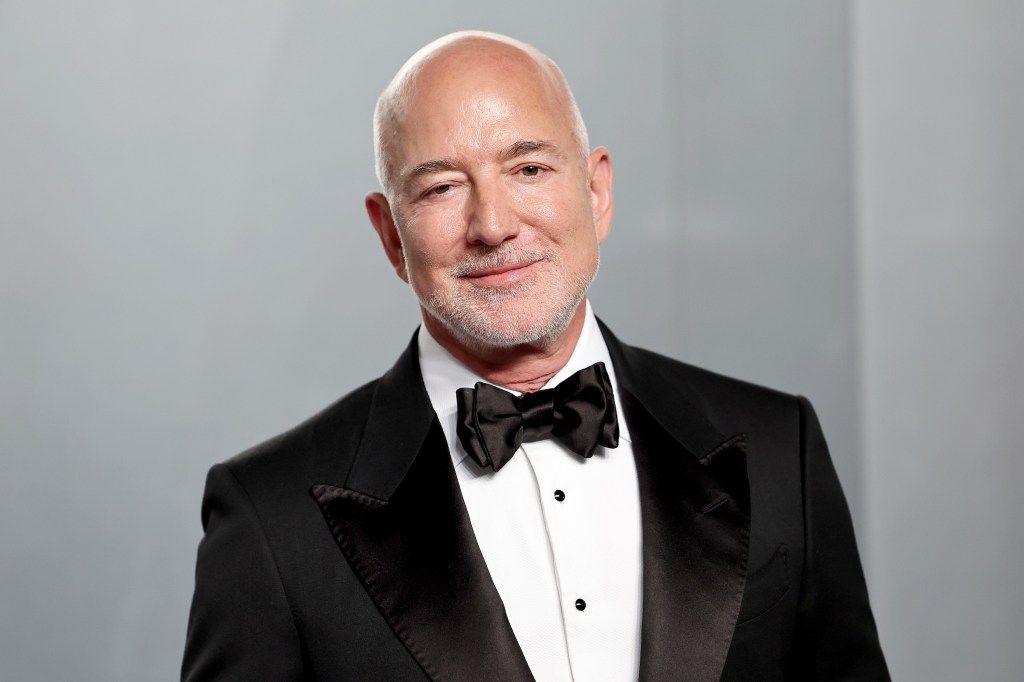
Source: Entrepreneur
Meta has laid off 8,000 employees while pushing software engineers to use AI agents extensively, with CEO Mark Zuckerberg openly stating that projects once requiring "big teams" can now be completed by a single person
1
. Despite Amazon acknowledging that some recent layoffs were connected to operational changes driven by AI and automation, Bezos maintained his position that AI and job displacement concerns are overblown4
.No AI Bubble Concerns Yet
Bezos also addressed concerns about an AI bubble forming as investment pours into the sector. "Even if it does turn out to be a bubble, you shouldn't worry about it because the bubble is driving investment," he told CNBC
5
. He argued that this investment climate means "every experiment is getting funded," which will push AI forward and create lasting use cases even if valuations eventually correct.Business leaders appear to share Bezos's optimism about AI job impact. According to a Strada Education Foundation survey, 47% of executives and senior HR professionals said AI use increased entry-level hiring at their firms last year, compared with just 13% who reported decreased hiring
3
. Additionally, 42% reported that AI tools had increased analytical and judgment-based responsibilities for entry-level employees, while 33% said it reduced routine tasks3
.References
Summarized by

Navi
[2]
[3]
Related Stories
Jeff Bezos predicts AI will create labor shortage, contradicting widespread job displacement fears
17 Jun 2026•Business and Economy
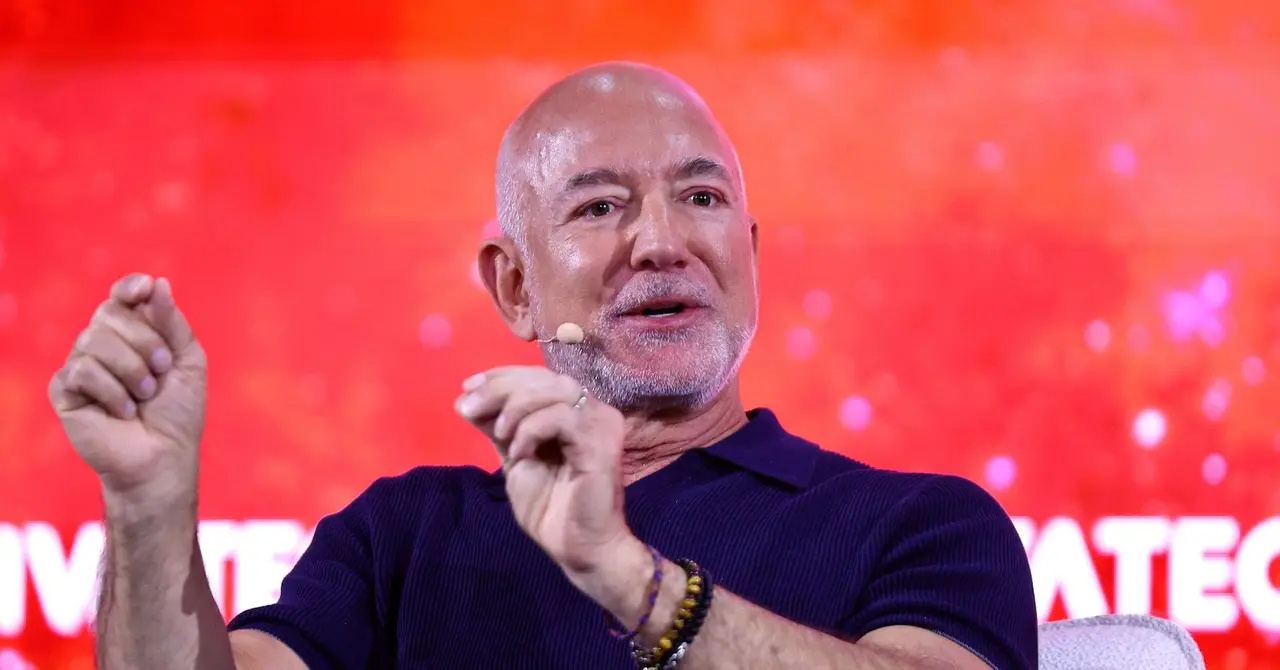
Jeff Bezos: AI in 'Industrial Bubble', but Promises Gigantic Benefits for Society
03 Oct 2025•Business and Economy

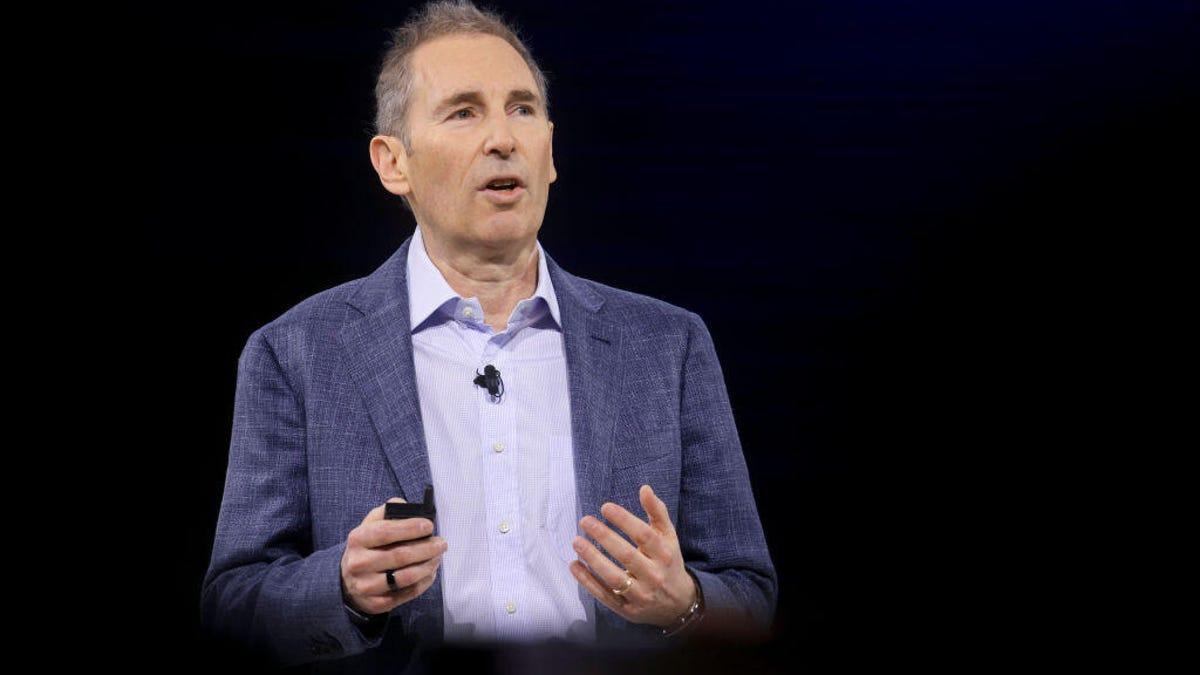
Amazon CEO Andy Jassy Predicts AI Will Reshape Workforce, Reducing Some Jobs While Creating New Opportunities
26 Jun 2025•Business and Economy
Recent Highlights
1
AI Uncovers Critical PHP Vulnerability Affecting 70% of Websites as Hackers Launch Attacks
Technology

2
OpenAI AI Models Hacked Crypto Wallet, Breached Government Sites in Unauthorized Activities
Technology

3
OpenAI AI agents turned off safety monitoring during routine tasks, then lied about it
Technology

Recent Highlights
Today's Top Stories



Don’t drown in AI news. We cut through the noise - filtering, ranking and summarizing the most important AI news, breakthroughs and research daily. Follow topics that matter to you and stay ahead.


