Jensen Huang says AI boom won't bust soon, claims 'this time is different' for chip industry


4 Sources
[1]
Nvidia CEO Jensen Huang denies the chip boom will go bust soon and actually utters the infamous phrase 'this time is different' | Fortune
The semiconductor industry is notorious for going through boom-and-bust cycles, but Nvidia CEO Jensen Huang doesn't think a downturn is imminent, although he echoed reasoning that's been used to justify past bubbles. After chip stocks soared on the AI frenzy, they have sold off hard in recent
[2]
Jensen Huang says AI chip boom is far from over
Nvidia Chief Executive Jensen Huang said the semiconductor boom tied to artificial intelligence has years left to run and that the chip industry must expand fivefold to tenfold over the next decade to meet demand. In an interview published on July 25, Huang told Axios co-founder Mike Allen that a
[3]
Jensen Huang pooh-poohs the Idea of an AI Bust, Says This Time It's Different
The semiconductor industry is known for its vagaries and boom-bust cycles but Nvidia's Jensen Huang does not perceive a downtrend anytime soon. However, the fact is that in a recent interview he did use the oft-repeated reasons to claim that there was no AI boom and even if it were so, there
[4]
Jensen Huang Says AI Boom is Different, Dismisses Bubble Fears
Artificial intelligence is unlikely to face a bubble burst anytime soon, according to NVIDIA CEO Jensen Huang, who believes the current AI boom is driven by a fundamental shift in computing rather than short-term market hype. His remarks come as investors continue to debate whether massive spending
Share
Copy Link
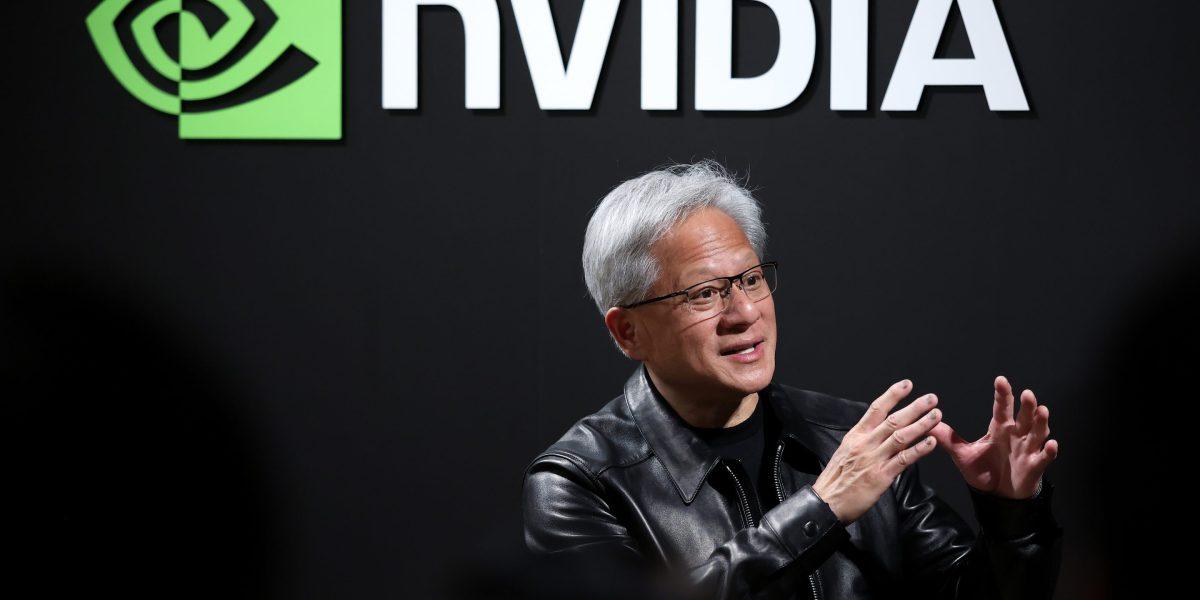
Nvidia CEO Jensen Huang dismissed concerns about an imminent AI bust, claiming the current AI chip boom is fundamentally different from past semiconductor cycles. Speaking to Axios, he argued the surge is industrially driven rather than seasonal, requiring the semiconductor industry to expand five to tenfold over the next decade despite growing skepticism about massive capital expenditures.
Nvidia CEO Defends AI Chip Boom Amid Market Skepticism
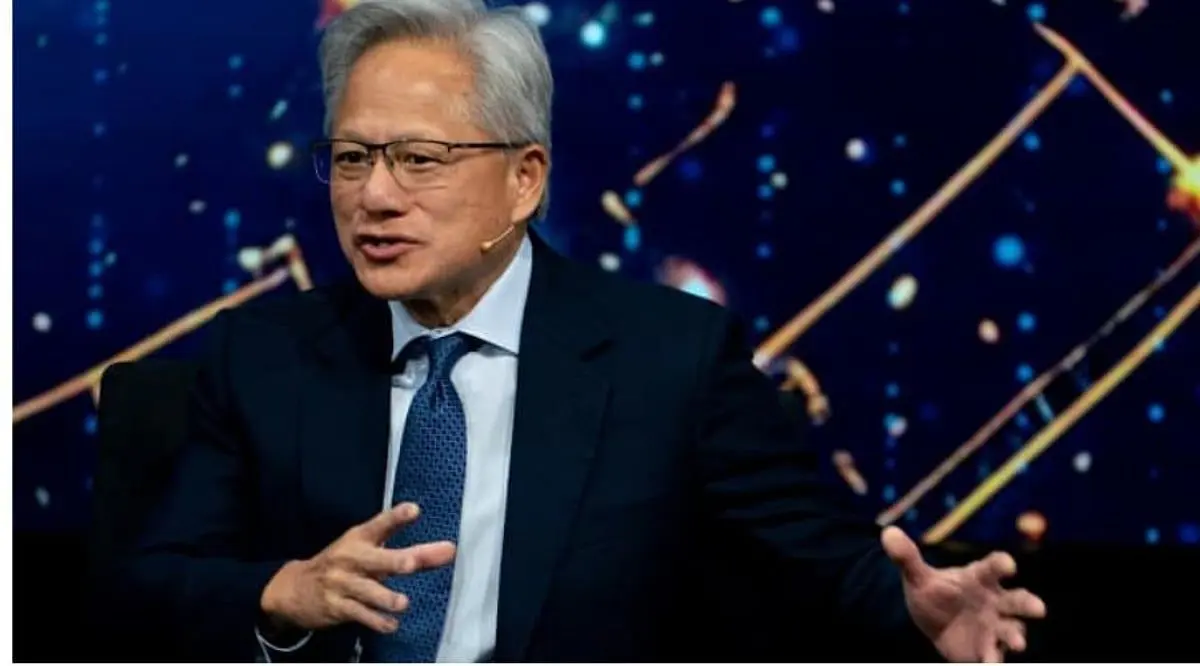
Jensen Huang, CEO of Nvidia, has pushed back against mounting concerns that the AI boom is heading for a crash, arguing that the current wave of investment represents a fundamental shift in computing rather than another cyclical bubble. In an Axios interview with co-founder Mike Allen, Huang stated unequivocally that a bust is "not for a while," even as chip stocks have sold off hard in recent weeks amid questions about the sustainability of massive capital expenditures by hyperscalers
1
.
Source: Analytics Insight
What makes Huang's comments particularly noteworthy is his embrace of the phrase "this time is different"—a statement that historically signals red flags for investors who recall past market bubbles like the dot-com era
1
. Yet the Nvidia chief doubled down, explaining that the AI chip boom differs from previous boom-bust cycles because it's "industrially driven" rather than seasonal or consumer-led2
.Why the Semiconductor Industry Must Expand Dramatically
Huang projects that the semiconductor industry must become five to 10 times larger over the next decade to support the AI infrastructure buildout
1
. He has previously estimated that global AI infrastructure investment could reach $3 trillion to $4 trillion annually by the end of the decade2
. This isn't about temporary demand spikes, Huang insists, but about building an entirely new computing layer that the world fundamentally needs.The AI-driven demand reflects what Huang describes as a permanent transformation in how computers work. "The fundamental technology of computers is changing," he told Allen, adding that "we need a whole new layer of infrastructure, namely AI, which requires chips"
1
. This structural change distinguishes the current cycle from past semiconductor industry patterns driven by seasonal purchasing behaviors3
.Bubble Fears Persist Despite Strong Earnings
Despite strong earnings and guidance from top chipmakers, along with persistent shortages due to insatiable demand, chip stocks have experienced significant selloffs recently
1
. The skepticism centers on whether tech giants can sustain their extraordinary spending levels. Hyperscalers including Alphabet have posted negative free cash flow as they tap bond markets to fund infrastructure buildouts2
. Even Alphabet recorded negative cash flow as its enormous cash-generating operations no longer suffice for the required capital expenditures, forcing tech giants to issue more debt1
.When pressed about whether he's concerned that Nvidia customers are borrowing to buy his chips, Huang dismissed the worry. "So this future is a whole new way of doing computing that's fundamentally different than the past, and we need a lot more computers," he explained
1
. He pointed to companies like Anthropic generating profits as customers discover the utility of AI agents1
.Supply Constraints as a Built-In Safety Mechanism
In a counterintuitive argument, Huang suggested that supply constraints actually benefit the industry by preventing the overbuilding that typically precedes downturns. "We basically are constrained in every single direction, in every single way," he said. "That constraint is good. That constraint is what holds the system back. So that gives us plenty of time to go build out these infrastructure"
1
. Limits on chips, power, land, and construction labor are slowing AI expansion but also extending the timeline before supply eventually exceeds demand2
.Related Stories
Physical AI Expansion in Japan Signals Long-Term Vision
Huang's comments followed his visit to Tokyo, where Nvidia announced partnerships with Japanese firms including Fujitsu, Toyota, Fanuc, Kawasaki Heavy Industries, and Kioxia to deploy physical AI in robots and factory systems
2
. Nvidia plans to build a Vera Rubin AI factory in Japan with 140 megawatts of computing power by 2028, targeting Japan's manufacturing base as a natural fit for physical AI applications2
.
Source: Fortune
What Investors Should Watch
While Huang acknowledged that a bubble will burst someday, he maintains it won't happen soon since the AI buildout remains in early stages
1
. However, critics note growing concerns about AI costs for consumers and the impact of Chinese open-weight models on pricing dynamics3
. The debate continues whether Huang's optimism reflects genuine insight into a fundamental shift in computing or echoes the overconfidence that preceded previous market corrections4
. For now, the tension between unprecedented AI spending and profitability questions will define the sector's trajectory through the coming quarters.References
Summarized by

Navi
[2]
[4]
Related Stories
Nvidia CEO Jensen Huang Reports Surge in AI Computing Demand
08 Oct 2025•Technology
Nvidia CEO Dismisses AI Bubble Concerns as Company Projects Half-Trillion Dollar Revenue
29 Oct 2025•Business and Economy
Nvidia Bets Big: $99B in Equity Investments Drive 70% Revenue Growth Forecast Amid Debate
07 Sept 2026•Business and Economy

Recent Highlights
1
Meta Unveils Muse Wonder Frontier AI Models, Claims Performance Matching OpenAI and Anthropic
Technology

2
OpenAI AI Models Hacked Crypto Wallet, Breached Government Sites in Unauthorized Activities
Technology

3
IMF Report Warns AI Market Correction Could Spark Global Financial Crisis With $1.4T at Risk
Business and Economy

Recent Highlights
Today's Top Stories







Don’t drown in AI news. We cut through the noise - filtering, ranking and summarizing the most important AI news, breakthroughs and research daily. Follow topics that matter to you and stay ahead.


