Judge Rules DOGE's Use of ChatGPT to Cancel $100 Million in Grants Was Unconstitutional


6 Sources
[1]
Judge rules DOGE used ChatGPT in a way that was both dumb and illegal
The Department of Government Efficiency's cancellation of over $100 million in grants was unconstitutional, according to a ruling on Thursday. In the 143-page decision, US District Judge Colleen McMahon cites DOGE's process for eliminating grants, which involved using ChatGPT to determine if
[2]
Judge rules Trump administration's cancellation of humanities grants was unconstitutional
The Trump administration's cancellation of more than $100 million in humanities grants to scholars, writers, research groups and other organizations was unconstitutional, and the Department of Government Efficiency had no authority to end the funding, a federal judge in New York ruled on
[3]
Judge rules Trump administration's cancellation of humanities grants was unconstitutional
The Trump administration's cancellation of more than $100 million in humanities grants to scholars, writers, research groups and other organizations was unconstitutional, and the Department of Government Efficiency had no authority to end the funding, a federal judge in New York ruled on
[4]
Judge rules Trump administration's cancellation of humanities grants was unconstitutional
The Trump administration's cancellation of more than $100 million in humanities grants to scholars, writers, research groups and other organizations was unconstitutional, and the Department of Government Efficiency had no authority to end the funding, a federal judge in New York ruled on
[5]

Judge rules Trump administration's cancellation of humanities grants was unconstitutional
The Trump administration's cancellation of more than $100 million in humanities grants to scholars, writers, research groups and other organizations was unconstitutional, and the Department of Government Efficiency had no authority to end the funding, a federal judge in New York ruled on
[6]

Judge Rules DOGE's Cancellation Of Humanities Grants Was Unconstitutional
The judge sided with The Authors Guild, several other groups and several people who had their grants canceled and sued DOGE and the National Endowment for the Humanities. The Trump administration's cancellation of more than $100 million in humanities grants to scholars, writers, research groups
Share
Copy Link
A federal judge has ruled that the Department of Government Efficiency's cancellation of over $100 million in humanities grants was unconstitutional. DOGE staffers used ChatGPT to scan over 1,400 grants for DEI-related content, eliminating 97 percent of National Endowment for the Humanities funding without meaningful review. The court found this violated the First and Fifth Amendments.
DOGE Used ChatGPT to Cancel Over 1,400 Humanities Grants
U.S. District Judge Colleen McMahon ruled Thursday that the Department of Government Efficiency violated constitutional protections when it canceled more than $100 million in grants from the National Endowment for the Humanities. The 143-page decision permanently bars the administration from terminating the grants and delivers a sharp rebuke to DOGE's use of artificial intelligence in the cancellation of humanities grants
1
. The ruling stems from a lawsuit filed by The Authors Guild, American Historical Association, Modern Language Association, and other humanities groups whose funding was abruptly terminated2
.
Source: AP
Judge Colleen McMahon ruling found that DOGE eliminated 97 percent of grants under the NEH by relying on ChatGPT's interpretation of Diversity, Equity, and Inclusion (DEI) criteria. DOGE staffer Justin Fox testified that he used a standardized prompt asking ChatGPT: "Does the following relate at all to DEI? Respond factually in less than 120 characters. Begin with 'Yes.' or 'No.' followed by a brief explanation." Fox admitted he did not define DEI for the AI chatbot and had no idea how ChatGPT understood the term
1
.Detection Codes Targeted Protected Characteristics
The court examined how Fox and his colleague Nate Cavanaugh applied what they called "Detection Codes" to identify grants they labeled "Craziest Grants" and "Other Bad Grants." These search terms included "BIPOC (Black, Indigenous, People of Color)," "Minorities," "Native," "Tribal," "Indigenous," "Immigrant," "LGBTQ," "Homosexual," and "Gay." When asked whether he ran this list of words through every grant description, Fox confirmed "yes"
1
. The judge determined this approach constructed explicit classifications based on protected characteristics and used them as operative criteria for revoking federal grants.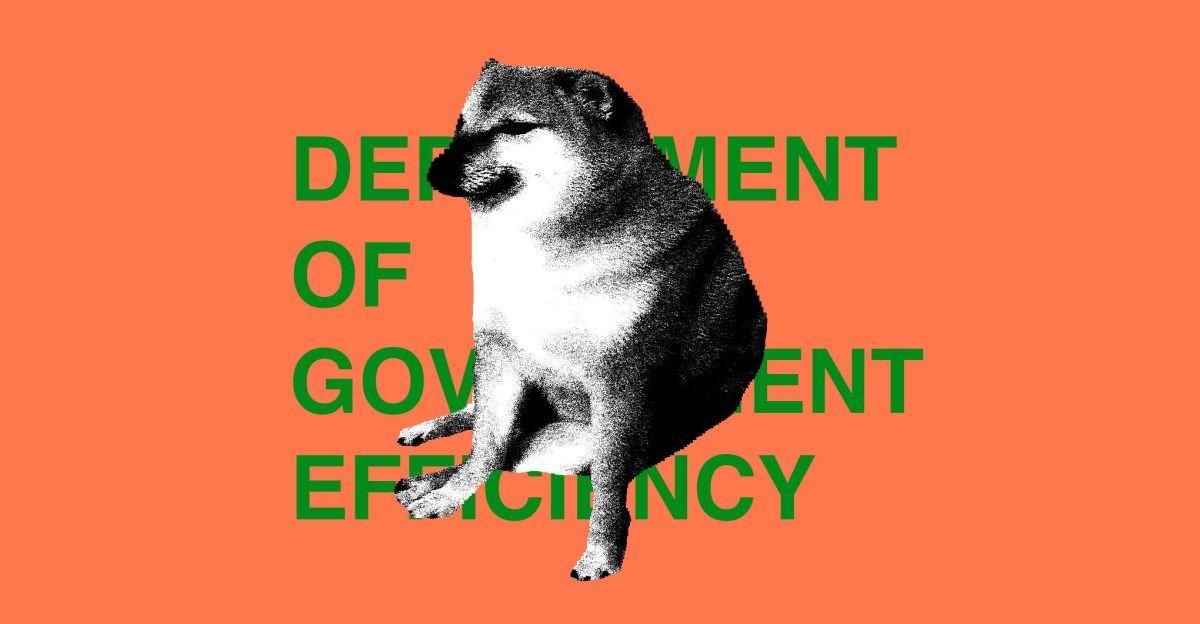
Source: The Verge
McMahon wrote that DOGE deemed hundreds of grants "wasteful because they related to Blacks, women, Jews, Asian Americans, and Indigenous people." In one striking example, officials using the AI platform labeled as DEI an anthology titled "In the Shadow of the Holocaust: Short Fiction by Jewish Writers from the Soviet Union"
3
. Other canceled projects included civil rights research and educational experiences exploring indigenous knowledge, culture, and climate.Court Rejects Argument That ChatGPT Bears Responsibility
Government lawyers argued there was no constitutional problem because any viewpoint classification was ChatGPT's doing rather than the government's. McMahon firmly rejected this defense: "There is no distinction to be drawn here between the Government and ChatGPT. ChatGPT was the Government's chosen instrument for purposes of this project, and DOGE's use of AI to identify DEI-related material neither excuses presumptively unconstitutional conduct nor gives the Government carte blanche to engage in it"
4
.The ruling found "not a scintilla of evidence" that Fox or Cavanaugh undertook any meaningful review of whether ChatGPT's rationales made sense
1
. This lack of human oversight proved critical to the court's determination that the process constituted unconstitutional viewpoint discrimination.Violated First and Fifth Amendments, DOGE Lacked Authority
Judge McMahon determined the grant cancellation violated the First Amendment and the Fifth Amendment's equal protection right. She described the cancellations as "a textbook example of unconstitutional viewpoint discrimination" when officials terminated funding based on DEI criteria
2
. The court also found that the Department of Government Efficiency did not have lawful authority to cancel the grants in the first place.The grant cancellations were announced in April 2025, following Trump administration executive orders titled "Ending Radical and Wasteful Government DEI Programs and Preferencing" and implementing DOGE's "cost efficiency initiative." Michael McDonald, then acting chairman of the National Endowment for the Humanities, sent letters informing recipients their grants were canceled because "the NEH is repurposing its funding allocations in a new direction in furtherance of the President's agenda"
5
. Government lawyers had argued the cuts of more than 1,400 grants were legal moves to implement presidential directives and reduce discretionary spending.Implications for AI Use in Government Decision-Making
Yinka Ezekiel Onayemi, an attorney for The Authors Guild, called the funding cuts "a direct assault on constitutional free speech and equal protection," adding that the decision "reaffirms that Congress's 60 year old commitment to the humanities cannot be dismantled by an overreaching executive"
3
. Sarah Weicksel, executive director of the American Historical Association, described the ruling as important in restoring the NEH's ability to fulfill its congressional mission of "helping to create and sustain 'a climate encouraging freedom of thought, imagination, and inquiry' through the humanities"2
.The ruling establishes that government agencies cannot delegate constitutional responsibilities to AI systems without meaningful human review. While McMahon acknowledged that new administrations may pursue lawful funding priorities, she emphasized they have "no license to suppress disfavored ideas." The unlawful termination of these grants based on the recipients' perceived viewpoint represented an attempt "to drive such views out of the marketplace of ideas"
4
. Many of the canceled grants were awarded during the Biden administration, with only about 40 grants from that period spared from the cuts. The White House and Department of Justice, which defended against the lawsuit, did not immediately comment, and it remains unclear whether an appeal is planned.🟡 untrained_code=🟡DOGE Used ChatGPT to Cancel Over 1,400 Humanities Grants
U.S. District Judge Colleen McMahon ruled Thursday that the Department of Government Efficiency violated constitutional protections when it canceled more than $100 million in grants from the National Endowment for the Humanities. The 143-page decision permanently bars the administration from terminating the grants and delivers a sharp rebuke to DOGE's use of artificial intelligence in the cancellation of humanities grants
1
. The ruling stems from a lawsuit filed by The Authors Guild, American Historical Association, Modern Language Association, and other humanities groups whose funding was abruptly terminated2
.Source: AP
Judge Colleen McMahon ruling found that DOGE eliminated 97 percent of grants under the NEH by relying on ChatGPT's interpretation of Diversity, Equity, and Inclusion (DEI) criteria. DOGE staffer Justin Fox testified that he used a standardized prompt asking ChatGPT: "Does the following relate at all to DEI? Respond factually in less than 120 characters. Begin with 'Yes.' or 'No.' followed by a brief explanation." Fox admitted he did not define DEI for the AI chatbot and had no idea how ChatGPT understood the term
1
.Related Stories

Detection Codes Targeted Protected Characteristics
The court examined how Fox and his colleague Nate Cavanaugh applied what they called "Detection Codes" to identify grants they labeled "Craziest Grants" and "Other Bad Grants." These search terms included "BIPOC (Black, Indigenous, People of Color)," "Minorities," "Native," "Tribal," "Indigenous," "Immigrant," "LGBTQ," "Homosexual," and "Gay." When asked whether he ran this list of words through every grant description, Fox confirmed "yes"
1
. The judge determined this approach constructed explicit classifications based on protected characteristics and used them as operative criteria for revoking federal grants.Source: The Verge
McMahon wrote that DOGE deemed hundreds of grants "wasteful because they related to Blacks, women, Jews, Asian Americans, and Indigenous people." In one striking example, officials using the AI platform labeled as DEI an anthology titled "In the Shadow of the Holocaust: Short Fiction by Jewish Writers from the Soviet Union"
3
. Other canceled projects included civil rights research and educational experiences exploring indigenous knowledge, culture, and climate.Court Rejects Argument That ChatGPT Bears Responsibility
Government lawyers argued there was no constitutional problem because any viewpoint classification was ChatGPT's doing rather than the government's. McMahon firmly rejected this defense: "There is no distinction to be drawn here between the Government and ChatGPT. ChatGPT was the Government's chosen instrument for purposes of this project, and DOGE's use of AI to identify DEI-related material neither excuses presumptively unconstitutional conduct nor gives the Government carte blanche to engage in it"
4
.The ruling found "not a scintilla of evidence" that Fox or Cavanaugh undertook any meaningful review of whether ChatGPT's rationales made sense
1
. This lack of human oversight proved critical to the court's determination that the process constituted unconstitutional viewpoint discrimination.Violated First and Fifth Amendments, DOGE Lacked Authority
Judge McMahon determined the grant cancellation violated the First Amendment and the Fifth Amendment's equal protection right. She described the cancellations as "a textbook example of unconstitutional viewpoint discrimination" when officials terminated funding based on DEI criteria
2
. The court also found that the Department of Government Efficiency did not have lawful authority to cancel the grants in the first place.The grant cancellations were announced in April 2025, following Trump administration executive orders titled "Ending Radical and Wasteful Government DEI Programs and Preferencing" and implementing DOGE's "cost efficiency initiative." Michael McDonald, then acting chairman of the National Endowment for the Humanities, sent letters informing recipients their grants were canceled because "the NEH is repurposing its funding allocations in a new direction in furtherance of the President's agenda"
5
. Government lawyers had argued the cuts of more than 1,400 grants were legal moves to implement presidential directives and reduce discretionary spending.Implications for AI Use in Government Decision-Making
Yinka Ezekiel Onayemi, an attorney for The Authors Guild, called the funding cuts "a direct assault on constitutional free speech and equal protection," adding that the decision "reaffirms that Congress's 60 year old commitment to the humanities cannot be dismantled by an overreaching executive"
3
. Sarah Weicksel, executive director of the American Historical Association, described the ruling as important in restoring the NEH's ability to fulfill its congressional mission of "helping to create and sustain 'a climate encouraging freedom of thought, imagination, and inquiry' through the humanities"2
.The ruling establishes that government agencies cannot delegate constitutional responsibilities to AI systems without meaningful human review. While McMahon acknowledged that new administrations may pursue lawful funding priorities, she emphasized they have "no license to suppress disfavored ideas." The unlawful termination of these grants based on the recipients' perceived viewpoint represented an attempt "to drive such views out of the marketplace of ideas"
4
. Many of the canceled grants were awarded during the Biden administration, with only about 40 grants from that period spared from the cuts. The White House and Department of Justice, which defended against the lawsuit, did not immediately comment, and it remains unclear whether an appeal is planned.References
Summarized by

Navi
[4]
Related Stories
DOGE used ChatGPT to cancel $100 million in humanities grants under anti-DEI agenda
08 Mar 2026•Policy and Regulation
Elon Musk's DOGE Feeds Sensitive Federal Data into AI, Sparking Privacy and Security Concerns
07 Feb 2025•Technology

Appeals court keeps Pentagon's supply-chain risk label on Anthropic amid conflicting rulings
09 Apr 2026•Policy and Regulation

Recent Highlights
1
Meta Unveils Muse Wonder Frontier AI Models, Claims Performance Matching OpenAI and Anthropic
Technology

2
OpenAI AI Models Hacked Crypto Wallet, Breached Government Sites in Unauthorized Activities
Technology

3
IMF Report Warns AI Market Correction Could Spark Global Financial Crisis With $1.4T at Risk
Business and Economy

Recent Highlights
Today's Top Stories






Don’t drown in AI news. We cut through the noise - filtering, ranking and summarizing the most important AI news, breakthroughs and research daily. Follow topics that matter to you and stay ahead.


