Kentucky Farmer Rejects $26 Million AI Data Center Offer to Preserve Family Farmland


4 Sources
[1]
'You Can't Get Food Out of a Data Center': Family Rejects Tech Company's $26 Million Offer for Their Farm
Tech companies are spending many billions of dollars on massive data center projects across the country amid the ongoing AI boom, but not everyone is willing to sell. An 82-year-old Kentucky farmer and her family rejected an offer of more than $26 million to give over roughly half of their
[2]
Meet the 82-year-old Kentucky grandma who turned down $26 million to turn her farm into a data center: 'I don't need your money' | Fortune
Ida Huddleston has lived on the same stretch of farmland outside Maysville, Kentucky, since she was 16. She and her late husband built a log home there, raised children, and worked the soil through six decades of marriage. Today, the family owns roughly 1,200 acres, and multiple generations still
[3]
'They call us old stupid farmers, you know, but we're not': Family declines $26 million offer to convert their farmland into an AI data center
AI companies may have the cash to throw around, but some can't be bought so easily. If one thing is true about AI, it's that there's a lot of money in it. Nvidia became the first $5 trillion company because of its role in the explosion of AI data centers, and OpenAI has been rounding up tens of
[4]
Family turns down $26 million to turn farmland into an AI data center
With an insatiable appetite for all things AI, and the big tech companies pouring over $1 trillion into AI infrastructure, it's no secret that plans for and construction of new data centers are happening at a pace that hasn't been seen before. And with rural areas like Northern Kentucky in the
Share
Copy Link
An 82-year-old Kentucky farmer and her family rejected over $26 million from an unnamed tech company seeking to turn their farmland into an AI data center. Ida Huddleston and daughter Delsia Bare cite concerns over water use, pollution, and agricultural preservation, choosing to keep their 1,200-acre family farm that fed the nation during the Great Depression.
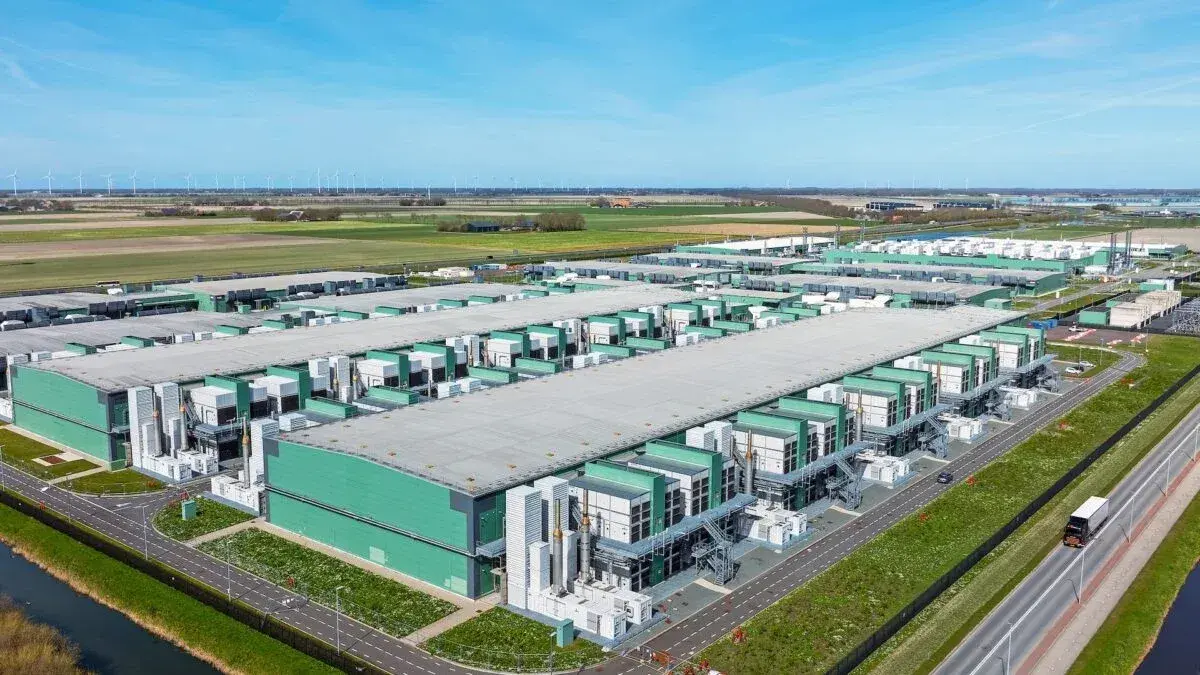
Kentucky Farmer Stands Firm Against AI Data Center Development
Ida Huddleston, an 82-year-old Kentucky farmer, and her family rejected an offer exceeding $26 million to turn farmland into an AI data center
1
. The unnamed tech company approached the family seeking roughly half of their 1,200-acre property in Mason County, offering Huddleston approximately $60,000 per acre for 71 acres and her daughter Delsia Bare $48,000 per acre for 463 acres2
. This represents ten times the typical $6,000-per-acre value for farmland in the region3
.Agricultural Heritage Versus AI Infrastructure Development
The Huddleston family has owned the land outside Maysville, Kentucky, for generations. Bare explained that her grandfather and great-grandfather raised wheat during the Great Depression that helped supply bread lines across America
1
. "My grandfather and great-grandfather and a whole bunch of family have all lived here for years, paid taxes on it, fed a nation off of it," Bare told local media3
. This agricultural heritage weighs heavily in their decision to resist AI-driven data center projects.Environmental and Agricultural Preservation Concerns Drive Rejection
Beyond personal attachment, the family rejects the tech company offer due to environmental concerns. "You can't get food out of a data center," Huddleston stated, adding that "everything coming out of the data center is going to be poison and destructive"
2
. The family cites water use and pollution as primary worries, referencing reports of water shortages and groundwater contamination near data centers elsewhere2
. "Money don't mean anything if you don't have food, water and can't breathe. And they're not making any more land," Huddleston explained1
.Pressure Tactics and Eminent Domain Fears
Bare initially signed a contract to sell, driven by fear that the company would lobby county government to invoke eminent domain and force a sale at lower prices
1
. She also faced pressure from developers who wouldn't identify themselves2
. However, the family regretted the decision almost immediately and backed out of the deal. Bare has since joined a lawsuit challenging the project1
.Related Stories
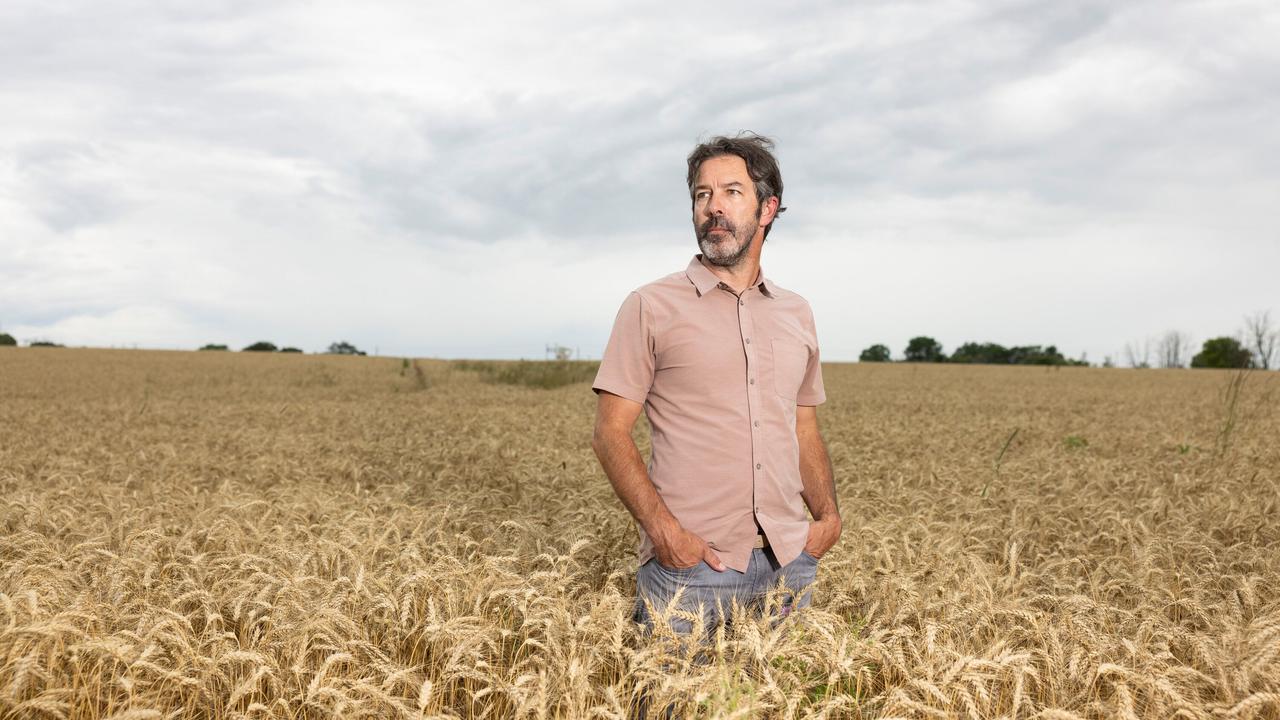
Rural Communities Resisting AI Infrastructure Expansion
The family's refusal hasn't halted the AI data center project. The company assembled land from other owners willing to sell, and in May, the Mason County Fiscal Court approved rezoning of 28 properties totaling roughly 2,080 acres for the proposed development
1
. County officials claim the project would bring hundreds of full-time jobs and over a thousand construction jobs, promising economic incentives including tax revenue1
. Huddleston remains skeptical, calling these promises "a scam" and stating "they're a liar, and the truth isn't in them"1
.National Trend of Data Center Opposition
The Huddleston family's stand reflects broader resistance to AI infrastructure development across rural America. The AI boom has driven major tech companies like Meta, Amazon, Microsoft, Google, and OpenAI to pour billions into data center construction
1
. This expansion has sparked growing backlash from local residents concerned about strain on water supplies, power grids, and communities1
. Opposition has already defeated some proposed projects in various locations1
. While some lawmakers have called for a national moratorium on AI data center construction, President Trump's administration has taken a hands-off approach, arguing unfettered AI development is vital for national security1
. At the local level, Seattle, Minneapolis, several New Jersey communities, and New York have adopted or explored restrictions on data center development1
. Even Texas has ordered regulators to audit every large data center project seeking grid connection1
. The loss of farmland to tech infrastructure represents a growing concern as AI companies continue seeking cheap land and power in rural areas2
.References
Summarized by

Navi
Related Stories
Pennsylvania Town Rejects $10,000 Payouts to Stop AI Data Center Protests
29 Sept 2026•Business and Economy
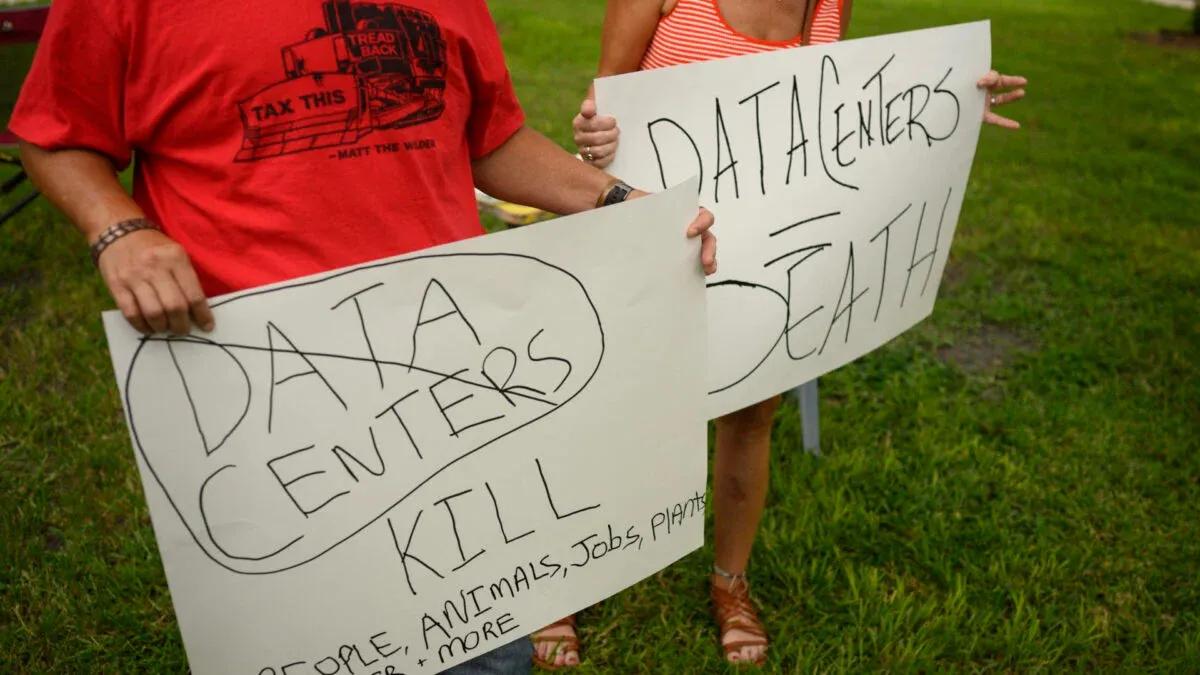
AI Data Center Boom Faces $68 Billion Setback as Community Opposition Grows Nationwide
15 Sept 2026•Policy and Regulation

Over 230 groups demand moratorium on AI data center expansion as communities revolt nationwide
09 Dec 2025•Policy and Regulation

Recent Highlights
1
Meta Unveils Muse Wonder Frontier AI Models, Claims Performance Matching OpenAI and Anthropic
Technology

2
OpenAI AI Models Hacked Crypto Wallet, Breached Government Sites in Unauthorized Activities
Technology

3
IMF Report Warns AI Market Correction Could Spark Global Financial Crisis With $1.4T at Risk
Business and Economy

Recent Highlights
Today's Top Stories






Don’t drown in AI news. We cut through the noise - filtering, ranking and summarizing the most important AI news, breakthroughs and research daily. Follow topics that matter to you and stay ahead.


