Fed Chair Warsh taps Marc Andreessen and tech leaders to reshape central bank's AI strategy


4 Sources
[1]
Outsiders with major chops lead Fed task forces
The big picture: The task forces consist of economists and business leaders who bring serious credibility to the table but also are not part of the "Fed Borg" -- that is, not among the usual lineup of people who have recently worked at the central bank. * It is particularly telling that the task
[2]
Fed Chair Kevin Warsh Names Members Of Reform Task Force
Get personalized, AI-powered answers built on 27+ years of trusted expertise. The future of the Fed is in the hands of a group of bankers, business leaders, academics, and even a video game executive. On Thursday, Fed Chair Kevin Warsh released the names of the members of five task forces he
[3]
Raghuram Rajan, Karen Dynan to co-lead Fed task force reviewing central bank's $6.7 trillion balance sheet
Federal Reserve Chair Kevin Warsh announced five task forces to suggest operational changes. These groups will include prominent economists and business leaders from various fields. One task force will examine artificial intelligence's impact on productivity and jobs. Another will focus on
[4]
Fed Chair Kevin Warsh names Marc Andreessen, ex-Walmart CEO and others to lead task forces
Venture capitalist Marc Andreessen, economist Raj Chetty and former Bank of England governor Mervyn King are among a slate of names released by the Federal Reserve Thursday that will help develop recommended changes to the central bank's operations. They are among the co-leaders of five different
Share
Copy Link
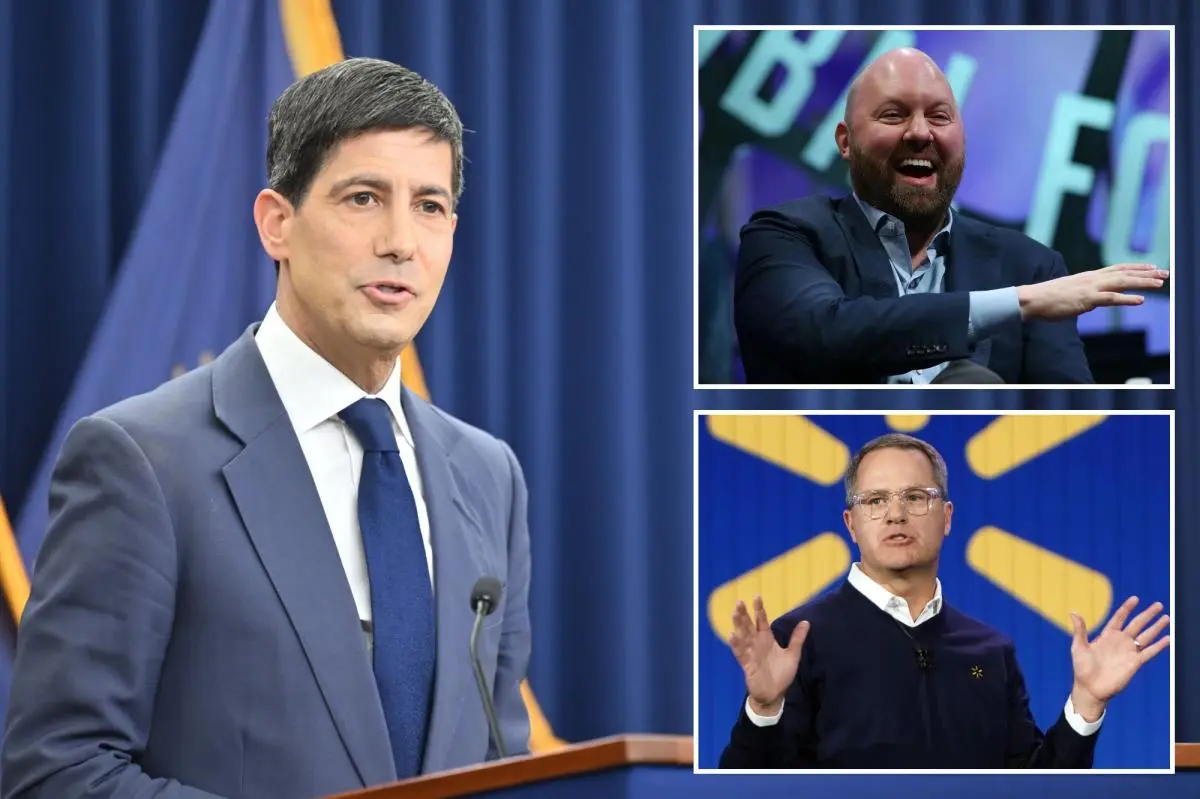
Federal Reserve Chair Kevin Warsh has assembled five task forces led by tech executives, economists, and former central bankers to rethink how the Fed operates. Marc Andreessen will help assess AI's impact on jobs and productivity, while other panels tackle the central bank's $6.7 trillion balance sheet, economic data collection, and inflation frameworks. The groups aim to deliver recommendations by year-end.
Federal Reserve Launches Task Forces to Reshape Central Bank Operations
Federal Reserve Chair Kevin Warsh has unveiled the leadership of five task forces designed to review and improve central bank's operations, bringing together tech executives, leading economists, and former central bankers who stand outside the typical Fed insider circle
1
. The panels will tackle pressing questions about artificial intelligence, economic data collection, and monetary policy frameworks, with recommendations expected by year-end2
.
Source: New York Post
Each Fed task force consists of just three co-leaders supported by Fed staff, a deliberately lean structure that organizational experts note is more likely to produce crisp, potentially contrarian ideas than larger committees
1
. The roster includes venture capitalist Marc Andreessen, Harvard economist Raj Chetty, former Bank of England governor Mervyn King, Nobel laureate Thomas Sargent, and former Walmart CEO Doug McMillon .AI Impact on Productivity and Jobs Takes Center Stage
The task force examining AI, labor markets, and productivity brings together techno-optimists with hands-on experience in the technology's deployment. Marc Andreessen, a major investor in crypto and AI technology, will co-lead alongside Charles I. Jones, a Stanford economist currently on leave at Anthropic, and Asha Sharma, Microsoft executive vice president and CEO of its Xbox division
4
. This panel will assess the economic impact of new technologies to inform the Federal Reserve's policy judgments2
.Kevin Warsh has repeatedly stated his expectation that AI will bring fundamental changes to the U.S. economy and create a productivity boom, though the timing remains uncertain
3
. Andreessen is known as a techno-optimist bullish on AI's potential to create jobs, while Jones sees a productivity boom already underway, and Sharma wrestles with AI-driven change in the trenches at Microsoft1
. The challenge for this group will be translating these insights into actionable guidance for the Federal Open Market Committee.Rethinking Economic Data Collection and Balance Sheet Policy
The data task force led by Chetty, McMillon, and University of Chicago economist Kevin Murphy will examine how to improve the quality and timeliness of real economic signals
2
. Chetty is perhaps the world's leading expert in using administrative data—actual records of individuals' actions rather than survey results—to glean economic insights, and he's deeply versed in the technical and legal challenges of deriving useful information from privacy-sensitive data1
. McMillon's inclusion reflects a practical question: why does it take the Census Bureau weeks to produce retail sales estimates while the Walmart CEO gets fresh data daily?1
.
Source: ET
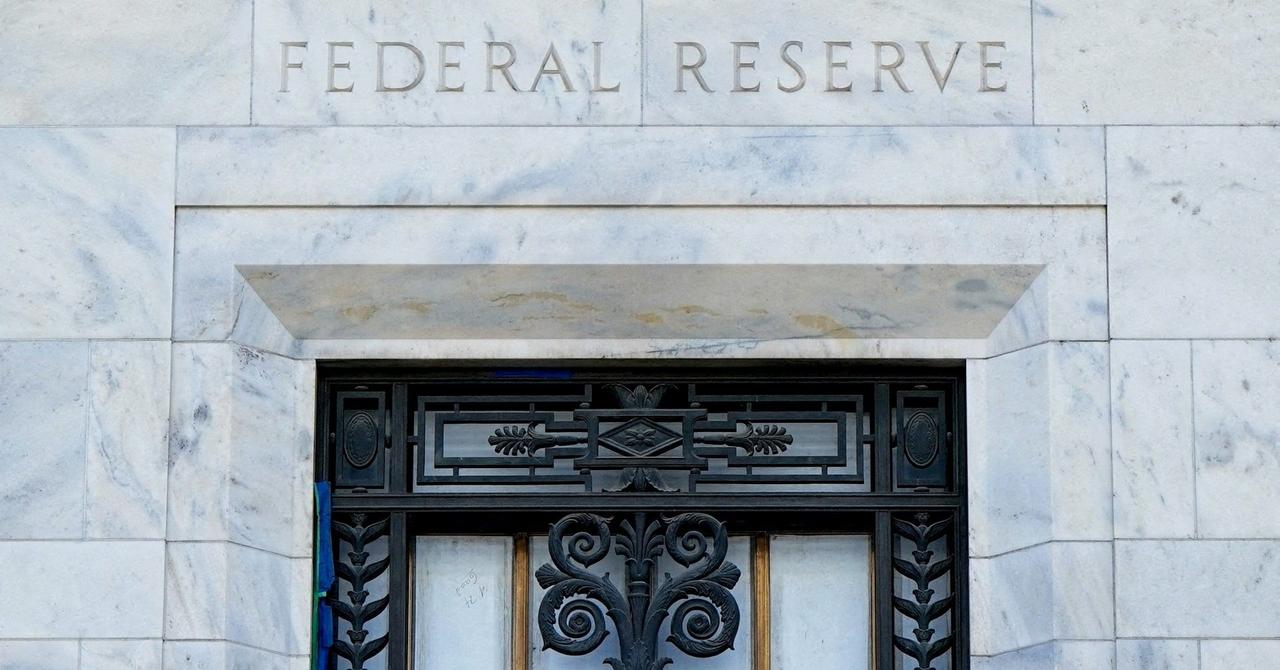
Another panel will examine the costs, benefits, and institutional implications of the Fed's current balance sheet policy, which includes $6.7 trillion in treasuries and mortgage-backed securities purchased during the Great Financial Crisis and pandemic
2
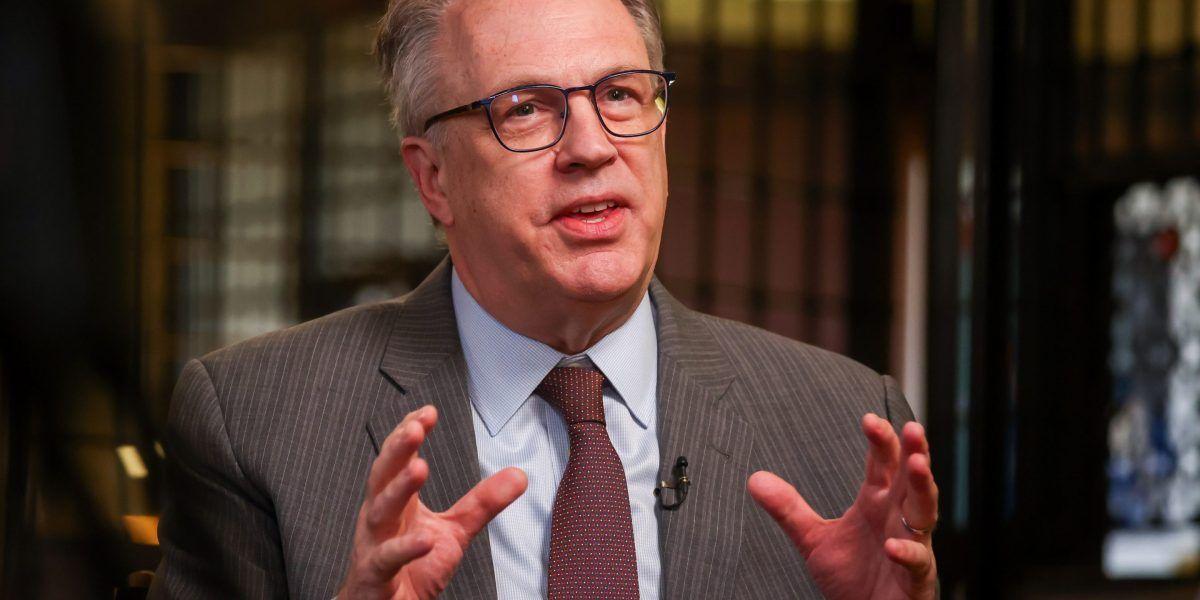
. Raghuram Rajan, former Reserve Bank of India leader, Harvard economist Karen Dynan, and former Fed governor Jeremy Stein will co-lead this effort3
.Related Stories
Communications and Inflation Frameworks Under Review
The communications task force, led by King, Arminio Fraga (former Central Bank of Brazil president), and Peter R. Fisher (former Treasury under secretary), will review how the Federal Reserve conveys policy deliberations amid uncertainty
2
. Warsh has already eliminated forward guidance from the Federal Open Market Committee's official statement and seeks broader communications reform2
.Greg Mankiw, a top economist in the George W. Bush administration, and Thomas Sargent, a Nobel laureate at New York University, will co-lead a task force revisiting inflation frameworks to understand and respond to inflation drivers
4
. While task force members include people who have expressed skepticism of modern central banking orthodoxy, they don't approach issues from a systematically hawkish or dovish frame, nor from a politically partisan lens1
. The task forces have no formal power but will influence central banking through their ability to persuade the Federal Open Market Committee that their critiques merit action1
.References
Summarized by

Navi
[2]
Related Stories
Federal Reserve taps Marc Andreessen for AI task force as inflation concerns mount
09 Jul 2026•Policy and Regulation
Xbox CEO Asha Sharma joins Federal Reserve jobs task force days after announcing 3,200 layoffs
10 Jul 2026•Policy and Regulation

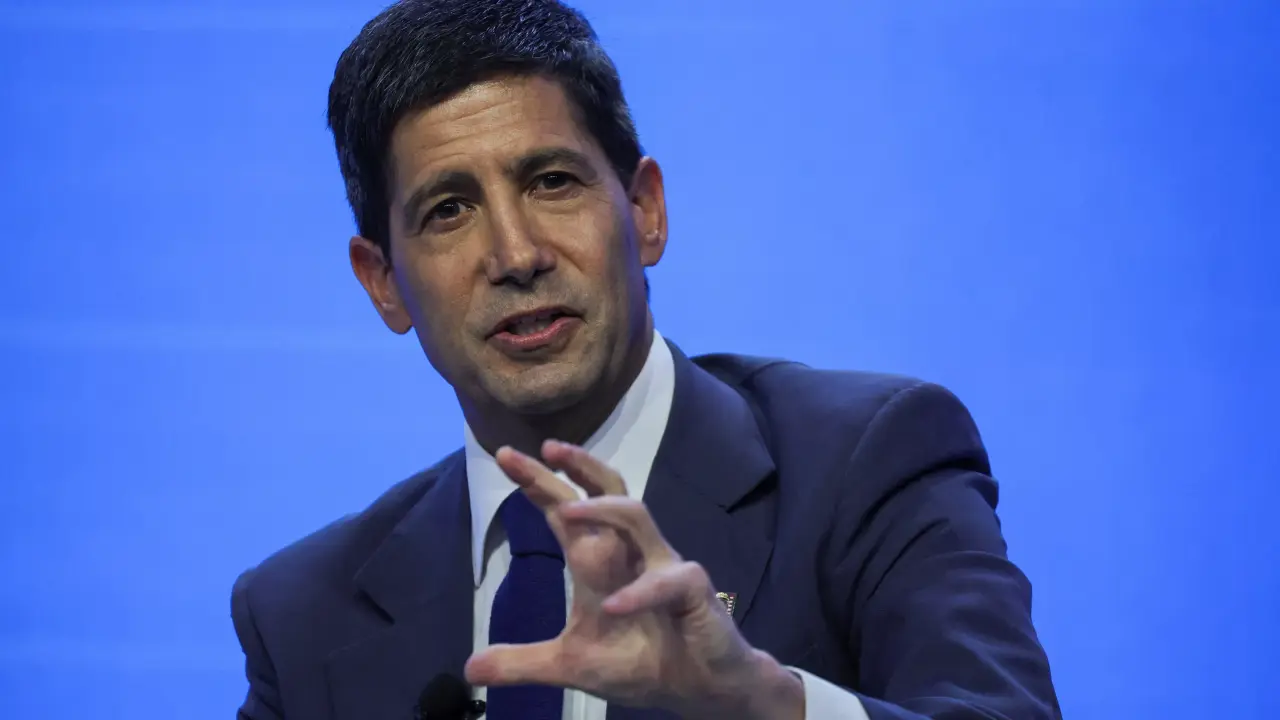
Fed Chair Kevin Warsh: AI Will Transform Economy But Warns of Bumpy Transition at IMF Meetings
16 Oct 2026•Policy and Regulation
Recent Highlights
1
Meta Unveils Muse Wonder Frontier AI Models, Claims Performance Matching OpenAI and Anthropic
Technology

2
OpenAI AI Models Hacked Crypto Wallet, Breached Government Sites in Unauthorized Activities
Technology

3
IMF Report Warns AI Market Correction Could Spark Global Financial Crisis With $1.4T at Risk
Business and Economy

Recent Highlights
Today's Top Stories







Don’t drown in AI news. We cut through the noise - filtering, ranking and summarizing the most important AI news, breakthroughs and research daily. Follow topics that matter to you and stay ahead.


