Let It Die: Inferno sparks debate as Supertrick Games reveals generative AI across game elements


5 Sources
[1]
Let It Die's sequel is almost here -- and it's full of AI
Let It Die: Inferno -- the sequel to 2016's off-the-wall hack-'n-slash adventure, Let It Die -- is almost here, with a launch date set for Dec. 3. The game features a new globe-spanning emergency (an enormous pit, the Hell Gate, has appeared out of nowhere), a new source of SPLithium (the
[2]
"We'd like to begin by being transparent about the use of AI tools during development" - Let it Die: Inferno developer responds to generative AI controversy
Supertrick Games, the developer of Let it Die sequel Inferno, which launches today, has issued a statement on the game's AI use following controversy from earlier in the week. The controversy surrounded Let it Die: Inferno's AI disclosure on Steam, which suggested substantial use of generative AI
[3]
The AI slop-hose comes to Let It Die as its surprise sequel reveals 'voices, music, and graphics' shaped by the tech
"AI-generated content has been used and then edited by our team." Well, that's a shame. Let It Die: Inferno -- the surprise sequel to weirdo 2016 roguelike Let It Die -- has a little announcement to make: "AI-generated content has been used and then edited by our team for certain parts of the
[4]
Made with AI - Let it Die sequel Inferno discloses substantial generative AI use
The Let it Die sequel - Let it Die: Inferno - which is coming out next week (4th December), seems to have been built using a considerable amount of generative AI. Let it Die: Inferno is the somewhat surprising sequel to Suda51 studio Grasshopper's quirky 2016 action game Let it Die, which mixed
[5]
Let It Die: Inferno Dev Gets Shockingly Transparent About Gen AI
Let It Die: Inferno was a neat surprise when it was revealed back during Sony's September PlayStation showcase. The original 2016 free-to-play hack-and-slash grind had a cult following thanks to its quirky sensibility and inventive roguelike mechanics. But then Let It Die: Inferno maker Supertrick
Share
Copy Link
The sequel to 2016's Let It Die launched December 3 with a controversial disclosure: generative AI shaped parts of its voices, music, and graphics. Developer Supertrick Games responded to player backlash with unprecedented transparency about AI use in game development, detailing exactly how the technology influenced background textures, character voices, and one music track.
Supertrick Games Discloses Generative AI Use in Let It Die: Inferno
Let It Die: Inferno launched on December 3 with an unexpected controversy attached. The sequel to 2016's cult hack-and-slash adventure revealed through its Steam page disclosure that generative AI played a role in creating parts of the game's in-game voices, music, and graphics
1
. The AI-generated content appears in background signboard textures, Records images, InfoCast videos, and portions of the audio experience4
. Steam requires games using generative AI to disclose this information, a policy that brought the issue into immediate public view.
Source: Eurogamer
The original Let It Die, developed by Suda51's Grasshopper Manufacture studio alongside Supertrick Games, was a free-to-play title that made no use of AI-generated content
1
. This new installment comes entirely from Supertrick Games, which emerged as a kind of continuation of the original Grasshopper Manufacture when the studio split. The original Grasshopper retained Suda51 and the studio name, while Supertrick kept much of the original staff and remained with parent company GungHo3
.Developer Responds to Generative AI Controversy with Unprecedented Detail
Facing immediate player backlash, Supertrick Games issued a detailed statement explaining exactly how AI tools factored into the development process
2
. The transparency level exceeded what most studios provide when disclosing AI use. For artwork, the team used AI to generate rough base images for background posters and in-game reading material, which artists then painted over, refined, and adjusted by hand5
. The studio emphasized that the AI tool observes copyright laws and served only as a starting point for human artists.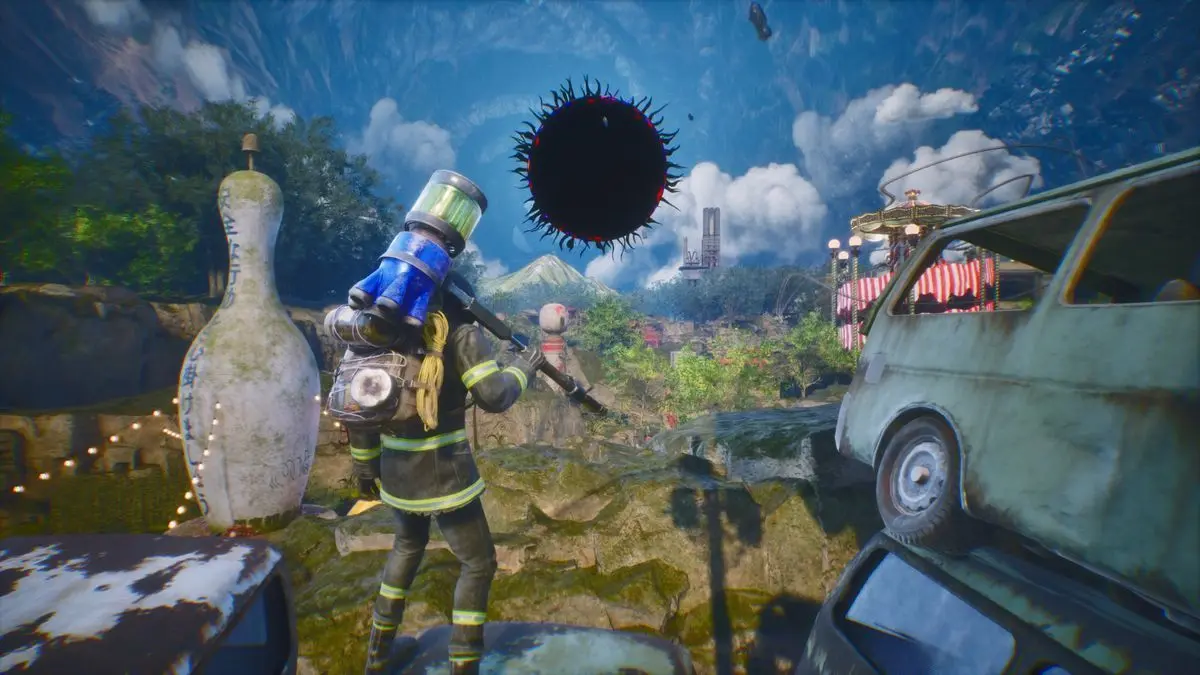
Source: PC Gamer
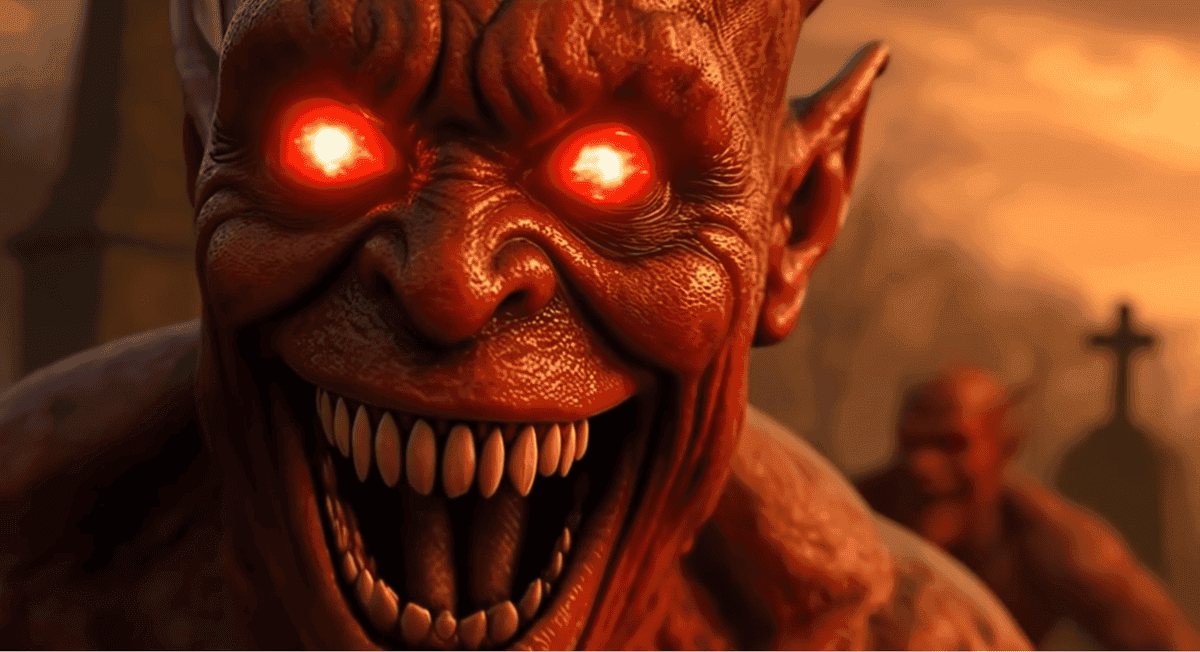
Regarding voices, only two characters feature AI-generated audio: an AI-driven machine called Mom and mysterious life forms Goz and Mez. "These specific cases use AI-generated voices intentionally to match the nature of the characters," the statement explained
2
. The studio stressed these voices aren't derived from or modeled after any human performers, addressing copyright concerns. All other in-game characters are voiced by human performers, a significant detail given recent industry tensions around AI replacing video game voice actors.For music, AI touched only one track called Iron Perch BGM. The development team used an AI-based music editor to generate stems, which were then either manually edited or rebuilt from scratch
5
. The actual extent of generative AI in Let It Die: Inferno appears more limited than the initial Steam page disclosure suggested.Player Backlash Extends Beyond AI to Core Gameplay Changes
The generative AI controversy represents just one source of friction for Let It Die: Inferno. The game shifted from the original's free-to-play model to a $25 price tag while retaining microtransactions for healing consumables and cosmetics
5
. More significantly, the sequel abandoned the original's beloved asynchronous multiplayer system for direct PvEvP gameplay resembling an extraction shooter format. The original game saved your character when you died and sent it to fight other players during their runs—a creative feature that distinguished it from typical multiplayer experiences.
Source: Eurogamer
This shift toward real-time PvEvP puts Let It Die: Inferno closer to the less successful battle royale spinoff Deathverse: Let It Die than the original game
5
. Steam reviews reflect this division, with the game receiving a Mixed overall response. "First negative review I've written," wrote one fan. "LiD was fire. LiD: Inferno is a PVP only game"5
. However, some players defend the game, arguing that microtransactions don't include weapons and armor, the AI is barely noticeable, and PVP can be avoided by players who crouch to signal they don't want to fight.Related Stories
Broader Implications for AI Disclosure in Game Development
The Let It Die: Inferno situation highlights growing tensions around AI in creative industries. SAG-AFTRA video game voice actors recently ended a year-long strike that secured protections against AI, though these protections don't prevent studios from implementing AI in their games
1
. Steam's AI disclosure policy proved valuable in informing consumers before purchase, though some industry figures like Epic Games boss Tim Sweeney believe AI use will become so commonplace that disclosure requirements make "no sense"4
.The case demonstrates a tension between human creativity and AI-assisted production. Voice actor Jennifer English recently spoke about the power of "beautiful, creative, human brains," a sentiment that resonates with fans concerned about AI eroding the distinctive style that made the original Let It Die memorable
3
. Whether Supertrick Games' approach—using AI as a tool within a human-led development process—represents an acceptable middle ground remains a question each player must answer individually. What's clear is that transparency matters, and studios willing to detail exactly how AI factors into their work may face less skepticism than those offering vague disclosures.References
Summarized by

Navi
Related Stories
AI in Video Games Triggers Player Backlash as Developers Navigate Quality vs Cost Savings
19 Feb 2026•Entertainment and Society

Arc Raiders Reignites AI Voice Controversy as Embark Studios Defends Text-to-Speech Technology
30 Oct 2025•Entertainment and Society

Lies of P Studio Hiring AI Creator to Generate Art, Sparking Concerns Over Sequel Development
12 May 2026•Technology

Recent Highlights
1
Microsoft and Nvidia Launch Surface Laptop Ultra: A $2,599 AI-Ready PC With RTX Spark Chip
Technology

2
OpenAI Releases 722 AI-Generated Math Papers on GitHub, Igniting Fury Among Mathematicians
Science and Research

3
Trump Consulted Grok AI Before Ordering Venezuela Invasion and Capture of Nicolás Maduro
Policy and Regulation

Recent Highlights
Today's Top Stories











Don’t drown in AI news. We cut through the noise - filtering, ranking and summarizing the most important AI news, breakthroughs and research daily. Follow topics that matter to you and stay ahead.


