Logitech CEO says AI gadgets are chasing problems that don't exist, focuses on practical integration


4 Sources
[1]
AI gadget makers are chasing problems that don't exist, Logitech CEO says -- also details supply chain and pricing strategy
Hanneke Faber argues that dedicated AI devices have yet to justify themselves as Logitech focuses on practical integrations. Logitech's chief executive officer is questioning the widsom of rushing into standalone AI hardware. In an interview with Bloomberg, marking her second anniversary in the
[2]
Logitech rejects AI gadgets: 'A solution looking for a problem that doesn't exist'
Logitech's CEO says that it isn't interested in making a singular "AI" gadget, like the Rabbit R1 or Humane Pin. From graphics cards to mid-sized cars, you can't find any new electronics that don't claim to be "AI-powered" in some way. That includes Logitech's mice and keyboards, some of which are
[3]
'A solution looking for a problem that doesn't exist': Logitech CEO blasts AI gadgets - and most people think that's being generous
Could Jony Ive's collaboration with OpenAI change people's minds? Startups around the globe are trying to create the next big hardware product that sees the iPhone-ification of a dedicated AI device. We've seen plenty of failed attempts from the Rabbit R1 to the Humane Pin, and now Logitech CEO
[4]
Logitech CEO questions AI devices, calling them 'solutions looking for problems'
Logitech backs subtle AI upgrades over risky standalone hardware experiments The AI hardware boom has produced some of the most ambitious and most short-lived products in recent tech history. While companies chase the next breakthrough gadget, consumers are asking a simpler question: what problem
Share
Copy Link
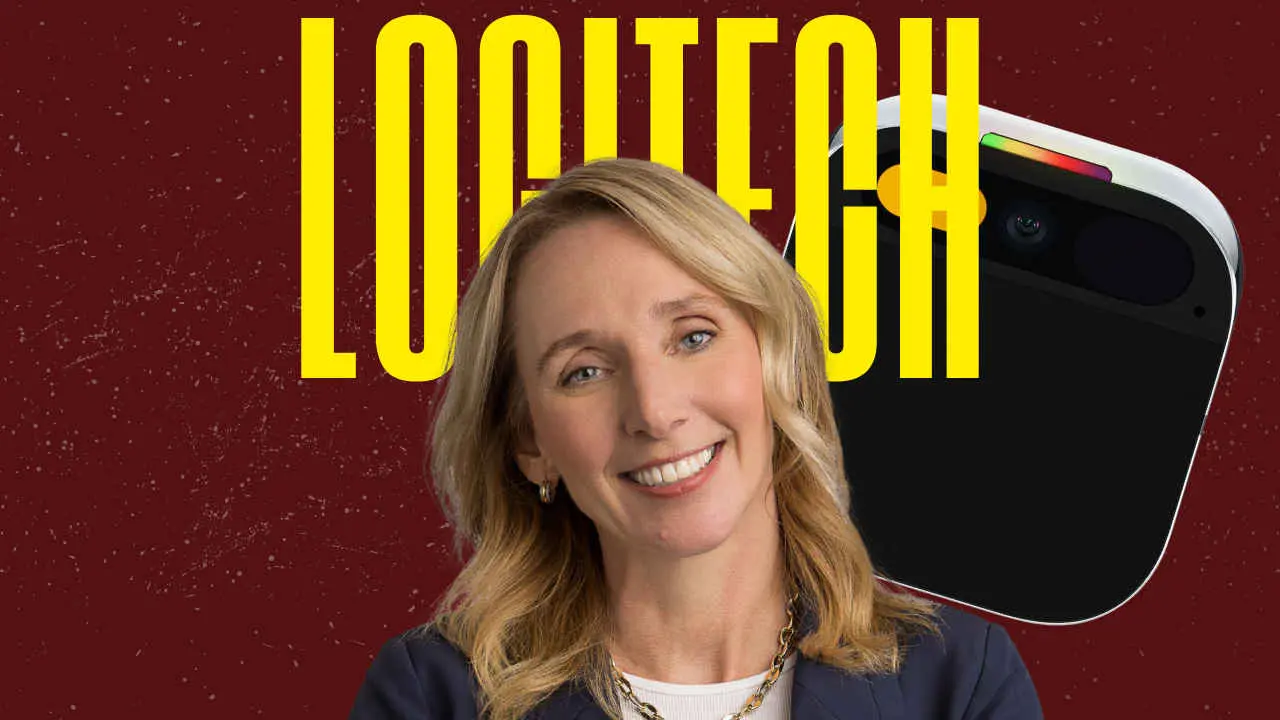
Hanneke Faber, Logitech's CEO, criticized standalone AI hardware like the Humane AI Pin and Rabbit R1, calling them solutions looking for problems that don't exist. Instead, Logitech is embedding AI features into traditional peripherals like the MX Master 4 mouse with ChatGPT shortcuts, arguing that phones and PCs already handle what dedicated AI assistants promise.
Logitech CEO Questions the Rush Into Standalone AI Hardware
Hanneke Faber, marking her second anniversary as Logitech's chief executive, has delivered a pointed critique of the AI gadgets flooding the market. In an interview with Bloomberg, Faber described the wave of standalone AI hardware as "a solution looking for a problem that doesn't exist," a sentiment that resonates with growing consumer skepticism
1
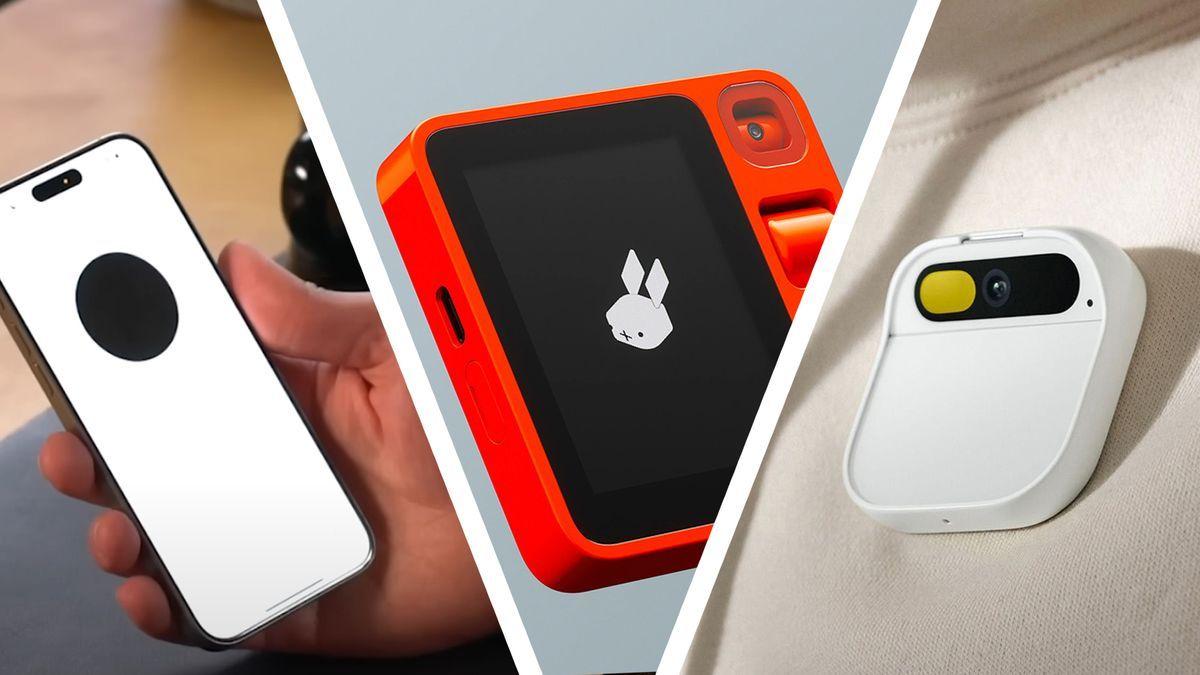
. Her comments arrive after several high-profile failures in the dedicated AI assistants category, including the Humane AI Pin—acquired by HP in February following widespread criticism—and the Rabbit R1, both of which launched with ambitious promises but struggled to justify their existence2
.
Source: Digit
The Humane AI Pin and Rabbit R1 attempted to replace parts of the smartphone experience through screenless or companion-style interfaces. Instead, they drew criticism for slow performance, limited features, overheating issues, and subscription-driven pricing that failed to deliver clear user utility . According to Faber, these early efforts solve little that a phone or PC cannot already handle, a view gaining traction as smartphones incorporate larger on-device models and tighter integrations with cloud assistants
1
.
Source: TechRadar
Logitech AI Strategy Focuses on Practical Feature Integration
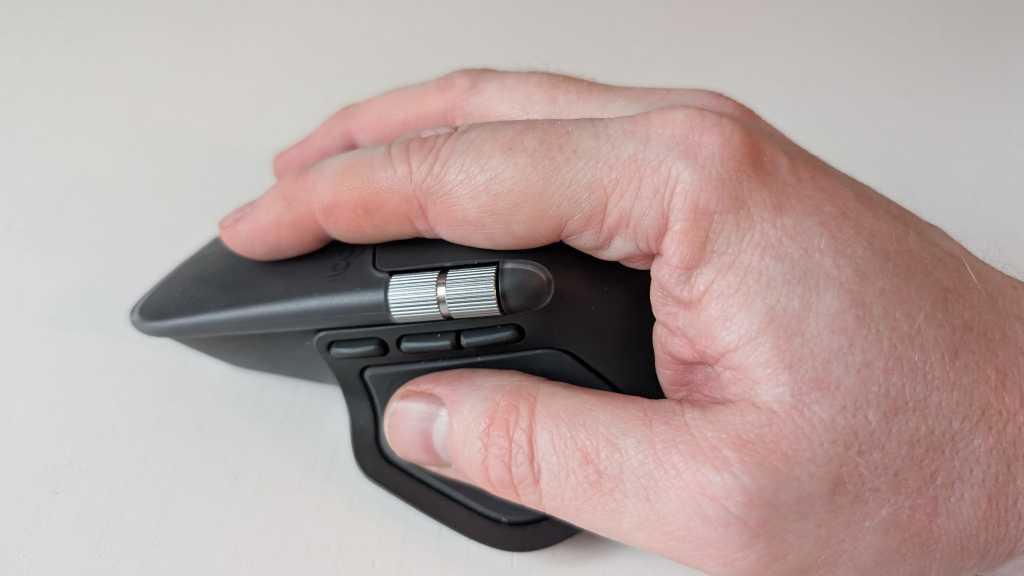
Rather than building a new class of hardware around conversational AI, Logitech has been introducing AI feature integration that sits inside established categories. The company's webcams already use subject-aware framing and noise filtering, while the recently announced MX Master 4 mouse includes shortcuts that tie directly into ChatGPT and Microsoft Copilot
1
. Logitech also offers an AI Prompt Builder that integrates with its Logi Options+ management app, allowing triggered actions on most mid-range and high-end keyboards and mice2
.
Source: PCWorld
Faber framed this approach as a matter of discipline: the company ships roughly three dozen products each year and follows a roadmap planned for several cycles ahead, so additions must justify themselves within familiar workflows
1
. This product strategy respects how people actually use technology—through familiar tools that get incrementally better rather than inventions requiring entirely new habits4
.AI Hardware Criticism Reflects Broader Market Skepticism
The AI hardware criticism voiced by Faber echoes widespread consumer sentiment. In Reddit discussions following her Bloomberg interview, users expressed frustration with AI-dedicated devices, with one highly upvoted comment noting that voice interaction remains a terrible interface and that talking to gadgets can be slower and clunkier than tapping a screen . This market skepticism reflects a broader reality: consumers gravitate toward AI experiences that feel effortless, mostly through software in phones, laptops, and apps, while hardware only succeeds when it offers clear, consistent advantages
4
.The timing of Faber's comments is notable as other large firms explore their own hardware concepts. OpenAI's acquisition of a startup co-founded by Jony Ive has fueled speculation about a consumer device built around generative models
1
. Whether that will avoid the pitfalls that dogged earlier launches remains unclear, but Faber's assessment underlines how difficult it is to create demand for standalone AI hardware when multifunction devices continue to carry out the same capabilities .Related Stories

Supply Chain Stability and Pricing Strategy Shape Logitech's Position
Beyond AI, Faber addressed Logitech's operational positioning. The company raised prices early in the year following tariff changes, with some devices seeing increases of around 25 percent in early 2025
2
. However, Logitech does not expect further increases now that it has stabilized its supply chain across China and five additional countries1
. Faber described the diversification as a factor in restoring consistency across the firm's 13 product categories, most of which have returned to volumes near their pandemic peaks, with particularly strong growth in China helped by a locally led approach1
.Faber's perspective offers a course correction for the AI industry boom. The message is not that AI hardware has no future, but that innovation needs context and should not be pursued for its own sake
4
. As the AI wave matures, the next generation of successful AI products might not be the boldest devices but the ones that solve real problems in simple, reliable ways, strengthening existing computer peripherals ecosystems rather than experimenting with fragile new ones.References
Summarized by

Navi
[1]
Related Stories
Dell admits consumers don't care about AI PCs as Microsoft's Copilot strategy falters
07 Jan 2026•Technology

OpenAI's first hardware device is a screenless AI smart speaker launching in 2027
15 Jul 2026•Technology
OpenAI and Jony Ive's AI Device: Ambitious Vision Meets Real-World Challenges
07 Oct 2025•Technology

Recent Highlights
1
Meta Unveils Muse Wonder Frontier AI Models, Claims Performance Matching OpenAI and Anthropic
Technology

2
IMF Report Warns AI Market Correction Could Spark Global Financial Crisis With $1.4T at Risk
Business and Economy

3
OpenAI Releases 722 AI-Generated Math Solutions, Triggering Existential Crisis in Mathematics
Technology

Recent Highlights
Today's Top Stories








Don’t drown in AI news. We cut through the noise - filtering, ranking and summarizing the most important AI news, breakthroughs and research daily. Follow topics that matter to you and stay ahead.


