Marissa Mayer Faces Backlash for Using Dazzle AI to Describe Daughter


5 Sources
[1]
Marissa Mayer defends using her Dazzle AI to describe her daughter
The former Yahoo boss says her startup's camera-roll assistant found details she had forgotten. She told The New York Times she hadn't thought through an AI-planned family life. Marissa Mayer has defended using her startup's AI assistant to describe her own daughter, after a New York Times profile
[2]
Former Yahoo CEO Needed AI to Help Describe What Makes Her Own Daughter Special
Marissa Mayer, the original Silicon Valley girlboss, is back with a new artificial intelligence tool specifically for moms. Specifically, moms who don't really like doing mom stuff. In a profile of Mayer and her new AI assistant, called Dazzle, the New York Times provided an anecdote, presumably
[3]
Former Yahoo CEO Marissa Mayer Says She Used AI to Identify What's Special About Her Daughter
As new AI tools sprout up like weeds, it's becoming remarkably commonplace for people of all walks of life to outsource their social interactions to the whims of the computer. But for former Google exec and CEO of Yahoo Marissa Mayer, AI is doing a lot more than just making dinner reservations --
[4]
Why Marissa Mayer's AI parenting anecdote received such a strong reaction on social media
The former Yahoo CEO aimed to showcase the abilities of her new startup, but consumers have long grown wary of outsourcing tender moments to AI. Many people use AI for routine tasks like drafting emails or answering quick questions. But former Yahoo CEO Marissa Mayer used it for something that
[5]

Ex-Yahoo CEO Marissa Mayer under fire for bragging about birthday tribute to daughter -- written by AI: 'Who would do this?'
Marissa Mayer may be a tech visionary as the former CEO of Yahoo and Google's first female engineer, but there's one simple task she couldn't handle on her own. Describing her 10-year-old daughter. Ahead of her daughter Marielle's 10th birthday, a teacher asked Mayer for three bullet points
Share
Copy Link
Former Yahoo CEO Marissa Mayer sparked controversy after revealing she used her Dazzle AI startup to identify what makes her 10-year-old daughter special. The admission in a New York Times profile drew sharp criticism on social media, with users questioning whether AI should handle intimate parenting moments.
Marissa Mayer Defends Using Dazzle AI for Daughter's Birthday Tribute
Marissa Mayer, former Yahoo CEO and Google's first female engineer, ignited a social media firestorm after revealing she used Dazzle AI to describe what makes her 10-year-old daughter Marielle special
1
. When her daughter's teacher requested three bullet points celebrating the girl for her birthday, Mayer turned to her startup's AI camera-roll assistant instead of crafting the response herself2
. The AI personal assistant returned generic descriptors: empathetic, creative, and an animal lover3
.The admission appeared in a New York Times profile showcasing Mayer's AI startup, Dazzle, which raised $8 million in seed funding and launched in September with a valuation of $35 million
4
. The anecdote, seemingly intended to demonstrate the tool's capabilities, instead triggered widespread criticism about AI parenting and outsourcing tasks that require personal reflection5
.Public Backlash and Social Media Response
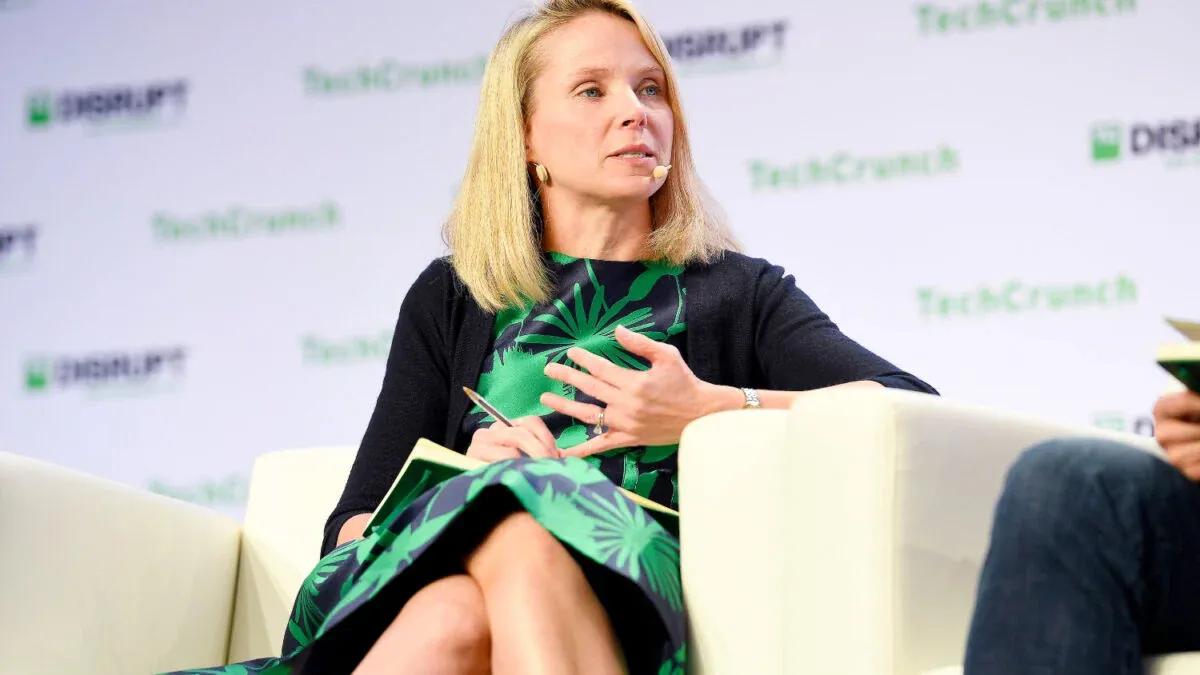
Political commentator Keith Edwards captured the prevailing sentiment on X, writing "This is so bleak" in a post that garnered 1.9 million views and hundreds of comments
4
. Users questioned why the former Yahoo CEO needed AI assistance for such a simple task. One user noted, "that's the type of thing we expect elementary school children to be able to come up with on the fly"4
.
Source: Gizmodo
The social media backlash extended across platforms. Reddit users criticized Mayer for not knowing her daughter well enough to provide three descriptors independently. "I guess she doesn't even know her own daughter if she thinks this is perfect," one user wrote, adding that the AI-generated response "describes a generic 10-year-old kid"
5
. Others expressed hope the anecdote was exaggerated for promotional purposes, with one stating, "the best case scenario is that this is a lie made up for the article"4
.Marissa Mayer's Response and Clarification
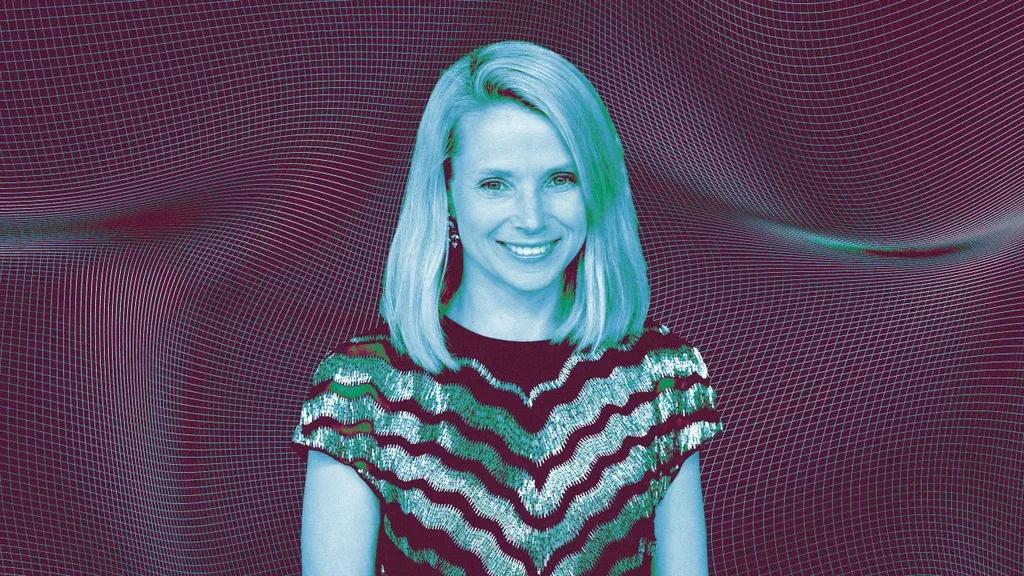
Responding to the controversy on X, Marissa Mayer clarified her intentions. "To be clear, I didn't use Dazzle because I was overwhelmed by making a slide. I used it because summing up your child in a few bullets feels laughably limiting," she wrote
4
. She explained that her team had just gotten an early prototype running, and she wanted to test its capabilities1
.
Source: Fast Company
Mayer revealed that the AI camera-roll assistant distinguished between her identical twin daughters and surfaced forgotten kindergarten projects from camera roll photos, connecting past memories with present characteristics
1
. She stated she combined Dazzle's suggestions with her own observations for the final presentation1
.Understanding Dazzle AI and Its Target Market
Dazzle operates differently from conventional AI personal assistant tools. Rather than accessing texts, emails, and documents, the proactive assistant analyzes camera roll photos to understand user preferences, style, hobbies, and loved ones
2
. Users snap photos as starting points, and the AI suggests next actions, from purchasing items to scheduling repairs or suggesting recipes2
.Marissa Mayer's AI startup specifically targets female users. "Women, this is my own bias, tend to take more photos and are more visual, and so being able to work with AI in a visual medium is fun," Mayer told the New York Times
1
. The company employs 10 engineers and competes with personal AI agents like Meta's Muse, which has 10 million users1
.Related Stories
Gender Biases in AI and the "AI Wife" Concept
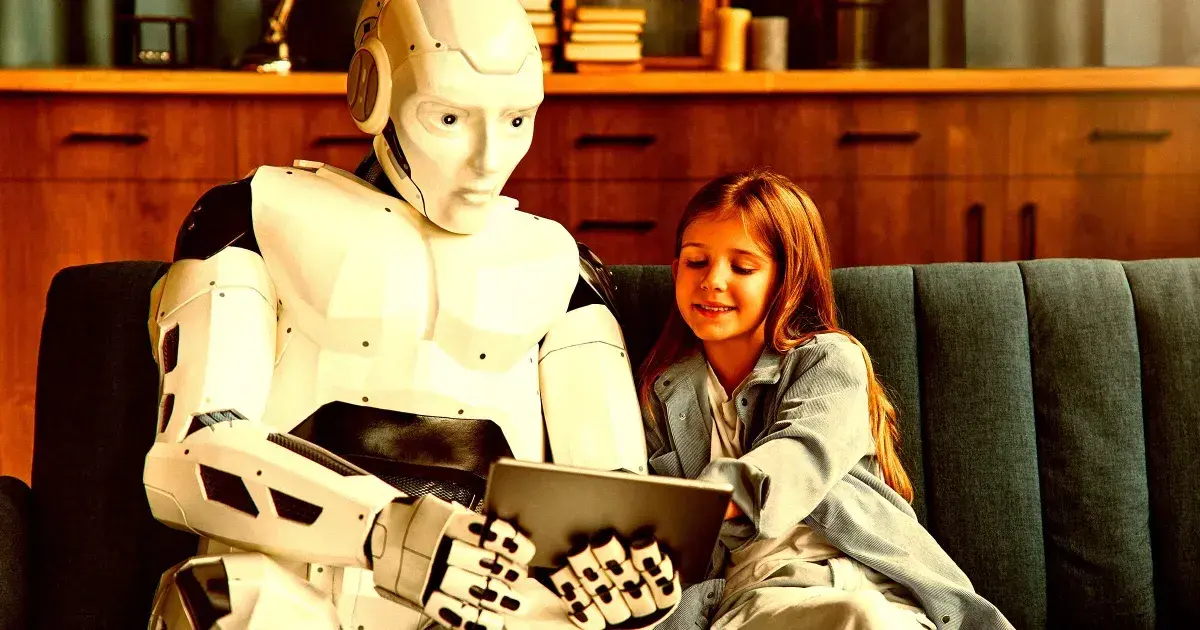
The New York Times suggested Dazzle could function as "an AI wife, an emotional labor bot" for overextended professional women
2
. This framing sparked additional debate about gender biases in AI development and whether the solution to women's underrepresentation in AI should involve reinforcing traditional roles around emotional labor2
.Mayer acknowledged that women have largely been left behind by AI, with most developers being men who impose conscious and unconscious biases onto training data and model interactions
2
. Studies show AI models produce misogynistic and sexist outputs, and women engage with AI less frequently than men2
. When asked about the small number of women leading AI companies, Mayer named Fei-Fei Li, who sold World Labs to AMD, and expressed belief that gender balance "will come in time"1
.
Source: New York Post
Broader Implications for AI in Personal and Family Contexts
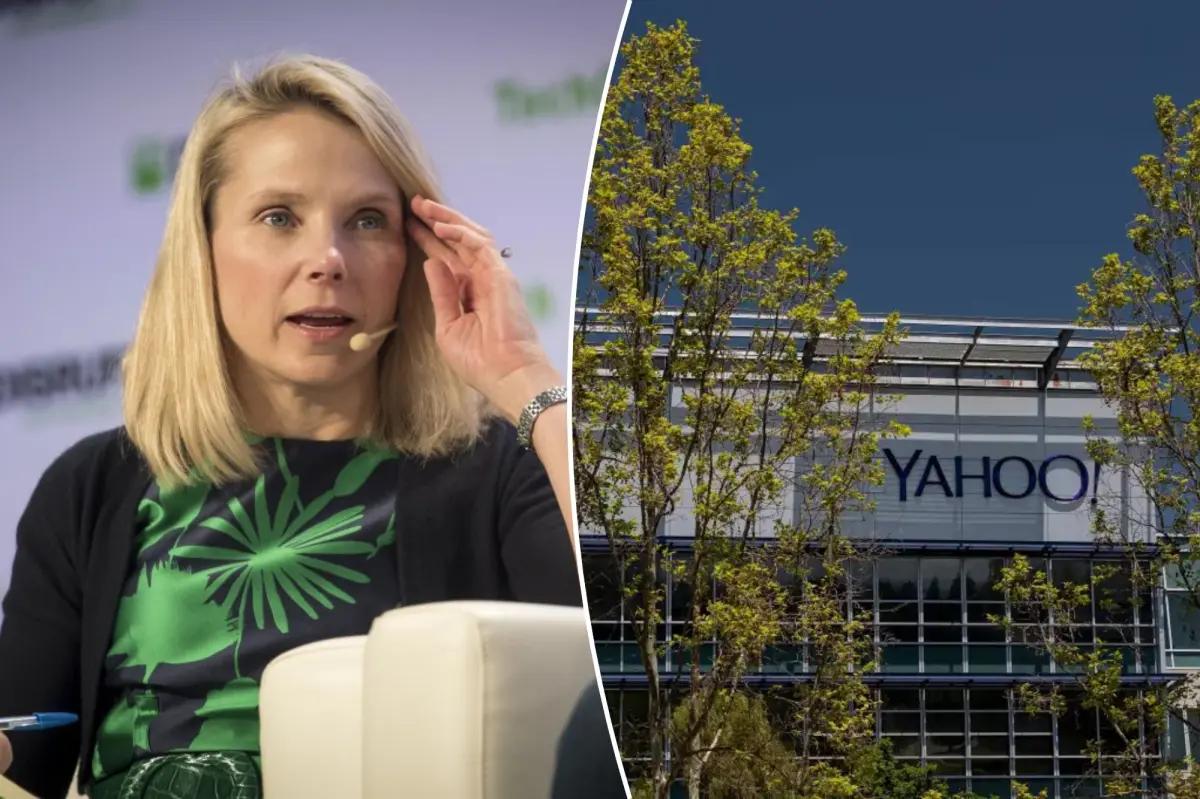
The controversy highlights growing concerns about the societal role of AI in intimate moments. Google faced similar backlash two years ago over a commercial depicting a father using AI to write his daughter's fan letter, ultimately pulling the advertisement
4
. These incidents raise questions about what society risks when outsourcing tasks requiring personal reflection to machines.Mayer has admitted to using Dazzle for extensive AI parenting applications beyond describing her daughter. She relies on the tool for planning sleepovers, organizing birthday parties, and everyday family management
3
. When planning her 14-year-old son Macallister's birthday, Dazzle recommended a glow-in-the-dark theme with phosphorescent corn hole, which her son found excessive3
. "The play dates are better, the travel is better," Mayer claimed3
.When asked whether it was depressing to imagine AI planning birthdays, gifts, and family holidays, Mayer admitted, "I haven't really thought that through"
1
. This candid response underscores the tension between technological capability and thoughtful implementation in personal contexts. One X user captured the concern: "The future of our civilization depends on our continued ability to use our own brains, at least a little bit"4
.References
Summarized by

Navi
[3]
[4]
Related Stories
Marissa Mayer's Dazzle secures $8M to build next-gen AI personal assistant for consumers
24 Dec 2025•Startups

Sam Altman's ChatGPT Parenting Podcast Idea Gets 122,000-Like Backlash From Alex Hirsch
01 Aug 2026•Entertainment and Society
Marissa Mayer Shuts Down Sunshine, Launches New AI Startup Dazzle
29 Sept 2025•Startups

Recent Highlights



Recent Highlights
Today's Top Stories


Don’t drown in AI news. We cut through the noise - filtering, ranking and summarizing the most important AI news, breakthroughs and research daily. Follow topics that matter to you and stay ahead.


