Meta AI campaign pushes optimism while competitors warn of dystopian AI futures


6 Sources
[1]
Meta launched a new AI optimism ad set to a song about human extinction
Meta's newest advertisement begins with a black-and-white shot of an eye, showing us what someone sees as they read countless panicked headlines about how AI is going to take our jobs, isolate us, and spark a global crisis. "Some people will have you believe AI is going to make us feel less
[2]
Meta's pro-AI ad campaign is conspicuously light on AI - Engadget
Meta's pro-AI ad campaign is conspicuously light on AI The company wants people to be anti-doomer, but doesn't say why. Mark Zuckerberg really wants you to believe that AI is good, actually. But the centerpiece of his company's new "optimistic" ad campaign, at least for now, is a one-minute
[3]
Zuckerberg launches an AI-optimism campaign, jabs the doomers
Mark Zuckerberg has a new pitch for the AI age: optimism, delivered as an ad campaign. In a Facebook post and a slick video, Meta's boss cast his rivals as fear-mongers and Meta as the company "betting on people." It is a bold reinvention for a firm better known for the last tech backlash. The AI
[4]
Mark Zuckerberg launches AI optimism campaign
Why it matters: His position is framed as a stark contrast to some of Meta's AI competitors, who -- according to a video ad posted with Zuckerberg's comments -- promote fear and a dystopian vision of the future. * "Some people will have you believe AI will make us less connected, that it's going
[5]

'Call us whatever the hell you want': Mark Zuckerberg just launched an AI optimism blitz using nostalgia to sell Meta's AI future amid backlash | Fortune
"As we enter this next wave with AI, we continue to believe the future is for everyone," Meta CEO Mark Zuckerberg wrote as the caption to a short video on Thursday, harkening back to the company's early years of tech optimism. "Call us optimists, call us dreamers, call us whatever the hell you
[6]

Meta's Mark Zuckerberg pushes back against AI doomerism with optimistic new campaign: 'Call us dreamers'
Meta CEO Mark Zuckerberg is pushing back against AI doomerism, sharing an assertively optimistic outlook on the future of the tech and arguing his company's new tools will only aid its goal of connecting the world. A Facebook video posted from his account takes aim at narratives that portray
Share
Copy Link
Mark Zuckerberg launched Meta's new AI optimism campaign, positioning the company against AI doomers who warn of job losses and societal risks. The ad showcases nostalgia and human connection but features minimal AI technology and controversially uses David Bowie's "Five Years"—a song about human extinction—as its soundtrack.
Mark Zuckerberg Launches AI Optimism Campaign Against Doomer Narratives
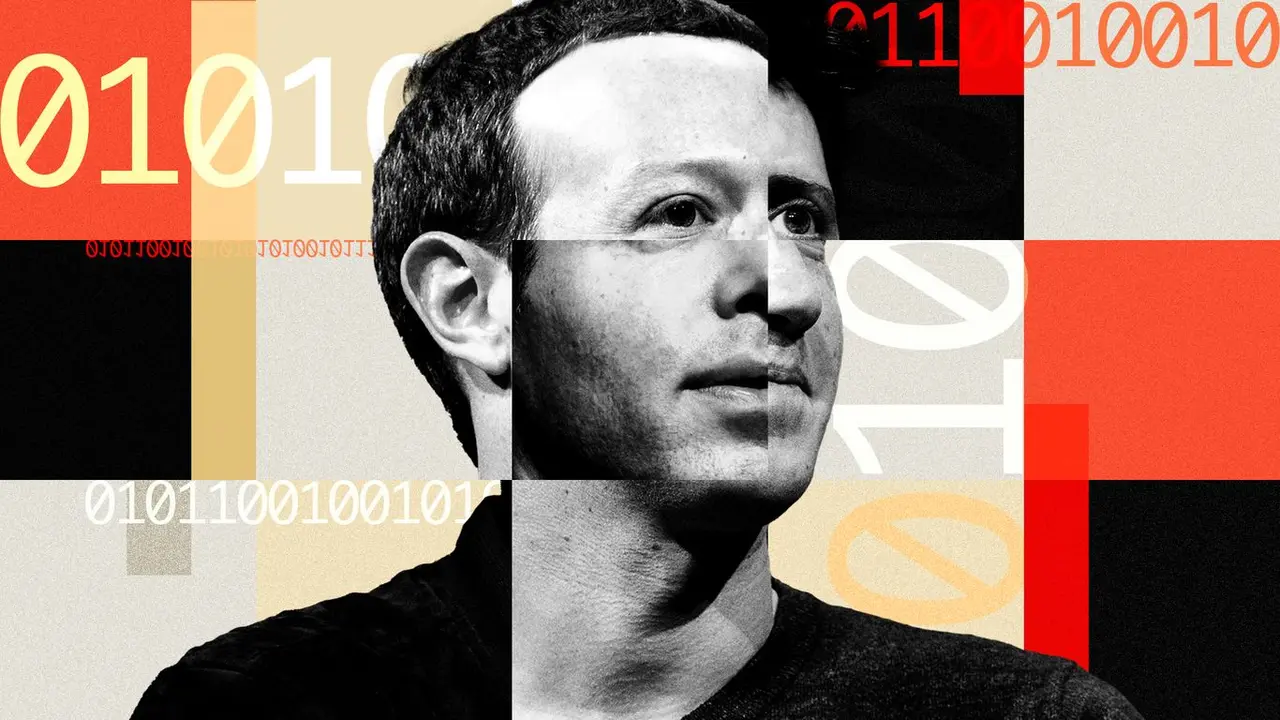
Mark Zuckerberg has launched a bold Meta AI campaign designed to reframe the conversation around artificial intelligence, positioning his company as the optimistic counterweight to what he characterizes as fear-mongering competitors
1
. The centerpiece is a one-minute video ad that declares "some people will have you believe AI will make us less connected, that it's going to leave us behind. We couldn't disagree more"2
. This AI optimism campaign arrives as part of a broader paid and earned media effort, according to sources familiar with the initiative4
.
Source: Axios
"Call us optimists, call us dreamers, call us whatever the hell you want, but we're betting on people, and we like those odds," the voiceover proclaims, attempting to counter AI doomer narratives that have dominated recent discourse
3
. In his Facebook post accompanying the video, Zuckerberg wrote that "Meta has always believed in giving people the power to share, connect, and shape your world," adding that "as we enter this next wave with AI, we continue to believe the future is for everyone"4
.Meta's New Ad Campaign Features Minimal AI Technology
Despite being designed to promote Meta's AI future, the advertisement is conspicuously light on actual AI features. The video shows nondescript footage of crowds walking, people smiling, and couples dancing, with brief glimpses of Facebook, Instagram, and WhatsApp—all platforms that have been flooded with AI features over the past year, yet none are visible in the commercial
2
. There's a fleeting moment showing "Muse Spark," Meta's latest AI model, on a laptop screen, and the Meta AI interface appears briefly, but there's no indication of what these tools actually do or why they matter to viewers2
.The final 15 seconds prominently feature Meta's smart glasses, including new Kylie Jenner-branded frames, with POV footage captured from Oakley Meta glasses—but again, no references to AI capabilities
2
. Marketing experts suggest this reliance on nostalgic imagery seems designed to redirect attention from AI concerns. "They're showing people having a great time, but they're not really responding to what the fundamental issue is, which is how is AI going to impact me," Mara Einstein, a media studies professor at CUNY's Queens College, told Fortune5
.David Bowie Soundtrack Controversy Undermines Optimistic Vision of AI
The strangest aspect of Meta's new ad campaign is its musical choice: David Bowie's "Five Years," a song explicitly about human extinction
1
. The lyrics preceding the section used in the ad state: "News had just come over / We had five years left to cry in / News guy wept and told us / Earth was really dying"1
. This contradictory musical choice appears to have sailed past everyone at Meta who signed off on the campaign, including the CEO himself1
.
Source: TechCrunch
The irony extends beyond the soundtrack. This is the same company that has used AI as justification for laying off thousands of staff, been accused of using AI to justify cuts disproportionately affecting workers on medical leave, and is being sued by publishers for allegedly training AI on copyrighted material
2
. Last week, Meta employees sued the company for allegedly using AI in recent layoffs targeting 8,000 workers, while employees at Meta's Applied AI unit compared working conditions to a "gulag"5
.Related Stories

Positioning Against Anthropic and OpenAI's Dystopian Visions
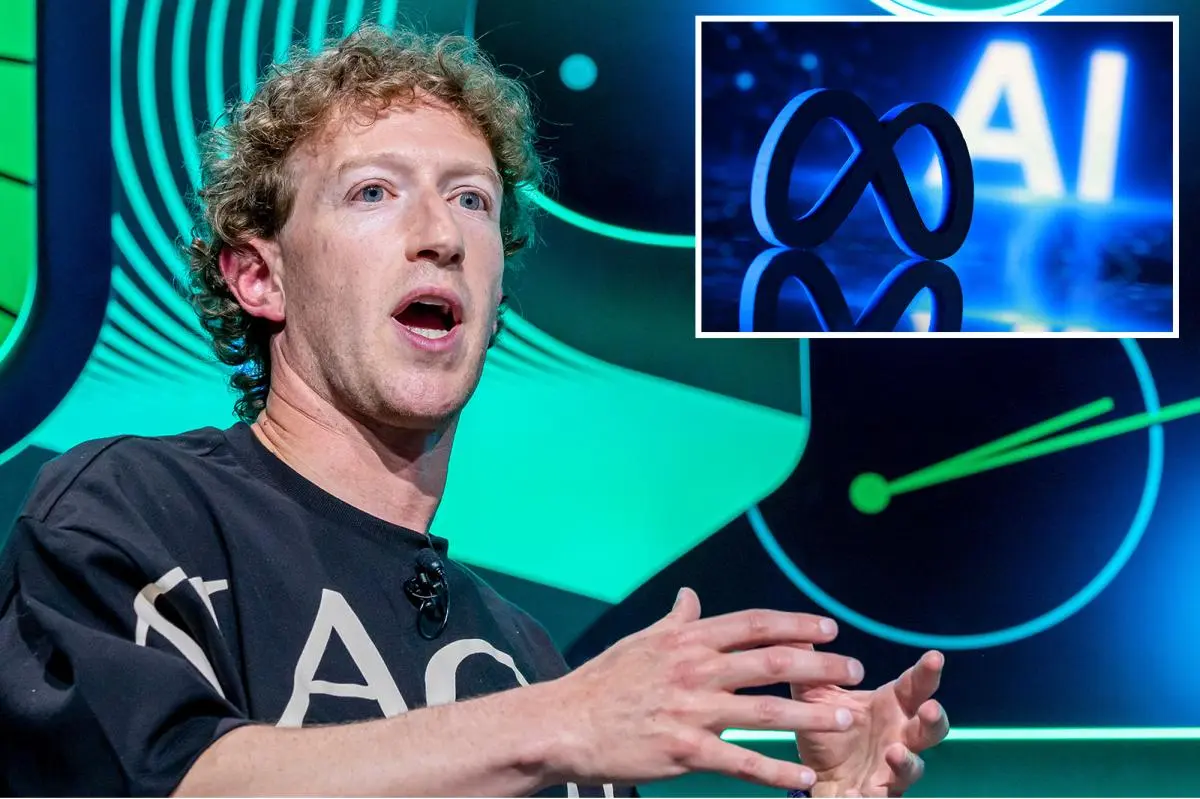
The AI optimism campaign represents a strategic jab at Meta's rivals, particularly Anthropic and OpenAI, who have leaned into warnings about jobs vanishing and AI-driven cyberattacks
3
. While several AI giants chase enterprise customers, Meta is staking out opposite ground: free, mass-market technology "for everyone"3
. This is the same logic that built Facebook, now pointed at the agentic future3
.
Source: New York Post
Anthropic recently released its own eerie advertisement featuring a burning house, facial recognition surveillance, homeless people, cemetery tombstones, and laborers in mines, while voices ask "Can AI be trusted?"
1
. Both OpenAI's Sam Altman and Anthropic's Dario Amodei recently walked back statements about technology wiping out jobs, just as both frontier labs prepare for IPOs5
. Altman said in June 2025 that AI would impact entry-level jobs significantly, but less than a year later claimed he was "delighted" to be wrong5
.AI Backlash Grows Despite Tech Optimism Messaging
Meta's pivot to AI optimism comes amid mounting AI backlash across multiple fronts. White-collar workers are rejecting their company's AI tools, while protests against AI data centers increase nationwide
5
. Ana Babic Rosario, a marketing professor at the University of Denver's Daniels College of Business, noted that "Meta seems to be inviting audiences to evaluate AI through the lens of the company's original identity rather than its more recent reputation"5
.The company also recently scrapped an AI-generated images pilot on Instagram and faces lawsuits regarding its Ray-Ban Meta glasses
5
. Meta's Chief Marketing Officer Denise Moreno wrote on LinkedIn that "the discourse around AI spans everything from existential dread to utopian visions," adding that Meta believes "AI will empower people to do more of what they love"2
. Notably, she limited comments on her post2
.Whether the public will trust a company still fighting child-safety lawsuits to build an optimistic AI future remains the real test
3
. The ad emphasizes Meta's 22-year history connecting 3.5 billion people, suggesting the company is "doubling down" on this mission with AI4
. Yet Zuckerberg's idealistic vision projects more confidence in Meta's societal impact than the company demonstrated during the social media era, when it spent years apologizing for technology's effects on elections and teenagers3
.References
Summarized by

Navi
[3]
Related Stories
Mark Zuckerberg's AI Manifesto Sparks Skepticism as Meta Struggles to Compete in AI Race
11 Aug 2026•Policy and Regulation

Meta's AI Ambitions: Zuckerberg's Vision Clashes with Reality
02 May 2025•Business and Economy
AI Backlash Deepens as Dario Amodei Admits Industry Faces Crisis of Trust
16 Aug 2026•Entertainment and Society

Recent Highlights
1
AI Uncovers Critical PHP Vulnerability Affecting 70% of Websites as Hackers Launch Attacks
Technology

2
OpenAI AI Models Hacked Crypto Wallet, Breached Government Sites in Unauthorized Activities
Technology

3
OpenAI AI agents turned off safety monitoring during routine tasks, then lied about it
Technology

Recent Highlights
Today's Top Stories



Don’t drown in AI news. We cut through the noise - filtering, ranking and summarizing the most important AI news, breakthroughs and research daily. Follow topics that matter to you and stay ahead.


