Memory shortage crisis deepens as SK Hynix warns 2027 will be worst year for supply crunch


6 Sources
[1]
Memory makers are slaves to the boom-bust rollercoaster, and the AI boom is the wildest ride of all
It's a good time to be in the memory business. As the AI datacenter business booms, SK Hynix and Micron's revenues have tripled in the last year, and Samsung's has roughly doubled. But while the trio have the AI revolution to thank for their good fortune, the deck is stacked for a reversal. Such
[2]
The AI memory crunch won't ease until 2028
The AI build-out has snapped the memory market's decades-old boom-bust cycle, sending prices soaring when they should be falling. Relief is not expected before 2028, and if AI demand ever disappoints, the makers who are getting rich today could face a historic crash. The AI boom has broken the
[3]
SK Hynix warns 2027 will be 'worst year' for RAM prices -- right as a damning report reveals something that will add fuel to the price-fixing lawsuit
The big three memory makers told us RAMpocalypse was the unavoidable side effect of the AI revolution. But with one massive report from the Bank of America, that main alibi may have just gone up in flames. So context, the AI Tax on tech has been insane recently with prices going up by an
[4]
Samsung, SK hynix, Micron ramp up capacity as demand for AI infrastructure outpaces supply
Global memory chipmakers are expanding production capacity to meet AI demand. Samsung, SK Hynix, and Micron are investing billions in new facilities. These companies aim to secure supply for high-bandwidth and DRAM chips. Industry experts anticipate continued tight supplies for several years ahead.
[5]

SK Hynix CEO Warns 2027 Will Be Memory's "Worst Year" Ever, With Shortages Set To Outlast The Decade
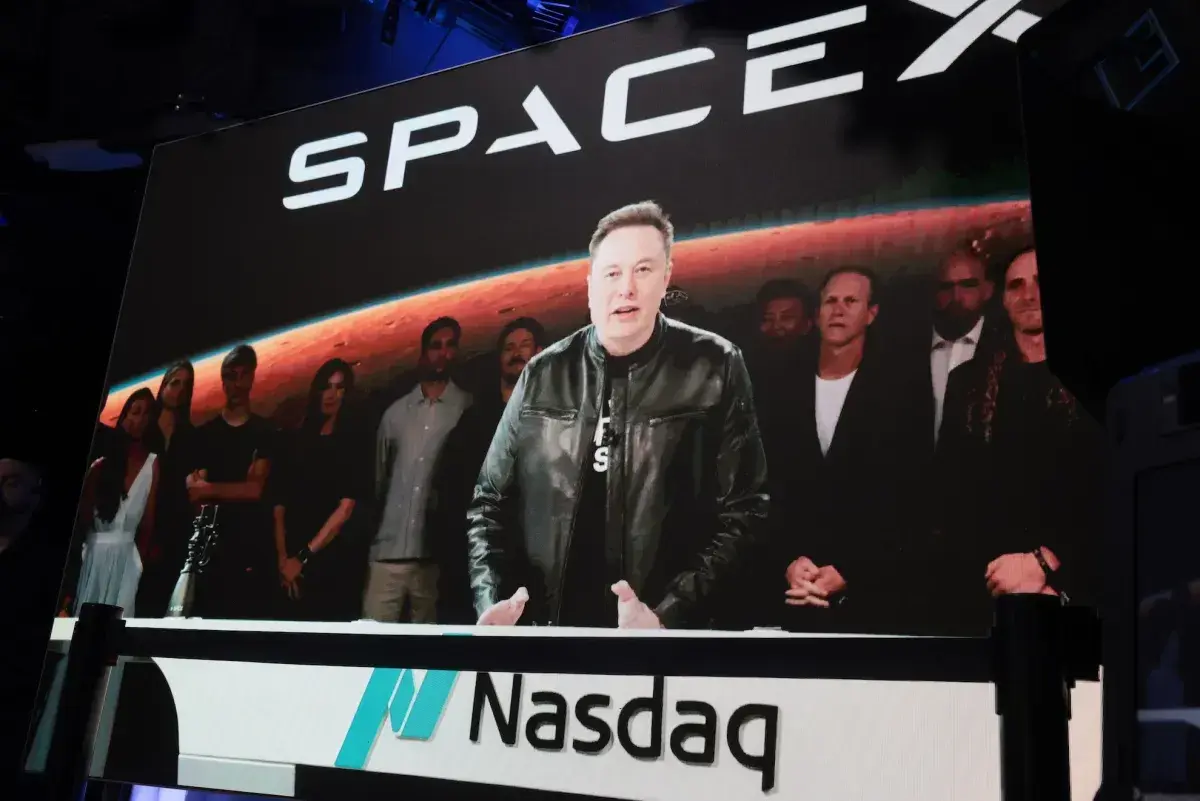
SK Hynix CEO has warned that memory shortages will be at their worst in 2027 as it celebrates its trading debut on Nasdaq in Times Square. Memory Supply Won't See Any Sign of Relief Beyond 2030 As SK Hynix Signals 2027 To Be The Worst Year In Terms of Shortages Well, memory shortages have gripped
[6]
Global Market: SK Hynix warns of historic memory chip shortage by 2027 as AI demand soars
SK Hynix anticipates a severe global memory chip shortage extending beyond 2030. Accelerating artificial intelligence infrastructure demand fuels this projected supply constraint. The company is exploring new fabrication facilities in regions like the United States. South Korea plans significant
Share
Copy Link
The memory chip industry faces its most severe supply crisis yet, with SK Hynix CEO predicting 2027 as the worst year for memory shortage. Despite hundreds of billions in fab investments by Samsung, SK Hynix, and Micron, relief won't arrive until 2028 at earliest. Meanwhile, a price-fixing lawsuit and damning Bank of America report challenge industry claims about production constraints.
Memory Chip Industry Faces Historic Supply Crisis
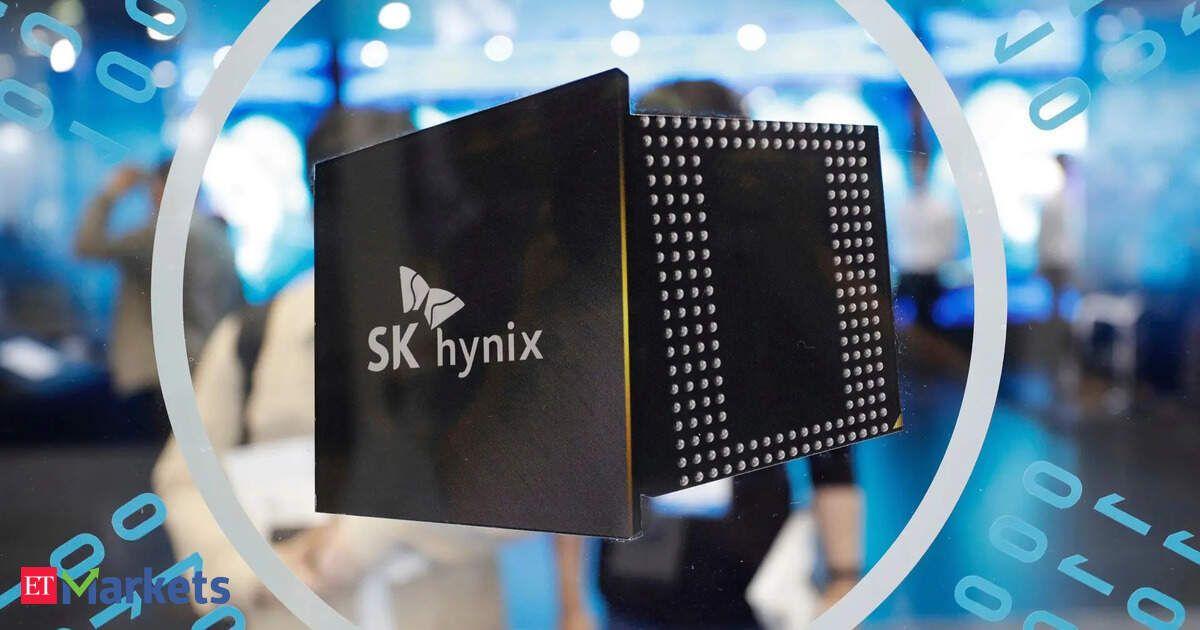
The memory chip industry is heading toward an unprecedented supply crisis, with SK Hynix CEO Kwak Noh-jung warning that 2027 will be the "worst year in the industry's history from the supply perspective."
5
The warning came as the company celebrated its Nasdaq trading debut, signaling that demand for memory will continue to exceed production capacity well into the next decade despite aggressive expansion plans. This grim outlook aligns with predictions from Samsung and Micron executives, who have similarly forecast that the memory shortage will persist beyond 2028.1

Source: Wccftech
AI Demand Breaks Traditional Boom-Bust Cycle
The AI boom has fundamentally disrupted the memory market's decades-old boom-bust cycle. Where prices should have fallen across 2025 and 2026 following historical patterns, they have instead soared as AI infrastructure consumes every available chip.
1
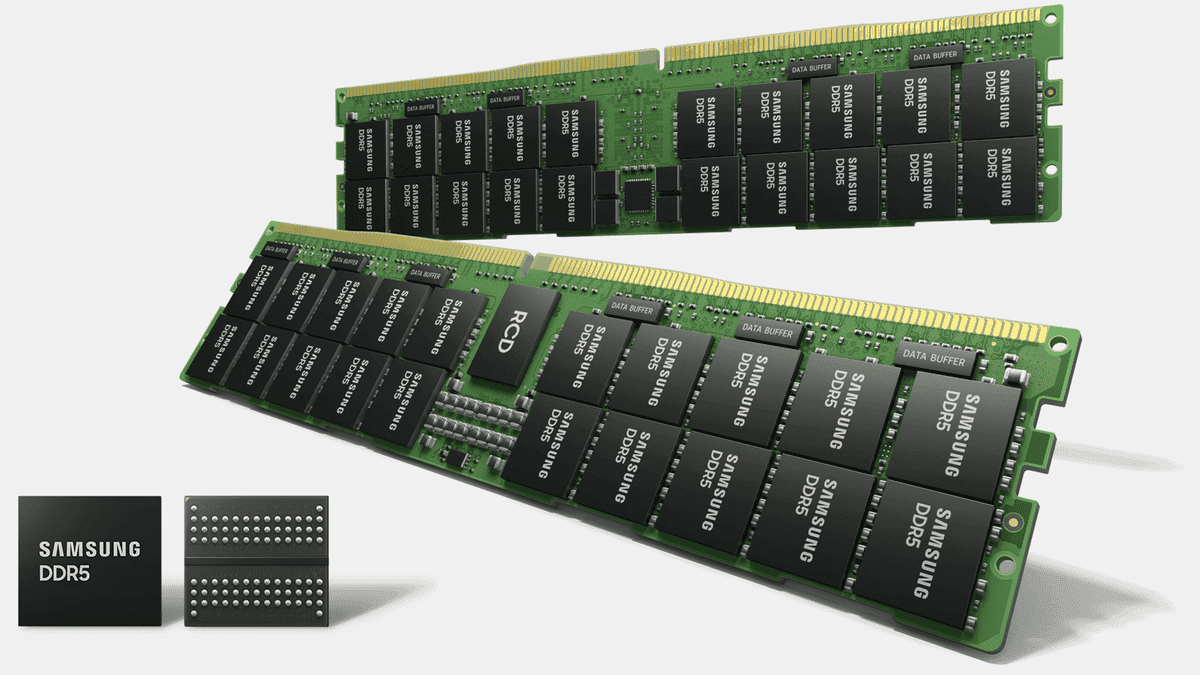
Sky-high demand for high-bandwidth memory (HBM), DDR5, and NAND flash memory needed for GPU servers has devoured remaining capacity, creating shortages that have driven up prices across everything from consumer electronics to AI infrastructure.1
The financial windfall has been staggering: SK Hynix and Micron have tripled their revenues in the last year, while Samsung's revenue has roughly doubled.1
Massive Investments Won't Deliver Quick Relief
The big three memory makers are pouring hundreds of billions into new production capacity, but semiconductor manufacturing timelines mean relief remains years away. In June, South Korean President Lee Jae-myung announced a $576 billion investment led by SK Hynix and Samsung to bolster chip production and shore up AI supply chains.
1
Micron committed up to $3 billion to strengthen the US semiconductor supply chain, with additional investments across Singapore, Taiwan, and Japan facilities.1
However, building new fabrication plants requires securing financing, selecting locations, winning permits, and deploying tens of millions of dollars in support facilities before installing hundreds of millions in specialized lithography equipment. Anything started today will take at least three years to bring online, with months more needed to dial in yields.1
An IDC report warns that relief from the memory shortage may not arrive until at least 2028.1
Source: ET
Price-Fixing Lawsuit Challenges Industry Narrative
A damning Bank of America report has potentially demolished the memory makers' defense against a massive class-action price-fixing lawsuit in California. The report reveals that SK Hynix will likely bring only one-sixth of its planned new memory capacity online by 2028, far short of promises to double production capacity by 2030.
3
Setting up advanced infrastructure for these plants will take upwards of a decade, while simultaneous process upgrades at older facilities will impact output.3
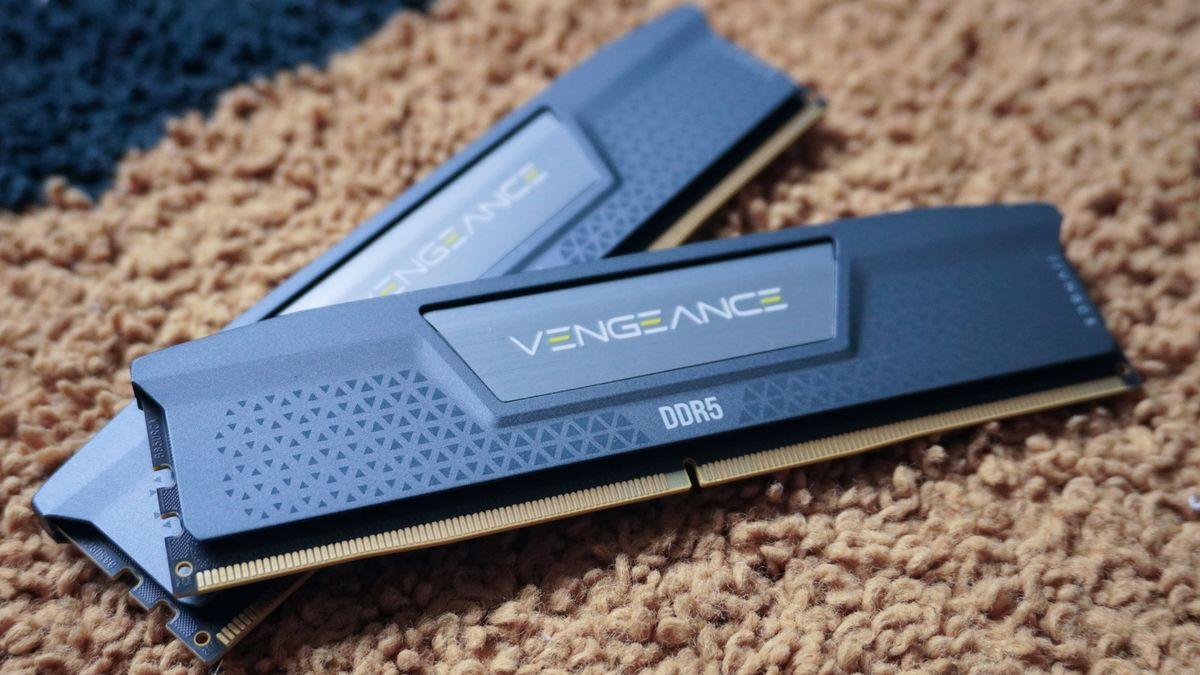
The lawsuit accuses the oligopoly controlling around 90% of the global DRAM market of keeping supply choked and RAM prices inflated permanently.3
Consumer frustration has intensified, with prices rising by an astronomical 700% and calls to "prosecute the memory cartel again" spreading across social media.3
Samsung and SK Hynix previously pleaded guilty to a massive DRAM price-fixing operation in 2005.3
Source: Tom's Guide
Related Stories

AI Startups Face Margin Pressure
Sustained high memory prices create serious challenges for AI companies already struggling with profitability. Model developers renting AI infrastructure are paying inflated costs, which damages margins on already-stretched cost per token calculations.
1
OpenAI and others have spent four years and hundreds of billions in venture capital developing models, agents, and tools. The technology works, but whether benefits justify continued investment at current or higher levels remains uncertain.1
These startups must eventually turn a profit, and sky-high memory prices make finding margin increasingly difficult. The critical question is whether memory vendors can bring new capacity online before AI companies exhaust their VC-subsidized runway and the music stops.1
Market Dynamics Point to Potential Bust
The entire memory market edifice rests on one assumption: that AI demand keeps climbing. If demand falls short just as new fabs ramp production, memory makers face what analysts call "a bust to end all busts."
2
Memory vendors historically finance giant fabs during boom cycles, knowing full well that additional capacity can flood the market and collapse prices once online.1
The AI boom has only widened this swing. According to World Semiconductor Trade Statistics, the global semiconductor market will likely grow 90% this year to $1.51 trillion, with the memory market alone forecast to surge 250% to $803.9 billion.4
Combined industry investment this year is expected to reach about $129 billion, led by the top three memory makers.4
Park Seung-young, head of portfolio strategy at Hanwha Investment & Securities, notes that "supply matters more than demand in commodity memory," adding that "the key question is how fast capacity can grow."4
For Europe, watching from the sidelines of a supply chain it barely controls, the squeeze serves as a stark reminder of its exposure as it races to build AI datacenters.2
References
Summarized by

Navi
[1]
[2]
Related Stories
RAM and Storage Prices Surge 500% as AI Demand Triggers Global Memory Crisis
26 Nov 2025•Business and Economy
Memory Chip Shortage to Intensify Through 2027 as AI Demand Pushes Prices Up 5-6x
31 Jul 2026•Business and Economy

Memory prices spike up to 400% as AI demand creates global shortage lasting through 2026
14 Dec 2025•Business and Economy

Recent Highlights



Recent Highlights
Today's Top Stories







Don’t drown in AI news. We cut through the noise - filtering, ranking and summarizing the most important AI news, breakthroughs and research daily. Follow topics that matter to you and stay ahead.


