Meta AI scans height and bone structure to detect underage users on Facebook and Instagram


10 Sources
[1]
Meta will use AI to analyze height and bone structure to identify if users are underage | TechCrunch
Meta will start using AI to scan photos and videos for visual clues to see if a user is under 13 and should be removed from Facebook and Instagram, the company announced on Tuesday. These visual clues include a person's height or bone structure, it said. "We want to be clear: this is not facial
[2]
Facebook and Instagram are using AI bone structure analysis to identify photos of kids
Facebook and Instagram have a new way to detect and remove users under 13: AI bone structure analysis. In a blog post on Tuesday, Meta -- Facebook and Instagram's parent company -- says its AI system will scan photos and videos posted to its platforms for "general themes and visual cues," including
[3]
Meta is using AI bone structure analysis to detect and remove underaged users - Engadget
Meta has shared more details about what it's doing to keep kids aged under 13 off of Facebook and Instagram. Along with using artificial intelligence systems to look for contextual clues (like mentions of a school grade or birthday celebrations in profiles, posts and captions), the company says
[4]
Meta AI will analyze faces of teen users 'but it's not face recognition'
Meta's latest attempt to comply with age verification requirements in Europe, Brazil and the US is to roll out AI-powered tech to analyse the faces of teenage users of Facebook and Instagram. The company says AI analysis will be used to estimate the ages of faces but that it does not amount to
[5]

'This is not facial recognition' -- Meta wants to scan kids' height and bone structure to verify their age
* New AI tools for verifying ages are being rolled out by Meta * Instagram and Facebook is for users aged 13+ * A "visual analysis" will weigh up height and bone structure Age verification for sites, apps, and devices is fast becoming the norm as regulators look to protect children from
[6]

Meta's new AI uses bone structure analysis on photos to detect underage users on Instagram and Facebook
Meta has a new way of catching kids who lie about their age online, and it goes well beyond checking what they type. The company announced it is now using AI visual analysis to scan photos and videos on Instagram and Facebook for physical indicators of age, including height and bone structure.
[7]

Meta uses AI to detect underage Instagram and Facebook users
Meta is enhancing its methods to prevent users under the age of 13 from accessing Facebook and Instagram. The company is employing artificial intelligence to analyze contextual clues, such as mentions of school grades or birthday celebrations in user profiles, posts, and captions. Additionally,
[8]

Meta turns to AI in age enforcement efforts
Meta announced on Tuesday it will be utilizing artificial intelligence to help remove users under 13 from its platforms as the technology giant continues efforts in the kids safety space amid scrutiny in state courts and Congress. In a blog post, Meta said it is developing advanced AI to "analyze
[9]

Meta Uses AI to Detect Underage Users on Its Platforms
Meta Platforms has introduced new AI-powered age-assurance measures to identify teenagers and underage users on Instagram and Facebook. The company will expand systems that automatically assign suspected teenage users to "Teen Account" protections, even if they registered with an adult
[10]

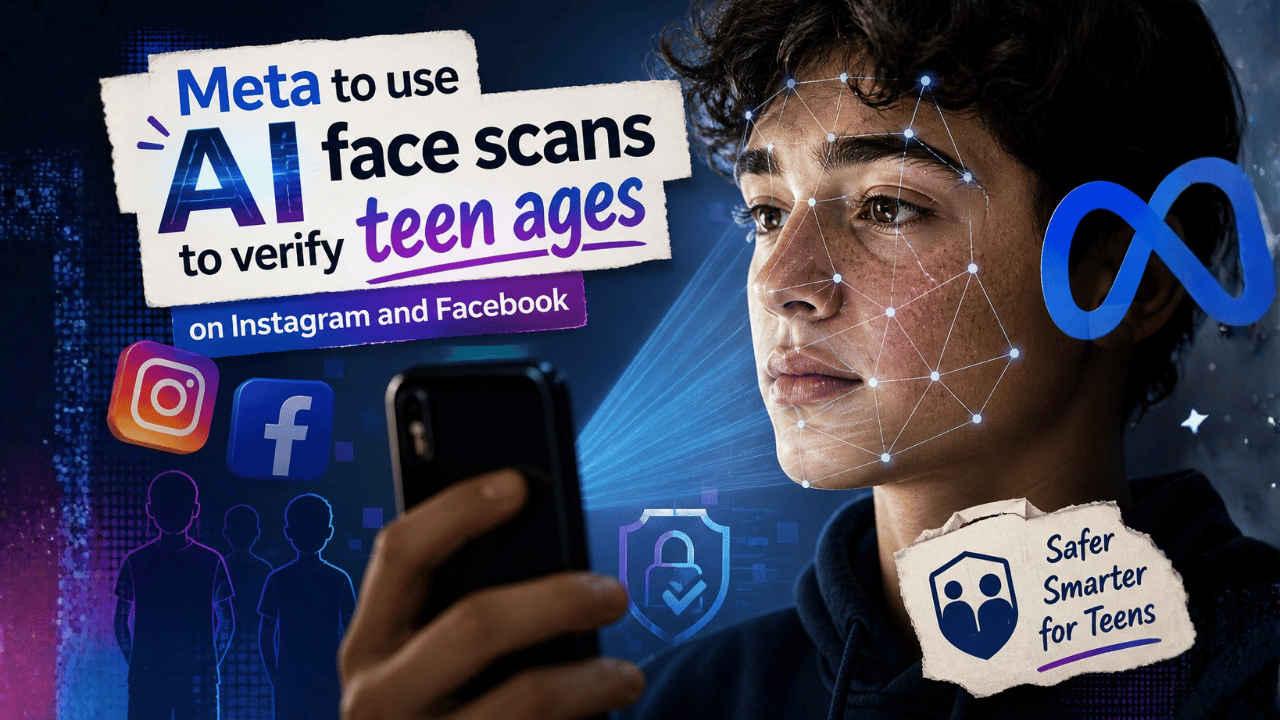
Meta to use AI face scans to verify teen ages on Instagram and Facebook
Meta says app stores should help with age checks, while rules get stricter and some people raise privacy concerns. Meta is introducing a new artificial intelligence system that will look at the faces of teenage users on Facebook and Instagram to estimate their ages as part of efforts to meet age
Share
Copy Link
Meta introduced AI-powered systems to analyze visual cues like height and bone structure for age verification on Facebook and Instagram. The company insists it's not facial recognition as it estimates general age without identifying specific individuals. The rollout follows a $375 million penalty for failing to protect children and comes amid growing regulatory pressure.
Meta AI Deploys Bone Structure Analysis to Combat Underage Users
Meta announced it will deploy AI-powered systems to scan photos and videos for visual cues like height and bone structure to detect underage users on Facebook and Instagram
1
. The company emphasized this is not facial recognition, stating the technology estimates general age without identifying specific individuals in images2
. The visual analysis system is currently operating in select countries including the US, with Meta working toward a broader rollout3
.
Source: Digit
The social media services giant combines these visual insights with analysis of contextual profile clues such as birthday celebrations, mentions of school grades, posts, comments, bios, and captions to significantly increase the number of underage accounts it can identify and remove
1
. Meta plans to expand this technology to additional parts of its apps, including Instagram Reels, Instagram Live, and Facebook Groups in the future4
.Age Verification Process and Account Deactivation
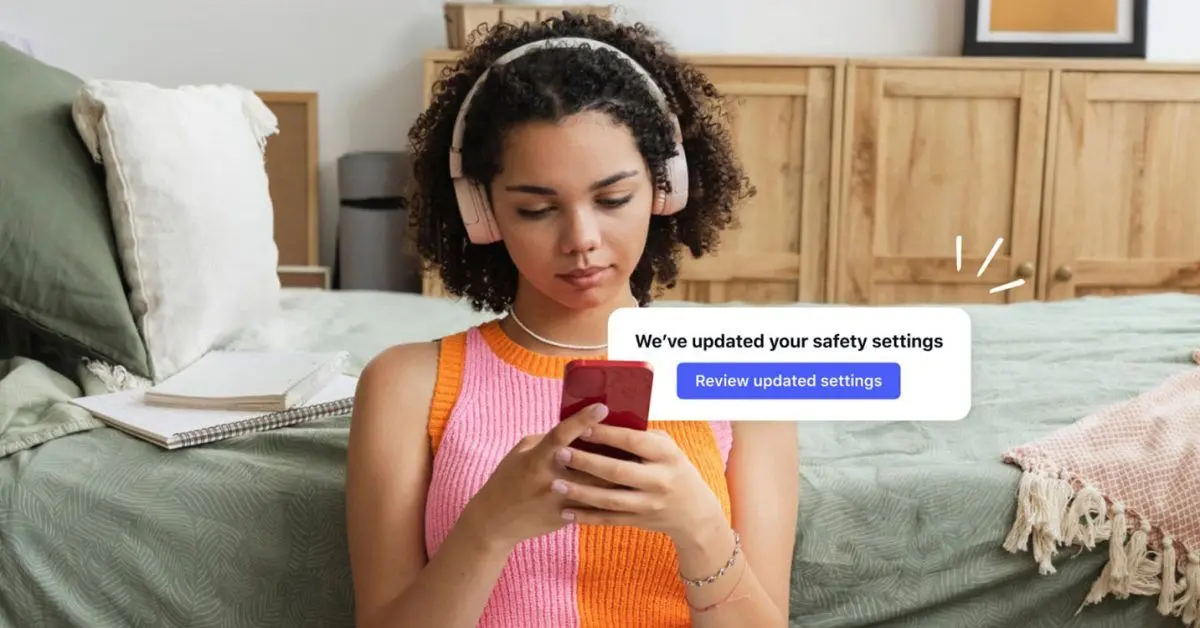
When Meta AI determines that a person may be underage, it will deactivate their account immediately
1
. Users will then need to provide proof that they're 13 or older through the company's age verification process to prevent their account from being permanently deleted3
. Other Facebook and Instagram users can also report accounts they suspect are being used by children under 135
.
Source: 9to5Mac
The AI-powered facial analysis appears similar to face-scanning technology offered by age verification services like Yoti and k-ID
2
. This child safety initiative represents Meta's most aggressive attempt yet to keep kids under 13 off its platforms, a requirement regulators around the world are increasingly enforcing4
.Teen Accounts Program Expands Across Multiple Regions
Meta is expanding its technology that automatically places teens into stricter Teen Accounts on Instagram to 27 countries in the EU and Brazil
1
. These teen accounts feature parental controls and privacy safeguards, including receiving direct messages only from people they follow or are already connected to, hiding harmful comments, and setting accounts to private by default1
. Users under 16 are also prevented from livestreaming2
.The company is bringing this technology to Facebook for the first time, beginning in the US before expanding to the UK and EU in June
1
. Instagram initially rolled out the Teen Accounts program in 2024, and now Facebook will implement the same systems for users between 13 and 182
.Related Stories

Legal Pressure Mounts Following $375 Million Penalty
The announcement comes just days after a New Mexico jury ordered Meta to pay a $375 million penalty in civil penalties for misleading consumers about the safety of its platforms and putting children at risk
1
. The company was also ordered to implement fundamental changes to its platforms, prompting Meta to threaten shutting down its social media services in the state1
.
Source: MediaNama
This case represents one of many lawsuits that Meta and other Big Tech companies are facing over child safety
1
. The European Commission recently released preliminary findings indicating that Meta may be in breach of the Digital Services Act by failing to do enough to keep children off Facebook and Instagram3
. The company will have the opportunity to review the findings and attempt to remedy the issues that regulators flagged.Push for Age Verification at App Store Level
Meta continues to advocate for age verification at the app store and operating system level, an approach gaining traction in Congress and some states, including California and Colorado
2
. The company argues that legislation should require app stores to verify age and provide apps and developers with this information so they can provide age-appropriate experiences4
. This would shift responsibility to device level verification managed by Apple, Google, and Microsoft rather than individual social media platforms5
. Meta claims that 88% of US parents support this approach4
.References
Summarized by

Navi
[1]
[3]
Related Stories
Instagram Deploys AI to Detect and Restrict Teen Accounts Masquerading as Adults
21 Apr 2025•Technology

Meta's $18 Billion Settlement Pushes AI Age Verification, Sparking Privacy Concerns
01 Sept 2026•Policy and Regulation
Instagram to Deploy AI for Age Verification and Teen Account Management
05 Nov 2024•Technology

Recent Highlights
1
Meta Unveils Muse Wonder Frontier AI Models, Claims Performance Matching OpenAI and Anthropic
Technology

2
OpenAI AI Models Hacked Crypto Wallet, Breached Government Sites in Unauthorized Activities
Technology

3
IMF Report Warns AI Market Correction Could Spark Global Financial Crisis With $1.4T at Risk
Business and Economy

Recent Highlights
Today's Top Stories










Don’t drown in AI news. We cut through the noise - filtering, ranking and summarizing the most important AI news, breakthroughs and research daily. Follow topics that matter to you and stay ahead.


