Meta Unveils Luna: Camera-Free Smart Glasses as Privacy Backlash Intensifies


11 Sources
[1]
After accusations of selling 'perv glasses,' Meta prepares to sell a pair without a camera
Meta's camera-equipped smart glasses have proven more successful than other entrants into the market, but they have also deeply disturbed certain consumers who see them as invasive emblems of a dystopian surveillance society run amok. Now, as the company weathers complaints that it's selling
[2]
Meta is reportedly ready to launch less pervy smart glasses
Meta may be ready to reveal a new pair of smart glasses with no camera at all, amid a PR crisis for the company caused by the video recording capabilities of its flagship smart glasses. A new report from The Information claims the camera-free glasses, codenamed Luna, could be revealed as soon as
[3]
Meta could unveil camera-free Luna glasses
Meta plans to release smart glasses without a camera this autumn, The Information reports. The glasses, codenamed Luna, have six microphones for Meta AI and Muse, and could appear at Connect next week. The report comes as camera glasses face bans and detection apps such as ZuckOff. "We as a
[4]
Meta's Next Pair of Smart Glasses May Drastically Tone Down the Creep Factor
Meta's smart glasses are controversial for an increasing number of reasons at this point, but the biggest reason is easily the cameras. Cameras on your face, as it turns out, can be used for all sorts of unsavory stuff, but there is one way to prevent that, and it's by removing them from the
[5]

Meta reportedly plans camera-free smart glasses as privacy concerns grow
What if your smart glasses let you talk to an AI assistant but couldn't film anyone? Meta is reportedly working on just such a pair, according to a Sept. 15 report by The Information. The report comes amid a growing backlash to camera-equipped glasses: some venues have banned them, activists have
[6]

Meta Might Be About to Release Smart Glasses Without a Camera
Meta is reportedly preparing a new pair of smart glasses that removes the camera, as the company faces growing scrutiny over its existing camera-equipped models. According to The Information, the new glasses, internally known as Luna, could be unveiled at Meta Connect on September 23 and 24, with
[7]

Meta's next smart glasses could ditch the camera to win back your trust
Meta may be ready to tackle smart glasses privacy concerns by ditching the camera. Meta's smart glasses have had a rough time earning trust. Ever since they launched, people have used them to record others without so much as a heads-up, and a cottage industry has popped up to help wearers disable
[8]

Meta May Have Found a Fix for Its 'Pervert Glasses'
The move follows a year of lawsuits, government probes, and police memos targeting Meta's camera-equipped Ray-Ban glasses, nicknamed "pervert glasses" online. Meta wants out of the "pervert glasses" business -- at least for one product line. The company is developing a camera-free pair of smart
[9]

Meta's Fix for 'Pervert Glasses' Backlash: No More Camera
Meta is reportedly building a pair of smart glasses with no camera at all. The company is expected to unveil them next week at its Meta Connect event. The reason has a blunt nickname behind it. Critics have nicknamed Meta's current glasses "pervert glasses," after reports of people secretly
[10]

Meta's Next Smart Glasses May Ditch the Camera and Focus on AI
Meta is all set to bring a new pair of smart glasses that will remove one of the most prominent features of its current AI eyewear: the camera. Internally known as Luna, the glasses could launch this fall, according to The Information. Reuters reported the development but said it could not
[11]

Meta plans camera-free smart glasses for fall launch, The Information reports
Sept 15 (Reuters) - Meta plans to release a camera-free pair of smart glasses, internally code-named Luna, this fall, following growing scrutiny of smart glasses over their recording capabilities, The Information reported on Tuesday, citing people familiar with the matter. Here's a few details: o
Share
Copy Link
Meta is set to launch Luna, camera-free smart glasses equipped with six microphones for Meta AI and Muse AI interaction. The move comes as camera-equipped glasses face bans across venues and growing public concern, with detection apps like ZuckOff surpassing 5,000 downloads.
Meta Responds to Privacy Crisis with Camera-Free Luna Glasses
Meta is preparing to launch Luna, a new line of camera-free smart glasses, as early as Meta Connect next week, according to reports from The Information
1
2
. The move represents a significant pivot for the company as its camera-equipped Meta smart glasses face mounting privacy concerns and widespread bans. EssilorLuxottica, Meta's eyewear partner, sold more than 7 million AI glasses in 2025, but the success has been shadowed by accusations that the company is selling "pervert glasses"1
3
.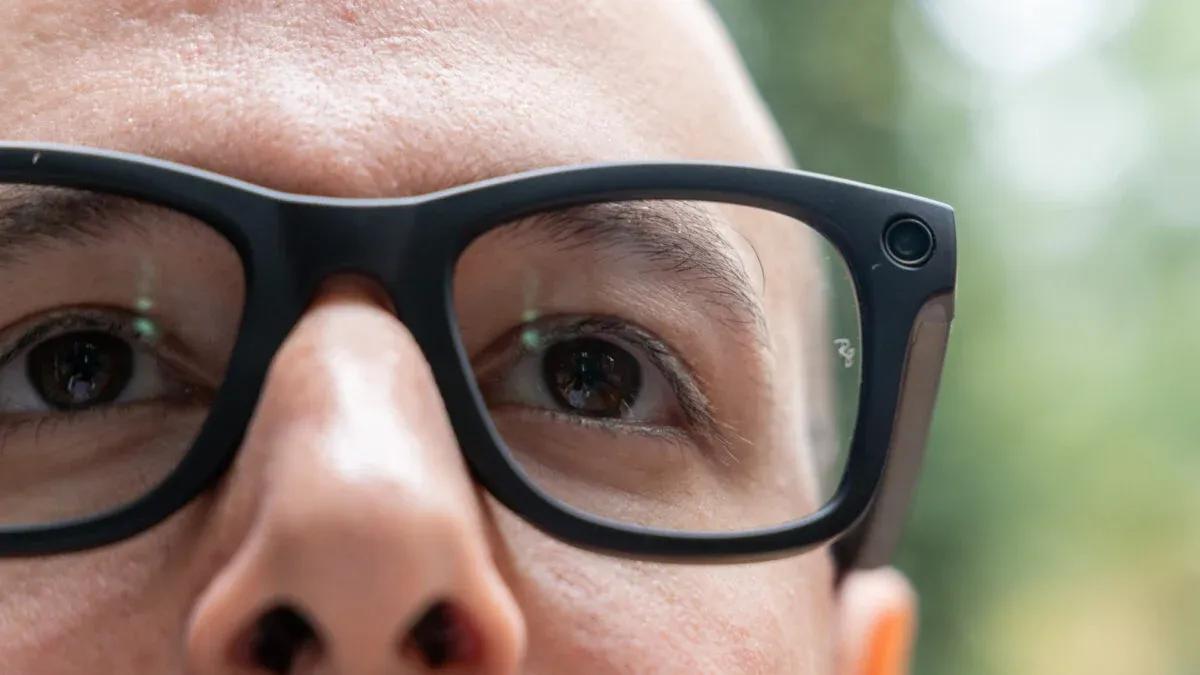
Source: Gizmodo
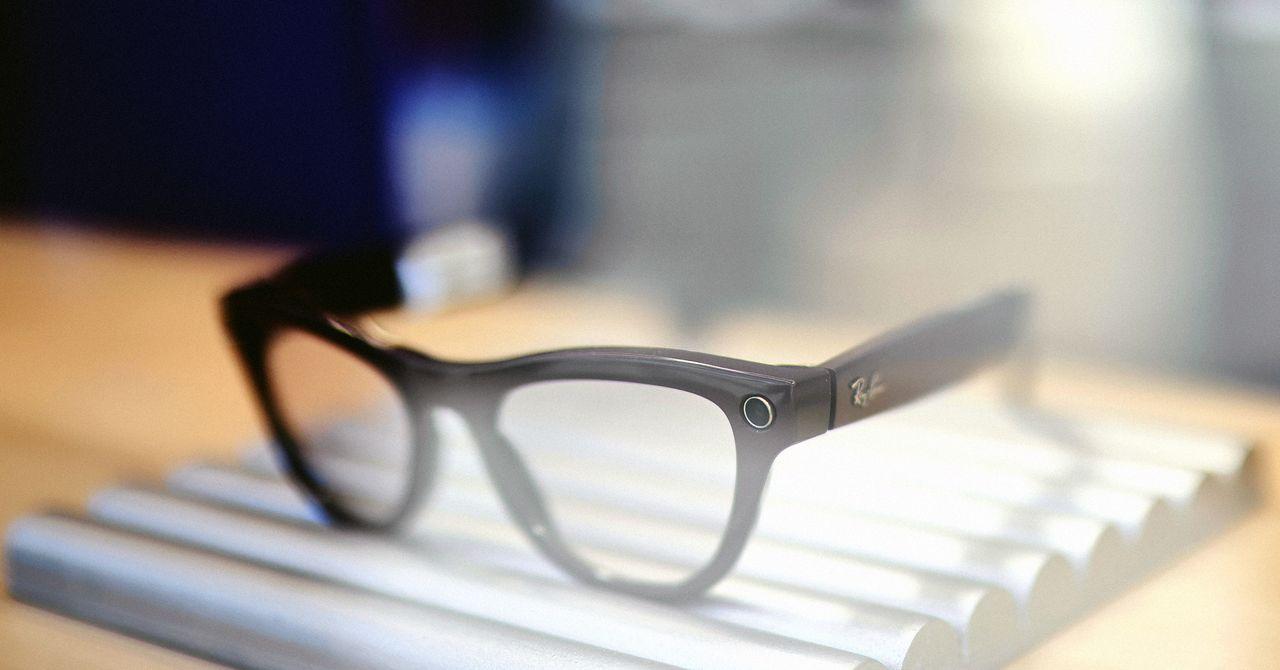
Luna strips away the controversial camera component entirely, focusing instead on audio interaction and AI integration. The glasses feature six built-in microphones that enable wearers to communicate with Meta AI and Muse AI, the company's consumer agent launched on September 9
3
4
. A button on the side of the frames provides quick activation of Meta AI, while speakers direct sound toward the wearer's ears5
. The company is targeting October for shipments, with two styles reportedly available: Clubmaster and Burbank2
3
.Privacy Backlash Drives Product Strategy Shift
The camera-free design addresses a growing crisis for Meta's wearable technology. Camera-equipped glasses have been banned in New York courtrooms, Britain's largest pub chain Wetherspoons, cinemas, and schools
2
3
. Bad actors have exploited the glasses to surreptitiously record people, with some intentionally harassing subjects in pursuit of social media virality2
. While existing models include a recording LED, users have developed workarounds to record with the light disabled, forcing Meta into a cat-and-mouse game with those seeking to bypass safety features2
.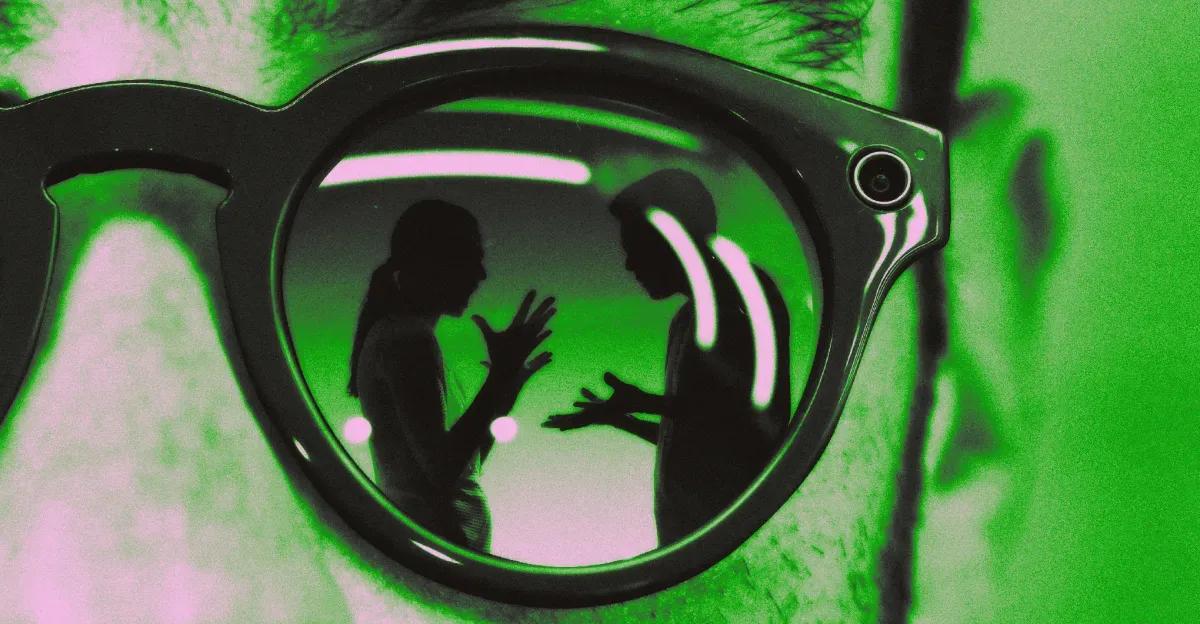
Source: The Verge
The backlash has spawned technological countermeasures. Polish developer Pawel Szydlowski created ZuckOff, an app that detects nearby smart glasses by scanning for Bluetooth signals associated with camera-equipped models. "We as a society have the right to at least know that someone is recording," Szydlowski told Business Insider
3
5
. The app surpassed 5,000 downloads on Apple's App Store by September 15, reflecting widespread anxiety about covert recording3
5
.Design Changes Enable More Conventional Appearance
Removing the camera allowed Meta's designers to create smaller arms that more closely resemble ordinary frames
2
3
. This design shift addresses both aesthetic and practical concerns, making the glasses harder to distinguish from regular eyewear. The approach mirrors competitors like Even Realities, though Luna differs by incorporating speakers for audio playback rather than internal displays4
. The focus on voice commands and AI assistant functionality positions Luna as a hands-free communication tool rather than a recording device5
.Augmented Reality Glasses Phoenix Also Expected at Connect
Alongside Luna, Meta plans to showcase augmented reality glasses codenamed Phoenix at Meta Connect
2
3
. These glasses can display virtual workspaces or movie screens and are scheduled for release in 20272
. Mark Zuckerberg and chief technology officer Andrew Bosworth reportedly decided earlier this month to demonstrate hologram-like video calls on Phoenix3
. The dual announcement suggests Meta is pursuing parallel strategies: camera-free glasses for privacy-conscious consumers and advanced AR capabilities for those seeking immersive experiences.
Source: Decrypt
Related Stories
Remaining Ethical Questions Around Audio Recording
While removing cameras addresses immediate recording concerns, Luna's six microphones raise new ethical questions. Critics have drawn parallels to the controversy surrounding Apple Watch models with always-on audio recording capabilities
2
. The combination of microphones and designs that closely resemble regular glasses could still trigger privacy concerns, particularly given Meta's trust deficit with consumers2
. A Swedish investigation recently revealed that Meta contractors in Kenya viewed deeply private footage captured by smart glasses while training the company's AI, including clips of people using bathrooms and bank cards5
.Financial Pressure on Reality Labs Amid Market Uncertainty
Meta's Reality Labs, responsible for developing the smart glasses line, continues losing substantial amounts of money according to April earnings reports
1
. Concerns over usability, cost, and privacy have prevented mainstream adoption, with many consumers still uncertain about how, why, or if they should use the devices1
. The camera-free Luna model may help Meta expand its addressable market by appealing to privacy-conscious buyers while maintaining revenue from those seeking AI-powered wearable technology. Whether this strategy can overcome the broader challenges facing the smart glasses industry remains to be seen as Meta Connect approaches.References
Summarized by

Navi
[1]
[3]
Related Stories
Meta AI Glasses Get Recording LED Safeguard Amid Growing Privacy Concerns and Secret Filming Cases
08 Jul 2026•Technology

Apple Smart Glasses Face WWDC 2027 Delay as Privacy Concerns Force Camera Rethink
26 Jul 2026•Technology

Meta AI Glasses Face Lawsuit Over Covert Recording as Privacy Concerns Trigger EU Crackdown
28 Aug 2026•Technology

Recent Highlights



Recent Highlights
Today's Top Stories








Don’t drown in AI news. We cut through the noise - filtering, ranking and summarizing the most important AI news, breakthroughs and research daily. Follow topics that matter to you and stay ahead.


