Meta expands teen safety features to limit harmful content after $375M legal verdict


2 Sources
[1]
Meta Expands Safety Features for Teenagers
The changes, after Meta's legal losses in two child safety cases, are aimed at limiting harmful content shown to teenagers on Instagram, Facebook and Messenger. Meta unveiled new safety features on Tuesday to limit harmful content shown to teenagers on Instagram, Facebook and Messenger, its first
[2]
Meta expands safety features to limit harmful content for teens
Meta is rolling out a new feature to limit harmful content shown to teenagers as part of a broader push to better protect kids online in the wake of two landmark verdicts against the company. The setting, called Limited Content, will limit specific types of content, such as posts about
Share
Copy Link
Meta is rolling out new safety features to limit harmful content shown to teenagers on Instagram, Facebook and Messenger. The move follows two major legal losses in March, including a $375 million verdict in New Mexico and a liability ruling in Los Angeles. The Limited Content setting will restrict posts about nutrition, weightlifting and anxiety shown repeatedly to young users.
Meta Introduces Limited Content Setting Across Platforms
Meta unveiled new safety features for teenagers on Tuesday, marking its first major policy shift since the company faced legal losses in March over child safety on Meta's platforms
1
. The tech giant is expanding its efforts to limit harmful content for teens across Instagram, Facebook and Messenger through a feature called Limited Content setting2
. This setting will restrict how frequently young users see posts about topics like nutrition, weightlifting and anxiety coping strategies in their Explore, Feed and Reels pages. While such content "can be helpful," Meta stated it "should be balanced with other types of content rather than shown repeatedly"1
. Hundreds of millions of teenagers use Meta's apps, which also include WhatsApp, each day1
.
Source: The Hill
Legal Pressure Drives Policy Changes
The new Meta safety features arrive in the wake of significant legal setbacks for the company. In March, a Los Angeles jury found Meta and YouTube liable for harming a young woman through platform features like infinite scroll and beauty filters
1
. That same month, a New Mexico jury ordered Meta to pay $375 million for violating state consumer protection laws, including enabling sexual exploitation, in a lawsuit brought by New Mexico's attorney general1
. The verdict was based on violations of New Mexico's Unfair Practices Act, which prohibits unfair, deceptive and misleading business ventures across the state2
. A bench trial kicked off Monday for a judge to review the New Mexico attorney general's requested protections for users under 182
.Expanding Content Rating System and Teen Account Protections
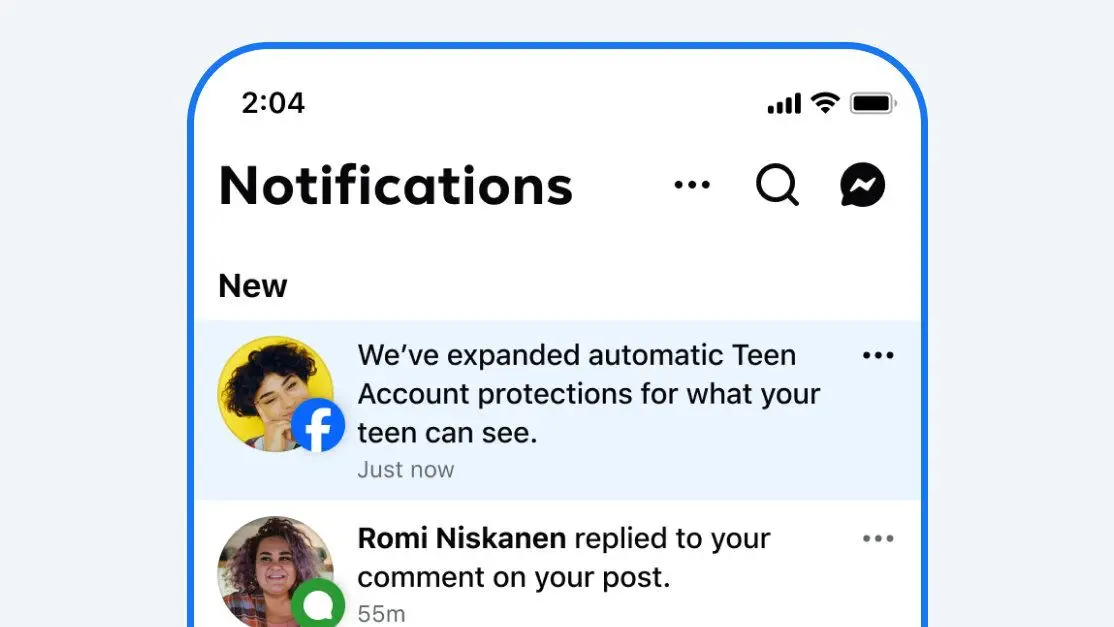
The changes build on Meta's Teen Accounts program, created in 2024, which automatically made the accounts of teenage users private and gave parents more control over their children's accounts
1
. Meta introduced a content rating system for Instagram in October, modeled after movie rating criteria; that system is now expanding to teenagers on Facebook and Messenger1
. Teen accounts are private by default for underage users, requiring them to manually accept new followers and limiting who can message, tag or mention them to people they follow2
. The content settings also hide content deemed inappropriate for teens and restrict their ability to view links to inappropriate content or chat with accounts that mostly share this type of content2
.
Source: NYT
Related Stories

AI Safety Measures and Third-Party Verification
Meta has also addressed concerns around artificial intelligence and young users. In October, the company unveiled safety policies around AI chatbot interactions, and in January, Meta blocked teenagers from messaging Instagram's A.I. characters, which are chatbots that take on different personalities
1
. Conversations between teenagers and the Meta A.I. chatbot now have the same kinds of content restrictions as Meta's movie ratings system1
. The company has also incorporated artificial intelligence to better detect and remove users younger than 13 years old from its platforms2
. To measure effectiveness, Meta said it had worked with Alice, a trust and safety organization, to assess how well its policies perform1
. The company also had parents rate millions of pieces of content to help fine-tune its moderation system1
. Meta has faced scrutiny around child safety issues for over a decade and is under increasing pressure from thousands of lawsuits filed by parents, state attorneys general and school districts1
. While Congress has struggled to get most kids safety legislation across the finish line, safety groups have turned to the courts2
.References
Summarized by

Navi
Related Stories
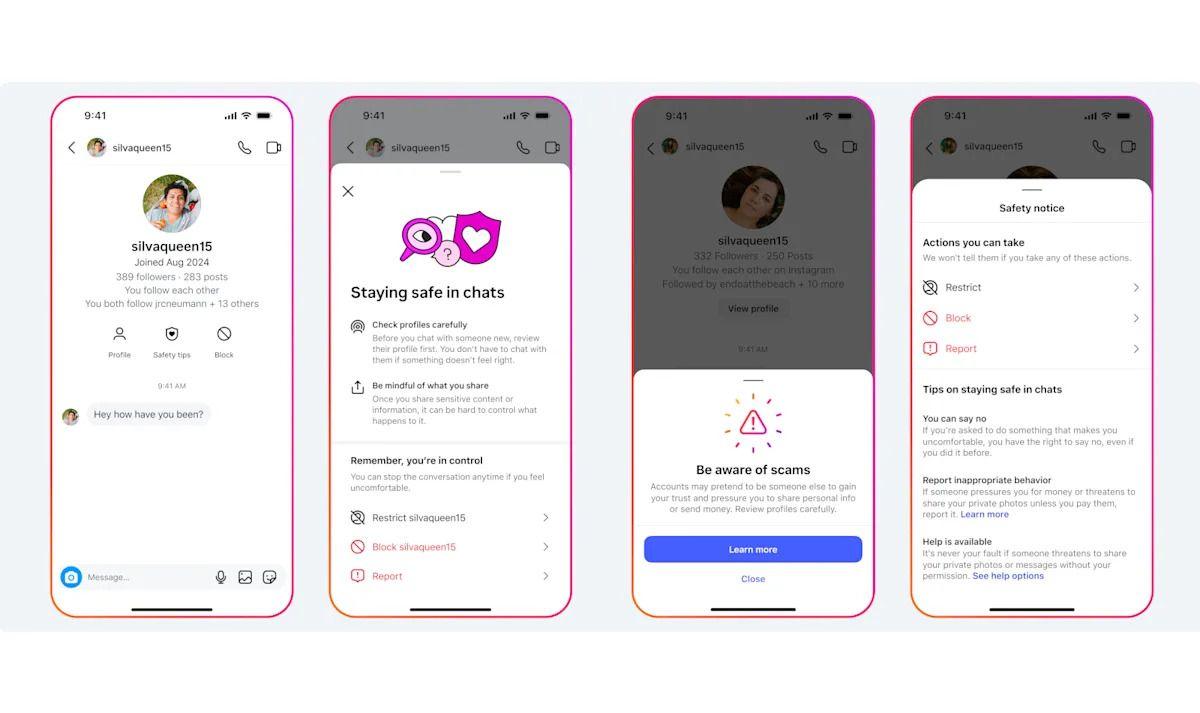
Meta Enhances Safety Measures for Teen and Child-Focused Instagram Accounts
24 Jul 2025•Technology
Meta Hit With $567M Fine and Sweeping Child Safeguards in New Mexico Ruling
08 Aug 2026•Policy and Regulation

Instagram Implements Mandatory Privacy Settings and Parental Controls for Teen Accounts
17 Sept 2024

Recent Highlights



Recent Highlights
Today's Top Stories






Don’t drown in AI news. We cut through the noise - filtering, ranking and summarizing the most important AI news, breakthroughs and research daily. Follow topics that matter to you and stay ahead.


