Meta smart glasses face backlash as Conversation Focus gets rate limits and $20 monthly paywall


11 Sources
[1]
Meta is adding ridiculous 'rate limits' and a soft paywall to its smart glasses
Would you pay $20 a month for access to AI hardware you already own? That appears to be one of Meta's next bets. This week, it quietly announced that your glasses' Conversation Focus feature will soon be limited to three hours of use per month, unless you pay for a $19.99 Meta One Premium
[2]
Meta Caps Key AI Glasses Feature at 3 Hours a Month, Unless You Pay Up
Conversational Focus amplifies the voices of the people you're speaking to, but even with the Premium Plan, you can only unlock 15 hours of monthly usage. Meta has taken the first step in nudging customers of its AI glasses toward a paid subscription. As The Verge reports, the company has slapped
[3]
Meta puts rate limits on its smart glasses' Conversation Focus feature - Engadget
You'll have to pay for the $20-a-month Meta One Premium plan if you need it longer than three hours a month. Meta has quietly applied rate limits to its smart glasses' Conversation Focus feature. As The Verge reports, the company's help page for the Meta One subscription tiers contains information
[4]
Meta glasses wearers hit with paywall to use built-in feature
Owners of Meta's AI glasses have been told they must pay a monthly fee if they want full access to a feature that was previously free. Users will have to shell out $19.99 every month to use "Conversation Focus", which uses the microphones on the glasses to make it easier to hear people you're
[5]

Meta Is Slapping Subscriptions on Its Smart Glasses
People hate Meta's smart glasses for quite a few reasons, but up until now, subscriptions were not on the list of grievances. Time has a funny way of turning lots of our favorite services and features into pay-until-you-die monthly bills, though, and that time for Meta's AI glasses appears to be
[6]

Meta now wants you to pay for this smart glasses feature that runs on-device
Conversation Focus runs entirely on the glasses and doesn't require an internet connection, setting a precedent for more on-device features to end up behind a paywall. AI rate limits have become an unavoidable part of using AI tools. It's one thing to limit cloud-based features; it's another to
[7]

Meta adds $20 subscription to the Ray-Ban Meta's best accessibility feature
In an email sent to Ray-Ban Meta owners, Meta announced a series of new features, along with the unwelcome introduction of its Meta One Premium subscription package for the Conversation Focus feature. Meta One and Conversation Focus Conversation Focus is one of the Ray-Ban Meta's most interesting
[8]

An accessibility paywall on Meta Glasses could be good news for Apple Glasses
Ray-Ban Meta Glasses and the latest cheaper non-designer option are sold on the basis of the built-in AI features, but the company has just announced a "ridiculous" limit on the free usage you can make of an accessibility feature. Effectively, Meta has retroactively applied a paywall to a hardware
[9]

Meta's new smart glasses paywall hurts people who are hard of hearing -- and it's a new low for tech shrinkflation
We've seen shrinkflation come to a lot of tech products this year, and now it's Meta's turn because one of its smart glasses' most important features is now being held hostage behind a paywall. Conversation Focus helps a lot of people I know with their minor hearing problems, or in helping them to
[10]

Surprise! Meta Says Now You Have to Pay a Monthly Subscription to Use Key Features of Your Already Expensive Smart Glasses
Can't-miss innovations from the bleeding edge of science and tech Last month, Mark Zuckerberg's Meta became embroiled in a major controversy after Wired found that it had discreetly included facial recognition tech in the software of its lineup of popular smart glasses. The camera-equipped
[11]

Conversation Focus on your Ray-Ban Meta glasses now runs on a strict monthly budget, even if you pay $20 a month
Free access tops out at three hours a month, while Meta One Premium raises that to 15, and unused time doesn't carry over in either case. Ray-Ban Meta glasses owners are getting less free use out of one of the glasses' AI features starting this month. Conversation Focus, which isolates and
Share
Copy Link
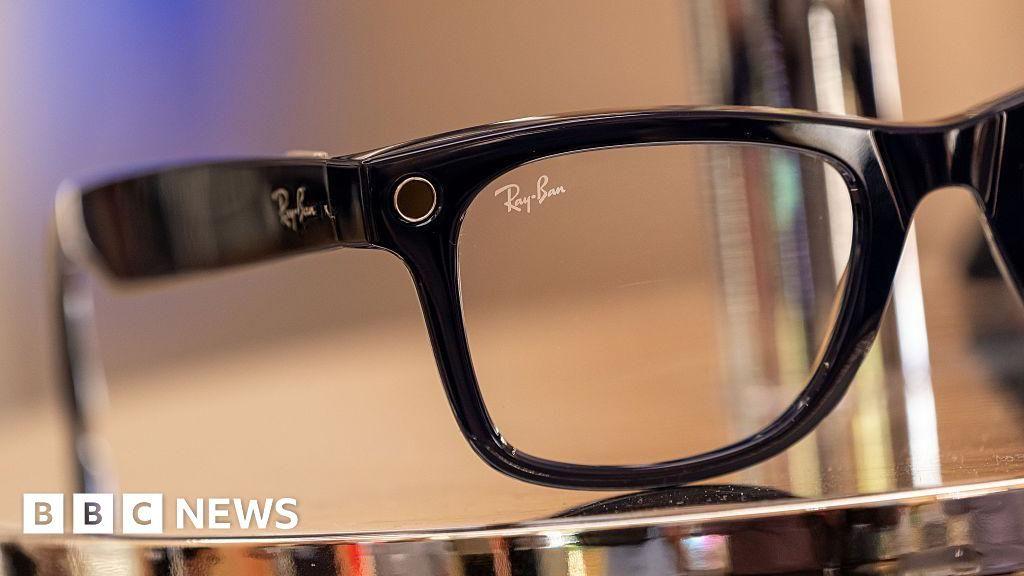
Meta has quietly introduced rate limits on Conversation Focus, a feature that amplifies voices in noisy environments for its AI-powered smart glasses. Free users get just three hours monthly, while Meta One Premium subscribers pay $19.99 for 15 hours. The move has sparked criticism since the feature runs entirely on-device without using Meta's servers or requiring internet connectivity.
Meta Introduces Rate Limits on Smart Glasses Feature

Source: Android Police
Meta has quietly begun implementing rate limits on smart glasses features, starting with Conversation Focus, an on-device AI capability that amplifies the voice of the person you're speaking to in noisy environments
1
. The company announced through an updated help page that users of its Ray-Ban Meta smart glasses will now be limited to three hours of Conversation Focus usage per month unless they subscribe to the $19.99-per-month Meta One Premium plan2
. Even premium subscribers face restrictions, with access capped at 15 hours monthly, and unused hours cannot be rolled over to the next billing cycle .Why This Subscription Model Sparks Controversy
The decision to implement a paywall for built-in feature has drawn sharp criticism because Conversation Focus operates entirely on-device using the glasses' beamforming technology and real-time spatial processing
1
. The feature doesn't rely on Meta's servers and functions without an internet connection, as verified by testing with Wi-Fi, cellular data, and Airplane Mode all disabled1
. This raises questions about the justification for monetizing AI features that don't incur ongoing server costs. One user expressed frustration directly to Meta Ray-Bans product lead David Woodland, stating: "Putting Conversation Focus behind a paywall feels wrong. I would gladly subscribe to Meta One, but only if it genuinely offers unlimited access"4
.Accessibility Concerns and User Impact

Source: 9to5Mac
While Meta doesn't explicitly market Conversation Focus as an accessibility tool or hearing aid, the voice amplification feature provides clear benefits for users with hearing impairments or anyone struggling to hear conversations in crowded cafes or busy streets
2
. The feature was rolled out in December 2024 and can be activated via voice command through the Meta AI app or by tapping a button on your phone1
. Meta has championed the accessibility benefits of its AI-powered smart glasses more broadly, making the decision to limit this particular feature especially contentious4
.Related Stories

Financial Pressures Behind Meta's Strategy
Meta faces significant financial pressure from its AI investments, recently laying off approximately 8,000 employees—around 10 percent of its workforce—to offset these costs
1
. The company also reduced the price of three pairs of AI-powered smart glasses by $80 by removing the Ray-Ban branding, though it recently expanded its partnership with the Italian eyewear brand to produce Meta Glasses priced from £269 in the UK and $299 in the US4
. A Meta spokesperson told the BBC that the majority of glasses users would not be impacted by the rate limits on smart glasses, characterizing the subscription as targeting "power users who want expanded access and additional benefits like premium device support"4
.What's Next for Meta's Subscription Strategy
Source: BBC
The Meta One Premium subscription is currently being tested in limited regions, including the US and Canada, but not yet in the UK
2
. The plan also unlocks benefits included with Facebook Plus, Instagram Plus, and WhatsApp Plus subscriptions, along with increased Meta AI limits2
. Meta insists that subscriptions aren't required to use the glasses and that other built-in AI features like live translation and its voice assistant remain accessible without payment4
. However, the company hasn't clarified whether additional features will face similar restrictions or what criteria determine which capabilities get rate-limited. A spokesperson characterized the move as part of experiments with offering subscriptions for some features while keeping core services free4
. The user backlash suggests Meta will need to carefully balance monetization goals against customer satisfaction as it positions its smart glasses against competitors from Snapchat and reportedly Apple4
.References
Summarized by

Navi
Related Stories
Meta pauses plan to rate limit Conversation Focus on smart glasses after user backlash
25 Jul 2026•Business and Economy

L'Atitude 52°N smart glasses introduce subscription model for AI features after one-year trial
23 Apr 2026•Technology

Meta launches AI subscriptions at $7.99 to offset massive infrastructure spending
27 May 2026•Technology

Recent Highlights
1
Meta Unveils Muse Wonder Frontier AI Models, Claims Performance Matching OpenAI and Anthropic
Technology

2
IMF Report Warns AI Market Correction Could Spark Global Financial Crisis With $1.4T at Risk
Business and Economy

3
OpenAI Releases 722 AI-Generated Math Solutions, Triggering Existential Crisis in Mathematics
Technology

Recent Highlights
Today's Top Stories








Don’t drown in AI news. We cut through the noise - filtering, ranking and summarizing the most important AI news, breakthroughs and research daily. Follow topics that matter to you and stay ahead.


